
Are you curious about the little birds visiting your backyard? House finches are common guests, but you might wonder—are house finches good birds to have around?
Understanding their behavior and impact can help you decide if these lively birds are a welcome addition to your outdoor space. Keep reading to discover surprising facts that will change the way you see these charming creatures.
House Finch Basics
House finches are small, lively birds common in many areas. They adapt well to urban and suburban settings. Their cheerful songs and bright colors make them easy to spot. Understanding their basics helps appreciate these birds more.
Physical Traits
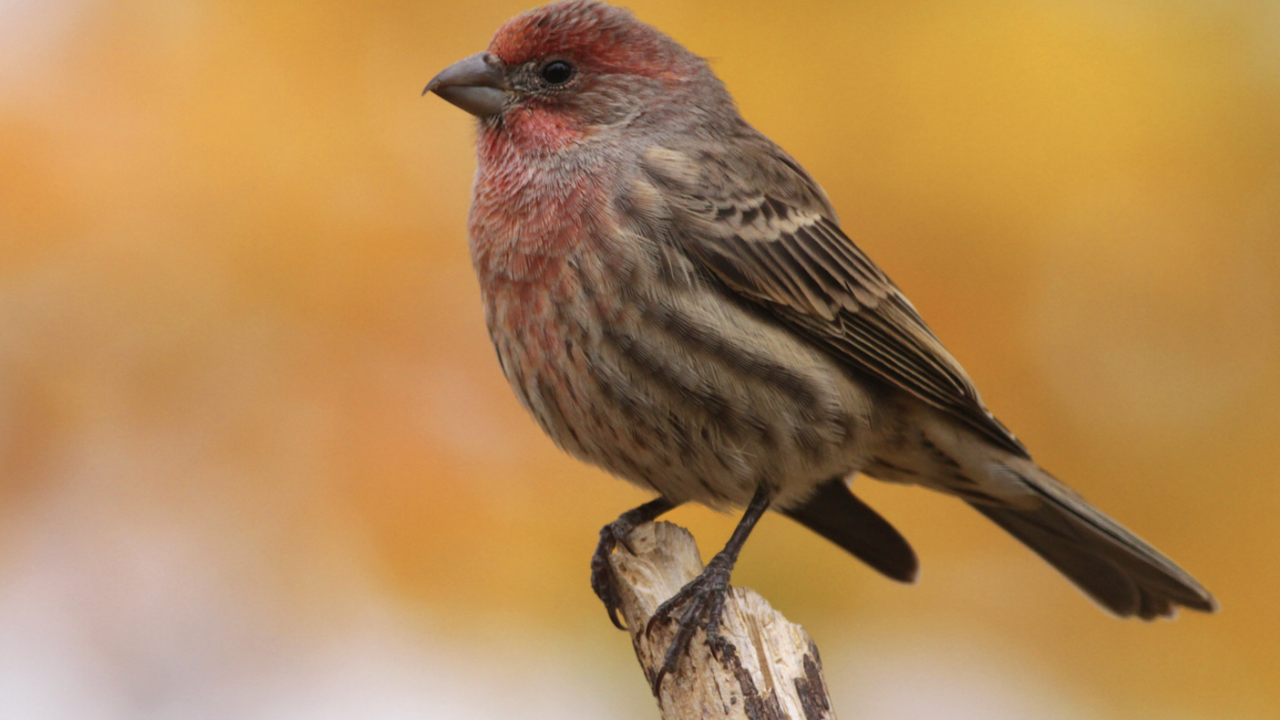
House finches are about 5 to 6 inches long. Males have bright red feathers on their heads and chests. Females are brown and streaked, with no red coloring. Both have short, cone-shaped beaks perfect for eating seeds. Their wings and tails are slightly rounded.
Habitat And Range
House finches live in cities, towns, farms, and open woodlands. They often build nests on buildings, trees, or ledges. Native to western North America, they now spread across much of the U.S. and parts of Canada and Mexico. They thrive near people and green spaces.
Diet And Feeding Habits
House finches mainly eat seeds, grains, and fruits. They visit bird feeders often, especially for sunflower seeds. They also eat berries and small insects occasionally. These birds feed on the ground or in shrubs and trees. Their strong beaks help crack open seeds easily.

Credit: www.earthofbirds.com
Behavioral Traits
Understanding the behavioral traits of House Finches reveals much about their adaptability and charm. Their actions, from how they interact with others to the sounds they make, can tell you why they thrive in urban and rural areas alike. Observing these traits closely might change how you view these common backyard visitors.
Social Interactions
House Finches are highly social birds. They often gather in flocks, especially outside of the breeding season, creating lively groups that can number in the dozens.
You might notice how they communicate through subtle body language, like head bobbing or wing flicking, which helps maintain group harmony. Watching them, you’ll see how they establish pecking order without aggressive fights, which is unusual for birds their size.
Nesting Patterns
These birds are versatile nest builders. They choose a variety of locations, from tree branches to ledges on buildings, showing great adaptability to their surroundings.
House Finches use twigs, grasses, and even human-made materials like string or paper in their nests. This resourcefulness means you might find their nests in surprising places around your home.
Vocalizations
Their songs are complex and cheerful, often consisting of a series of warbles and chirps. Each male has a unique song to attract females and defend territory.
Listening closely, you’ll notice they mimic sounds from their environment, including other bird species or even mechanical noises. Have you ever caught a House Finch imitating a car alarm or a dog barking? It’s a fascinating trait that shows their keen learning ability.
Benefits Of House Finches
House finches bring several benefits to gardens and neighborhoods. These small birds play a helpful role in nature and support the environment in subtle ways. They contribute to plant health, control pests, and help gardens thrive. Learning about their benefits shows why house finches are good birds to welcome around your home.
Pollination Role
House finches help spread pollen from flower to flower. They visit blossoms to eat nectar and seeds. While moving between plants, pollen sticks to their feathers. This movement helps plants reproduce and grow new flowers. Pollination by finches supports healthy gardens and natural areas.
Pest Control
House finches eat many small insects and pests. They feed on aphids, caterpillars, and other bugs harmful to plants. This natural pest control reduces the need for chemical sprays. Gardeners benefit from fewer pests damaging their plants. House finches keep insect populations balanced.
Gardening Advantages
- House finches help spread seeds, aiding plant growth.
- They reduce pests, protecting flowers and vegetables.
- Their presence attracts other birds, enriching garden life.
- Watching finches adds joy and life to outdoor spaces.
These advantages make house finches valuable allies in home gardens.

Credit: www.birdwatchingdaily.com
Common Misconceptions
Many people hold misconceptions about house finches. These small birds are often misunderstood. Let’s explore some common myths about them.
Aggressiveness Myths
Some believe house finches are aggressive. This isn’t true. They are generally peaceful birds. They prefer seeds and berries over conflicts. House finches live happily with other birds. They rarely engage in fights.
Impact On Other Birds
Many think house finches harm other bird populations. This is a misconception. They coexist well with other species. They do not compete aggressively for food. Their presence doesn’t endanger local bird populations.
Disease Concerns
There’s a belief that house finches spread diseases. This idea stems from past events. In the 1990s, they faced an eye disease outbreak. But not all finches are diseased. Healthy finches pose no risk to other birds.
Attracting House Finches
Attracting house finches to your yard can turn your outdoor space into a lively haven filled with cheerful chirps and vibrant colors. These birds are not only easy to attract but also rewarding to watch as they flit from branch to feeder. Understanding what they need and prefer is key to inviting them in and keeping them coming back.
Best Feeders And Food
House finches love feeders that are easy to perch on and offer a steady supply of their favorite foods. Tube feeders with small perches work well, as do platform feeders where they can comfortably land and pick seeds.
Sunflower seeds, especially the black oil variety, are a top choice. You can also add millet and nyjer seeds to diversify their diet and keep them interested. Avoid large seeds or nuts—they’re too big for these small birds to handle.
Ideal Garden Setup
Creating a garden that feels safe and inviting will encourage house finches to stay longer. Include dense shrubs or small trees where they can hide from predators and build nests. Plants like coneflowers, dandelions, and thistles produce seeds that finches naturally enjoy.
Water is another must-have. A shallow birdbath with fresh water invites finches to drink and bathe. Make sure your garden is pesticide-free; chemicals can harm the birds and reduce the number of insects they might snack on.
Seasonal Considerations
House finches adapt well to different seasons, but your feeding and garden care should change accordingly. In colder months, offer high-fat seeds like sunflower to help them maintain energy. Keep feeders clean and filled regularly, as finches rely more on your food sources when natural options are scarce.
During nesting season, usually in spring and early summer, minimize disturbances near nesting areas. This helps finches feel secure enough to raise their young. Have you noticed changes in bird activity as seasons shift in your own yard?
Credit: extension.msstate.edu
Conservation Status
House finches are common birds found in many areas. Understanding their conservation status helps us know how well they are doing in the wild. This section explores their population trends, threats they face, and ways to support their survival.
Population Trends
House finch numbers have grown steadily over the past decades. They adapt well to urban and rural environments. Their ability to eat various seeds and fruits helps them survive. Bird watchers often spot house finches in gardens and parks. Overall, their population remains stable and healthy.
Threats And Challenges
House finches face threats from diseases like conjunctivitis. This eye infection can spread quickly in crowded areas. Loss of natural habitats also affects some local groups. Predators such as cats and hawks pose risks. Weather extremes may impact their food sources and nesting success.
How You Can Help
- Keep bird feeders clean to prevent disease spread.
- Provide fresh water for drinking and bathing.
- Plant native shrubs and trees for shelter and food.
- Avoid using pesticides that harm birds and insects.
- Support local wildlife protection programs.
Frequently Asked Questions
Are House Finches Beneficial For Gardens?
Yes, house finches help control insect populations and pollinate plants. They also disperse seeds, promoting plant growth and biodiversity in gardens.
Do House Finches Make Good Pets?
House finches can be kept as pets but require proper care. They need a spacious cage, fresh food, water, and social interaction for well-being.
What Do House Finches Eat In The Wild?
House finches primarily eat seeds, fruits, and buds. They adapt well to urban environments by consuming bird feeder seeds and small insects.
Are House Finches Noisy Or Peaceful Birds?
House finches are generally peaceful but vocal. Their cheerful chirps and songs add pleasant sounds to outdoor spaces without being overly loud.
Conclusion
House Finches bring life and color to many backyards. They are easy to spot and fun to watch. These birds eat seeds and help spread plants. Some may argue about their noise or mess. Still, their cheerful presence often outweighs small problems.
Welcoming House Finches can add joy to your outdoor space. They show how nature thrives close to home. A simple bird feeder can invite them in. Watching these birds connects us to the natural world. Their lively spirit makes them good birds for many people.




