
Are birds constantly making a mess around your house? Their droppings, nests, and loud noises can be frustrating and even damaging.
You want a peaceful home without harming these creatures. But how do you keep them away effectively? You’ll discover simple and practical ways to scare birds off your property for good. Keep reading to find easy solutions that really work—so you can enjoy a cleaner, quieter space starting today.
Common Bird Problems At Home
Birds can bring life and color to your surroundings, but they can also create unexpected problems around your home. Understanding these common issues helps you decide how to handle birds effectively without harming them or your property. Let’s look at the types of birds that often cause trouble and the kind of damage they might bring.
Types Of Birds That Cause Issues
Some birds are more likely to become a nuisance near homes. Pigeons, sparrows, starlings, and seagulls top the list for causing problems. These birds tend to gather in large groups, making their impact more noticeable.
Have you noticed pigeons roosting on your roof or sparrows nesting in your vents? These common visitors can quickly turn into persistent guests, making it hard to enjoy your outdoor spaces.
Damage Birds Can Cause
Birds can cause damage in several ways. Their droppings are acidic and can erode paint, metal, and wood surfaces. Nesting materials can clog gutters and drains, leading to water damage or even structural issues.
Imagine cleaning bird droppings off your car every morning or fixing a blocked gutter after heavy rain. These small inconveniences add up and can become costly if ignored.
Health Risks From Bird Infestations
Birds and their droppings can carry diseases harmful to humans. Histoplasmosis, cryptococcosis, and psittacosis are examples of illnesses linked to bird droppings and feathers. These risks increase when birds nest close to living areas.
Are you aware that a bird infestation isn’t just a cleanliness issue but a health concern? Protecting your home means protecting your family’s health as well.
Physical Deterrents To Keep Birds Away
Physical deterrents offer a straightforward way to keep birds away from your house without causing them harm. These tools create barriers or uncomfortable surfaces that discourage birds from landing or nesting. They work continuously and require minimal maintenance once installed, making them a practical choice for long-term bird control.
Installing Bird Spikes
Bird spikes are strips of plastic or metal with pointed projections designed to prevent birds from landing on ledges, roofs, or window sills. I installed bird spikes on my porch railing after persistent pigeons made it their favorite spot. Almost immediately, the birds stopped perching there, and the area stayed clean.
Bird spikes don’t harm birds; they simply make it uncomfortable to land. They are easy to attach with screws or adhesive and can be cut to fit any surface. Would you consider spikes on your window ledges to stop those noisy early morning visitors?
Using Netting And Screens
Netting and screens act as physical barriers, blocking birds from entering spaces like balconies, gardens, or vents. I once used bird netting to protect my vegetable garden, and it kept sparrows and starlings out without damaging the plants. The netting was barely noticeable but extremely effective.
Choose durable, UV-resistant netting to withstand weather conditions. You can secure it tightly around frames or posts to eliminate gaps. Do you have a spot around your home that birds keep invading? Netting might be the simple fix you need.
Setting Up Reflective Objects
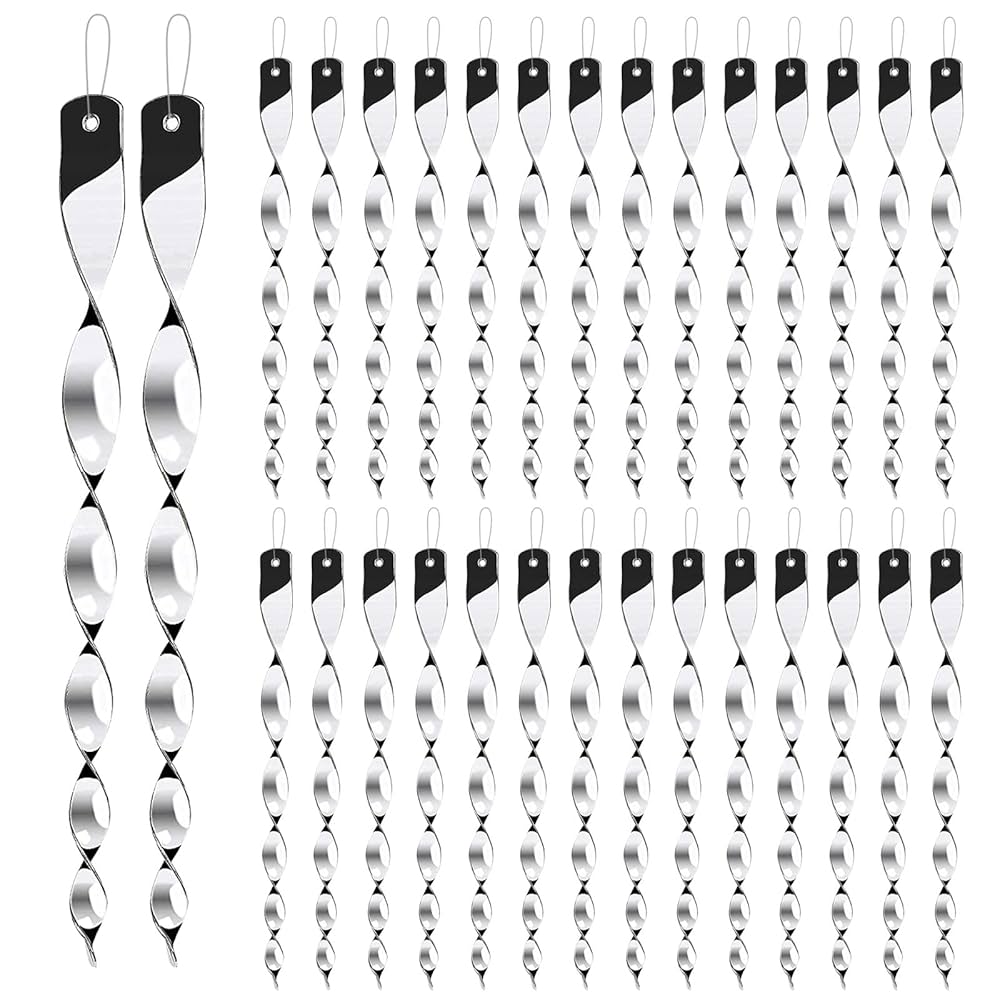
Reflective objects confuse and scare birds by reflecting light and creating moving shapes. Hanging old CDs or shiny aluminum foil strips near your windows or garden can keep birds at bay. I found that placing reflective tape around my rooftop stopped crows from gathering there daily.
These objects are inexpensive and easy to replace. They work best when combined with other deterrents. Have you noticed birds avoiding areas where shiny objects catch their eye?
Sound-based Bird Repellents
Sound-based bird repellents offer a unique way to keep birds away from your house without causing harm. These devices use various noises to create an environment that birds find uncomfortable or threatening. If you’ve noticed birds gathering and causing mess or damage, sound repellents might be the solution you need.
Ultrasonic Devices
Ultrasonic devices emit high-frequency sounds that birds can hear but humans usually cannot. These sounds disrupt birds’ comfort zones, encouraging them to avoid your property.
Many users find these devices easy to install and silent to people, which makes them perfect for residential areas. However, effectiveness can vary depending on bird species and surroundings.
Have you noticed if the birds come back after a while? Some birds might get used to the sounds, so moving the device occasionally can keep them on their toes.
Predator Calls And Distress Sounds
Playing recorded sounds of predators or distress calls triggers birds’ natural fear responses. This can quickly make your house seem unsafe to them.
Devices or apps that cycle through various calls keep birds guessing and prevent them from becoming accustomed to a single sound. Using sounds of hawks or owls often works well for many common nuisance birds.
Try mixing distress calls with predator noises to increase the impact. Birds associate these sounds with danger, making them think twice before landing near your home.
Noise Makers And Alarms
Noise makers and alarms create sudden, loud sounds that startle birds and discourage them from settling nearby. These can be mechanical, electronic, or even motion-activated devices.
Some homeowners have reported success with simple alarms that activate when birds approach. The surprise factor is key to making this method effective.
Consider placing noise makers near favorite bird spots like roofs, gardens, or patios. The unpredictability of the noise keeps birds wary and reduces the chance they’ll return.
Credit: www.amazon.ca
Natural And Chemical Bird Repellents
Natural and chemical bird repellents offer effective ways to keep birds away from your house. These solutions use scents, tastes, or textures that birds dislike. Choosing the right repellent depends on your preference for eco-friendly methods or stronger chemical options. Both types can help protect your property without harming the birds.
Essential Oils And Natural Sprays
Essential oils repel birds with strong smells they avoid. Oils like peppermint, eucalyptus, and citronella work well. Mix a few drops with water and spray around windows, doors, and gardens. Natural sprays made from garlic or chili pepper also keep birds away. These options are safe for pets and children. Repeat application after rain for best results.
Commercial Bird Repellent Products
Many commercial repellents use natural or chemical ingredients. Some are gels or liquids that create sticky surfaces birds dislike. Others release scents or sounds to scare birds off. Products like bird spikes or netting physically block birds from landing. Check product labels to find eco-friendly and non-toxic options. Use as directed for safety and effectiveness.
Safe Use Of Chemical Repellents
Chemical repellents can be strong and effective but require caution. Always read and follow label instructions carefully. Avoid spraying near food, water, or plants that birds eat. Use gloves and protective gear if needed. Keep children and pets away during application. Store chemicals safely out of reach. Use chemicals sparingly to reduce environmental impact.
Habitat Modification Strategies
Changing the environment around your home can make it less attractive to birds. By adjusting what you offer in your yard, you can reduce visits and keep birds away naturally. Here are some practical ways to modify your habitat to discourage birds from settling near your house.
Removing Food Sources
Birds come looking for easy meals. If you have bird feeders, fallen fruit, or accessible garbage, they become magnets for feathered visitors.
Keep your yard clean by picking up fallen fruits and securing trash bins with tight lids. Avoid leaving pet food outside, especially overnight. If you want to feed birds, use feeders designed to limit access to unwanted species.
Eliminating Nesting Spots
Birds seek safe, quiet places to build nests. Overgrown bushes, dense shrubs, and cluttered areas provide perfect nesting spots.
Trim back dense vegetation and remove unused items like old boxes or wood piles near your home. Installing bird spikes or netting on ledges can prevent birds from settling. Have you checked your gutters or vents lately? These spots often become hidden nests if left unchecked.
Managing Water Availability
Water attracts birds just as much as food. Standing water in birdbaths, puddles, or clogged gutters invites them to linger.
Regularly empty or change water in birdbaths to discourage visits. Fix drainage problems to avoid puddles and ensure gutters flow freely. If you rely on water features, consider adding movement like fountains to keep birds from settling.
Using Predators And Decoys
Predators and decoys can make birds feel unsafe near your house. Placing fake owls or hawks tricks birds into staying away. Moving these decoys often keeps birds from getting used to them.
Keeping birds away from your home can often feel like a battle. Using predators and decoys is a strategic way to deter them naturally. This method involves mimicking the presence of their natural enemies, making your home less appealing for nesting or loitering. So, how can you effectively implement this strategy?Placing Owl And Hawk Decoys
Placing owl and hawk decoys around your property can be an effective deterrent. Birds are instinctively wary of predators and will avoid areas where they perceive a threat. Choose decoys that are lifelike and position them in visible spots, such as on rooftops or in trees. Rotate and reposition the decoys periodically to maintain the illusion of a live predator. Birds quickly learn that a stationary decoy poses no threat. This small adjustment keeps the element of surprise alive and maintains the effectiveness of your strategy.Employing Trained Birds Of Prey
Using trained birds of prey is a more dynamic approach. Professional falconers can be hired to fly these birds around your property. The sight of a real predator swooping through the air can send a clear message to the feathered intruders. This method is especially effective for large properties or commercial spaces. It’s a unique spectacle that not only clears birds away but also offers an engaging experience. Have you ever seen a hawk in action? It’s a sight that makes you appreciate nature’s hierarchy.Effectiveness And Limitations
While these methods can be effective, they are not foolproof. Decoys can lose their effectiveness if not managed properly. Birds are smart and may eventually recognize a decoy that never moves as harmless. Employing trained birds of prey can be costly and is not feasible for everyone. It also requires coordination and scheduling with a professional. Consider your specific needs and resources before deciding which method to use. Choosing the right strategy can significantly impact your success in deterring birds. Have you tried any of these methods? What worked best for you?Maintenance And Monitoring
Regularly check bird deterrents to ensure they work effectively and stay in good condition. Watching bird activity helps adjust methods and prevent new problems early.
Maintaining and monitoring bird deterrents is essential for keeping birds away. Regular checks ensure that deterrents remain effective. Birds can adapt quickly, making it important to stay vigilant. Observing and adjusting your strategies can help maintain a bird-free environment.Regular Inspection Of Bird Deterrents
Regularly inspect all bird deterrents around your home. Check for wear and tear on physical barriers. Make sure that spikes, nets, and wires are intact and positioned correctly. Test electronic deterrents to ensure they function properly. Replace or repair any damaged components promptly.Adjusting Techniques Seasonally
Bird behavior changes with the seasons. Adjust your deterrents accordingly. In spring, birds look for nesting sites. Strengthen barriers and increase noise deterrents. In winter, food scarcity drives birds closer to homes. Use visual deterrents like shiny objects to scare them away.Tracking Bird Activity Patterns
Observe and record bird activity around your home. Note peak times and popular spots. Use this information to place deterrents strategically. Adapt your methods based on observed patterns. This proactive approach can enhance the effectiveness of your bird control measures.
Credit: www.amazon.ca

Credit: www.amazon.ca
Frequently Asked Questions
How Can I Effectively Scare Birds Away From My House?
Use visual deterrents like reflective tape, scare balloons, or fake predators. Combine with noise makers to increase effectiveness. Regularly change methods to prevent birds from getting used to them.
What Natural Methods Repel Birds Without Harming Them?
Planting herbs like lavender or mint can deter birds naturally. Use homemade sprays with vinegar or chili pepper. These methods are safe, eco-friendly, and won’t harm the birds.
Are Ultrasonic Bird Repellents Safe For Humans And Pets?
Yes, ultrasonic repellents emit high-frequency sounds inaudible to humans and most pets. They safely discourage birds without causing harm or disturbance to your household members.
How Do I Prevent Birds From Nesting Near My House?
Seal entry points, install bird spikes, or net vulnerable areas. Regularly clean gutters and remove nests early in the season to discourage nesting.
Conclusion
Scaring birds away from your house takes patience and simple steps. Try different methods to see what works best for you. Keep your space clean and remove food sources. Use safe and gentle ways to keep birds at bay. Remember, persistence helps achieve good results over time.
Protecting your home without harm is always the goal. Stay consistent and watch the birds move on. You can keep your house bird-free with care and effort.




