
Have you ever heard the cheerful sounds of a mockingbird and wondered if it’s a songbird? You’re not alone.
Many people ask this question because mockingbirds are known for their beautiful and varied tunes. But what exactly makes a bird a songbird? And does the mockingbird fit into that group? If you want to understand the secrets behind the mockingbird’s melodies and how it compares to other birds, keep reading.
You’ll discover fascinating facts that might surprise you and change the way you listen to birds forever.
Credit: tpwmagazine.com
Mockingbird Basics
Mockingbirds are famous for their singing abilities and mimicry skills. They belong to a group of birds known as songbirds. These birds are known for their clear, melodious songs. Understanding their basics helps appreciate their role in nature and music.
Physical Traits
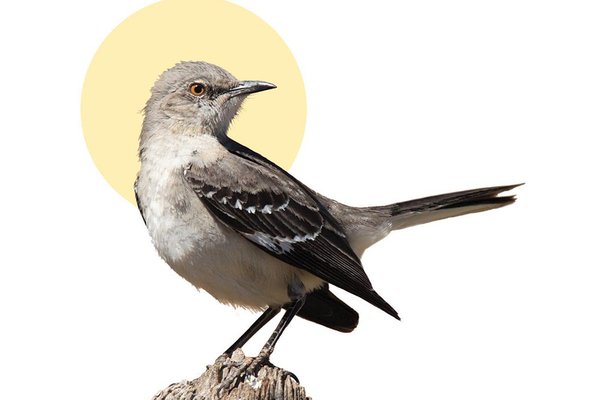
Mockingbirds have medium-sized bodies with slim builds. Their feathers are mostly gray with white patches on the wings. They have long tails that move often. Their beaks are slightly curved, perfect for catching insects. Their eyes are dark and alert, helping them spot food and threats.
Habitat And Range
Mockingbirds live in many places across North and Central America. They prefer open areas with bushes and trees. They are common in gardens, parks, and forest edges. These birds adapt well to human environments. They stay in warm climates but can be seen in cooler areas during migration.

Credit: www.cypressmag.com
Songbird Characteristics
Songbirds are known for their beautiful melodies and vibrant presence. Their characteristics set them apart in the bird world. Understanding these traits helps identify if a mockingbird is a songbird.
Defining Songbirds
Songbirds belong to the order Passeriformes. They have a special voice box called the syrinx. This organ allows them to produce complex and varied sounds. Most songbirds have three toes pointing forward and one backward. Their songs serve many purposes like attracting mates and marking territory. These birds often learn their songs from parents or neighbors.
Common Songbird Families
Songbirds include many families with unique features. Some well-known families are:
- Turdidae:Includes thrushes and robins, known for clear, melodious songs.
- Parulidae:Warblers with bright colors and fast, high-pitched songs.
- Fringillidae:Finches that sing simple, repetitive tunes.
- Mimidae:Mockingbirds and thrashers, famous for mimicking sounds.
Mockingbirds belong to the Mimidae family, known for their impressive vocal skills. This confirms their place among songbirds.
Mockingbird’s Place In Songbirds
The mockingbird holds a unique spot among songbirds. Its remarkable singing skills have fascinated bird lovers for years. Understanding where it fits in the songbird family helps appreciate its talents better.
Taxonomy And Classification
The mockingbird belongs to the family Mimidae. This family includes thrashers and catbirds too. It is part of the order Passeriformes, often called perching birds or songbirds. These birds have a special voice box called the syrinx. This lets them produce many different sounds. The mockingbird’s scientific name is Mimus polyglottos, meaning “many-tongued mimic.”
Vocal Abilities
Mockingbirds can imitate sounds from other birds and even some animals. Their songs are complex and varied. They combine whistles, chirps, and trills in long sequences. This skill helps them attract mates and defend territory. Mockingbirds can remember up to 200 different sounds. Their singing shows intelligence and adaptability.

Credit: myrye.com
Unique Mockingbird Behaviors
The mockingbird stands out among songbirds because of its fascinating and unique behaviors. Watching one can feel like witnessing a natural performer who never repeats the same act twice. These behaviors are not just interesting—they reveal how the mockingbird adapts and thrives in its environment.
Mimicry Skills
Mockingbirds have an extraordinary ability to copy sounds they hear around them. They don’t just mimic other birds; they can imitate car alarms, sirens, and even human voices. This skill helps them defend their territory by confusing rivals or attracting mates with a diverse song repertoire.
Have you ever noticed a mockingbird’s song changing day to day? That’s because they keep adding new sounds to their vocal library. This constant learning makes their singing vibrant and unpredictable, unlike many other birds that repeat the same tune.
Communication Methods
Mockingbirds use their vocal skills to communicate more than just song. They signal warnings, mark territory, and express emotions through different calls. Each variation carries a clear message to other birds or animals nearby.
Besides sound, mockingbirds use body language—like wing flashes and tail flicks—to send signals. These movements can warn off predators or rivals without needing to make a sound. It’s a smart, energy-saving way to communicate visually.
What would you do if you could send messages without words or technology? Mockingbirds show us that nature’s communication systems are far more complex and clever than we often realize.
Comparing Mockingbirds To Other Songbirds
Mockingbirds belong to the group of songbirds, but they have some unique features. Comparing them to other songbirds helps understand their special traits. This comparison focuses on their song complexity and habitat preferences.
Song Complexity
Mockingbirds are famous for their wide range of sounds. They can imitate other birds, animals, and even mechanical noises. Their songs often include many different phrases repeated several times. Other songbirds usually have simpler songs with fewer variations. Some songbirds sing a single melody, but mockingbirds mix many sounds into one performance. This ability makes mockingbirds stand out in the bird world.
Habitat Preferences
Mockingbirds live in various environments. They prefer open areas like parks, gardens, and edges of forests. Many other songbirds favor dense woodlands or thick shrubs. Mockingbirds adapt well to urban areas and human presence. They often build nests in trees or bushes near homes. Other songbirds may avoid busy places and need quieter habitats. This flexibility helps mockingbirds survive in many different places.
Role Of Mockingbirds In Ecosystems
Mockingbirds, known for their diverse songs, play a crucial role in ecosystems. These songbirds help control insect populations and aid in seed dispersal, promoting plant growth. Their melodious tunes not only enrich biodiversity but also enhance the natural balance in their habitats.
Mockingbirds are often celebrated for their remarkable vocal abilities, but their role in ecosystems extends beyond their melodious songs. These birds are vital contributors to the health and balance of their habitats. Understanding their impact can offer you a deeper appreciation of their presence in the natural world.Pollination And Seed Dispersal
Mockingbirds contribute to the ecosystem by aiding in pollination and seed dispersal. As they flit from flower to flower in search of nectar, they inadvertently transfer pollen, promoting the growth of plants. This simple act supports the reproduction of various plant species. Their diet includes a variety of fruits. By consuming these fruits and dispersing seeds through their droppings, mockingbirds help in the propagation of plants. This seed dispersal is crucial for maintaining plant diversity and habitat stability.Interaction With Other Species
Mockingbirds are known for their interactions with other species, often serving as a deterrent to predators. Their aggressive nature in defending their nests can protect not only their young but also other nearby bird species. This protective behavior contributes to a safer environment for many small animals. These birds also play a part in controlling insect populations. By preying on insects, mockingbirds help keep these populations in check, balancing the ecosystem. Have you ever thought about how one bird’s meal could impact the health of a garden? Mockingbirds’ diverse contributions highlight their importance in ecosystems. Next time you hear their song, remember the vital role they play in keeping nature thriving.Frequently Asked Questions
Is A Mockingbird Classified As A Songbird?
Yes, mockingbirds are classified as songbirds. They belong to the family Mimidae, known for their vocal abilities. These birds mimic sounds and sing complex songs, fitting the criteria of songbirds perfectly.
What Makes Mockingbirds Unique Among Songbirds?
Mockingbirds are unique because they mimic sounds from other birds and even humans. Their diverse vocal repertoire helps them communicate and defend territory, making them fascinating members of the songbird family.
Where Do Mockingbirds Typically Live?
Mockingbirds are commonly found in North and South America. They prefer open habitats like gardens, parks, and edges of forests, thriving in urban and rural environments.
How Do Mockingbirds Use Their Songs?
Mockingbirds use their songs to attract mates and defend territory. Their varied and repeated sounds serve as communication tools to establish dominance and reproductive success.
Conclusion
Mockingbirds are indeed songbirds known for their beautiful sounds. They mimic other birds and noises around them. Their songs help them attract mates and mark territory. These birds play an important role in nature and bring joy to many. Understanding their behavior helps us appreciate wildlife more.
Next time you hear a mockingbird, listen closely to its impressive song. It shows how unique and talented songbirds can be.




