
Have you ever wondered if robins actually use bird houses you put up in your yard? You might be surprised by what these familiar birds prefer when it comes to nesting.
Understanding their habits can help you create the perfect space to welcome them. Keep reading to discover the truth about robins and bird houses—and learn how you can attract these charming visitors to your garden.
Credit: www.etsy.com
Robins And Nesting Habits
Robins have unique nesting habits that show their love for nature’s hidden spots. They prefer safe places to lay eggs and raise their chicks. Unlike some birds, robins rarely use bird houses. Their nesting choices depend on safety, comfort, and easy access to food. Understanding their habits helps us support these beautiful birds better.
Typical Nesting Sites
Robins build nests in many places, mostly close to human homes. Common sites include:
- Tree branches, often hidden in dense leaves
- On ledges or window sills
- Under eaves or roof overhangs
- In shrubs and bushes
- Sometimes on large outdoor structures like fences
They avoid deep, enclosed spaces like bird houses. Robins prefer open but sheltered areas.
Materials Used For Nests
Robins use soft and sturdy materials to build their nests. Their choice includes:
- Grass and dry leaves for the base
- Mud to hold the nest together
- Twigs and small sticks for structure
- Feathers and soft fibers for lining
Mud is crucial; it strengthens the nest and holds its shape. The combination makes the nest safe and warm for baby robins.

Credit: www.amazon.co.uk
Bird Houses Vs. Natural Nests
Bird houses provide shelter to many bird species, but robins often choose natural nests. Understanding the difference helps in supporting their nesting habits. Robins build nests in places that feel safe and comfortable. Natural nests blend with the environment, offering protection from predators and weather.
Robins’ Preference For Nesting
Robins favor open cup-shaped nests made from mud and grass. They build these nests on tree branches, ledges, or shrubs. The natural setting helps keep the nest hidden. Robins like spots near human homes but not inside bird houses. They need space and air circulation that many bird houses lack.
Why Bird Houses Are Less Popular
Most bird houses are enclosed with small openings. This design suits cavity-nesting birds but not robins. Robins prefer open nests with good visibility to watch for danger. Bird houses may feel cramped and dark to robins. The materials used in bird houses often differ from what robins use naturally.
When Do Robins Use Bird Houses?
Robins are known for their open-cup nests, typically built in trees or shrubs. But do they ever use bird houses? Understanding when robins might choose a bird house can help you attract these charming birds to your yard. Timing and environment play key roles in their nesting decisions.
Situations Favoring Bird House Use
Robins usually prefer open nests, but they may use bird houses under certain conditions. If natural nesting sites are scarce due to urban development or heavy pruning, robins might explore bird houses as alternatives.
Bird houses placed in quiet, sheltered locations with easy access to food and water increase the chances of robins using them. Early spring, when robins begin their breeding season, is the prime time to offer bird houses.
Have you noticed fewer shrubs or fewer trees around your home? This lack of natural cover can push robins to seek safer nesting spots, including bird houses. Providing a bird house during these times can be a helpful solution.
Examples From Birdwatchers
Many birdwatchers report rare but successful robin nesting inside bird houses. One observer shared how a robin pair chose a bird house after a nearby tree was removed, turning to the house as a last resort.
Another account described robins using specially designed bird houses with wider openings and more interior space to mimic their natural nest environment. These modifications made the houses more inviting for robins.
What patterns do you see in your own yard? Watching local robins can give clues about their nesting preferences and whether a bird house might be appealing to them in your area.
Designing Bird Houses For Robins
Designing bird houses for robins requires careful thought about their needs. Robins prefer open nesting spots rather than enclosed boxes. A well-designed house can attract robins and provide safe shelter for their young.
Ideal Size And Shape
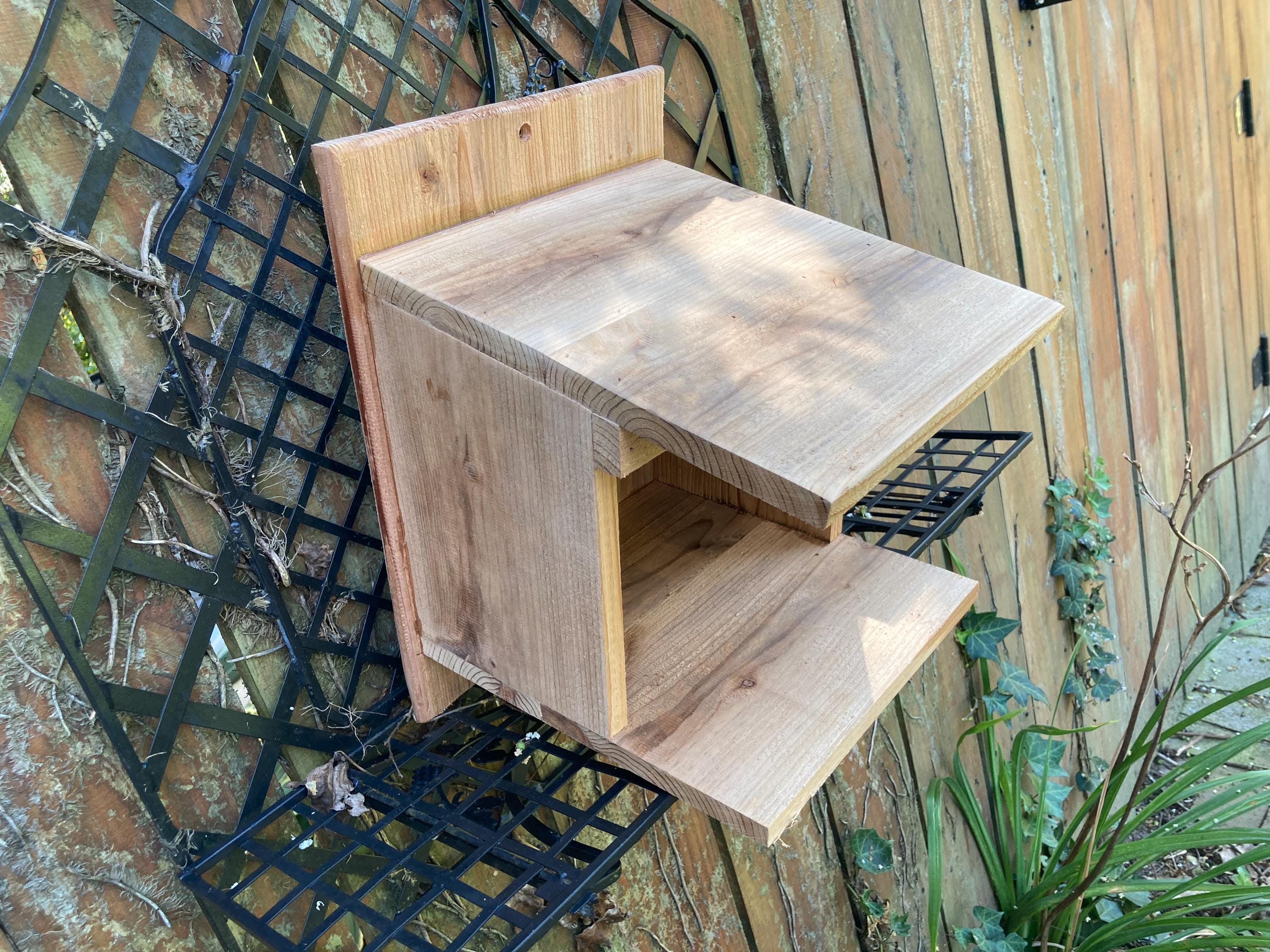
Robins like bird houses that resemble natural nesting sites. The house should have an open front instead of a small entrance hole. A platform-style nest box works best.
- Floor size around 5 to 6 inches square
- Height about 6 to 8 inches
- Open front of at least 4 inches wide and 4 inches tall
- Sloped roof to protect from rain
- Made from untreated wood for breathability
A shallow, open design helps robins keep watch for predators. Avoid small holes or deep boxes that robins find uncomfortable.
Best Placement Tips
Place the bird house in a quiet, sheltered spot. Robins prefer locations near trees or shrubs for cover and food. Position the house 5 to 10 feet above ground.
- Face the open front away from prevailing winds
- Choose a spot with some morning sun and afternoon shade
- Keep distance from busy human activity
- Ensure easy access for cleaning after nesting season
Good placement increases the chance robins will use the house. Check the site regularly for signs of nesting activity.
Encouraging Robins In Your Garden
Robins are a welcome sight in many gardens. Their bright red breasts and cheerful songs bring life to outdoor spaces. Encouraging robins to visit and stay requires understanding their needs. Creating a friendly environment helps robins feel safe and find food easily.
Gardens that provide natural shelter and food attract robins more than artificial setups. Knowing what robins like and dislike is key to making your garden a robin haven.
Attracting Robins Naturally
Robins prefer places with plenty of insects and worms. Plant shrubs and trees that offer berries and insects. Use native plants to invite more natural food sources. Leave some bare soil for robins to search for worms. Provide fresh water in a shallow birdbath. Keep water clean and change it often. Avoid using pesticides that kill insects robins eat.
Common Mistakes To Avoid
Do not place birdhouses too high or in open areas. Robins like low, sheltered spots close to the ground. Avoid disturbing nests once robins start building. Keep cats and predators away from feeding areas. Do not offer bread or processed foods. These can harm robins. Avoid overcrowding feeders or birdbaths with many birds. This can scare robins away.
Credit: www.chi-africa.com
Frequently Asked Questions
Do Robins Prefer Bird Houses For Nesting?
Robins rarely use traditional bird houses. They prefer open nests on ledges or tree branches. Enclosed houses don’t suit their nesting style.
Why Don’t Robins Use Typical Bird Houses?
Robins build cup-shaped nests in open areas. Bird houses are enclosed, limiting airflow and space. This makes them unsuitable for robins.
What Type Of Shelters Do Robins Use?
Robins nest in shrubs, trees, or building ledges. They seek open, sheltered spots with good visibility and protection from predators.
Can I Attract Robins With A Bird House?
Using a bird house won’t attract robins. Instead, provide natural nesting sites, shrubs, and open areas with twigs and grass for nesting materials.
Conclusion
Robins rarely use bird houses for nesting. They prefer open nests on tree branches or shrubs. Bird houses suit cavity-nesting birds better. Still, providing natural habitat helps robins thrive. Plant native trees and shrubs for shelter. Keep your garden safe and pesticide-free.
Enjoy watching robins in your yard. Nature’s simple homes work best for them.




