
Have you ever wondered how your car’s bird’s eye camera gives you that perfect view from above? It feels like magic, right?
But there’s real technology behind it that makes parking and maneuvering so much easier for you. Understanding how these cameras work can help you trust them more and use them smarter. Keep reading, and you’ll discover the secrets behind this clever system that’s changing the way you see your car’s surroundings.
Basics Of Bird’s Eye Cameras
Bird’s eye cameras give drivers a clear view around their car. They help avoid blind spots and make parking easier. Understanding how these cameras work starts with the basics.
What Is A Bird’s Eye Camera System
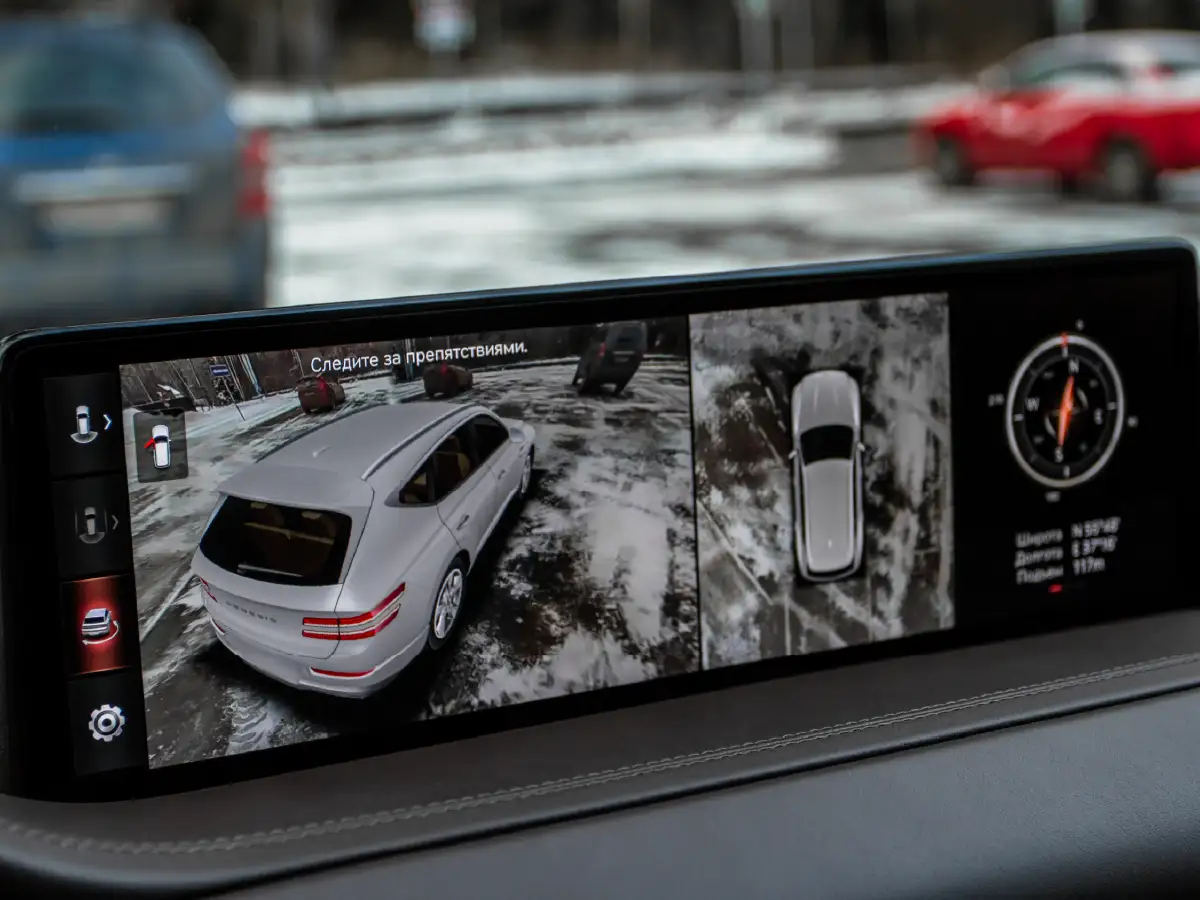
A bird’s eye camera system shows a top-down view of the car. It uses several cameras placed around the vehicle. These cameras capture images from different angles. The system then stitches these images together. The result is a full 360-degree view. This helps drivers see obstacles and tight spaces easily.
Core Components
- Multiple wide-angle cameras mounted on the front, rear, and sides of the car
- An image processing unit that combines all camera feeds
- A display screen inside the car to show the stitched image
- Software that corrects distortions and aligns images smoothly
Each component plays a key role in creating a clear, unified view.
How It Differs From Traditional Cameras
Traditional cameras show only one angle at a time. Usually, they cover just the front or back of the car. Bird’s eye cameras combine views from all sides. They create a real-time, bird’s eye perspective. This offers much more information to the driver. It reduces the risk of accidents and makes driving safer.

Credit: www.man.eu
360° Vision Technology
360° vision technology gives drivers a complete view around their car. This system uses several cameras placed at different points on the vehicle. It combines the images from these cameras into one clear, wide view. This helps avoid blind spots and makes parking and driving safer.
Multiple Camera Setup
The technology uses multiple small cameras. Usually, one is placed at the front, one at the rear, and one on each side mirror. These cameras capture different angles around the car. Each camera has a wide lens to cover more area. Together, they provide a full circle of vision.
Image Stitching Process
The images from all cameras are joined together in real time. This process is called image stitching. Special software blends the edges of each photo to make a smooth, seamless picture. The result looks like a bird’s eye view from above the car. It removes overlapping parts and adjusts colors and brightness for clarity.
Real-time Image Processing
The system processes images instantly for quick feedback. It uses powerful chips to handle the data from all cameras fast. This allows the driver to see a live 360° view on the screen. The real-time display helps drivers react quickly to obstacles and tight spaces. It improves safety and makes driving easier.
Installation And Calibration
Installing and calibrating a car’s bird’s eye camera system is crucial for ensuring accurate, real-time visuals around your vehicle. Proper setup affects how well the system stitches images together, making your driving experience safer and easier. Let’s break down the key aspects you need to focus on during this process.
Camera Placement On Vehicles
Choosing the right spots to mount each camera directly impacts the quality of the 360-degree view. Typically, cameras are placed at the front grille, rear bumper, and under each side mirror. These locations offer a broad field of vision without being easily obstructed by dirt or damage.
Think about your vehicle’s design—some SUVs or trucks might need slightly different placements due to their shape or size. You want to avoid areas where shadows or glare could affect the image clarity.
Calibration Techniques
After installation, calibration aligns the camera feeds to create one seamless overhead image. This often involves specialized software and calibration targets, such as printed grids or markers placed around the vehicle. The system measures the exact distances and angles between cameras to correct any distortion.
Many advanced systems use automatic calibration where the vehicle moves slowly in a controlled environment while sensors fine-tune the view. Have you ever noticed the screen adjusting as you start driving? That’s the system optimizing itself in real time.
Common Installation Challenges
- Wiring Complexity:Running cables through tight spaces can be tricky, especially in older models without pre-designed camera wiring paths.
- Calibration Errors:Improper placement or environmental factors like uneven ground can cause inaccurate stitching or misalignment.
- Compatibility Issues:Not all camera systems fit every vehicle perfectly, leading to additional adjustments or hardware modifications.
Have you ever struggled to get tech gadgets working perfectly in your car? The bird’s eye camera system can be just as demanding. Taking time during installation and calibration pays off by giving you confidence in every maneuver.
Benefits Of 360° Vision
Having a 360° vision in your car changes the way you interact with your vehicle and the environment around it. This all-around view gives you a complete perspective, making driving simpler and more confident. The benefits go beyond just convenience—they can actively help you avoid accidents and save time.
Enhanced Parking Assistance
Parking becomes much easier with a 360° camera. You can see the entire area around your car at once, which helps you judge distances more accurately. This reduces the stress of tight spots and prevents minor scrapes that can cost you money.
Imagine trying to squeeze into a narrow space without a clear view—you might have to get out multiple times to check. With 360° vision, you only need one glance at the screen to park smoothly and quickly.
Improved Safety On Roads
Your safety improves significantly when you can see everything around your vehicle. The system alerts you to potential hazards like pedestrians, cyclists, or other cars that may be hard to spot. This extra awareness can help you react faster and avoid accidents.
Do you sometimes feel unsure about changing lanes or making turns? The 360° camera gives you confidence by showing all angles, making your decisions safer and more accurate.
Eliminating Blind Spots
Blind spots are a major cause of collisions, especially when switching lanes or merging. A 360° camera removes these hidden areas by providing a seamless view around your car. You no longer have to rely solely on mirrors or turning your head.
Think about those moments when you hesitated because you couldn’t see a vehicle in your blind spot. With this technology, that hesitation turns into certainty, making your driving experience smoother and safer.
Limitations And Challenges
Car bird’s eye cameras offer a broad view around vehicles. Despite their benefits, these systems face some limits and challenges. Understanding these issues helps users set correct expectations and improve safety.
Image Distortion Issues
The wide-angle lenses in bird’s eye cameras cause some image distortion. Objects near the edges may look stretched or curved. This effect can confuse drivers about distances and sizes.
Software tries to correct distortion, but it is not perfect. Small errors may remain, affecting the overall image clarity. Clear images are crucial for accurate parking and maneuvering.
Weather Impact On Performance
Weather conditions affect camera performance significantly. Rain, fog, and snow can blur the camera lens. Dirt and water droplets reduce image clarity and visibility.
Low light conditions, like night or heavy clouds, also reduce image quality. Some systems include night vision or infrared features. Still, bad weather may lower their effectiveness.
Maintenance And Repairs
Bird’s eye cameras need regular cleaning to work well. Dirt, dust, and grime can build up on the lens quickly. Drivers must check and clean cameras often for clear views.
Repairs can be costly if the camera or wiring gets damaged. Proper installation helps reduce damage risk. Regular inspections catch issues before they become serious.

Credit: www.man.eu
Future Trends In Car Camera Systems
The world of car camera systems is evolving quickly. New trends are shaping the future of vehicle safety and convenience. These trends are making cars smarter and safer for everyone.
Integration With Advanced Driver Assistance Systems
Car cameras now work closely with Advanced Driver Assistance Systems (ADAS). This integration enhances safety features in vehicles. It helps with lane-keeping, blind spot detection, and parking assistance. Cameras provide real-time data to the ADAS. This data improves vehicle response and driver awareness. As technology improves, this integration will become more seamless.
Ai And Machine Learning Enhancements
Artificial Intelligence (AI) and Machine Learning play vital roles in car cameras. These technologies help cameras recognize objects and predict movements. AI processes data faster, improving decision-making. Machine learning allows cameras to adapt to new scenarios over time. This means better accuracy in identifying road hazards. The future will see even smarter systems thanks to AI advancements.
Wireless And Cloud Connectivity
Car cameras are increasingly using wireless technology. This allows for easy data sharing and updates. Cameras can connect to the cloud, storing data securely. Cloud connectivity offers access to real-time traffic information. It also enables remote diagnostics and software updates. Wireless and cloud technologies enhance the functionality of car camera systems.
Credit: www.cars24.com
Frequently Asked Questions
What Is A Car Bird’s Eye Camera System?
A car bird’s eye camera system uses multiple cameras around the vehicle. It stitches images to create a top-down 360-degree view. This helps drivers see surroundings clearly and avoid blind spots during parking or tight maneuvers.
How Do Car Bird’s Eye Cameras Improve Safety?
These cameras provide a full view around the car, reducing blind spots. They help detect pedestrians, obstacles, and other vehicles. This lowers the risk of accidents, especially in crowded or narrow spaces.
Where Are Bird’s Eye Cameras Installed On Cars?
Bird’s eye cameras are typically installed on the front, rear, and side mirrors of cars. These positions capture comprehensive views around the vehicle. The system then combines these images into a seamless overhead perspective.
Do Bird’s Eye Cameras Work In Low Light?
Yes, most bird’s eye cameras have low-light or night vision capabilities. They use infrared or enhanced sensors to capture clear images in darkness. This ensures safe driving and parking during nighttime or poor lighting.
Conclusion
Car bird’s eye cameras give drivers a clear view around their vehicle. They use multiple cameras to create one big picture. This helps spot obstacles and avoid accidents. The system works in real time, showing what’s close to the car.
It makes parking and tight turns easier and safer. Understanding how these cameras work can improve your driving experience. They add extra eyes where you cannot see. Simple technology that helps keep you and others safe on the road.




