
Have you ever wondered where birds feel most at home? Understanding the habitat of birds is key to appreciating their beauty and behavior.
Where a bird lives affects how it finds food, builds nests, and protects itself. By learning about bird habitats, you can better spot your favorite feathered friends and even help protect them. Keep reading to discover the amazing places birds call home and why these habitats matter to you and nature.
Bird Habitats Around The World
Birds have adapted to live in a remarkable variety of habitats worldwide. Each environment offers unique resources and challenges that shape the behaviors and survival strategies of different bird species. Understanding these habitats helps you appreciate the diversity of bird life and the importance of protecting their homes.
Forests And Woodlands
Forests and woodlands provide shelter and food for countless bird species. Trees offer nesting sites and protection from predators, while the dense foliage supports insects and fruits that birds feed on. Have you ever noticed how woodpeckers tap on tree trunks or how owls silently glide between branches? These behaviors highlight how birds depend on forest habitats for survival.
Wetlands And Marshes
Wetlands and marshes are bustling hubs for birdlife, especially waterfowl and wading birds. These areas are rich in fish, amphibians, and aquatic plants, making them vital feeding grounds. When you visit a wetland, you might spot herons stalking fish or ducks dabbling on the water’s surface—each activity perfectly suited to this watery environment.
Deserts And Arid Regions
Despite harsh conditions, deserts host birds that have adapted to extreme heat and scarce water. Species like roadrunners and sandgrouse thrive here, often active during cooler parts of the day. This shows you how birds can adjust their routines and physiology to fit challenging habitats.
Grasslands And Savannas
Open grasslands and savannas attract ground-nesting birds and those that hunt insects and small mammals. The vast, open space allows birds like larks and bustards to display elaborate courtship dances. Have you ever watched a bird perform such a display? It’s a reminder of how habitat shapes not just survival but also social behaviors.
Mountain And Alpine Zones
Mountains offer cooler climates and diverse microhabitats that support unique bird species like eagles and snow finches. These birds often have special adaptations to cope with thinner air and colder temperatures. If you hike in mountainous areas, keep an eye out for these high-altitude specialists—they reveal nature’s resilience in extreme conditions.
Urban And Suburban Areas
Birds have surprisingly made cities and suburbs their homes. Species like pigeons, sparrows, and crows find food and nesting spots in human-made structures. What does this tell you about birds’ ability to adapt to changing environments? Watching urban birds can teach you about coexistence and the subtle ways wildlife integrates into daily life.
How Habitats Shape Bird Behavior
Birds don’t just live anywhere—they adapt their behaviors to fit the habitats they occupy. Each environment offers unique challenges and opportunities that shape how birds find food, choose nesting sites, and travel. Understanding this connection can change the way you observe birds and appreciate their survival strategies.
Feeding And Foraging Patterns
Your local habitat influences what birds eat and how they find food. In wetlands, you might notice birds probing mud for insects, while forest dwellers often pick insects off leaves or crack seeds. Shorebirds, on the other hand, rely on tide schedules to access their meals.
Have you ever watched a woodpecker tapping on trees? That behavior is directly linked to the forest habitat it lives in, where insects hide beneath bark. The availability and type of food shape feeding methods—birds become specialists or generalists based on what their habitat offers.
Nesting And Breeding Sites
Birds choose nesting spots that best protect their eggs and young from predators and harsh weather. In open grasslands, ground nests are common but require camouflage and vigilance. In contrast, birds in dense forests often nest high in trees to stay safe.
Your backyard might attract cavity-nesting birds if you provide birdhouses or leave dead trees standing. This shows how subtle changes in habitat features can influence breeding success and bird presence. What nesting spots do you see around you?
Migration Routes And Stopovers
Habitats along migration routes serve as critical rest stops where birds refuel. Wetlands, coastal areas, and forests provide food and shelter during these long journeys. The loss of one key stopover can force birds to take longer, riskier routes.
Think about the last time you saw a flock of birds flying overhead. Their path depends on natural landmarks and available habitats to pause and recover. You can help by preserving or creating green spaces that serve as these vital pit stops.
Adaptations To Different Environments
Birds live in many places, from forests to deserts to oceans. They survive in these different environments because of special features. These features help birds find food, stay safe, and communicate. Each bird adapts to its habitat in unique ways.
Camouflage And Plumage Colors
Birds use their feathers to blend into their surroundings. This helps them hide from predators or sneak up on prey. Some birds have bright colors to attract mates or warn others. Colors and patterns match the bird’s environment.
- Forest birds often have green or brown feathers.
- Desert birds may have sandy or pale plumage.
- Birds in snowy areas usually have white feathers.
Beak And Foot Specializations
Birds have different beak shapes for eating specific foods. Sharp beaks catch insects, while strong beaks crack seeds. Feet also change based on where birds live. Webbed feet help swim, and sharp claws help climb or catch prey.
- Hawks have hooked beaks for tearing meat.
- Ducks have flat beaks for filtering water.
- Woodpeckers have strong feet to hold tree trunks.
Vocalizations And Communication
Birds use sounds to communicate with others. Calls warn of danger, attract mates, or mark territory. Birds in dense forests have loud, clear calls. Open-area birds may use whistles or songs that carry far.
- Some birds mimic sounds to confuse predators.
- Others use different calls for different messages.
- Communication helps birds survive and thrive in habitats.
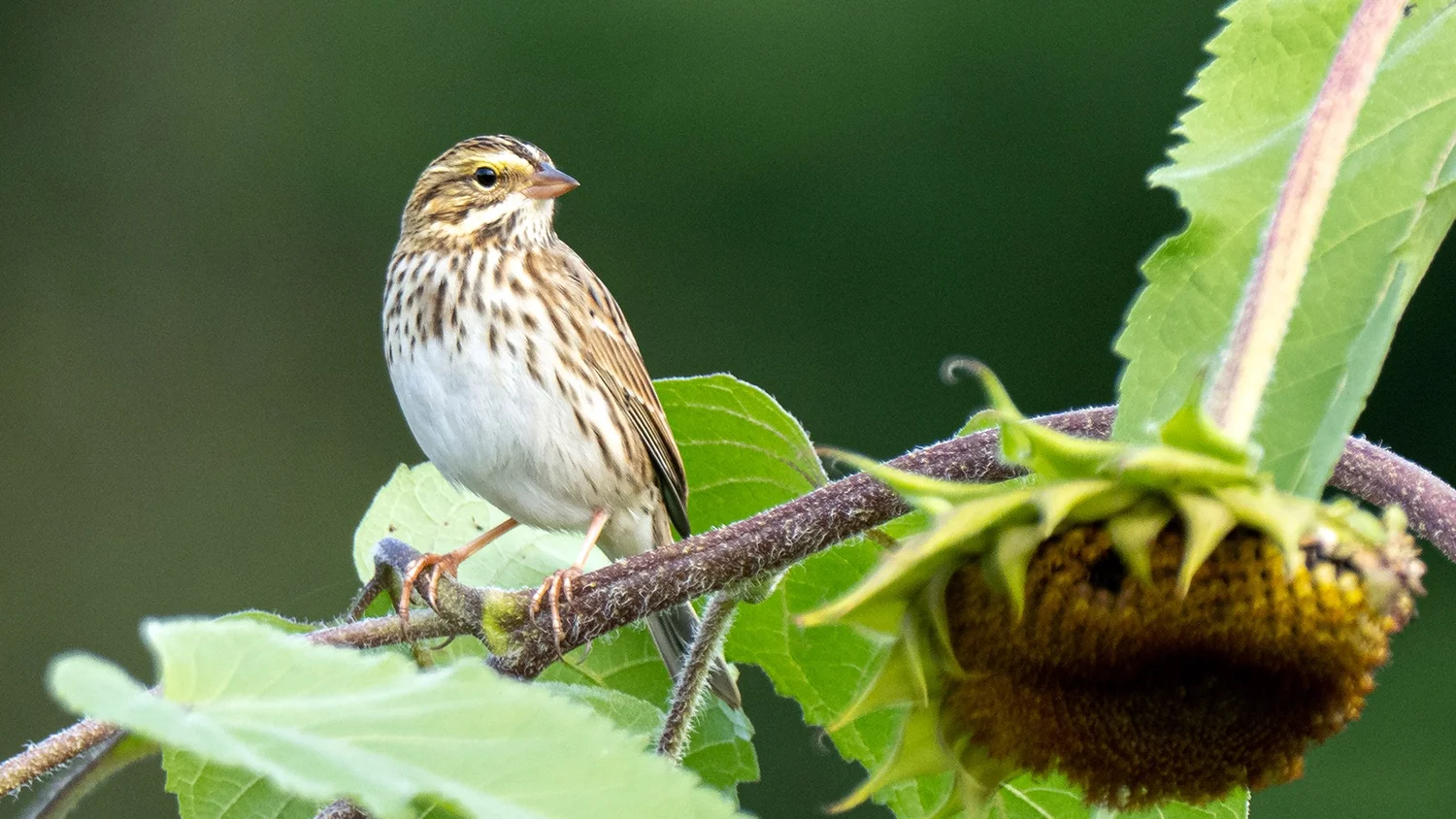
Credit: www.eastsideaudubon.org
Threats To Bird Habitats
Bird habitats face many threats that put their survival at risk. These dangers come from natural changes and human actions. Birds need safe places to live, find food, and raise their young. When their habitats are damaged, bird populations can drop quickly. Understanding these threats helps us protect birds better.
Habitat Loss And Deforestation
Cutting down forests removes the homes of many bird species. Trees provide shelter, nesting sites, and food sources. When forests shrink, birds lose these essential needs. Cities and farms often replace forests, leaving fewer safe spaces for birds. Habitat loss forces birds to move to new places, which may not be suitable for them.
Pollution And Climate Change
Pollution harms birds directly and changes their habitats. Chemicals in water and air can poison birds or reduce their food. Plastic waste can trap or be swallowed by birds, causing injury or death. Climate change shifts temperatures and weather patterns. Birds may find it harder to find food or breed at the right times. Some species may not survive these quick changes.
Invasive Species And Human Impact
Non-native animals and plants can disrupt bird habitats. Invasive species often compete with birds for food or destroy nesting sites. Cats, rats, and other predators brought by humans kill many birds. Human activities like building roads and loud noises scare birds away. These impacts make it harder for birds to thrive in their natural homes.
Conservation Efforts For Bird Homes
Bird habitats face many threats from human activity and climate change. Conservation efforts focus on protecting these homes to help bird populations survive and thrive. These efforts involve protecting natural spaces, restoring damaged areas, and educating people about birds and their needs.
Protected Areas And Reserves
Protected areas and reserves serve as safe zones for birds. These spaces prevent habitat loss by limiting development and pollution. They offer birds places to nest, feed, and rest. Many countries set aside forests, wetlands, and coastal areas as bird sanctuaries.
Such reserves often host rare or endangered species. Strict rules keep these habitats intact. Rangers and scientists monitor bird health and habitat conditions regularly. This protection helps maintain biodiversity and supports ecosystem balance.
Habitat Restoration Projects
Habitat restoration brings damaged ecosystems back to life. Projects focus on planting native trees, removing invasive plants, and cleaning polluted waters. These actions rebuild food sources and shelter for birds. Restoration helps connect isolated habitats, creating larger safe areas.
Restored habitats support breeding and migration. They also improve the overall environment for other wildlife. Many groups use science to track progress and adjust plans. Successful restoration can revive bird populations over time.
Community Involvement And Education
Communities play a key role in conserving bird homes. Local people learn how their actions impact birds and habitats. Education programs teach about bird species and their importance in nature. Schools, parks, and community centers often host these sessions.
Volunteers join habitat cleanups and tree planting events. They build birdhouses and monitor local bird populations. Public awareness leads to better care of natural spaces. Engaged communities help create lasting protection for birds and their homes.
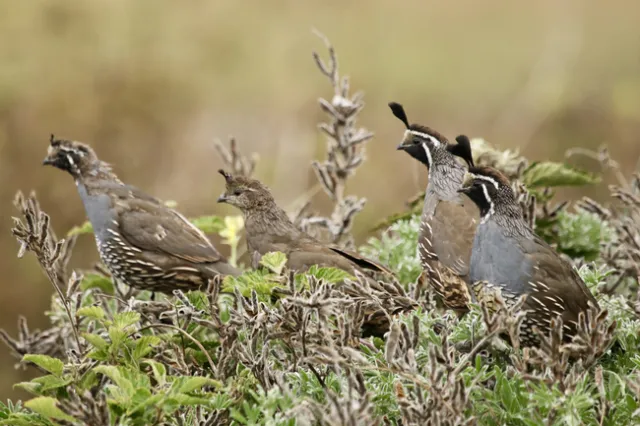
Credit: ucanr.edu
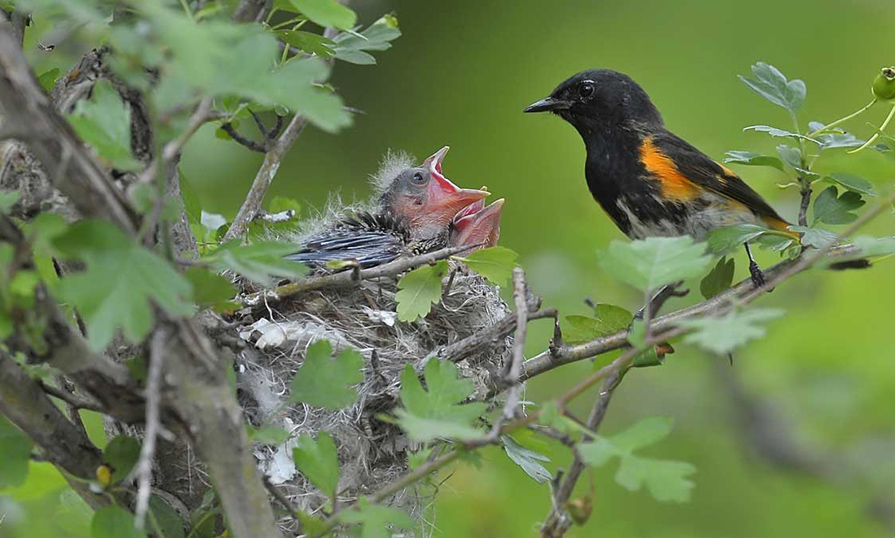
Credit: www.nscc.ca
Frequently Asked Questions
What Types Of Habitats Do Birds Live In?
Birds live in diverse habitats including forests, wetlands, grasslands, deserts, and urban areas. Each species adapts to specific environments for food, shelter, and breeding. Habitat choice depends on climate, vegetation, and food availability, ensuring survival and reproduction.
How Do Birds Choose Their Habitat?
Birds select habitats based on food supply, nesting sites, and safety from predators. Seasonal changes also influence habitat choice, with many birds migrating to find suitable conditions. Habitat quality directly affects their health and reproductive success.
Why Is Habitat Important For Bird Survival?
A suitable habitat provides birds with food, shelter, and breeding grounds essential for survival. Loss or degradation of habitats can lead to population decline and increased risk of extinction. Healthy habitats support biodiversity and ecological balance.
Can Birds Adapt To Urban Habitats?
Yes, many birds adapt to urban habitats by finding food in gardens, parks, and buildings. Some species thrive in cities due to abundant resources and fewer predators. Urban adaptation shows birds’ flexibility but may also pose challenges like pollution.
Conclusion
Birds live in many different places around the world. Some prefer forests, others like wetlands or deserts. Each bird finds a home that fits its needs. Habitats provide food, shelter, and safety. Protecting these places helps birds survive and thrive.
Understanding bird habitats helps us care for nature better. Every small action can make a big difference. Keep learning about birds and their homes. Nature depends on all living creatures, including birds.




