
If you find an injured wild bird, do not immediately give it food or water. The safest first step is to place it in a secure, ventilated box, keep it warm, dark, and quiet, and contact a licensed wildlife rehabilitator or avian veterinarian.
Food or water can enter a bird’s airway when it is weak, shocked, or unable to swallow normally. Handling it to feed can also increase stress or worsen an injury. Because the correct diet depends on the bird’s species, age, and condition, never force-feed, syringe-feed, or drip water into its beak unless a qualified professional specifically instructs you to.
This guide explains how to recognize an injured bird, what to do while arranging help, which foods and feeding methods to avoid, and when professional care is urgent.

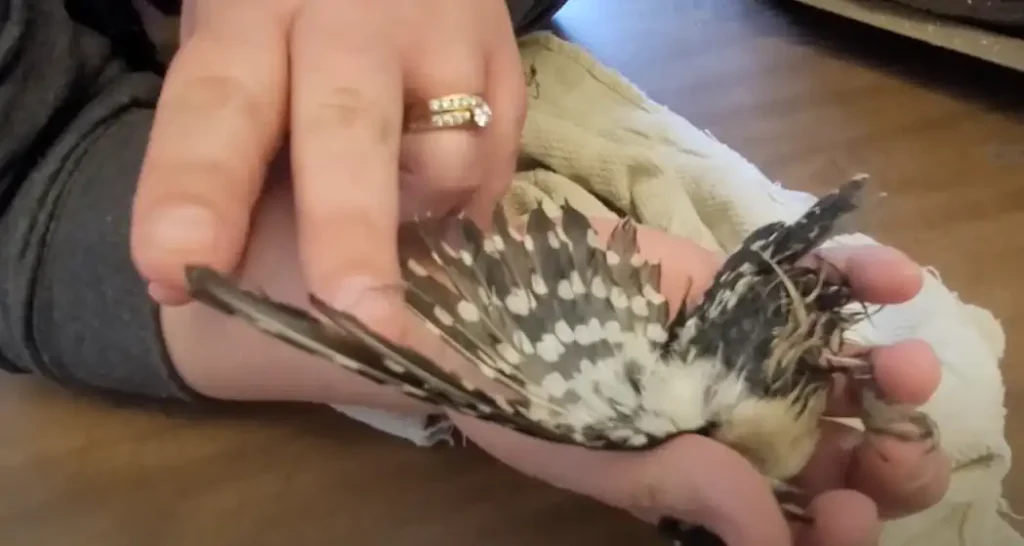
Credit: www.reddit.com
Signs Of An Injured Bird
Birds often hide pain and weakness, so an injured bird may not make its condition obvious. Observe from a short distance first. A bird on the ground is not always injured: a fully feathered fledgling may be learning to fly while its parent remains nearby. If the fledgling is alert, moving normally, and not in immediate danger, watch from a distance rather than taking it away. If it is in a road, near pets, or otherwise exposed, ask a wildlife professional how to move it safely.
A bird with an obvious injury, severe weakness, breathing trouble, or predator contact needs prompt advice from a wildlife professional. Avoid chasing it or repeatedly approaching it to confirm whether it is hurt.
Common Injuries To Watch For
- Broken, drooping, or visibly bent wings or legs
- Active bleeding, open wounds, or a wound caused by a cat or other animal
- Feathers missing, heavily ruffled, or uneven on one side
- Swelling or an unusual lump
- Difficulty standing, walking, or perching
- Closed, swollen, or injured eyes
- Breathing problems, gasping, or repeated open-mouth breathing
Behavioral Changes Indicating Distress
- Unusual stillness or an inability to move away
- Weakness, shaking, or repeated failed attempts to fly
- Hiding or remaining in one spot when approached
- Loss of balance or coordination
- Fluffed-up feathers that remain that way
- Unusual vocalizing or an unexpected lack of response
- Inability or reluctance to eat and drink independently
What To Do Before Feeding
For a wild injured bird, temporary stabilization is usually more important than feeding. If it is safe to do so, use a towel to place the bird in a small cardboard box with air holes and a soft towel or cloth on the bottom. A box is generally safer than a cage because it limits movement and reduces visual stress. Keep the box closed in a warm, dark, quiet location away from children and pets. Do not keep checking on it, play sounds, or attempt to make it fly.
Hold the wings close to the body without squeezing the chest. Birds need their chest to move freely for breathing. Wash your hands after handling the bird, and avoid unnecessary contact. Then contact a licensed wildlife rehabilitator, local wildlife authority, or veterinarian and follow its instructions.
Do not put food or a water dish inside the box unless the rehabilitator directs you to do so. A dish can spill, chill the bird, or create a drowning risk. Never pour water into the beak. If the bird is a pet rather than a wild bird, contact an avian veterinarian and follow the veterinarian’s instructions instead of using this wild-bird first-aid approach.
When you call, be ready to describe the bird, its location, visible injuries, whether a cat or other animal touched it, and whether it can stand or fly. Do not delay the call while trying different foods.
Basic Nutritional Needs
An injured bird does need appropriate nutrition during recovery, but the appropriate food depends on its species, age, injury, and ability to swallow. A seed-eating bird, insect-eating bird, nectar feeder, nestling, and raptor do not have the same dietary needs. A general list of human foods cannot provide a safe recovery diet for every bird.
Why Professional Guidance Matters
Protein, energy, vitamins, minerals, and fluids can all matter during healing, but providing one nutrient in isolation does not make a food suitable. A food that is acceptable for one species may be inappropriate for another. A bird that is cold, shocked, unconscious, or neurologically impaired may also inhale food or liquid into its lungs.
Do not interpret an injured bird’s refusal to eat as a reason to force-feed it. Tell the rehabilitator what the bird looks like, where you found it, whether it was attacked, and whether it can stand or fly. This information helps the professional decide whether and how it should be fed.
Hydration Importance
Hydration is important, but offering water directly is not automatically safe. A weak bird may inhale droplets, and a bird with a head or breathing injury may be at particular risk. Do not use a syringe, dropper, or other tool to place water in the mouth unless a qualified wildlife professional gives you specific instructions.
Keep the bird protected from drafts and unnecessary handling while help is arranged. A rehabilitator may recommend a shallow dish in specific circumstances, but follow professional directions rather than assuming that every injured bird can drink safely.
Safe Food Options
The safest answer to “what should I feed an injured wild bird?” is usually: nothing until a rehabilitator advises you. The food examples below are not a universal emergency diet. They show why species identification and professional guidance are necessary.
Seeds And Grains
Seeds and grains may suit some seed-eating birds, but an injured bird may be unable to crack, swallow, or digest them safely. Do not place millet, canary grass seed, cooked rice, oats, or other food in the bird’s mouth. If a rehabilitator identifies the bird and recommends one of these foods, follow the preparation and quantity instructions provided. Never use salted, seasoned, or flavored grains.
Fruits And Vegetables
Soft fruits and vegetables can be part of some birds’ diets, but they are not a safe default for every species or injury. A banana, berry, pea, or corn kernel should not be offered simply because it is soft. Chopping food does not remove the risk of aspiration or make an unsuitable diet appropriate. Ask a professional before offering produce.
Protein Sources
Some birds eat insects, while others need different sources of protein. Mealworms and cooked egg may be appropriate in particular rehabilitation plans, but they should not be given automatically to an unidentified or seriously injured bird. Never push food into the beak or attempt to open it by force. The immediate priority is safe transport and expert assessment.

Credit: www.youtube.com
Avoiding Harmful Foods
Even when a bird appears hungry, household foods are not a safe treatment. More importantly, attempting to feed can cause aspiration and delay professional care. Keep the bird away from all food and liquids until you receive species-specific instructions.
Toxic Foods For Birds
Never offer common bird hazards such as:
- Avocado
- Chocolate
- Caffeine-containing drinks or foods
- Alcohol
- Onions and garlic
- Salty snacks and heavily salted foods
- Fruit pits or other unsuitable seeds
Do not assume that a small quantity is harmless. If the bird has already eaten something potentially toxic, tell the rehabilitator or veterinarian exactly what it consumed and approximately when.
Foods That Can Cause Digestive Issues
Avoid dairy products, spicy or seasoned foods, raw beans, fatty or fried foods, and processed human snacks. Bread is not a treatment and should not be used to “soak up” an injury. Keep a record of anything offered so the professional receiving the bird has accurate information.
Feeding Techniques
For an injured wild bird, the safest feeding technique is not to hand-feed it before professional advice. A frightened or weakened bird can struggle, inhale food, or suffer additional injury during restraint. Avoid holding the bird firmly around the body, since pressure on the chest can interfere with breathing.
Hand-feeding Tips
Do not hold the beak open, place food on the tongue, or push food into the throat. Do not warm food and offer it simply because it seems easier to swallow. If a rehabilitator instructs you to provide food while you wait, ask for clear directions about the food, amount, temperature, timing, and how to stop safely. Stop immediately if the bird coughs, struggles, breathes abnormally, or becomes more distressed.
Using Feeding Tools Safely
Syringes and droppers can be dangerous in untrained hands because they may deliver liquid too quickly and cause aspiration. Do not use them to force water or formula into a wild bird’s mouth. If a professional gives you a specific feeding plan, use only the tool and method recommended, and ask what to do if the bird will not swallow. Following instructions is safer than improvising.
When To Seek Veterinary Care
Contact a wildlife rehabilitator or avian veterinarian as soon as possible for any bird with an obvious injury. Immediate professional guidance is especially important when the bird is bleeding, cannot stand, has a broken bone, has labored breathing, or has been caught by a cat. Cat contact can require prompt treatment even when there is little visible damage.
Signs That Require Professional Help
- Heavy or continuing bleeding
- Deep, open, or contaminated wounds
- Suspected broken bones or a wing held at an abnormal angle
- Inability to stand, perch, or use a wing
- Labored, irregular, or open-mouth breathing
- Seizures, severe loss of coordination, or extreme lethargy
- Inability to respond or remain upright
- Any contact with a cat or other predator
Do not wait to see whether food or water improves these signs. Keep the bird contained, quiet, and warm while arranging transport. If there is active bleeding, ask the professional how to manage it; do not apply household ointments or attempt to set a broken bone.
Working With Wildlife Rehabilitators
Wildlife rehabilitators understand species-specific diets, safe restraint, hydration, and recovery. They can tell you whether the bird should be transported immediately, whether it is actually a fledgling, and what—if anything—it can safely receive while waiting.
When you call, provide the location, time found, visible injuries, possible predator contact, and a description of the bird. Keep pets and people away from the box. The best temporary care is often minimal handling and a calm, protected environment until trained help takes over.
Credit: www.earthofbirds.com
Frequently Asked Questions
What Is The Best Food For An Injured Bird?
Usually, do not feed an injured wild bird before speaking with a wildlife rehabilitator. The correct food varies by species and condition, and force-feeding can cause aspiration. Ask a professional before offering seeds, fruit, insects, egg, or any other food.
How Often Should I Feed An Injured Bird?
Do not follow a fixed schedule such as feeding every two or three hours unless a qualified professional has given you that plan. A bird’s age, species, injury, and ability to swallow determine whether feeding is appropriate. Keep it quiet and seek instructions instead.
Can I Give Water Directly To An Injured Bird?
Do not pour or drip water into the beak, and do not use a syringe without professional instruction. A bird can inhale liquid and develop a serious problem. Ask the rehabilitator whether a shallow dish is appropriate for that individual bird.
Should I Avoid Certain Foods For Injured Birds?
Yes. Avoid avocado, chocolate, caffeine, alcohol, onions, garlic, salty foods, dairy, fried foods, seasoned foods, and processed snacks. However, the main precaution is to avoid offering food at all until a rehabilitator provides species-specific advice.
Conclusion
Helping an injured bird does not usually begin with feeding. Place it carefully in a ventilated box, keep it warm, dark, and quiet, avoid unnecessary handling, and contact a licensed wildlife rehabilitator or avian veterinarian. Do not force food or water into its beak, because aspiration and stress can make the situation worse.
Once a professional identifies the bird and assesses its condition, follow the recommended diet and feeding method precisely. Avoid toxic and processed foods, and never rely on a generic feeding schedule. Prompt expert help and calm temporary care give the bird a safer chance of recovery.




