
Have you noticed a bird’s nest on your house and aren’t sure what to do next? While it might seem harmless, a bird nest can cause damage or create a mess if left unattended.
You want to protect your home without harming the birds. But how can you remove the nest safely and effectively? You’ll discover simple, practical steps to handle the situation the right way. Keep reading to learn exactly what to do so you can keep your home safe and clean—without stress or hassle.

Credit: www.callnorthwest.com
Reasons To Remove Bird Nests
Bird nests may seem harmless, but they can cause several problems. Removing nests from your house keeps you safe and protects your property. Knowing the reasons helps you act wisely and timely.
Health Risks
Bird nests carry germs and parasites. These can cause allergies and diseases for people nearby. Bird droppings may contain harmful bacteria. Dust from nests can trigger asthma or breathing issues. Removing nests reduces these health hazards.
Property Damage
Nests can damage roofs, gutters, and walls. Birds often use mud and twigs, which block drainage systems. This can cause water leaks and rot. Nests may also attract other pests like insects. Clearing nests prevents costly repairs and keeps your home safe.
Legal Considerations
Some birds and their nests are protected by law. Removing nests during breeding season may be illegal. Check local rules before taking action. Following laws avoids fines and protects wildlife. Always seek advice if unsure about nest removal.
Best Time To Remove Nests
Choosing the right time to remove a bird nest is crucial for both the birds and your home. Removing nests at the wrong time can harm baby birds or cause legal issues. Timing ensures safety and effectiveness in nest removal. Understanding bird breeding cycles and nest conditions helps decide the best moment to act.
Breeding Seasons To Avoid
Birds build nests mainly in spring and early summer. This is their breeding season. Removing nests during this time can destroy eggs or chicks. Many birds are protected by law during breeding. Disturbing nests now can lead to fines or penalties. Wait until birds finish raising their young. This usually means late summer or early fall. At this time, nests are empty and safe to remove.
Signs Of Abandoned Nests
Check nests carefully before removal. Look for signs that no birds live there anymore. An abandoned nest is dry and brittle. It has no fresh feathers or droppings around. No bird activity near the nest means it is empty. Birds do not return to old nests after breeding. Removing abandoned nests helps keep your home clean without harming birds.
Tools And Materials Needed
Removing a bird nest from your house requires some basic tools and materials. These items help you work safely and cleanly. Proper preparation makes the task easier and prevents damage. Gather everything before starting.
Protective Gear
- Gloves to protect your hands from dirt and germs
- A face mask to avoid breathing dust or droppings
- Safety glasses to shield your eyes from debris
- Long sleeves and pants to cover your skin
Cleaning Supplies
- A disinfectant spray to kill bacteria and germs
- Paper towels or rags for wiping and cleaning
- A trash bag to collect nest materials and debris
- A brush or broom to sweep the area
Removal Tools
- A ladder to reach nests located high on walls or roofs
- A scraper or putty knife to gently detach the nest
- A bucket to hold removed nest parts safely
- A flashlight to see clearly in dark corners

Credit: www.angi.com
Step-by-step Removal Process
Removing a bird nest from your house requires care and patience. Follow each step carefully to keep yourself and the birds safe. This process helps avoid damage to your home and respects wildlife rules.
Preparing The Area
Clear the space around the nest. Remove obstacles and cover nearby plants or furniture with a tarp. Wear old clothes and gloves to protect yourself from dirt and germs. Check local laws about removing nests, as some birds are protected. Choose a time when birds are not present to avoid harm.
Safe Nest Removal
Use a ladder safely if the nest is high. Gently take the nest off its place without breaking it apart. Avoid shaking or dropping the nest to keep debris contained. Place the nest in a sturdy bag or box to prevent mess. Wash your hands and tools after removal to stay clean.
Disposal Methods
Dispose of the nest properly to prevent pests. You can:
- Seal it in a plastic bag and throw it in the trash.
- Burn it if local rules allow safe burning.
- Compost it if it does not contain harmful materials.
Do not leave the nest outside to avoid attracting other animals. Clean the area where the nest was to remove any leftover materials or droppings.
Preventing Future Nesting
Preventing birds from nesting on your house saves time and avoids damage. Taking simple steps stops birds from returning. These actions keep your home safe and clean. Regular care is key to long-term success.
Seal Entry Points
Birds enter through small holes or gaps. Close all openings around vents, eaves, and roofs. Use wire mesh or caulk to block spaces. Make sure no gaps remain for birds to squeeze in. This stops birds from building nests inside walls or attics.
Use Deterrents
Birds dislike certain sights and sounds. Hang shiny objects like aluminum foil strips or old CDs near nesting spots. Place fake predators such as plastic owls or snakes nearby. Install sound devices that emit bird distress calls. These scare birds away and make nesting less inviting.
Maintain Regular Inspections
Check your home often for early signs of nesting. Look under roofs, gutters, and window ledges. Remove twigs and leaves before birds build nests. Frequent checks stop nests from growing and becoming a bigger problem. Regular upkeep keeps birds from settling long-term.
When To Call A Professional
Call a professional if the bird nest is hard to reach or near electrical wires. Experts ensure safe removal without harming the birds or your property. They also handle situations where the nest is occupied by protected bird species.
Removing a bird’s nest from your house can be a challenging task, especially when you’re dealing with certain complications. While some nests are easy to handle, others may require a professional touch to ensure both your safety and that of the birds. Understanding when to call in an expert can save you time, stress, and potential legal trouble.Large Or Hard-to-reach Nests
If the nest is located in a precarious or inaccessible area, such as high up on a chimney or deep within a gutter, it’s safer to call a professional. Climbing ladders or accessing rooftops without proper equipment can lead to accidents. Professionals have the right tools and experience to safely remove nests from these tricky spots, keeping you out of harm’s way.Protected Bird Species
Did you know that some birds are protected by law? In many areas, it is illegal to disturb certain species’ nests. If you suspect the birds nesting on your property are protected, a professional can identify the species and ensure compliance with local wildlife regulations. They can also suggest alternative solutions that respect the birds’ legal protections.Persistent Nesting Problems
Have the birds returned even after you’ve removed their nest multiple times? Persistent nesting can be frustrating and may indicate a more significant issue with your property as a nesting site. Professionals can assess the situation, offering long-term solutions that prevent future nesting, such as installing deterrents or modifying the environment to make it less appealing to birds. By considering these scenarios, you can make an informed decision about when to call in the experts. Is your situation more complex than a simple nest removal? Remember, professionals are there to help ensure both your safety and the well-being of our feathered friends.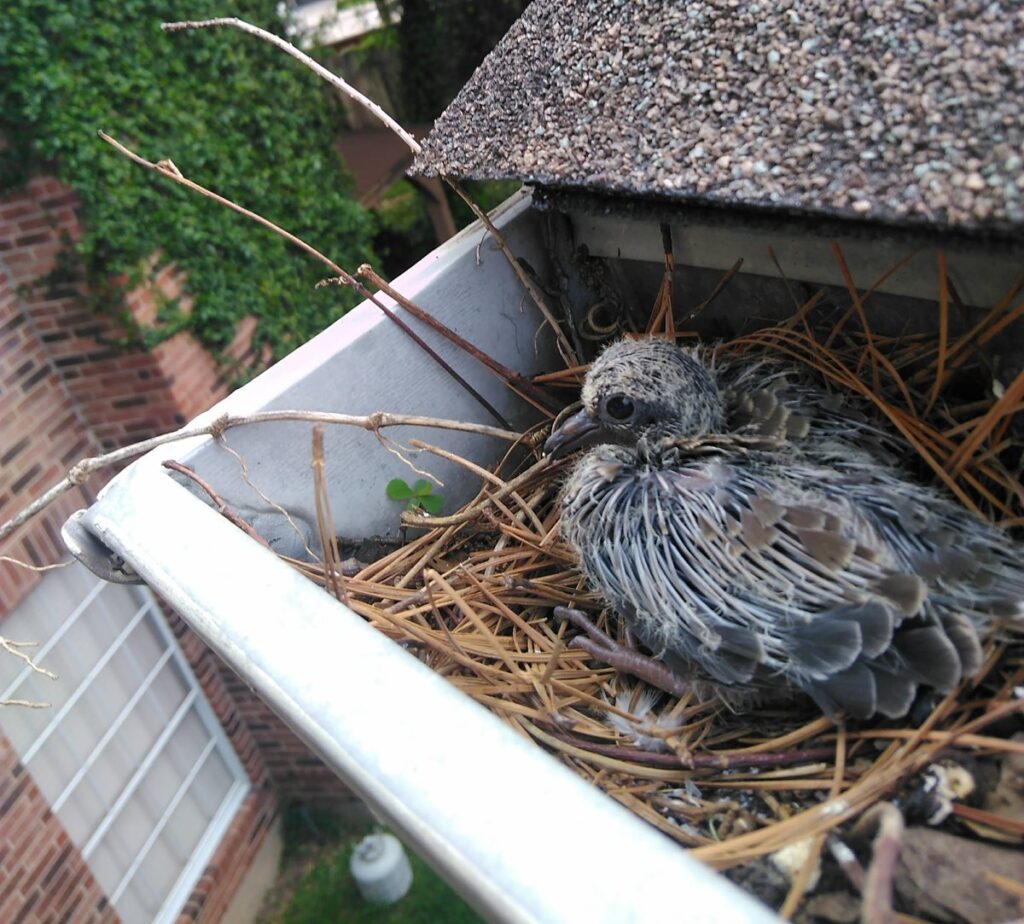
Credit: www.crittercontrol.com
Frequently Asked Questions
How Can I Safely Remove A Bird Nest?
Wear gloves and a mask for protection. Remove the nest gently to avoid harming birds. Check local wildlife laws before removal to ensure compliance.
When Is The Best Time To Remove A Bird Nest?
The best time is after breeding season when nests are empty. This avoids disturbing eggs or chicks. Typically, late summer or early fall is ideal.
What Tools Do I Need To Remove A Bird Nest?
Use gloves, a mask, a ladder, and a plastic bag. A scraper helps remove nests stuck to surfaces. Always prioritize safety and cleanliness.
Can I Prevent Birds From Nesting On My House?
Yes, install bird spikes or netting on ledges. Seal entry points and regularly clean surfaces. These methods discourage birds from building nests nearby.
Conclusion
Removing a bird nest from your house takes care and patience. Always check local rules before you start. Wait until the birds have left the nest. Use gentle tools to avoid damage. Clean the area well afterward to stop birds from returning.
Keep your home safe and clean with regular checks. Taking small steps helps protect both your home and the birds. Stay calm and be careful throughout the process. This way, you keep your house bird-free without harm.




