
Are raccoons turning your peaceful bird feeding spot into a nightly mess? If you love watching birds but hate dealing with raccoons stealing the food and causing chaos, you’re not alone.
Keeping raccoons away from your bird feeder can be tricky, but with the right tips, you can protect your feeder and enjoy the birds without interruption. You’ll discover simple, effective ways to keep those clever raccoons out—so your feathered friends get the food, not the unwanted visitors.
Keep reading to find out how to reclaim your bird feeder and create a safe haven for your favorite birds.
Credit: www.callnorthwest.com
Why Raccoons Visit Bird Feeders
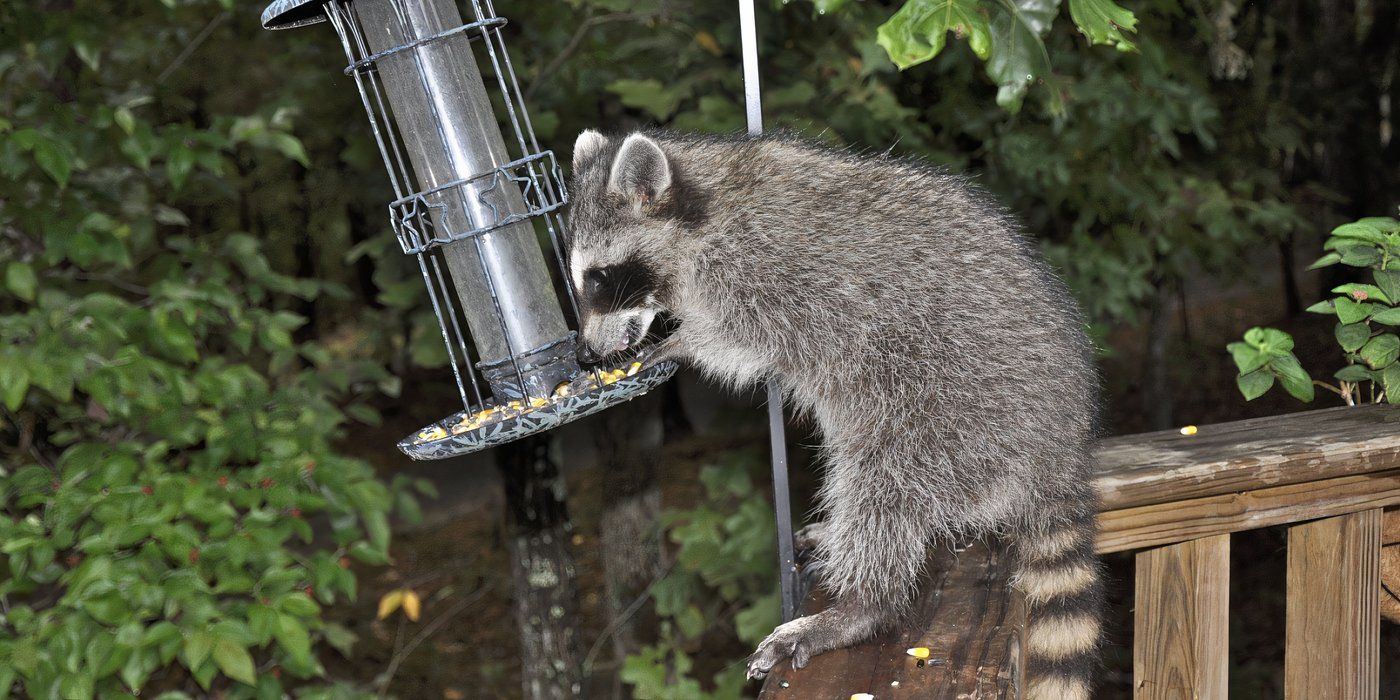
Raccoons often visit bird feeders because they find an easy food source there. The seeds and nuts attract them, providing quick energy. These animals are clever and can open many types of feeders. Understanding why raccoons come to feeders helps in keeping them away.
Attractants For Raccoons
Bird feeders offer food that raccoons like. Seeds, nuts, and suet are tasty to them. Spilled seeds on the ground also attract raccoons. The smell of bird food can draw them from far away. Water nearby can make the spot even more appealing.
Common Feeding Times
Raccoons are mostly active at night. They visit feeders after dark when it is quiet. Sometimes they come early in the morning. Their visits often happen when people are not around. Knowing their feeding times helps in protecting your feeder.

Credit: aproductivehousehold.com
Choosing The Right Feeder
Choosing the right bird feeder plays a key role in keeping raccoons away. A well-designed feeder can stop raccoons from reaching the food. It also makes feeding birds easier and safer. Picking feeders that are hard for raccoons to access helps protect your garden and bird friends.
Raccoon-proof Feeder Designs
Feeders with weight-sensitive perches close when heavy animals land on them. This feature blocks raccoons but lets small birds feed freely. Tube feeders with small feeding ports limit access to bird-sized beaks only. Some feeders hang on thin poles with baffles above or below to stop climbing. Enclosed feeders with cages keep raccoons from grabbing seeds.
Material And Placement Tips
- Choose sturdy metal or thick plastic feeders that raccoons cannot chew.
- Avoid wooden feeders as raccoons can damage them easily.
- Place feeders on poles at least 5 feet tall with a baffle below.
- Keep feeders away from trees or fences that raccoons can jump from.
- Use smooth poles to prevent climbing.
- Clear area around feeders to reduce hiding spots for raccoons.
Safe Feeder Placement
Safe feeder placement plays a key role in keeping raccoons away from your bird feeder. Choosing the right spot and setup can stop raccoons from reaching the food. It also keeps birds safe and happy.
Placing feeders carefully makes it harder for raccoons to jump or climb to them. A good location also helps protect the feeder from damage and mess. Think about height, nearby objects, and support structures to create a secure feeding area.
Height And Distance From Trees
Place the feeder at least 5 feet above the ground. Raccoons are good climbers but struggle with high, open spots. Keep the feeder at least 10 feet away from trees and other structures. This distance stops raccoons from jumping onto the feeder from branches or roofs.
Clear space around the feeder makes it harder for raccoons to reach. Avoid placing feeders near fences or walls they can climb. Open areas give birds a safe feeding zone without raccoon threats.
Using Poles And Baffles
Mount the feeder on a tall, smooth pole. Raccoons find it tough to climb poles without grip. Add a metal or plastic baffle below the feeder. Baffles block raccoons from climbing up the pole to the food.
Baffles come in dome or cone shapes. They create a slippery barrier raccoons cannot cross. Secure the baffle well so raccoons cannot push it aside. Poles and baffles combined create an effective defense against raccoon raids.
Credit: www.backyardboss.net
Deterrent Methods
Keeping raccoons away from bird feeders needs smart deterrent methods. These methods stop raccoons without harming them or the birds. Using a mix of options often works best. Choose what fits your setup and local wildlife.
Natural Repellents
Natural repellents use smells or tastes raccoons dislike. Spread strong scents near the feeder. Common choices include:
- Garlic or onion powder
- Hot pepper flakes or spray
- Vinegar-soaked rags
These repellents keep raccoons away without chemicals. Refresh them often for best results. Place repellents around the feeder base and nearby plants.
Motion-activated Devices
Motion-activated devices startle raccoons when they come close. These tools include:
- Sprinklers that spray water
- Ultrasonic sound emitters
- Alarm lights that flash
They work by surprising raccoons and making the area uncomfortable. These devices need batteries or electricity. Test them regularly to keep them effective.
Lights And Sounds
Lights and sounds create an uneasy space for raccoons. Bright lights near feeders can scare them at night. Use solar-powered or battery-operated lights for convenience.
Sounds like radios or nature noise machines help too. Play them quietly to avoid disturbing birds. Change sound types often to prevent raccoons from getting used to them.
Maintaining A Clean Feeding Area
Maintaining a clean feeding area is essential to keep raccoons away from your bird feeder. A tidy space reduces food spills and minimizes attraction for unwanted visitors. Cleanliness also helps keep birds healthy and encourages them to visit more often.
Removing Spilled Seeds
Spilled seeds on the ground attract raccoons and other pests. Regularly sweep or rake the area around the feeder. Use a small brush or hand broom to collect leftover seeds. Dispose of the seeds away from your yard to prevent raccoons from finding them.
Regular Cleaning Routine
Establish a cleaning schedule for your bird feeder and surrounding area. Wash the feeder with warm soapy water every two weeks. Rinse it well to remove all soap residue. Clean bird droppings, mold, and dirt promptly. A clean feeder discourages raccoons and keeps birds safe.
Alternative Feeding Strategies
Consider using squirrel-proof bird feeders with weight-sensitive perches. Hang feeders on thin wires or poles to deter raccoons. Install baffles or covers above and below feeders to prevent climbing.
If you’ve ever watched a raccoon expertly pilfer seeds from your bird feeder, you’re not alone. These clever creatures have a knack for raiding feeders, leaving bird enthusiasts frustrated. However, by adopting alternative feeding strategies, you can keep these bandits at bay while still enjoying the beauty of birdwatching. Let’s explore some practical approaches that ensure both birds and raccoons are satisfied, but not at the expense of each other.Providing Separate Food For Raccoons
Consider setting up a separate feeding station specifically for raccoons. This might sound counterintuitive, but offering them their own supply can deter them from raiding your bird feeders. You can provide foods raccoons love, like fruits and nuts, in an area away from the birds. This not only keeps them occupied but also reduces their interest in the bird feeder. Position the raccoon feeding area at a distance and perhaps shielded by bushes, ensuring it’s not easily visible from the bird feeders. Have you ever thought about how a simple diversion could ease your feeder woes?Timing Feeder Refills
Timing is everything, even when it comes to feeding wildlife. Raccoons are primarily nocturnal, making nighttime the peak time for their mischief. By refilling bird feeders in the morning, you ensure that birds can feast during the day, leaving little for raccoons by nightfall. Have you noticed that when you adjust feeding times, the visits from raccoons lessen? This method requires a bit of routine adjustment, but it can be highly effective. Create a morning ritual of checking and refilling your feeders, and watch as your feathered friends enjoy a raccoon-free meal.Frequently Asked Questions
How Do Raccoons Get Into Bird Feeders?
Raccoons climb poles or hang from branches to reach feeders. They are strong and clever, able to open simple feeders easily.
What Bird Feeder Types Deter Raccoons Best?
Metal pole-mounted feeders with baffles work well. Tube feeders with weight-sensitive perches can also prevent raccoon access.
Can Raccoon-proof Feeders Harm Birds?
No, raccoon-proof feeders are designed to keep raccoons out while allowing birds to feed safely and comfortably.
How Can I Make My Bird Feeder Raccoon-resistant?
Use baffles, place feeders away from trees, and pick feeders with weight-activated mechanisms to keep raccoons away effectively.
Conclusion
Keeping raccoons away from your bird feeder takes patience and care. Use strong feeders and place them in open spots. Clean up spilled seeds to avoid attracting raccoons. Try adding baffles or hanging feeders from thin wires. Stay consistent with these steps.
Enjoy watching birds without raccoon trouble. Your garden will stay peaceful and full of life. Small changes make a big difference over time. Protect your feeders and welcome more birds.




