
Have you ever wondered what secrets your backyard birds are hiding? Imagine watching their every move up close without disturbing them.
Bird feeder cameras promise just that—a front-row seat to nature’s most charming visitors. But are these gadgets really worth your time and money? If you want to capture stunning bird moments and learn more about your feathered friends, keep reading.
By the end of this article, you’ll know exactly if a bird feeder camera is the right choice for you.
Benefits Of Bird Feeder Cameras
Bird feeder cameras offer more than just a way to watch birds; they transform your bird-watching routine into an interactive and insightful experience. By placing a camera right where birds gather, you gain a front-row seat to their world without disturbing their natural behavior. This technology helps you connect with nature on a deeper level while providing valuable information for bird enthusiasts and casual observers alike.
Enhancing Bird Watching Experience
With a bird feeder camera, you don’t have to rely on quick glimpses or guess what species visited. You can watch birds up close and in real-time from the comfort of your home. This allows you to observe details like feather patterns and feeding habits that are often missed with the naked eye.
Imagine spotting a vibrant finch or a curious chickadee right on your screen, anytime you want. It turns bird watching into an everyday joy rather than a rare event.
Capturing Rare Bird Species
Bird feeder cameras increase your chances of capturing images or videos of rare or shy species that might otherwise go unnoticed. These cameras work quietly and unobtrusively, so birds feel safe enough to visit regularly.
Have you ever wondered what rare birds might be stopping by your yard while you’re away? A camera keeps watch for you and stores those special moments to revisit later or share with fellow bird lovers.
Monitoring Bird Behavior
Watching birds through a feeder camera lets you notice interesting behaviors like nesting, feeding patterns, or interactions between species. This insight can help you understand how birds adapt to seasons or changes in their environment.
For instance, you might see how different birds compete for food or how they care for their young. Such observations can deepen your appreciation and knowledge of local wildlife.
Educational Opportunities
Bird feeder cameras provide a valuable learning tool for both kids and adults. You can use the live footage to teach about bird species, migration, and ecology in a hands-on way.
Sharing these real-time experiences with family or students makes lessons more engaging and memorable. Could this be the spark that inspires a lifelong passion for nature in someone close to you?

Credit: www.amazon.com
Features To Look For
Choosing the right bird feeder camera means focusing on features that truly enhance your birdwatching experience. Some aspects are more important than others depending on how you plan to use the camera. Knowing what to look for helps you avoid wasting money on unnecessary extras or missing out on key functions.
Camera Resolution And Quality
High resolution matters because it captures crisp, detailed images of birds. A camera with at least 1080p resolution will let you see fine details like feather patterns and colors clearly.
Good image quality also depends on the lens and sensor, not just pixels. If you want to identify species or catch unique moments, investing in quality optics pays off.
Night Vision Capabilities
Bird activity doesn’t stop at dusk, and neither should your camera. Night vision lets you observe nocturnal visitors or catch early morning feeders in low light.
Look for cameras with infrared LEDs that provide clear black-and-white images without disturbing wildlife. Are you curious about what happens at your feeder after dark? This feature answers that question.
Motion Detection And Alerts
Motion sensors trigger recording or send alerts right when birds arrive. This saves storage space and battery life by avoiding continuous filming.
Some cameras allow you to customize sensitivity to avoid false alarms from wind or passing cars. Imagine being notified instantly when a rare bird stops by—how exciting would that be?
Durability And Weather Resistance
Your camera needs to withstand rain, wind, and temperature changes. Look for models with waterproof or weatherproof ratings like IP65 or higher.
Durable materials and sturdy mounts ensure the camera stays in place and functions over time. Have you ever had outdoor gear fail just when you needed it most? Choosing a tough camera prevents that frustration.
Setting Up Bird Feeder Cameras
Setting up bird feeder cameras takes some planning and care. The right setup makes your bird watching clear and exciting. Place the camera where it can capture birds without scaring them. Adjust settings for the best picture quality and performance. Small steps in setup bring great results.
Choosing The Best Location
Pick a spot near the feeder but not too close. The camera should see birds from a good angle. Avoid places with too much sun or strong wind. Look for a quiet area where birds feel safe. Check the background for clutter; a simple view helps focus on the birds.
Installation Tips
- Mount the camera firmly to avoid shaking in the wind.
- Use a weatherproof case if the camera is outside.
- Place the camera at bird eye level for better shots.
- Hide wires or use wireless models to keep it neat.
- Test the camera view before securing it fully.
Optimizing Camera Settings
Set the camera to capture clear and sharp images. Use motion detection to save battery and storage. Adjust sensitivity to avoid false triggers from leaves or shadows. Choose a high enough resolution to see details but not too large to fill memory fast. Select daylight or night mode based on lighting conditions.
Comparing Costs And Value
Deciding whether a bird feeder camera is worth it often comes down to comparing the costs with the value you expect to get. These devices range widely in price and features, so understanding what you pay for can help you make a smart choice. Let’s break down the price ranges and consider the long-term benefits versus the initial investment.
Price Ranges And Budget Options
Bird feeder cameras can cost anywhere from under $50 to several hundred dollars. Basic models usually offer simple video recording or photos with limited resolution and storage options. If you want features like live streaming, motion detection, or night vision, expect to pay more.
Budget options might seem tempting, but they sometimes lack durability or clear images. I once bought a low-cost camera that stopped working after a few months of weather exposure. On the other hand, mid-range cameras often balance price with better quality and reliability.
- Basic cameras: $30 – $70, good for casual bird watchers
- Mid-range cameras: $70 – $150, better image quality and features
- High-end cameras: $150 and up, advanced features and durability
Long-term Benefits Vs. Investment
Think about how often you’ll use the camera and what you want from it. A quality bird feeder camera can provide hours of enjoyment and learning, capturing rare bird visits you might otherwise miss. This adds value beyond just the price tag.
Consider maintenance costs and potential upgrades too. A cheaper camera might require replacement sooner, adding to your expenses. A more expensive, durable model could save you money and frustration over time.
Ask yourself: will this camera deepen your connection with nature enough to justify the cost? If you enjoy sharing your footage or educating others, the value multiplies. Your investment should match the experience you’re aiming for.
Common Challenges And Solutions
Using a bird feeder camera can be incredibly rewarding, but it comes with its own set of challenges. These obstacles range from technical glitches to ensuring the birds remain comfortable around your equipment. Understanding common problems and practical solutions will help you get the most from your bird-watching experience without unnecessary frustration.
Dealing With Technical Issues
Bird feeder cameras often face problems like connectivity drops, poor image quality, or battery failures. You can reduce these by choosing cameras with strong Wi-Fi support and weatherproof features. Regularly checking your camera’s settings and firmware updates can prevent many glitches before they start.
If your camera struggles with low light, try adding a small, bird-safe light nearby. This will improve footage without scaring the birds away. Have you noticed your camera freezing or lagging during peak bird activity? Switching to a model with faster processing speeds can make a big difference.
Avoiding Disturbance To Birds
Your goal is to observe, not interrupt. Placing the camera too close or moving it frequently can stress birds and reduce visits. Position the camera at a respectful distance and use camouflage or natural cover to blend it into the environment.
Also, avoid bright lights or loud sounds near your feeder. Birds are sensitive to sudden changes, and a little discomfort can send them flying. Have you thought about how your presence during setup might affect their behavior? Setting the camera up when birds are less active helps them adjust faster.
Maintaining Camera Equipment
Outdoor cameras are exposed to dirt, rain, and bird droppings, which can quickly degrade image quality. Wipe lenses regularly with a soft cloth and use protective covers during bad weather. Keeping batteries charged or swapping them out before they die ensures uninterrupted recording.
Schedule monthly checks for any loose mounts or corrosion on connectors. Small maintenance steps save you from expensive repairs or replacements later. How often do you inspect your equipment? Staying proactive makes your bird feeder camera a reliable companion for every season.

Credit: www.ebay.com
User Experiences And Testimonials
Bird feeder cameras offer a unique way to observe wildlife closely. Users rave about capturing stunning bird images effortlessly. Testimonials highlight the joy of seeing unexpected visitors up close.
User experiences and testimonials can provide valuable insights into the true worth of bird feeder cameras. These firsthand accounts reveal the joys and challenges faced by users, offering a real-world perspective. Let’s dive into some compelling stories and lessons learned from those who have ventured into the world of bird watching with cameras.Success Stories
Many users have shared heartwarming tales of unexpected bird sightings captured with their feeder cameras. One user recounted how they spotted a rare bird species that hadn’t been seen in their area for decades. This thrilling experience sparked a newfound interest in local birdwatching communities. Bird feeder cameras have also strengthened family bonds. A family shared how setting up the camera became a collective weekend project, bringing everyone together. Watching the captured footage later sparked curiosity and conversation among them, deepening their appreciation for nature.Lessons Learned
Users often highlight the importance of camera placement. One common lesson is ensuring the feeder camera is positioned to capture the best angles without obstructions. A user noted that a slight adjustment in their camera’s angle dramatically improved the quality of their bird footage. Another lesson revolves around patience. Some users initially felt frustrated when birds didn’t immediately flock to their feeders. It takes time for birds to trust a new feeder, especially one with a camera. The key is persistence and perhaps experimenting with different types of bird feed to attract a variety of species. Have you considered the potential challenges of setting up your own bird feeder camera? Understanding these user experiences might just help you avoid common pitfalls and make the most of your birdwatching adventure.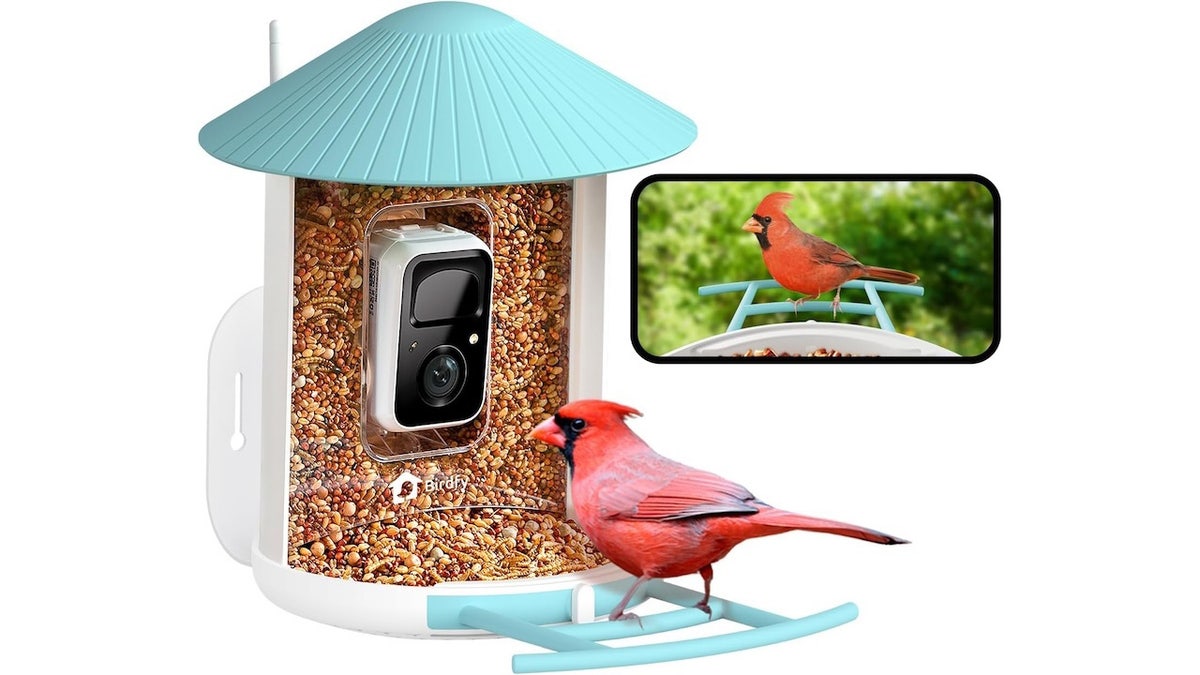
Credit: www.foxnews.com
Frequently Asked Questions
What Are The Main Benefits Of Bird Feeder Cameras?
Bird feeder cameras allow close-up views of birds without disturbance. They help identify species and capture unique bird behaviors. These cameras also provide educational and entertainment value for bird watchers. Plus, they can enhance garden security and monitor feeder activity effectively.
How Do Bird Feeder Cameras Improve Bird Watching?
They offer real-time, detailed footage of birds visiting feeders. This helps observe feeding habits and species diversity closely. Bird feeder cameras enable recording and sharing of rare bird moments. They make bird watching accessible anytime, even remotely via connected devices.
Are Bird Feeder Cameras Easy To Install And Use?
Most bird feeder cameras are user-friendly with simple installation steps. They often come with wireless connectivity and mobile app support. Battery or solar-powered options minimize maintenance. Overall, they suit both beginners and experienced bird watchers seeking hassle-free setup.
Do Bird Feeder Cameras Affect Birds Negatively?
Properly designed cameras don’t harm or scare birds. Cameras are usually small, silent, and camouflaged near feeders. Keeping a safe distance and avoiding bright lights helps. Birds generally adapt quickly and continue normal feeding behavior.
Conclusion
Bird feeder cameras bring birds closer to your home. They help you watch birds anytime you want. These cameras show bird behavior in detail. They also help identify different bird species easily. Watching birds can relax and bring joy. The cost may be worth the experience.
Choose a camera that fits your needs and budget. Enjoy the simple pleasure of birdwatching every day.




