
Have you ever wondered where birds feel most at home? What do we call the special places where they live, feed, and raise their young?
Understanding what a bird habitat is called can open your eyes to the amazing world of these feathered creatures. You’ll discover the term that describes their natural homes and why these habitats are so important—not just for birds, but for the balance of nature itself.
Keep reading, and you’ll see how knowing this simple word can change the way you look at the world around you.
Bird Habitats Explained
Understanding bird habitats helps you appreciate where different bird species live and thrive. A bird habitat is more than just a place; it’s a complex environment that supports their survival, feeding, and breeding. By knowing what makes a good bird habitat, you can better support local wildlife or create inviting spaces for birds in your own garden.
Types Of Bird Homes
Birds live in a variety of habitats, each suited to their needs. Some prefer dense forests where tall trees offer shelter and nesting spots. Others make their homes in open grasslands, wetlands, or even urban areas.
- Forest Habitats:Filled with trees and shrubs, these areas provide plenty of nesting opportunities and food sources like insects and fruits.
- Wetlands:Swamps, marshes, and lakesides attract waterfowl and wading birds that depend on aquatic plants and fish.
- Grasslands and Meadows:Open spaces where ground-nesting birds find seeds, insects, and cover from predators.
- Urban Environments:Some birds adapt well to city life, nesting in buildings, parks, and gardens.
Have you noticed how some birds build nests in unexpected places, like streetlights or vents? Their adaptability shows how diverse bird habitats can be.
Common Features Of Bird Habitats
Regardless of the type, all bird habitats share certain key features that support bird life. Food availability is essential, whether it’s seeds, insects, nectar, or small animals. Water sources are equally important for drinking and bathing.
Shelter plays a big role in protecting birds from weather and predators. This can be in the form of trees, bushes, rock crevices, or even man-made structures. Safe nesting sites are critical for raising young and vary greatly among species.
| Feature | Purpose | Examples |
|---|---|---|
| Food | Provides energy and nutrients | Insects, seeds, nectar, fish |
| Water | Drinking and bathing | Rivers, ponds, dew, rainwater |
| Shelter | Protection from weather and predators | Trees, shrubs, rock crevices |
| Nesting Sites | Safe place to raise chicks | Tree branches, cavities, ground nests |
Think about your backyard or a nearby park. Which of these features do you see? How could adding more of them attract different bird species to your space?
Forest Habitats
Forest habitats provide a rich and complex environment for countless bird species. These habitats offer shelter, food, and breeding grounds essential for birds to thrive. Understanding the types of forests and the birds that live there can help you appreciate how diverse and vibrant these ecosystems are.
Birds In Deciduous Forests
Deciduous forests change with the seasons, shedding leaves in autumn and blooming again in spring. This seasonal cycle affects the birds that live there, pushing them to adapt or migrate.
Common birds in these forests include the American Robin, known for its bright red chest, and the Wood Thrush, famous for its melodious song. You might also spot the Black-capped Chickadee, a small bird with a bold personality.
Have you noticed how some birds use the changing leaves for camouflage or nesting material? This shows how well they fit into their environment. You can attract these birds to your backyard by planting native trees that provide food and shelter year-round.
Birds In Tropical Rainforests
Tropical rainforests remain lush and green all year. This constant environment supports an incredible variety of birds, many of which you won’t find anywhere else.
In these forests, you can find colorful birds like the Scarlet Macaw and the Resplendent Quetzal. These birds rely on the dense canopy and abundant fruit for survival. The cacophony of calls and songs here can be overwhelming but fascinating to listen to.
What makes tropical rainforest birds unique is their specialization. Some feed on nectar, others on insects or small animals. If you visit a rainforest, try to spot birds with bright feathers—they often play important roles in pollination or seed dispersal.
Wetland Habitats
Wetland habitats are some of the most vibrant and vital environments for birds. These areas are characterized by water-saturated soils and support a wide variety of plant and animal life. You might be surprised how many bird species rely on wetlands for food, shelter, and breeding grounds.
Marshes And Swamps
Marshes are wetlands dominated by grasses, reeds, and other herbaceous plants. They provide excellent nesting sites and abundant food like insects and small fish. Swamps, on the other hand, are wetlands with more woody plants like trees and shrubs, offering dense cover for birds.
Have you noticed how the presence of water and plants creates a perfect hiding spot for birds? Species like herons, ducks, and red-winged blackbirds thrive here. These birds depend on the wetland’s rich ecosystem to raise their young and find food.
Lakes And Riverbanks
Lakes and riverbanks also count as wetland habitats. Birds such as kingfishers and ospreys hunt fish in these waters, while others like sandpipers forage along the muddy edges. These areas provide a dynamic habitat where water levels and vegetation change with the seasons.
Think about the last time you visited a riverbank. Did you spot any birds? Their presence often indicates a healthy wetland ecosystem. Protecting these habitats means preserving the bird species that rely on them and the natural balance they help maintain.
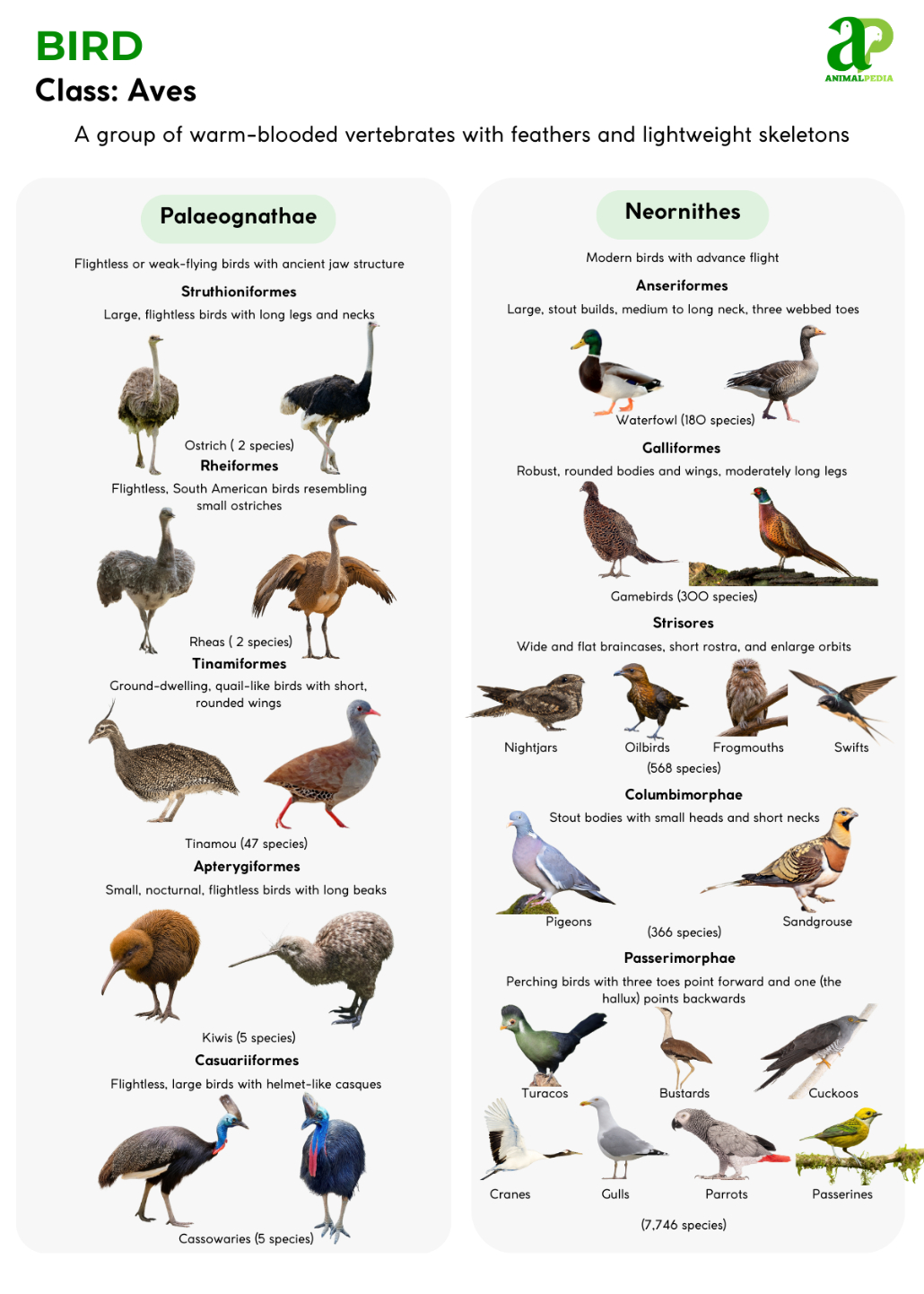
Credit: animal-pedia.org
Grassland And Savannah Homes
Grasslands and savannahs offer a unique home for many bird species. These wide-open spaces have few trees but plenty of grass and shrubs. Birds here adapt to the open environment and often build nests on or near the ground. The habitat supports a variety of birds that rely on the land and its resources for shelter and food.
Ground Nesting Birds
Many birds in grasslands nest directly on the ground. They hide their nests among grasses or small plants to stay safe from predators. These birds lay eggs in shallow scrapes or simple nests made of grass and twigs. Their coloring often matches the dry grass, helping them blend in. Examples include quails, plovers, and some sparrows.
Birds Of Open Plains
Birds of open plains have special traits to thrive in wide spaces. They often have sharp eyesight to spot food and danger from far away. Many feed on insects, seeds, or small animals found in the grass. Birds like hawks, larks, and bustards are common here. They rely on speed and camouflage to survive the challenges of the open land.
Urban Bird Habitats
Urban bird habitats are unique environments where birds adapt to the busy, noisy, and often crowded city life. Unlike natural forests or wetlands, these habitats are shaped by human activity and structures. Understanding how birds survive and even thrive in cities can change the way you see the urban landscape around you.
Adaptations In Cities
Birds living in cities have developed special skills to cope with challenges like traffic, noise, and pollution. Some species, like pigeons and sparrows, have learned to eat human food scraps, making busy streets their feeding grounds.
Others adjust their nesting habits, building nests in building crevices or streetlights instead of trees. Have you noticed how some birds sing louder or at different times to be heard over city noise? This shows their ability to change behavior for survival.
Creating Bird-friendly Spaces
You can help urban birds by making your surroundings more welcoming. Adding bird feeders and birdbaths encourages birds to visit and stay around your home.
Planting native trees and shrubs provides natural food and shelter, which urban birds need to thrive. Even small efforts, like avoiding pesticides and leaving some dead wood or leaf litter, support healthy bird habitats.
What small change could you make today to turn your space into a bird-friendly haven?

Credit: chicagobirdalliance.org
Specialized Bird Nests
A bird habitat is called a nest, where birds live and raise their young. Specialized bird nests come in many shapes, sizes, and materials, designed to protect eggs and chicks. Each bird species builds a unique nest suited to its environment and needs.
Specialized bird nests showcase the fascinating diversity of avian architecture. Birds build nests that suit their specific needs and habitats. Each nest type reflects the bird’s unique adaptation to its environment. From high trees to muddy banks, these nests ensure safety and comfort.Tree Cavities And Holes
Many birds nest in tree cavities and holes. Woodpeckers create holes in trees for nesting. These holes offer shelter and protection from predators. Other birds, like owls and parrots, use abandoned cavities. Tree cavities provide a safe place during harsh weather conditions. They are nature’s ready-made homes for many bird species.Mud And Stick Nests
Some birds craft nests using mud and sticks. Swallows and martins excel in this craft. They gather mud and form cup-shaped nests. These nests often stick to walls or cliffs. Sticks add strength and structure to the muddy base. This combination creates a durable and stable home. It withstands wind and rain, protecting their young.Threats To Bird Habitats
A bird habitat is called a nest or nesting site. Threats like deforestation and pollution harm these safe spaces. Protecting habitats helps birds survive and thrive.
Bird habitats are crucial for the survival of various bird species. They provide shelter, food, and breeding grounds. Unfortunately, these habitats face numerous threats that endanger bird populations. Understanding these threats helps in taking steps to protect and conserve these vital ecosystems.Habitat Loss And Fragmentation
Human activities often lead to habitat loss. Urban development, agriculture, and deforestation are major causes. When large habitats get divided into smaller patches, it’s called fragmentation. This makes it hard for birds to find food and mates. Fragmented habitats also expose birds to predators. Birds in fragmented areas often struggle to survive and reproduce.Climate Change Effects
Climate change impacts bird habitats significantly. Rising temperatures alter habitats, making them unsuitable. Many birds rely on specific climates for survival. Changes in temperature can disrupt food availability. Migration patterns also get affected by climate change. Some birds arrive at breeding grounds to find no food. This mismatch threatens their survival.Protecting Bird Homes
Protecting bird homes is crucial for maintaining the balance of our natural world. Birds rely on their habitats not just for shelter but also for food, breeding, and safety. When these spaces disappear or degrade, bird populations suffer, and the ecosystems they support weaken.
Conservation Efforts
Conservation groups work hard to preserve and restore bird habitats. They focus on protecting wetlands, forests, and grasslands where many birds build their nests. You might be surprised to learn that simple actions like planting native trees can create new safe spaces for birds.
Policies also play a big role. Laws that limit deforestation and pollution help keep bird habitats intact. Supporting these policies with your vote or voice can make a real difference.
How To Help Locally
You don’t have to be a scientist or join a big organization to protect bird homes. Start by observing your local environment. Are there places where birds nest or feed that need care?
- Put up bird feeders and birdhouses to offer extra shelter.
- Plant native flowers and shrubs to attract insects birds eat.
- Avoid using pesticides that can harm birds and their food sources.
- Participate in local clean-up days to keep parks and forests healthy.
Have you ever noticed how birds respond to changes in your backyard? Your small actions can help keep their habitats safe and thriving. What step can you take today to protect the homes of birds near you?
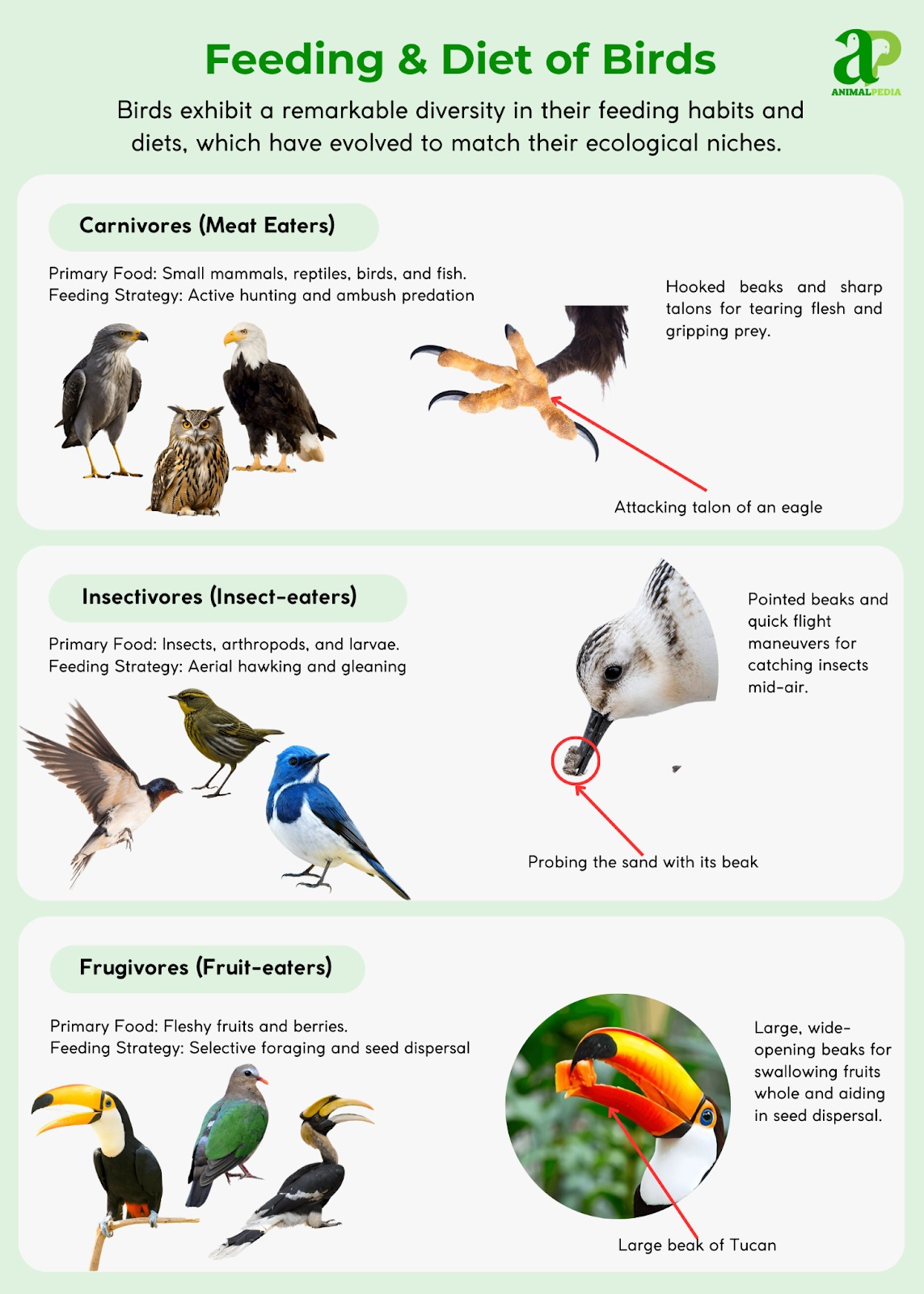
Credit: animal-pedia.org
Frequently Asked Questions
What Is A Bird Habitat Called?
A bird habitat is commonly called a nesting site or territory. It is where birds live, feed, and breed. Different species prefer various habitats like forests, wetlands, or grasslands.
Why Are Bird Habitats Important?
Bird habitats provide food, shelter, and breeding grounds. They ensure birds’ survival and help maintain ecological balance. Protecting these habitats supports biodiversity and environmental health.
How Do Birds Choose Their Habitats?
Birds select habitats based on food availability, safety, and nesting sites. Environmental factors like climate and vegetation also influence their choice. Each species adapts to specific habitat conditions for survival.
Can Bird Habitats Change Over Time?
Yes, bird habitats can change due to climate shifts, deforestation, or urbanization. These changes may force birds to relocate or adapt to new environments to survive.
Conclusion
Bird habitats are places where birds live and thrive. These areas provide food, shelter, and safety. Different birds choose different habitats, like forests, wetlands, or deserts. Knowing about bird habitats helps us protect them better. It also helps birds stay healthy and grow their populations.
Everyone can help by respecting these natural spaces. After all, healthy bird habitats mean a healthy planet too. Simple actions can make a big difference for birds everywhere.




