
If you love having candles around your home, you might wonder—are pet house candles safe for birds? You want your feathered friends to stay happy and healthy, but some scents and ingredients could harm them without you even realizing it.
You’ll discover what makes certain candles risky for birds and how to choose safer options. Keep reading to protect your pets and enjoy a cozy, fragrant home without worry.

Credit: feederspetsupply.com
Risks Of Candles Around Birds
Using pet house candles around birds can seem like a cozy idea, but it’s important to understand the risks involved. Birds have highly sensitive respiratory systems that can react badly to common elements found in candles. Before lighting that candle, consider how it might affect your feathered friend’s health and safety.
Toxic Fumes From Scented Candles
Scented candles often contain chemicals like paraffin wax, synthetic fragrances, and dyes. These substances release fumes that can be harmful to birds, even in small amounts. Birds breathe differently than humans; their lungs are more delicate and can absorb toxins quickly.
Have you noticed your bird coughing or sneezing near scented candles? This might be a sign of irritation or poisoning. Opting for unscented, natural beeswax candles can reduce these risks, but it’s always safer to avoid burning candles around birds altogether.
Open Flames And Fire Hazards
An open flame poses a direct danger to curious birds. Their feathers are flammable, and a sudden flutter near a lit candle could lead to serious injury. Additionally, candles can accidentally tip over, causing fires that threaten both your pet and your home.
Think about your bird’s cage location and flight patterns before lighting any candle. Is it possible your bird could reach or knock over the candle? Using flameless LED candles offers a safer alternative that still provides ambiance without the risk.
Allergic Reactions In Birds
Birds can develop allergies to substances in candle ingredients, such as essential oils or synthetic scents. Symptoms might include watery eyes, nasal discharge, or changes in behavior. These reactions can stress your bird’s immune system and lead to more severe health problems over time.
Have you checked if your bird shows signs of discomfort when candles are lit? Monitoring your pet closely can help you identify and eliminate triggers quickly. Always prioritize your bird’s environment to keep it free from potential allergens.
Safe Candle Choices For Bird Owners
Choosing safe candles is vital for homes with birds. Birds have very sensitive lungs. Harmful fumes can cause severe health problems. Picking the right candle reduces risks and keeps your feathered friends safe.
Non-toxic Candle Materials
Opt for candles made from natural, non-toxic materials. Beeswax and soy wax are great choices. They burn cleaner and release fewer toxins. Avoid paraffin wax, which can emit harmful chemicals. Cotton or wood wicks are safer than metal-core wicks.
Unscented Vs. Natural Scents
Unscented candles are safest for birds. Fragrances, even natural ones, can irritate their respiratory system. If you want scent, choose candles scented with pure essential oils. Use them sparingly and ensure good ventilation. Synthetic fragrances should be avoided completely.
Alternatives To Traditional Candles
Consider flameless options like LED candles. They provide ambiance without smoke or fumes. Essential oil diffusers with safe oils can also work well. Always check if the diffuser’s oils are bird-safe. These alternatives offer a safer way to enjoy a cozy atmosphere.
Proper Candle Usage In Bird-friendly Homes
Using candles in homes with birds needs care and attention. Birds have sensitive lungs that react to fumes and smoke. Proper candle use helps protect their health and keeps your home safe. Following simple rules reduces risks and lets you enjoy candles without worry.
Safe Placement Of Candles
- Keep candles far from bird cages and flying paths.
- Place candles on stable, heat-resistant surfaces.
- Avoid areas with strong drafts that can spread smoke.
- Use candle holders that fully contain the flame.
Monitoring Birds During Candle Use
- Watch your birds closely for signs of distress or coughing.
- Do not leave burning candles unattended around birds.
- Limit candle use to short periods to reduce exposure.
- Have a plan to remove birds quickly if smoke appears.
Ventilation And Air Quality Tips
- Open windows or use fans to improve airflow.
- Keep air fresh to reduce smoke and strong scents.
- Avoid scented candles that may irritate bird lungs.
- Regularly clean air filters and vents in bird areas.

Credit: www.northernparrots.com
Signs Of Candle-related Bird Distress
Recognizing the signs of candle-related distress in birds is crucial for their safety. Birds have sensitive respiratory systems that react quickly to airborne toxins. Being alert to subtle changes can prevent serious health issues and keep your feathered friend comfortable.
Behavioral Changes To Watch For
Notice if your bird suddenly becomes restless or agitated without an obvious cause. A usually calm bird that starts pacing, biting cage bars, or vocalizing more than usual might be signaling discomfort.
On the other hand, a bird that withdraws, sleeps more, or shows less interest in toys and interaction could also be struggling. Changes in eating and drinking habits are important clues too.
Physical Symptoms Of Exposure
Look closely for signs like sneezing, coughing, or nasal discharge—these indicate irritation in the respiratory tract. Watery or swollen eyes are another warning signal.
If your bird’s feathers appear ruffled or it is frequently scratching its face, these could be symptoms of distress. Difficulty breathing, such as open-mouth breathing or tail bobbing, is an urgent red flag.
Immediate Actions To Take
If you spot any of these signs, remove your bird from the area with the candle immediately. Fresh air is the first remedy; open windows or move to a well-ventilated room.
Monitor your bird closely and contact an avian vet as soon as possible. Avoid using any other scented products near your bird until you know it’s safe.
Have you ever noticed your bird behaving oddly around candles? Sharing your experience could help others protect their pets better.
Additional Bird Safety Measures
Keeping birds safe around pet house candles requires more than just choosing the right candle. Extra safety steps help protect their sensitive respiratory systems. Birds have delicate lungs and can react badly to small particles and fumes. Taking additional precautions creates a safer home environment for feathered friends.
Regular Cleaning To Reduce Residue
Wax and soot from candles can settle on surfaces near birds. These residues may irritate their respiratory tract or skin. Clean cages, perches, and nearby areas often to remove any buildup. Use gentle, bird-safe cleaning products to avoid harmful chemicals. Frequent cleaning lowers the risk of birds inhaling or touching harmful particles.
Using Air Purifiers
Air purifiers help remove airborne particles and toxins from candle smoke. Choose a purifier with a HEPA filter for best results. Place it near the bird’s cage for cleaner air. Running an air purifier reduces dust, allergens, and fumes. This extra layer of protection supports bird health and comfort indoors.
Consulting A Veterinarian
Discuss candle use with an avian veterinarian to get expert advice. Vets can recommend safe candle types or alternatives. They also provide guidance on signs of respiratory distress in birds. Early detection of problems improves chances of recovery. Regular vet visits keep birds healthy in homes with candles.
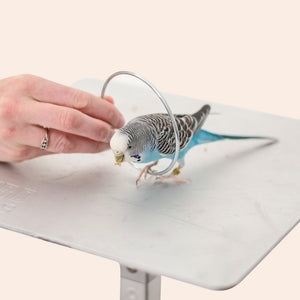
Credit: birdtricksstore.com
Frequently Asked Questions
Are Pet House Candles Toxic To Birds?
Yes, many pet house candles release fumes harmful to birds. Birds have sensitive respiratory systems that can be affected by candle smoke and scent chemicals, causing respiratory distress or even death.
Can Scented Candles Harm My Bird Indoors?
Scented candles often contain essential oils or chemicals toxic to birds. Burning these indoors can release irritants that negatively impact your bird’s breathing and overall health.
What Candle Types Are Safest Around Birds?
Unscented, beeswax, or soy candles with natural ingredients are generally safer. Always ensure good ventilation and keep candles away from bird cages to minimize risks.
How To Protect Birds From Candle Smoke?
Place candles in well-ventilated areas away from birds. Avoid burning candles near cages and never leave burning candles unattended around pets.
Conclusion
Pet house candles can harm birds if not chosen carefully. Birds have sensitive lungs and breathe in air closely. Scented or toxic candles may cause breathing problems or stress. Choose candles made from natural, non-toxic materials for safety. Always keep candles away from bird cages and rooms where birds stay.
Watch your bird for any signs of discomfort. Clean air means happy, healthy birds. Keeping your pet safe is the best choice.




