
If you love watching colorful songbirds visit your garden, you know that choosing the right bird seed makes all the difference. But with so many options out there, how do you find the best bird seed that keeps these beautiful birds coming back day after day?
You want to give your feathered friends the nutrition they need while enjoying their sweet songs and lively presence. You’ll discover the top bird seeds that attract and nourish songbirds, helping you create a vibrant, buzzing backyard full of life.
Keep reading to learn how to make your outdoor space a favorite spot for your winged visitors.

Credit: www.amazon.com
Popular Bird Seeds For Songbirds
Songbirds thrive on a variety of seeds found in nature. Providing the right seeds attracts them to your yard and supports their health. Different seeds appeal to different bird species. Here are some popular choices that songbirds love.
Black Oil Sunflower Seeds
Black oil sunflower seeds are a favorite among many songbirds. These seeds have thin shells that are easy to crack. They contain high oil content for energy. Birds like cardinals, chickadees, and finches enjoy them most.
Nyjer Seeds
Nyjer seeds are tiny and rich in oil. They attract finches, especially goldfinches and siskins. These seeds require special feeders with small holes. Nyjer is perfect for small-billed birds that prefer fine seeds.
Millet
Millet is a small, round seed common in many birdseed mixes. Ground-feeding birds such as sparrows, juncos, and doves prefer millet. It is easy to digest and provides good nutrition. White proso millet is the most popular type.
Safflower Seeds
Safflower seeds have a tough outer shell and a mild taste. Cardinals and chickadees enjoy them. Squirrels and larger birds often avoid safflower, making it good for selective feeding. It adds variety to your birdseed mix.
Cracked Corn
Cracked corn is a coarse seed loved by larger songbirds like jays and doves. It offers carbohydrates and energy for birds. Use cracked corn on the ground or in platform feeders. Avoid using too much to prevent mold growth.
Credit: www.amazon.com
Factors To Consider When Choosing Bird Seed
Choosing the best bird seed requires attention to several key factors. Each factor helps attract different types of songbirds. The right seed keeps birds healthy and coming back. Understanding these points helps create a welcoming bird-friendly space.
Bird Species Preferences
Different songbirds prefer specific seeds. For example, finches love nyjer seed. Cardinals enjoy sunflower seeds. Knowing the birds in your area guides your seed choice. This ensures the seed matches their tastes and feeding habits.
Nutritional Value
Seed quality affects bird health. Seeds rich in fats, proteins, and vitamins provide energy and strength. Black oil sunflower seeds offer high fat content. Millet is a good source of carbohydrates. Balanced nutrition supports birds through cold or breeding seasons.
Seed Size And Shape
Seed size affects which birds can eat it. Small seeds suit tiny birds with small beaks. Larger seeds attract bigger birds. Shape also matters; some birds prefer thin, slender seeds. Choosing the right size and shape helps reduce waste and feeding problems.
Seasonal Variations
Bird needs change with seasons. In winter, birds need high-energy seeds to stay warm. Summer feeding focuses on protein-rich seeds for raising young. Adjusting seed types by season supports birds year-round. This keeps your feeder busy and birds healthy.
Top Picks For Different Songbirds
Choosing the right bird seed can make all the difference in attracting your favorite songbirds to your backyard. Each species has unique tastes and feeding habits, so tailoring your seed selection to the birds you want to see is key. Let’s look at the best seed options for different types of songbirds to help you create a lively and diverse birdwatching experience.
Finches And Sparrows
Finches and sparrows love small, easy-to-handle seeds. Black oil sunflower seeds are a top choice—they have thin shells and lots of nutrition. Nyjer (thistle) seed also works well, especially for finches, who are attracted to its tiny size and high oil content.
If you want to attract a variety of sparrows, try millet mixed with sunflower seeds. You’ll notice more activity around your feeders, especially during early mornings. Have you ever seen a goldfinch’s bright feathers up close? Providing these seeds can bring them right to your window.
Cardinals And Grosbeaks
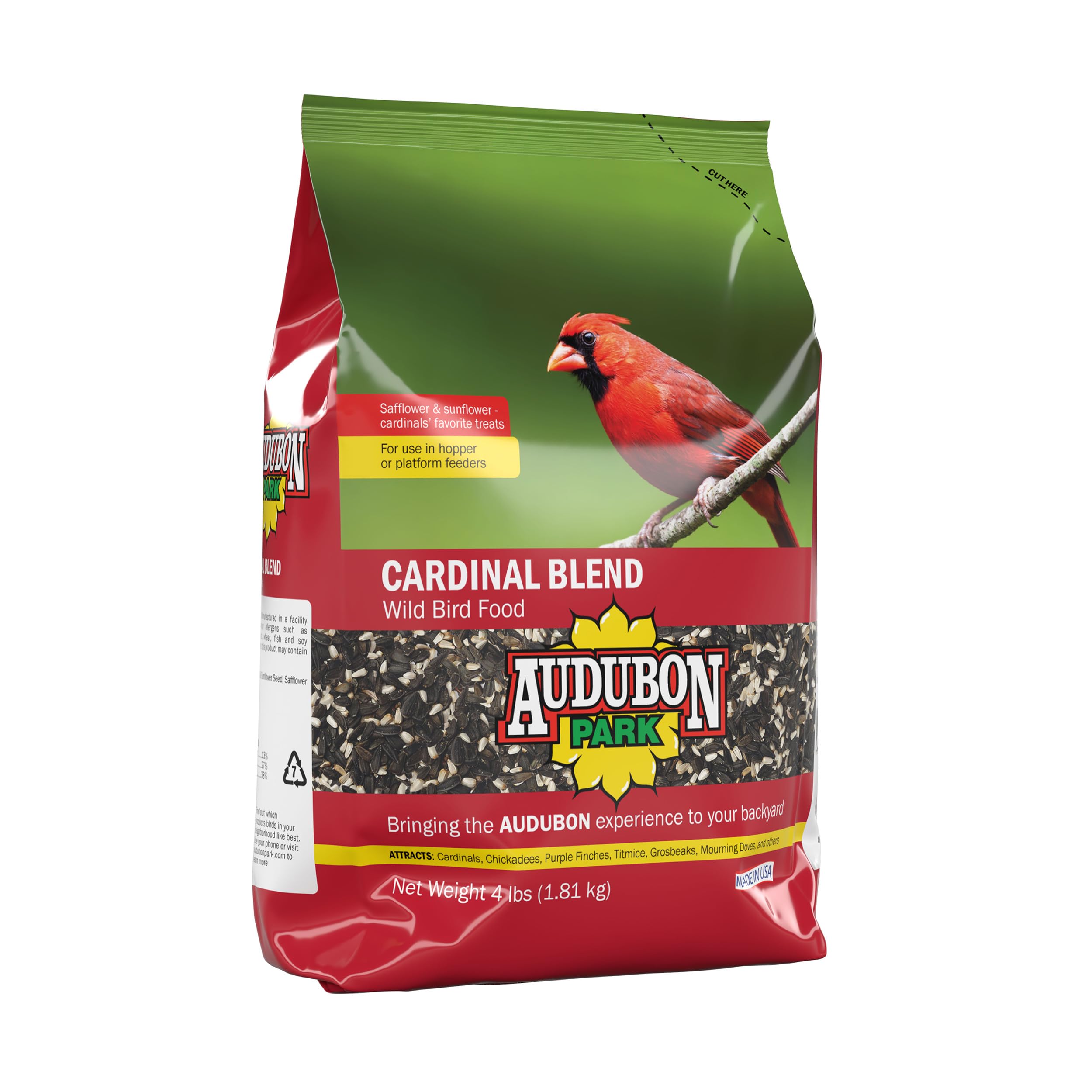
Cardinals and grosbeaks prefer larger, heartier seeds. Black oil sunflower seeds again top the list—they’re easy to crack and packed with energy. Safflower seed is another favorite, and it has the added benefit of deterring squirrels.
Offering a mix of sunflower and safflower seeds can keep these birds coming back. You might be surprised how quickly cardinals learn to trust your feeding spot. Do you know how their strong beaks help them break tough shells? This makes seed choice even more important.
Woodpeckers And Wrens
Woodpeckers and wrens are attracted to suet and nutty seeds. Peanuts (unsalted and shelled) are a great addition to your feeders for these birds. Woodpeckers also enjoy sunflower seeds but often prefer them in suet cakes or feeders that mimic tree bark.
Wrens tend to be insect eaters but appreciate sunflower seeds and suet during colder months. Have you tried hanging suet feeders near trees? You’ll likely see more woodpeckers tapping away. This simple change can turn your backyard into their favorite dining spot.
Chickadees And Nuthatches
Chickadees and nuthatches are small birds with big appetites for black oil sunflower seeds and peanuts. These birds are clever and can even hang upside down to reach seeds. Offering mixed seed blends with sunflower and peanuts keeps them interested and active around your feeders.
Try using feeders that allow these birds to perch comfortably while they eat. Have you noticed how quickly chickadees learn to visit regularly? Consistent feeding with the right seeds can build a lasting relationship with these charming visitors.

Credit: www.amazon.com
Tips For Attracting More Songbirds
Attracting more songbirds to your yard can turn your outdoor space into a lively, colorful retreat. The right approach makes all the difference in inviting these feathered friends to visit regularly. Small changes in how you feed and care for them can boost the number and variety of songbirds you see.
Proper Feeder Placement
Where you place your bird feeders affects which songbirds will come. Position feeders near trees or shrubs to provide quick cover from predators. Avoid placing feeders too close to windows to prevent bird collisions.
Think about visibility too. Songbirds prefer feeders that are easy to spot but also offer nearby shelter. Have you tried moving your feeders around to see where the most visitors gather?
Maintaining Clean Feeders
Dirty feeders can spread diseases that scare birds away. Clean your feeders at least once every two weeks using warm water and mild soap. Rinse thoroughly to remove any soap residue that could harm birds.
Check for moldy or spoiled seed regularly and replace it. Keeping feeders clean shows you care about your visitors’ health, encouraging them to return often.
Using Mixes Vs Single Seeds
Deciding between seed mixes and single seeds depends on the birds you want to attract. Black oil sunflower seeds are a favorite of many songbirds, offering high energy and easy-to-crack shells. Mixed seeds provide variety but may include fillers that some birds avoid.
If you notice certain birds ignoring your feeder, try switching to a single seed type they prefer. Have you observed which seeds your local songbirds favor most?
Adding Natural Food Sources
Natural foods like berries, nuts, and native plants attract songbirds beyond just feeders. Planting shrubs such as elderberry or serviceberry can provide year-round nutrition. These natural sources also offer shelter and nesting spots.
In your experience, have you seen more birds when you add native plants to your yard? Combining feeders with natural food creates a welcoming environment that keeps songbirds coming back.
Common Mistakes To Avoid
Choosing the right bird seed is important, but avoiding common mistakes helps even more. Many bird lovers make simple errors that scare birds away or harm them. These mistakes can waste money and time. Learning what to avoid keeps your feeders safe and inviting for songbirds. Here are some common pitfalls to watch out for.
Using Moldy Or Old Seed
Moldy or old seed can harm songbirds. Birds may get sick or avoid the feeder. Always check seed freshness before buying or filling feeders. Store seed in a cool, dry place to keep it fresh. Throw away any seed that smells bad or looks dusty. Clean feeders regularly to prevent mold buildup.
Overfeeding
Overfeeding can cause several problems. Birds may depend too much on your feeder and stop finding natural food. Too much seed also attracts pests like rats and unwanted birds. Offer just enough seed to last a few days. Remove leftover seed to keep the area clean and safe.
Ignoring Local Bird Preferences
Different birds prefer different seeds. Using the wrong seed can keep birds away. Research common local songbirds and their favorite seeds. Sunflower seeds, millet, and nyjer often attract many songbirds. Adjust your seed mix based on the birds you want to see. This increases visits and bird diversity.
Frequently Asked Questions
What Seeds Attract The Most Songbirds?
Black oil sunflower seeds attract the widest variety of songbirds. They are high in fat and easy to crack. Other good options include nyjer and millet seeds. These seeds provide essential nutrients and energy for many songbird species.
Can Songbirds Eat Mixed Bird Seed Blends?
Yes, but quality matters. Choose blends with mostly black oil sunflower seeds. Avoid fillers like cracked corn or red millet. High-quality blends attract more songbirds and reduce waste. Mixed blends can offer diverse nutrition but should be seed-rich.
How Often Should I Refill Bird Feeders For Songbirds?
Refill feeders every 2-3 days during peak feeding times. Consistent food supply encourages regular visits. In winter, refill more often to support birds’ higher energy needs. Clean feeders regularly to prevent disease.
Are Nyjer Seeds Good For Small Songbirds?
Yes, nyjer seeds are excellent for finches and other small songbirds. These tiny seeds are rich in oil and easy to eat. Use a specialized nyjer feeder to prevent seed loss. They attract vibrant species like goldfinches and siskins.
Conclusion
Choosing the right bird seed helps attract many beautiful songbirds. Seeds like black oil sunflower and millet are favorites. These seeds provide good nutrition and energy for birds. Keep your feeder clean and refill it often. Watching songbirds brings joy and peace to your yard.
Try different seeds to see which birds visit most. Feeding birds supports nature and helps them thrive. Enjoy the bright colors and sweet songs every day.




