
Do you want to see more colorful birds fluttering around your backyard? Imagine stepping outside to the cheerful songs of birds greeting you every morning.
It’s easier than you think to attract these beautiful visitors right to your own outdoor space. You’ll discover simple, effective ways to create a bird-friendly haven that keeps them coming back again and again. Ready to turn your backyard into a lively bird paradise?
Keep reading, and you’ll learn exactly how to do it.
Credit: www.youtube.com
Choose The Right Plants
Choosing the right plants makes your backyard a bird magnet. Birds seek food, shelter, and safe places to rest. Picking plants that meet these needs invites many bird species. Native plants work best because birds know them well.
Native Trees And Shrubs
Native trees and shrubs provide natural food and shelter. They attract insects, which many birds eat. Birds also use branches to build nests and hide from predators. Examples include oak, maple, and dogwood. These plants adapt well to local weather and soil.
Flowering Plants For Nectar
Flowering plants with nectar attract hummingbirds and butterflies. Bright, tubular flowers work best. Plant colors like red, orange, and pink stand out. Examples include bee balm, trumpet vine, and columbine. These plants support pollinators and add beauty to your yard.
Berry-producing Bushes
Berries provide a rich food source for many birds. Choose bushes that produce fruit in different seasons. This keeps birds visiting year-round. Examples include elderberry, serviceberry, and holly. Berry bushes also offer cover for nesting and resting.
Set Up Bird Feeders
Setting up bird feeders is a simple way to invite more birds into your backyard. Feeders provide easy access to food, attracting different bird species. They create a safe spot for birds to rest and eat. Proper feeders and seeds can bring colorful and lively visitors to your outdoor space.
Types Of Feeders
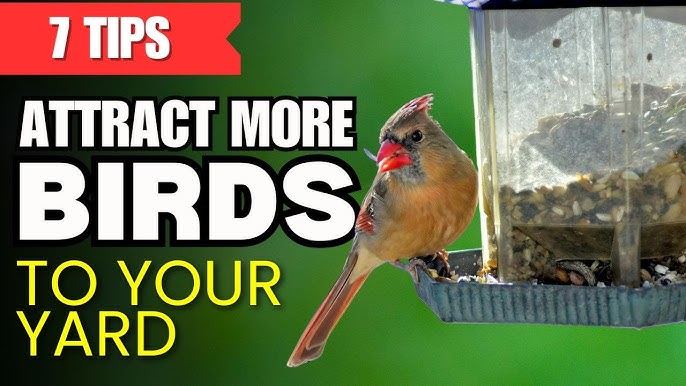
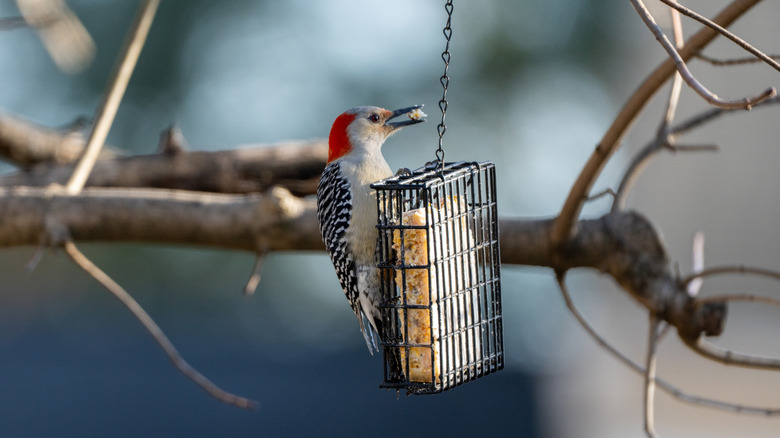
Choose feeders based on the birds you want to attract. Tube feeders hold small seeds and suit finches and chickadees. Hopper feeders look like small houses and fit many seed types. Platform feeders are flat and attract larger birds like cardinals. Suet feeders offer energy-rich food for woodpeckers and nuthatches.
Best Seeds To Use
- Black oil sunflower seeds attract many bird species.
- Nyjer seeds are perfect for finches.
- Millet works well for ground-feeding birds like sparrows.
- Cracked corn draws doves and jays.
- Suet provides fat and energy, especially in cold weather.
Feeder Placement Tips
- Place feeders near trees or shrubs for cover and safety.
- Keep feeders at least 10 feet away from windows to avoid collisions.
- Mount feeders at different heights to attract diverse birds.
- Ensure feeders are easy to refill and clean.
- Keep feeders away from areas with predators like cats.
Provide Fresh Water
Providing fresh water is one of the simplest yet most effective ways to attract birds to your backyard. Birds need water not only to drink but also to bathe and keep their feathers clean. Offering a reliable water source can turn your outdoor space into a lively haven for feathered visitors.
Birdbaths And Fountains
Birdbaths are a classic choice for attracting birds. A shallow basin, about 1 to 2 inches deep, works best. If the water is too deep, some birds may avoid it. Adding a small fountain or dripper can catch birds’ attention because moving water is easier for them to spot.
Think about placing the birdbath in a quiet spot near some shrubs or trees. This gives birds a safe place to retreat if they sense danger. Have you noticed how even a gentle drip or splash seems to invite more birds?
Keeping Water Clean
Dirty water can do more harm than good. Birds avoid stagnant water because it can carry diseases and parasites. Change the water every two days, or more often in hot weather.
Use a soft brush to clean the birdbath regularly. Avoid harsh chemicals; warm water and mild soap work fine. Clean water not only attracts more birds but also keeps them healthy.
Water Features For All Seasons
Water attracts birds year-round, but your approach may need to change with the seasons. In winter, birds struggle to find unfrozen water. A heated birdbath or a small solar-powered fountain can keep water liquid during cold months.
During hot summers, refill water frequently to keep it fresh and cool. Even a simple shallow dish can serve as a water source when refilled regularly. Are you ready to provide water that supports birds through every season?
Create Shelter And Nesting Spots
Creating shelter and nesting spots helps birds feel safe and comfortable. Birds need places to hide from predators and harsh weather. Providing natural and man-made shelters encourages them to stay longer in your backyard.
Natural Cover Options
Trees and shrubs offer great natural shelter. Dense bushes protect birds from wind and enemies. Plant native plants that produce berries or seeds. These plants also give food and cover.
Clumps of tall grass or vines work well as hiding spots. Dead trees or branches serve as natural nesting sites. Avoid cutting all old wood to keep natural habitats.
Installing Birdhouses
Birdhouses provide safe and cozy nesting places. Choose birdhouses with proper size and entrance holes. Mount them at the right height for different bird species.
Place birdhouses away from busy areas and predators. Clean them yearly to prevent parasites and diseases. Use untreated wood and avoid painting inside.
Safe Nesting Materials
Offer soft materials for birds to build nests. Suitable options include:
- Dry grass
- Shredded leaves
- Small twigs
- Cotton fibers (avoid synthetic)
Do not provide materials with chemicals or plastic. Keep materials dry and free from mold. Place them in a sheltered spot for easy access.
Avoid Pesticides And Chemicals
Avoiding pesticides and chemicals is one of the best ways to attract more birds to your backyard. Birds are sensitive to toxins, and using harmful substances can reduce their food sources and even harm their health. Creating a safe environment encourages birds to visit and stay longer.
Bird-friendly Gardening
Growing native plants in your garden provides natural food and shelter for birds. These plants support local insects, which are a vital food source for many bird species. You can add berry-producing shrubs, seed-bearing flowers, and dense bushes to offer both nourishment and protection.
Have you noticed how birds prefer certain plants in your area? By observing their choices, you can tailor your garden to meet their needs better. Avoiding chemicals helps maintain a healthy insect population, which directly benefits your feathered visitors.
Alternatives To Pesticides
Instead of reaching for chemicals, try natural methods to control pests. Handpicking insects, using insecticidal soaps made from natural ingredients, or encouraging beneficial insects like ladybugs can keep your garden pest-free without harm.
Introducing companion plants like marigolds or garlic can repel unwanted pests naturally. You might also consider creating habitats for frogs and birds that eat insects. These alternatives help you protect your garden and provide a welcoming space for birds at the same time.

Credit: www.thebirdhousechick.com
Attract Birds Year-round
Create a welcoming habitat by planting native trees and shrubs. Install bird feeders and baths to attract diverse species. Keep the environment clean and safe for birds throughout the year.
Attracting birds to your backyard year-round is both rewarding and delightful. Imagine sipping your morning coffee while watching vibrant cardinals or playful sparrows flit about. To achieve this, you need to create an environment that meets their needs every season. Here’s how you can ensure your backyard is a bird haven all year long.
Seasonal Food Sources
Providing a consistent food supply is crucial. In spring and summer, offer seeds, fruits, and insects. Invest in a variety of feeders to accommodate different bird species. During fall and winter, when natural food is scarce, supplement with high-energy options like suet and peanuts. Experiment with different food types to see what attracts the most birds. When I added sunflower seeds to my feeder, the number of visiting finches doubled. Are your feeders stocked with seasonal favorites?
Maintaining Habitat Through Seasons
A thriving habitat doesn’t happen by accident. It requires upkeep and attention to detail. In spring, refresh your birdhouses and clean out any old nests. As summer progresses, ensure there are water sources like birdbaths that are regularly cleaned and refilled. In autumn, leave some fallen leaves and branches. They provide shelter and foraging spots. During winter, maintain a few brush piles for warmth and protection. Have you considered what your yard looks like to a bird in each season? By carefully planning your backyard’s resources, you’re not just inviting birds—you’re building a year-round sanctuary for them.
Credit: www.housedigest.com
Frequently Asked Questions
How Can I Attract More Birds To My Backyard?
Provide fresh water, native plants, and bird feeders with varied seeds. Create shelter with trees and shrubs for safety and nesting.
What Types Of Bird Feeders Work Best?
Tube feeders suit small birds, platform feeders attract larger species, and suet feeders bring woodpeckers. Use multiple feeder types for diversity.
Which Plants Attract The Most Backyard Birds?
Native berry-producing shrubs, seed-bearing grasses, and flowering plants attract birds. Choose plants with different bloom times for year-round food.
How Important Is Water For Backyard Birds?
Birds need fresh water for drinking and bathing. A clean birdbath or small pond encourages regular visits.
Conclusion
Creating a bird-friendly backyard takes patience and care. Plant native flowers and trees to provide food and shelter. Place feeders and fresh water where birds can easily find them. Keep your space safe from predators and loud noises. Watch quietly and enjoy the peaceful visits.
Small changes bring big rewards over time. Your backyard can become a lively place full of birds. Start today and see nature come closer to you.




