
If you love watching birds flutter around your backyard, you might wonder what the best food is to attract them. Feeding backyard birds isn’t just about tossing out any seeds—you want to give them something healthy and tasty that keeps them coming back.
You’ll discover easy, affordable options that will turn your outdoor space into a lively bird haven. Ready to learn what can make your feathered visitors happy and healthy? Keep reading to find out!
Best Seeds For Backyard Birds
Choosing the best seeds for your backyard birds can make a huge difference in attracting a variety of feathered visitors. Different birds prefer different seeds, so offering a mix can bring more species to your feeders. Let’s look at three top favorites that are easy to find and loved by many backyard birds.
Sunflower Seeds
Sunflower seeds are a top pick for many bird lovers. Their high oil content provides birds with essential energy, especially during colder months. You’ll notice cardinals, chickadees, and finches eagerly pecking at these seeds.
Black oil sunflower seeds are especially popular because their thin shells are easier for small birds to crack open. If you want to attract larger birds like jays or grosbeaks, try offering striped sunflower seeds with tougher shells. Have you seen how quickly birds flock to a feeder filled with sunflower seeds? It’s quite a sight.
Millet And Sorghum
Millet and sorghum are smaller seeds that attract ground-feeding birds such as sparrows, doves, and juncos. These seeds are great if you want to diversify the types of birds visiting your yard. They work well scattered on the ground or in platform feeders.
White proso millet is a favorite among many small birds. Sorghum, also called milo, is less common but still appreciated by certain species. What if you tried mixing millet and sorghum in your feeding area to see which birds show up? It’s a simple way to experiment.
Nyjer Seeds
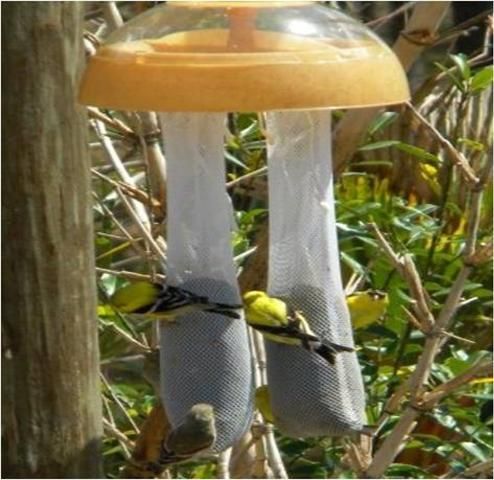
Nyjer seeds are tiny, rich in oil, and perfect for attracting finches like goldfinches and redpolls. These seeds require special feeders with small holes to prevent spillage. If you haven’t tried nyjer seeds yet, you might be missing out on some colorful visitors.
Many people are surprised by how quickly goldfinches find nyjer feeders once they’re set up. These seeds don’t spoil quickly and keep well, making them a convenient choice. Could adding nyjer seeds bring new life to your backyard birdwatching?

Credit: www.allaboutbirds.org
Fruits That Attract Birds
Fruits are a natural treat that many backyard birds love. They offer important nutrients and energy. Birds enjoy a variety of fruits, which can attract different species to your garden. Providing fresh and safe fruits can boost bird visits throughout the year.
Berries And Grapes
Berries and grapes attract many birds with their bright colors and sweet taste. Blueberries, strawberries, and raspberries are favorites for small birds. Grapes also draw in larger birds like mockingbirds and thrushes. These fruits are rich in vitamins and antioxidants, supporting bird health.
Apples And Pears
Apples and pears provide a juicy, crunchy snack for birds. Cut them into small pieces for easy eating. Many birds, including woodpeckers and jays, enjoy these fruits. Remove seeds before offering, as they can be harmful. These fruits help birds stay hydrated and energized.
Dried Fruits
Dried fruits such as raisins, apricots, and cranberries are convenient bird snacks. They have concentrated sugars that give birds a quick energy boost. Offer them in small amounts to prevent stickiness. Dried fruits last longer and can be mixed with seeds or nuts for variety.
Nuts To Boost Bird Energy
Nuts provide a rich source of energy for backyard birds. They are packed with fats, proteins, and vitamins. These nutrients help birds stay active and healthy, especially during cold weather or migration. Offering nuts can attract a variety of bird species to your yard.
Peanuts
Peanuts are a favorite for many birds. They offer high protein and fat content. Use unsalted, raw peanuts to keep birds safe. Avoid roasted or flavored peanuts. Peanuts can be served whole or chopped. Woodpeckers, jays, and chickadees love them the most.
Almonds And Walnuts
Almonds and walnuts provide essential oils and nutrients. They support bird energy and brain health. Chop them into small pieces for easier eating. These nuts attract larger birds like nuthatches and titmice. Avoid salted or coated varieties to prevent harm.
Hazelnuts
Hazelnuts offer a crunchy treat with healthy fats. Birds enjoy cracking their shells for the tasty inside. They are a good source of vitamin E and antioxidants. Squirrels may compete for hazelnuts, so use feeders designed to limit access. Songbirds like finches and grosbeaks often feed on hazelnuts.
Vegetables And Greens For Birds
Vegetables and greens offer birds essential nutrients and hydration. These foods support their health and energy. Providing fresh veggies attracts a variety of backyard birds. They enjoy different textures and flavors found in these natural treats.
Leafy Greens
Leafy greens like spinach, kale, and lettuce are great for birds. They contain vitamins A and K, vital for bird health. Chop leaves into small pieces for easy eating. Avoid greens with pesticides or chemicals. Fresh, organic leaves work best for wild birds.
Corn And Peas
Corn and peas provide carbohydrates and protein to backyard birds. Birds love sweet corn kernels, especially when fresh or frozen. Peas are a soft, tasty treat rich in nutrients. Serve these vegetables thawed and cut into bite-size portions. Avoid canned versions with added salt or sugar.
Carrots And Cucumbers
Carrots and cucumbers add crunch and moisture to bird diets. Carrots contain beta-carotene, which supports vision and immunity. Slice carrots thin or grate them for easier feeding. Cucumbers offer hydration with a mild flavor birds enjoy. Remove seeds before offering cucumbers to prevent choking hazards.
Special Treats And Supplements
Special treats and supplements provide extra energy and nutrients to backyard birds. These foods support birds during cold weather, breeding seasons, or migration times. Offering a variety of treats helps attract diverse bird species to your garden. Below are some popular options that birds enjoy and benefit from.
Suet And Fat Balls
Suet and fat balls are excellent energy sources for birds. They are made from animal fat mixed with seeds, nuts, and grains. These high-calorie treats help birds stay warm in winter. Woodpeckers, nuthatches, and chickadees love suet feeders. Fat balls are easy to hang in trees or on special holders. Avoid suet with added preservatives or artificial ingredients.
Mealworms And Insects
Live or dried mealworms provide protein and essential nutrients. Many birds, such as robins and bluebirds, prefer insects in their diet. Mealworms encourage natural foraging behavior. You can place them in shallow dishes or specialized feeders. Insects help young birds grow strong and healthy. Use only clean, pesticide-free mealworms to keep birds safe.
Bird-friendly Grains
Whole grains like oats, millet, and cracked corn supply energy and fiber. These grains suit many seed-eating birds like sparrows and finches. Avoid processed or salted grains, which can harm birds. Scatter grains on the ground or in feeders designed for small seeds. Mixing grains with other treats creates a balanced diet for backyard birds.
Credit: edis.ifas.ufl.edu
Foods To Avoid Feeding Birds
Avoid feeding birds bread, junk food, or salty snacks, as these can harm their health. Raw beans, chocolate, and avocado are also toxic to birds. Choose safe, natural foods to keep backyard birds healthy and happy.
Feeding backyard birds is a rewarding activity. Yet, not all foods are safe for them. Some common human foods can harm birds. It’s essential to know which foods to avoid. This ensures the safety and health of your feathered visitors.
Salted Or Seasoned Foods
Birds can’t handle much salt. It affects their kidneys. Seasoned snacks or salted nuts are harmful. These foods can lead to health issues. Stick to unsalted options for bird feeders.
Bread And Junk Food
Bread offers little nutrition for birds. Junk food is even worse. Chips, candy, and fries contain harmful ingredients. Birds need a balanced diet. Natural seeds and grains are better choices.
Avocado And Chocolate
Avocado contains persin, which is toxic to birds. Chocolate has theobromine, also harmful. Both can cause severe reactions. Keep these foods away from bird feeders. Opt for bird-safe fruits and seeds instead.
Tips For Safe Bird Feeding
Feeding birds in your backyard can bring joy and life to your garden. But, it’s important to do it safely. This ensures the health of both the birds and your environment. Here are some key tips for safe bird feeding.
Clean Feeding Stations
Bird feeders should be cleaned regularly. Dirty feeders can spread disease among birds. Use warm soapy water to wash them. Rinse thoroughly and let them dry before refilling. Make cleaning a weekly habit for the best results.
Proper Food Storage
Store bird food in a cool, dry place. This prevents mold and pests. Use airtight containers to keep food fresh. Check food regularly for any signs of spoilage. Safe storage ensures birds get the best nutrition.
Seasonal Feeding Adjustments
Different seasons need different foods. In winter, offer high-fat seeds like sunflower seeds. In summer, provide fruits and insects. Adapt your offerings to match the season. This supports birds’ changing dietary needs throughout the year.

Credit: rangerrick.org
Frequently Asked Questions
What Are The Best Seeds For Backyard Birds?
Sunflower seeds, millet, and safflower seeds attract many backyard birds. They provide essential nutrients and are easy to find.
Can I Feed Birds Kitchen Scraps Safely?
Yes, small amounts of unsalted nuts, cooked rice, and fruit scraps are safe. Avoid salty, sugary, or processed foods.
How Often Should I Refill Bird Feeders?
Refill feeders every few days or when empty. Regular refills keep birds healthy and encourage frequent visits.
Are Suet Cakes Good For Backyard Birds?
Suet cakes are excellent for high-energy birds, especially in winter. They offer fats that help birds stay warm.
Conclusion
Feeding backyard birds brings joy and helps local wildlife thrive. Choose seeds and foods that suit the birds in your area. Keep feeders clean to prevent disease. Fresh water is just as important as food. Watching birds visit your yard can brighten any day.
Small efforts make a big difference for these feathered friends. Try different foods to see which birds you attract. Enjoy the simple pleasure of caring for nature right outside your door.




