
Have you ever stopped to think about the places where birds live—their homes, their safe spaces? Protecting bird habitats is more important than you might realize.
When these areas disappear, the beautiful songs and vibrant colors of birds can vanish too. But here’s the good news: you have the power to make a difference. You’ll discover simple, effective ways to protect bird habitats right where you live.
Keep reading, and you’ll learn how your actions can help keep these amazing creatures safe and thriving for years to come.
Importance Of Bird Habitats
Bird habitats are more than just places where birds live. They are vital spaces that support the survival of countless bird species and maintain the balance of nature. Protecting these habitats means protecting the birds themselves and the health of the planet.
Role In Ecosystems
Bird habitats play a key role in ecosystems by supporting biodiversity. Birds help control pests by feeding on insects, which benefits agriculture and reduces the need for chemicals. They also assist in pollination and seed dispersal, helping plants to grow and regenerate.
Think about the last time you saw a bird building a nest or feeding its young. That simple act supports a complex web of life that affects many other species, including humans. Without healthy habitats, these essential processes would break down.
Threats To Habitats
Bird habitats face many threats that you might not notice every day. Urban development, deforestation, and pollution destroy or fragment these natural spaces, making it harder for birds to find food and shelter. Climate change adds another layer of risk by altering migration patterns and breeding seasons.
Have you ever wondered what happens to birds when their homes vanish? Many species struggle to survive or disappear altogether. Protecting habitats means taking action against these threats by supporting conservation efforts and making choices that reduce environmental damage.
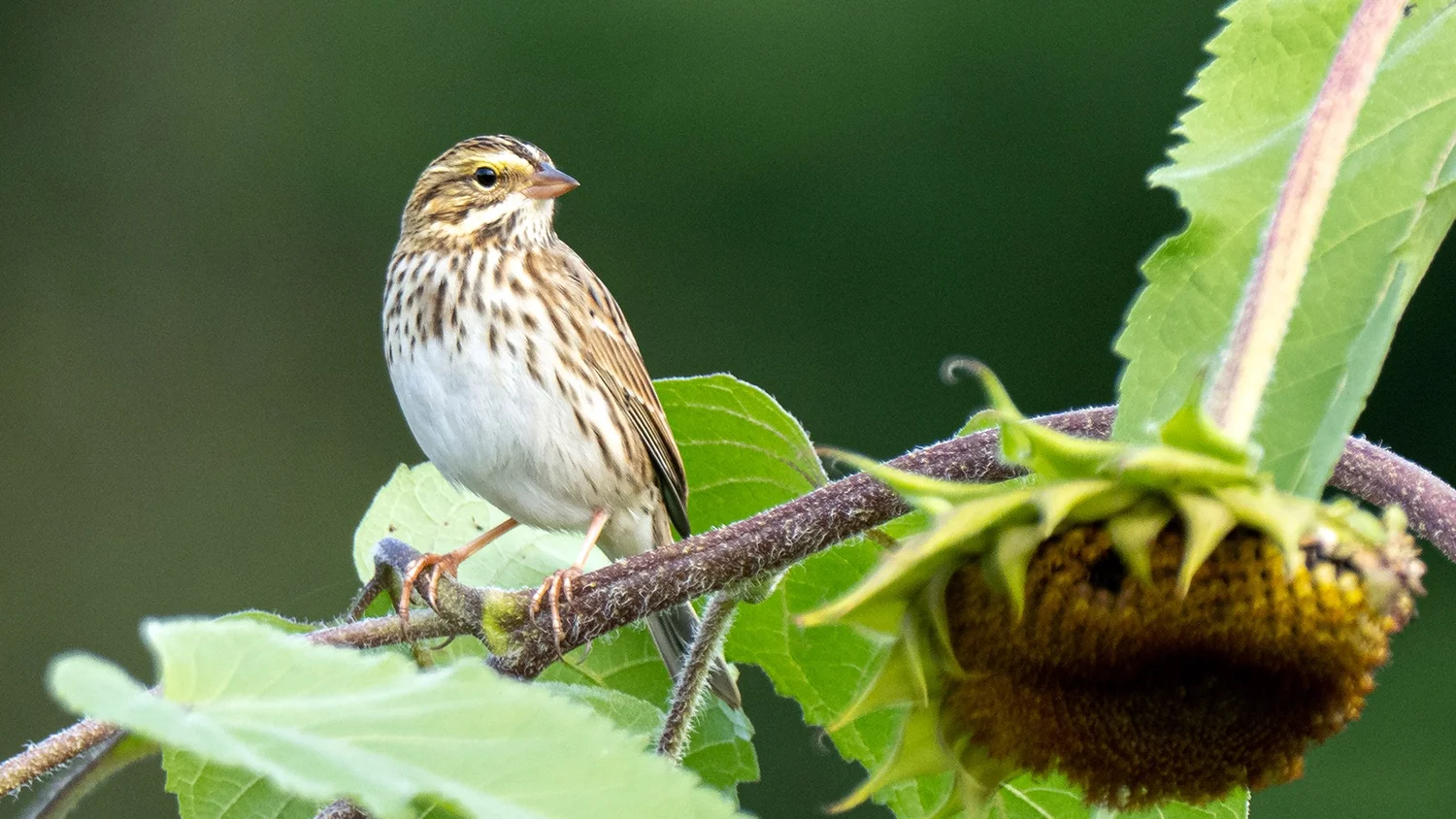
Credit: www.eastsideaudubon.org
Identifying Key Bird Habitats
Identifying key bird habitats is essential if you want to make a real difference in protecting bird populations. Knowing where birds live and thrive helps you focus your efforts on places that matter most. This knowledge also reveals how changes in the environment impact birds directly, guiding better conservation decisions.
Types Of Habitats
Bird habitats vary widely depending on species, climate, and geography. You’ll find birds in forests, wetlands, grasslands, deserts, and even urban areas. Each habitat provides unique resources like food, shelter, and nesting sites.
- Forests:Home to many songbirds and woodpeckers, forests offer dense tree cover and plenty of insects.
- Wetlands:These watery areas attract ducks, herons, and many migratory birds relying on aquatic plants and fish.
- Grasslands:Open fields support ground-nesting birds like meadowlarks and sparrows.
- Deserts:Surprisingly rich in specialized birds adapted to dry conditions, such as roadrunners.
- Urban Areas:Cities can support pigeons, sparrows, and falcons that adapt to buildings and parks.
Have you noticed how some birds disappear from certain places over time? That’s often because their specific habitats are shrinking or changing.
Indicators Of Healthy Habitats
Healthy bird habitats show clear signs of supporting diverse and stable bird populations. You can spot these indicators yourself if you know what to look for.
- Diverse Plant Life:A variety of native plants means more food sources and nesting options for birds.
- Presence of Insects and Other Small Creatures:Birds need a steady supply of insects, worms, and seeds to thrive.
- Clean Water Sources:Ponds, streams, or wetlands free from pollution attract waterfowl and songbirds.
- Active Bird Nests and Young Birds:Seeing nests with eggs or chicks is a strong sign the habitat supports breeding.
- Low Levels of Pollution and Disturbance:Excess noise, chemicals, and human traffic can scare birds away or harm their health.
Think about your local park or garden—does it show these signs? If not, what small changes could you help make to improve it? Even simple actions can boost habitat health and welcome more birds back.
Habitat Preservation Strategies
Preserving bird habitats requires focused strategies that protect the natural environment birds rely on. Each action you take can make a real difference in maintaining the places where birds feed, nest, and thrive. Let’s look at some practical ways you can help safeguard these vital habitats.
Protecting Native Vegetation
Native plants are the foundation of bird habitats. They provide food, shelter, and nesting materials that birds have depended on for generations.
By planting and preserving native trees, shrubs, and grasses, you create a welcoming environment for local bird species. Avoid removing native plants for non-native landscaping; instead, encourage their growth in your yard or community spaces.
Have you noticed how birds flock to areas with diverse plants? This diversity supports a variety of insects and seeds, which are critical food sources for birds.
Reducing Pollution
Pollution harms birds directly and damages their habitats. Chemicals, plastics, and waste can poison birds and disrupt their food chains.
You can reduce pollution by properly disposing of trash, using fewer chemicals in your garden, and supporting clean water initiatives in your area. Even small changes, like switching to eco-friendly products, add up to a safer habitat for birds.
Think about the last time you saw litter near a bird feeder—could those plastics harm the birds you care about?
Controlling Invasive Species
Invasive plants and animals often outcompete native species, reducing the quality of bird habitats. They can change the landscape and food availability in harmful ways.
Take action by removing invasive plants and avoiding the release of non-native animals into the wild. Work with local groups or wildlife experts to identify and manage these threats effectively.
Have you ever seen a non-native plant take over a garden or park? That same takeover can push out the native species birds need to survive.

Credit: news.asu.edu
Creating Bird-friendly Spaces
Creating bird-friendly spaces in your garden or local area can make a real difference for bird populations. These spaces offer shelter, food, and safe places to raise young birds. Small changes in your environment can turn it into a haven for various bird species, helping them thrive despite urban challenges.
Planting Native Flora
Native plants provide the exact food and shelter birds need. They attract insects, which are an important protein source for many birds, especially during breeding season.
Choose a mix of trees, shrubs, and flowers that naturally grow in your region. This variety supports different bird species throughout the year.
Have you noticed how birds flock to areas with berry-producing bushes? Adding plants like elderberry, serviceberry, or dogwood can offer natural snacks for birds.
Providing Food And Water Sources
Birds need consistent access to clean water and food. Adding bird feeders and birdbaths in your yard can attract birds and help them survive tough conditions.
Use feeders that suit different birds—tube feeders for finches, platform feeders for larger birds, and suet feeders for woodpeckers. Regularly clean these feeders to prevent disease spread.
Water should be shallow and refreshed daily. Moving water, like a small fountain, catches a bird’s eye more than stagnant water.
Safe Nesting Areas
Birds need secure places to build nests and raise their young without threat from predators or harsh weather. You can install birdhouses designed for local species or leave natural nesting spots undisturbed.
Avoid trimming trees during nesting season and keep cats indoors to reduce risks. Placing nesting boxes away from busy areas increases the chances of birds feeling safe.
Have you ever watched a bird build a nest? It’s a delicate process that depends on quiet and safety, which you can provide with thoughtful planning.
Community Involvement
Getting involved in your community is one of the strongest ways to protect bird habitats. When people come together, their combined effort can create real change. You might be surprised how much impact a few passionate individuals can have on preserving nature right where you live.
Local Conservation Groups
Joining a local conservation group connects you with people who share your passion for birds. These groups often organize habitat cleanups, tree planting events, and advocacy campaigns. Participating in these activities helps protect and restore the natural spaces birds need to thrive.
Have you noticed a park or green space nearby that could use some care? Local groups usually welcome new volunteers eager to make a difference.
Educational Programs
Educational programs raise awareness about the importance of bird habitats. They teach you and your community how to spot threats and ways to reduce harm. Schools, libraries, and community centers often host workshops or talks that anyone can attend.
Imagine the power of spreading knowledge—every person who learns about bird protection becomes a guardian of their environment. Could you help by sharing what you learn?
Citizen Science Projects
Citizen science projects invite you to collect data and observe birds in your area. This information helps scientists monitor bird populations and habitat health. You don’t need special skills—just a curious mind and a smartphone or notebook.
By participating, you contribute to real research that guides conservation efforts. Have you ever tracked birds in your backyard or local park? Your observations can make a big difference.
Policy And Legal Measures
Protecting bird habitats is vital for maintaining biodiversity. Policy and legal measures play a crucial role in this endeavor. These measures help establish rules and regulations that safeguard natural environments. By implementing effective policies, governments can ensure that bird habitats remain safe and intact.
Protected Area Designation
Designating protected areas helps conserve bird habitats. National parks and wildlife reserves provide safe spaces for birds. These areas limit human activity, reducing habitat destruction. They also maintain natural ecosystems essential for bird survival. Governments must identify key habitats and grant them protected status.
Wildlife Protection Laws
Wildlife protection laws prevent the hunting and trading of birds. They ensure that bird populations remain stable. Laws also address habitat destruction and pollution. They hold offenders accountable, ensuring compliance. Strong enforcement of these laws is crucial for bird safety.
Sustainable Land Use Planning
Sustainable land use planning considers the needs of both humans and birds. It involves careful evaluation of land development projects. Planners must assess the impact on bird habitats. By integrating conservation efforts, planners can minimize habitat loss. This approach ensures long-term protection for birds and their environments.
Monitoring And Research
Monitoring bird habitats helps track changes and threats to their environment. Research provides data to guide actions that protect these vital areas. Regular observation supports better care and conservation efforts for birds.
Monitoring and research are essential tools in the effort to protect bird habitats. These activities offer valuable insights into bird populations and their environments, guiding effective conservation strategies. By closely examining bird life and their ecosystems, we can make informed decisions to ensure their survival and health.Tracking Bird Populations
Tracking bird populations helps us understand shifts in species numbers and distribution. This involves observing migration patterns, nesting behaviors, and breeding success rates. Citizen science projects, like bird counts, empower you to contribute to this data collection, offering a hands-on way to get involved in conservation.Assessing Habitat Health
The health of a bird’s habitat directly influences its survival. Regular assessments involve checking for changes in vegetation, water quality, and food availability. Consider how these factors impact your local bird species—what changes have you noticed in your area?Adapting Conservation Efforts
Conservation efforts must evolve based on research findings. If a particular bird species is declining, strategies need adjustment to address the specific threats they face. Would you be open to advocating for policy changes or supporting initiatives that focus on these adaptive strategies? Engage with these processes by staying informed and participating in local conservation activities. Your actions, combined with research, can help protect the habitats that birds rely on.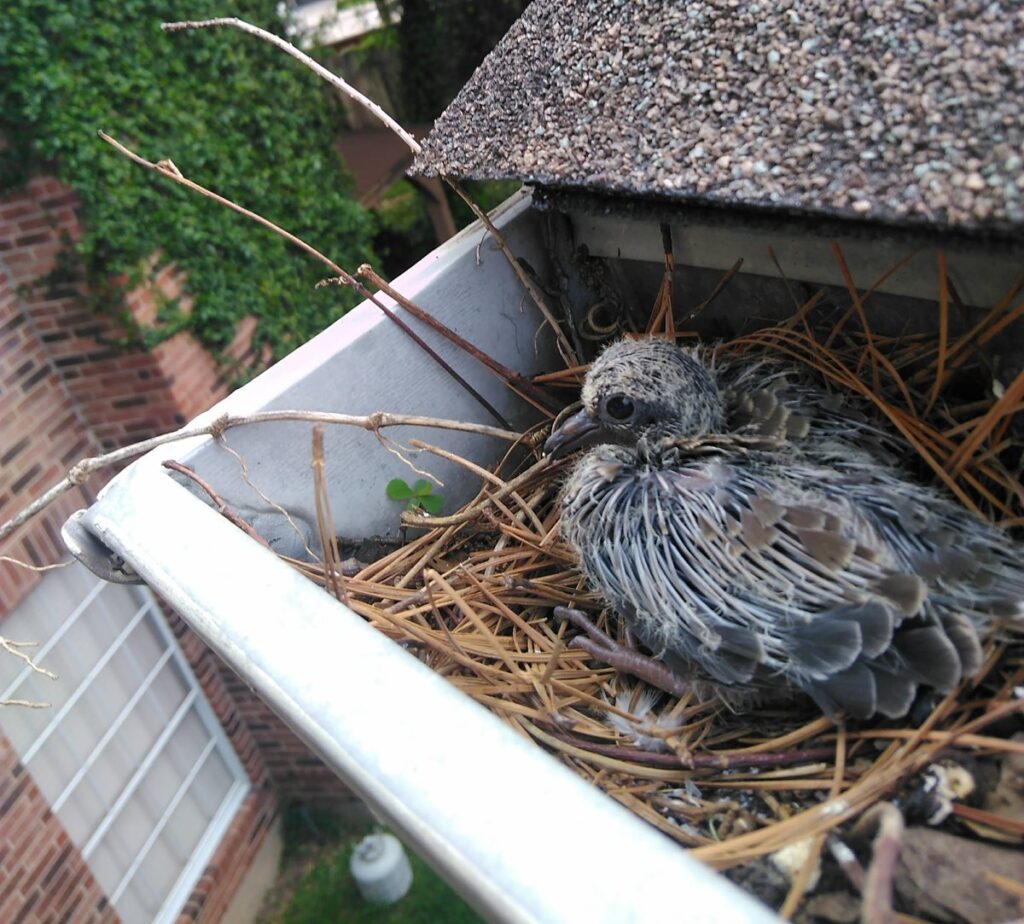
Credit: www.crittercontrol.com
Frequently Asked Questions
How Can I Help Protect Bird Habitats At Home?
Plant native trees and shrubs to provide food and shelter. Avoid using pesticides and keep cats indoors to reduce threats. Create bird-friendly spaces by adding feeders and water sources. These steps support local bird populations and preserve their natural habitats effectively.
Why Is Preserving Bird Habitats Important?
Bird habitats support biodiversity and ecological balance. They provide food, shelter, and breeding grounds for birds. Protecting these areas helps prevent species decline and extinction. Healthy bird populations also control pests and pollinate plants, benefiting the environment and humans alike.
What Are Common Threats To Bird Habitats?
Habitat loss due to urbanization, deforestation, and agriculture is the main threat. Pollution, climate change, and invasive species also harm bird environments. Human activities disrupt nesting sites and food availability, making it crucial to implement conservation measures to safeguard these habitats.
How Do Protected Areas Help Bird Conservation?
Protected areas restrict harmful activities like logging and development. They preserve critical habitats and ensure safe breeding and feeding zones. These areas also facilitate scientific research and public awareness, promoting long-term conservation and helping bird populations recover and thrive.
Conclusion
Protecting bird habitats helps keep nature healthy and balanced. Small actions, like planting native trees, make a big difference. Avoid using chemicals that harm birds and their homes. Support local parks and wildlife areas to provide safe spaces. Everyone can help by respecting nature and spreading awareness.
Birds rely on us to protect their homes every day. Together, we create a future where birds can thrive and sing. Simple steps lead to lasting change for bird habitats and our world.




