
Have you ever wondered where birds feel most at home? Understanding the habitat of a bird can change the way you see these amazing creatures.
Your curiosity about where they live, find food, and raise their young is about to be satisfied. By knowing a bird’s habitat, you can connect with nature in a deeper way and even spot more birds during your next outdoor adventure.
Keep reading to discover the secrets behind a bird’s home and how it shapes their life every day.
Bird Habitats Around The World
Birds live in many different places around the world. Each type of habitat offers unique food, shelter, and nesting spots. Birds adapt to their surroundings to survive and thrive. Exploring these habitats helps us understand bird life better.
Forests And Woodlands
Forests are rich with trees and plants. Birds find food like insects and fruits here. Woodpeckers, owls, and songbirds often live in these areas. Trees provide safe places to build nests and hide from predators.
Wetlands And Marshes
Wetlands are water-filled lands with tall grasses and plants. Ducks, herons, and cranes prefer these watery homes. Wetlands offer plenty of fish, insects, and plants for food. These areas also serve as important breeding grounds for many birds.
Grasslands And Savannas
Grasslands are open areas with grasses and few trees. Birds like larks, sparrows, and hawks make these places their home. They hunt small animals or eat seeds and insects. These wide spaces allow birds to spot danger easily.
Deserts And Arid Regions
Deserts are dry and have little water or plants. Some birds, like roadrunners and vultures, live here. They survive by finding food and water in tough conditions. Birds in deserts often rest during the hottest parts of the day.
Urban And Suburban Areas
Cities and towns have many buildings and roads. Birds such as pigeons, sparrows, and crows thrive here. They find food in trash or bird feeders. Urban areas offer many hiding spots like trees, roofs, and parks.

Credit: smallfarms.cornell.edu
Factors Influencing Bird Habitats
Bird habitats depend on many factors that shape where birds live and thrive. These factors affect their survival, growth, and ability to raise young. Understanding these helps us protect birds and their homes.
Climate And Weather
Temperature, rainfall, and seasons guide bird habitats. Birds prefer areas where weather supports their needs. Some birds migrate to avoid cold winters or dry seasons. Stable climates often attract more bird species.
Availability Of Food
Food is essential for birds to survive and breed. Habitats rich in insects, seeds, fruits, or fish attract different bird types. Birds move to places where food sources are reliable and easy to find. Food scarcity can force birds to change habitats.
Predators And Safety
Birds seek safe places to avoid predators. Dense trees, shrubs, or cliffs offer protection. Areas with fewer predators support larger bird populations. Safety influences where birds build nests and rest.
Nesting Sites And Shelter
Birds need suitable places to build nests and shelter from weather. Trees, bushes, and cavities serve as nesting spots. Some birds use ground nests or cliffs. Shelter quality affects breeding success and chick survival.
Adaptations To Different Habitats
Birds have mastered the art of survival by adapting to a wide range of habitats. These adaptations help them find food, stay safe, and reproduce in environments that vary from dense forests to open deserts. Understanding these changes can give you a deeper appreciation of how birds thrive in different corners of the world.
Physical Adaptations
Birds develop specific physical traits to suit their surroundings. For instance, waterfowl like ducks have webbed feet that make swimming easier, while birds of prey such as eagles have sharp talons and hooked beaks for hunting.
Some birds evolve feather colors that blend with their habitat. This camouflage helps them avoid predators or sneak up on prey without being noticed. Have you ever spotted a bird that seemed almost invisible against its background?
Behavioral Changes
Birds adjust their actions depending on where they live. In colder climates, some species fluff up their feathers to trap heat, while desert birds may become more active during cooler nights to avoid daytime heat.
Many birds change their feeding habits based on available food. Urban birds, for example, have learned to scavenge human leftovers, showing how behavior can shift quickly to new environments.
Migration Patterns
Migration is a powerful way birds cope with seasonal changes in habitat. Traveling thousands of miles, they move to places where food and climate are better suited to their needs.
Some birds take routes that follow specific landmarks, while others rely on the Earth’s magnetic field for navigation. Have you ever wondered how they find their way so precisely across vast distances?
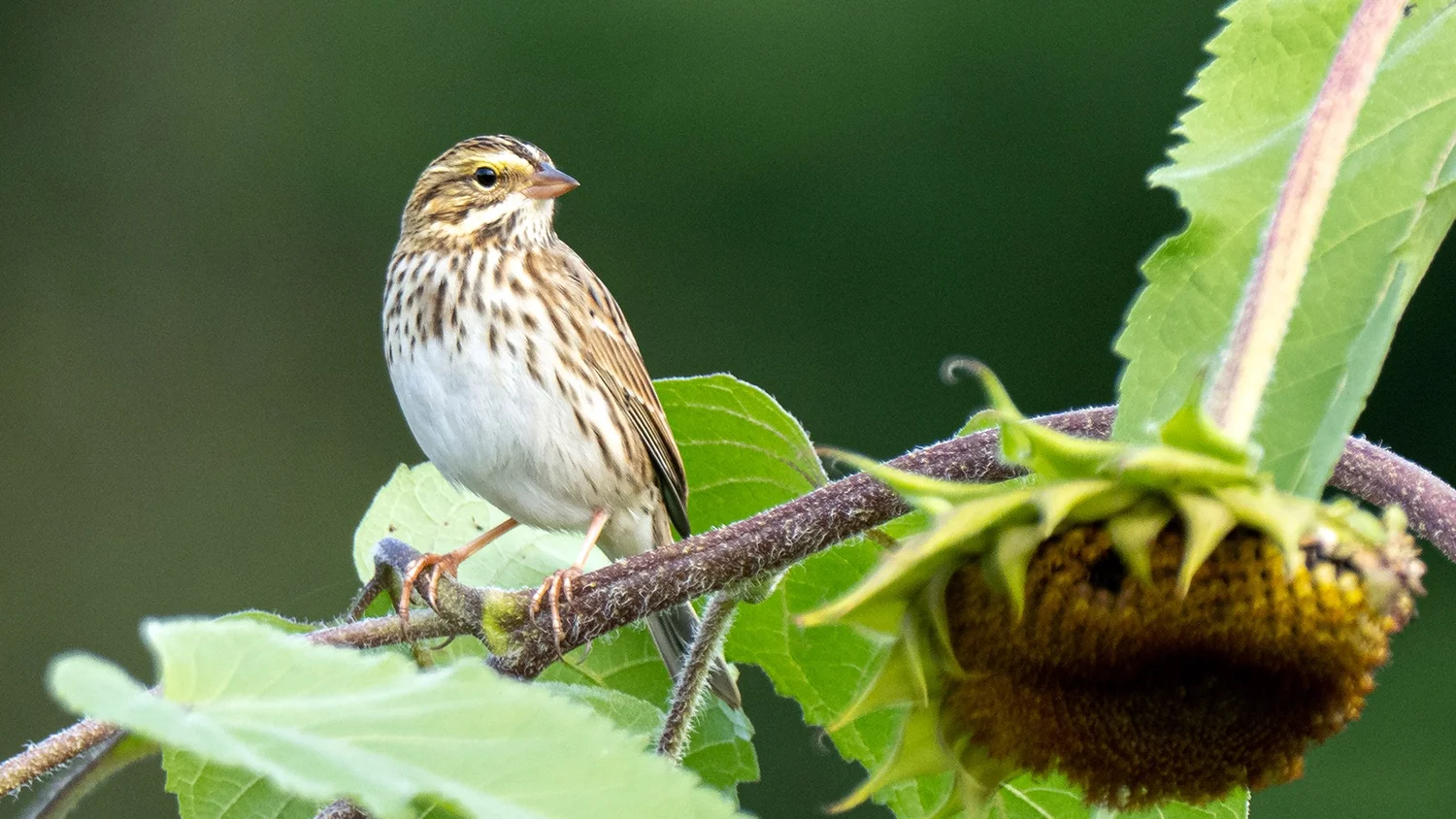
Credit: www.eastsideaudubon.org
Threats To Bird Habitats
Bird habitats face many threats that endanger their survival. These threats reduce safe places for birds to live, feed, and breed. Understanding these dangers helps us protect bird species and maintain nature’s balance.
Habitat Loss And Fragmentation
Bird habitats shrink due to human activities like farming and building. Forests and wetlands get cut into smaller patches. This fragmentation isolates bird populations and lowers their chances to find food and mates. Smaller habitats mean fewer birds can survive there.
Pollution Effects
Pollution harms birds directly and indirectly. Chemicals in water and soil poison birds and their food sources. Plastic waste causes injury and death. Noise pollution disturbs bird communication and breeding. Clean air and water are vital for bird health.
Climate Change Impact
Changing temperatures alter bird habitats quickly. Some birds must move to cooler areas to survive. Weather patterns change, affecting food availability and nesting times. Extreme storms destroy nests and reduce bird numbers. Climate shifts challenge birds’ ability to adapt fast enough.
Invasive Species
Non-native plants and animals disrupt bird habitats. Invasive predators eat bird eggs and young birds. Invasive plants change habitat structure and reduce native food plants. These species compete with birds for resources. Keeping invasive species out helps protect native birds.
Conservation Efforts For Bird Habitats
Protecting bird habitats is vital for keeping bird populations healthy. Many efforts focus on saving the places where birds live, feed, and breed. These actions help maintain nature’s balance and support biodiversity. Conservation includes setting aside safe spaces, fixing damaged lands, involving people, and making laws to guard habitats.
Protected Areas And Reserves
Protected areas give birds safe homes away from threats. National parks and wildlife reserves stop deforestation and hunting. These zones preserve key habitats like forests, wetlands, and grasslands. They act as refuges where birds can thrive.
- Nature reserves keep ecosystems intact.
- Bird sanctuaries focus on species at risk.
- Protected wetlands support waterbird populations.
Restoration Projects
Restoration helps heal damaged habitats. Planting native trees and cleaning polluted waters rebuild natural areas. These projects create more space and food for birds. Restored habitats improve nesting and migration paths.
- Reforestation brings back forest homes.
- Wetland restoration revives breeding grounds.
- Removing invasive plants supports native species.
Community Involvement
Local people play a big role in conservation. Education raises awareness about bird protection. Volunteers help monitor bird populations and clean habitats. Community support builds lasting care for nature.
- School programs teach bird-friendly habits.
- Citizen science tracks bird numbers.
- Local groups organize habitat clean-ups.
Legislation And Policies
Strong laws protect bird habitats from destruction. Governments enforce rules against illegal logging and hunting. International agreements help conserve migratory bird routes. Policies guide land use to balance nature and development.
- Protected area designations restrict harmful activities.
- Wildlife protection laws penalize habitat damage.
- Conservation treaties promote global cooperation.
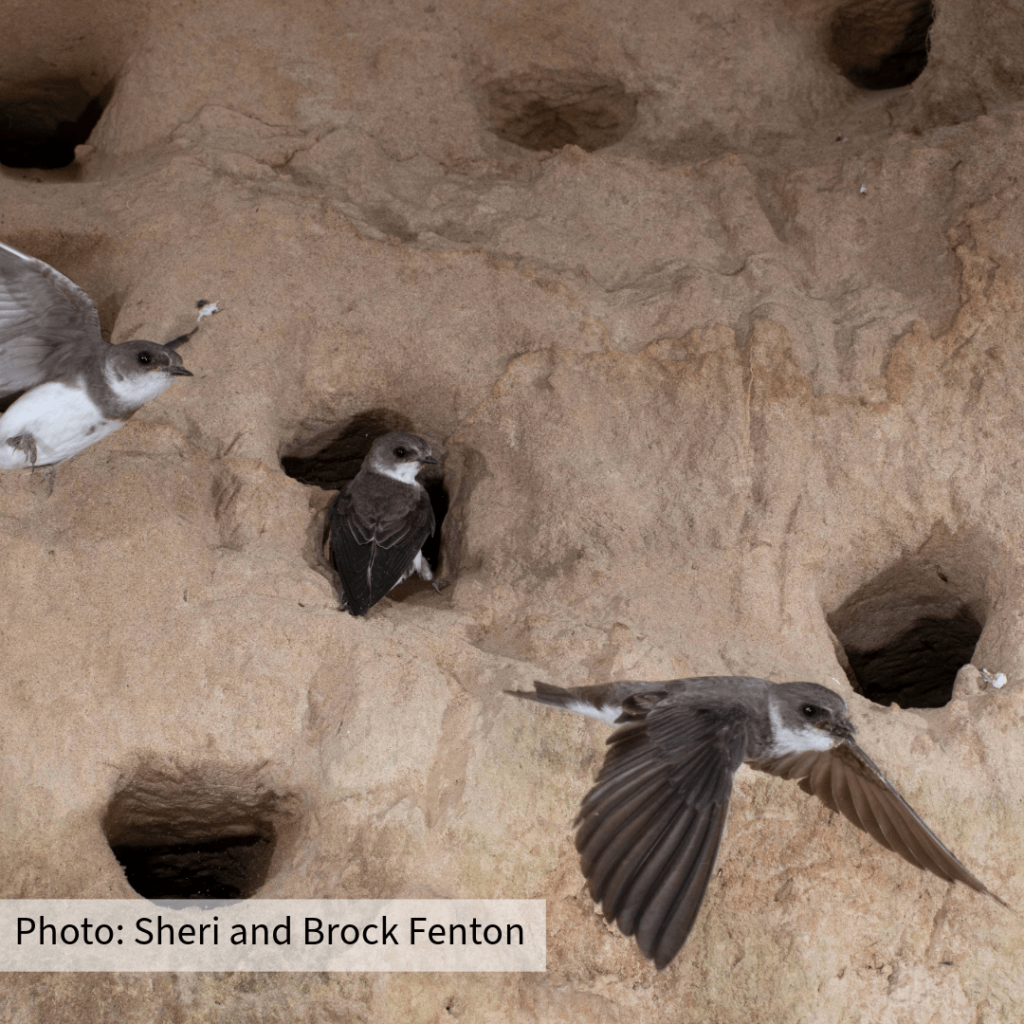
Credit: learn.birdscanada.org
Frequently Asked Questions
What Types Of Habitats Do Birds Live In?
Birds live in diverse habitats like forests, wetlands, grasslands, deserts, and urban areas. Each species adapts to its environment. Habitat choice depends on food availability, shelter, and breeding needs.
How Do Bird Habitats Affect Their Survival?
Habitat quality directly impacts birds’ food supply, nesting sites, and protection from predators. Healthy habitats support larger bird populations. Habitat loss can lead to population decline and increased extinction risk.
Why Do Some Birds Prefer Wetlands As Habitats?
Wetlands provide abundant food, water, and nesting sites. They offer protection and rich biodiversity. Many waterfowl and shorebirds rely on wetlands for breeding and feeding.
Can Birds Adapt To Urban Habitats?
Yes, many bird species adapt well to urban areas. They find food in parks and buildings and nest in safe spots. Urban habitats can support diverse bird populations with proper green spaces.
Conclusion
Birds live in many types of places. Some prefer forests, others like wetlands or deserts. Each bird finds a home that fits its needs. Habitats give birds food, shelter, and safety. Protecting these places helps keep bird populations healthy. We all can help by respecting nature and avoiding harm.
Birds show us how life adapts and survives. Their habitats tell a story of balance and care. Understanding where birds live helps us appreciate the world more. Let’s watch and learn from these amazing creatures.




