
Having a bird fluttering around inside your house can be stressful and confusing. You want to help the little creature, but you also need to keep your home safe and intact.
If you’re wondering how to get a bird out of your house quickly and calmly, you’re in the right place. This guide will give you simple, effective steps that anyone can follow. By the end, you’ll know exactly what to do to make your home bird-free without causing harm or chaos.
Keep reading—your peace of mind is just a few easy tips away.
Credit: www.modernexteriorroofing.com
Signs Of A Bird Inside
Noticing signs of a bird inside your home is the first step to safely guiding it out. Birds trapped indoors often behave in ways that reveal their presence, even if you don’t see them immediately. Being aware of these signs helps you act quickly and prevent damage or stress to the bird.
Common Bird Behaviors Indoors
Birds usually try to find an exit quickly, which makes them fly around windows and light sources. You might hear sudden flapping or chirping sounds, especially near glass or ceiling corners. Sometimes, they perch silently in dark or high spots, staying still to avoid detection.
Look for scattered feathers or small droppings on furniture and floors as clues. You might also notice curtains or blinds moving oddly if a bird brushes against them. These signs show the bird is trying to escape but is confused or scared.
Identifying Bird Species
Knowing the type of bird inside can help you decide how to handle the situation. Small songbirds like sparrows or finches often panic and flutter rapidly, while larger birds such as pigeons may appear more sluggish but cause more mess.
If you spot the bird, note its color, size, and beak shape. This information can help you find specific advice online for that species. For example, a hummingbird needs gentle handling and quick release, while a larger bird might require more space to calm down.
Have you ever paused to watch the bird’s movements closely? Understanding its behavior can reduce your frustration and make the rescue easier. What signs have you noticed that helped you spot a hidden bird before?
Preparing Your Space
Preparing your space is the first step to help a bird find its way out safely. A calm and clear room makes the bird less stressed and easier to guide. Take a moment to organize the area before trying to help the bird leave.
Remove anything that could block the bird’s path or cause injury. A neat space encourages the bird to fly toward the exit without confusion.
Clearing Obstacles
Start by moving furniture and objects away from the bird’s flight path. Items like chairs, tables, and decorations can trap the bird or make it nervous. Keep the floor clear so the bird can land safely if needed.
Turn off ceiling fans and close doors to other rooms. This prevents the bird from flying deeper inside the house. The goal is to create one open path that leads outside.
Opening Exit Points
Open windows and doors that lead directly outdoors. The bird needs a clear and inviting way to leave. Remove screens or any barriers that block the exit.
Make sure the openings are large enough for the bird to pass through easily. Bright natural light at the exit helps the bird see the way out clearly.
Guiding The Bird Outside
Guiding a bird safely outside requires calm and patience. Birds often feel stressed and confused indoors. Helping them find their way out gently reduces harm and fear. Use simple, quiet actions to lead the bird toward an exit. Avoid sudden moves or loud noises that could scare it away.
Using Natural Light
Open windows and doors to let in natural light. Birds are drawn to brightness and open spaces. Clear any curtains or blinds blocking the light source. This creates a visible path for the bird to follow.
Turn off indoor lights to make the outside light more noticeable. The bird will instinctively move toward the brightest spot. Keep the room calm and quiet to avoid distractions.
Employing Gentle Movements
Move slowly and quietly near the bird. Sudden gestures can frighten it and cause panic. Use soft hand motions to guide the bird gently.
Stand behind the bird to encourage forward movement. Avoid chasing or cornering it. Let the bird fly at its own pace toward the exit.

Credit: www.amazon.com
Tools And Techniques
Getting a bird out of your house requires the right tools and techniques to ensure the bird’s safety and your peace of mind. Using simple household items combined with gentle handling can prevent harm to the bird and avoid damage to your home. Let’s look at some practical ways you can safely guide a bird back outside.
Using Towels Or Nets Safely
Towels and nets can be very effective in capturing a bird without causing injury. Choose a lightweight towel or a soft, fine-mesh net to avoid harming the bird’s feathers or wings.
Approach the bird slowly and calmly to avoid startling it. If you use a towel, gently throw it over the bird, then carefully scoop it up, making sure not to squeeze too tightly.
When using a net, move it smoothly and cover the bird quickly. After capture, carry the bird outside and release it gently.
Setting Up Temporary Bird Traps
Temporary traps can help if the bird is hard to catch by hand. A simple trap can be made using a box propped up with a stick and bait like seeds or fruit placed inside.
Once the bird enters to get the bait, pull the stick to close the box. Check the trap frequently to avoid stressing the bird.
Make sure to release the bird immediately once trapped, in a safe outdoor area. Have you considered what bait might attract your particular visitor?
Preventing Future Incidents
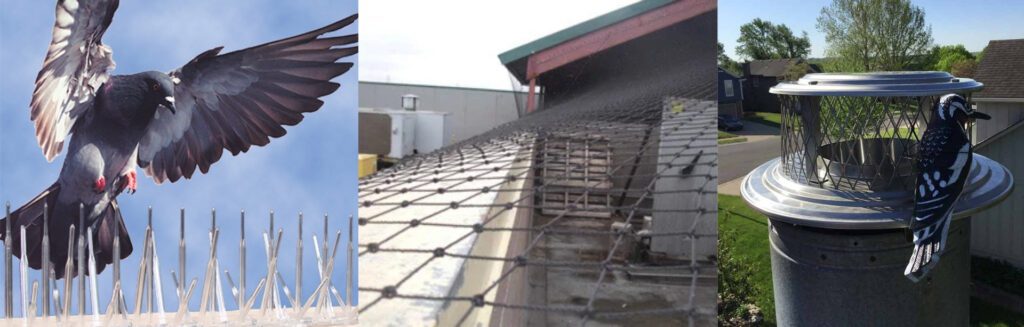
Preventing birds from entering your house again saves time and stress. Taking simple steps can keep your home bird-free. These actions protect your space and avoid future surprises.
Securing Doors And Windows
Check all doors and windows for gaps or cracks. Use weather stripping or mesh screens to seal openings. Keep doors closed tightly, especially during dawn and dusk. Install door sweeps to block small spaces at the bottom. Regularly inspect screens for tears and repair them fast.
Removing Attractants
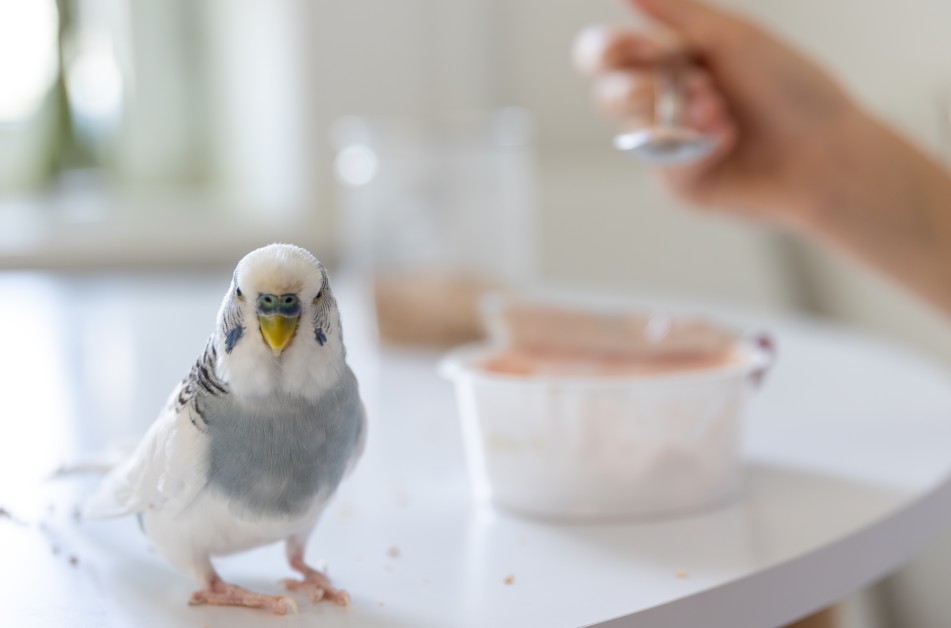
Birds enter homes searching for food or shelter. Remove bird feeders near windows or doors. Clean up crumbs and spills immediately. Store food in sealed containers to avoid smells. Trim trees or bushes close to your house. Clear out nesting materials like leaves or twigs from eaves and vents.
Credit: www.petassure.com
When To Call A Professional
Calling a professional might be necessary if the bird seems injured or aggressive. If initial attempts fail and the bird remains trapped, expert help ensures safe removal. Professional assistance can prevent harm to both the bird and your home.
Getting a bird out of your house can be both a thrilling and nerve-wracking experience. Sometimes, despite your best efforts, the little feathery guest refuses to leave or poses a danger to itself or your home. This is when calling a professional becomes not just an option but a necessity. Professionals have the right tools and experience to ensure the safety of both the bird and your living space. But when exactly should you consider making that call?Handling Injured Birds
If a bird appears injured, it’s crucial to handle the situation with care. Attempting to help an injured bird on your own may worsen its condition. A professional wildlife rehabilitator can provide the necessary care and treatment to help the bird recover. Injured birds may seem lethargic or unable to fly properly. A professional can safely capture and transport the bird to a wildlife facility where it can receive specialized attention. It’s comforting to know that you’re doing the best for the bird by entrusting it to skilled hands.Dealing With Persistent Intruders
Some birds simply refuse to leave, no matter how many windows you open or gentle shooing gestures you make. In these cases, a professional may be needed to coax the bird out without causing it stress. Persistent intruders can sometimes nest in hidden corners, making them tricky to evict. You might wonder if your home has become an attractive nesting spot. Professionals can offer advice on preventing future visits, such as blocking entry points or using deterrents. This ensures that your feathery friend’s visit remains a rare occurrence rather than a regular event. Have you ever faced a situation where a bird simply wouldn’t leave? What steps did you take before deciding to call in a pro? Your experiences could offer valuable insights to others facing similar challenges.Frequently Asked Questions
How Can I Safely Catch A Bird Inside My House?
Use a lightweight towel or box to gently cover the bird. Approach slowly to avoid startling it. Once contained, release it outside carefully.
What Should I Do If A Bird Hits My Window?
Close nearby curtains to reduce reflections. Open windows and doors to provide an escape route. Give the bird time to recover before it flies away.
How Do I Prevent Birds From Entering My Home?
Seal gaps around doors and windows. Use screens on vents and chimneys. Remove food sources and keep doors closed to deter birds.
Can I Use Food To Lure A Bird Out?
Yes, place birdseed or fruit near an open door or window. This attracts the bird and encourages it to leave peacefully.
Conclusion
Getting a bird out of your house takes calm and patience. Open windows and doors to give it an easy way out. Turn off lights and stay quiet to avoid scaring it. Use gentle movements, and do not chase the bird.
With care, the bird will find its way outside. Remember, safety for both you and the bird matters most. This simple approach helps solve the problem quickly and without harm.




