
Have you ever wondered if you can paint bird houses without harming the little creatures that might call them home? You want your birdhouse to look inviting and beautiful, but you also care about the safety of the birds.
Choosing the right paint and knowing how to apply it can make all the difference. You’ll discover everything you need to know to create a colorful, safe space for your feathered friends. Keep reading to learn how to bring your birdhouse to life while protecting the birds you want to attract.
Choosing The Right Paint
Choosing the right paint for your birdhouse is more important than you might think. It affects not only the look but also the safety and comfort of the birds that will call it home. The paint you select should protect the wood without causing harm to the birds or disrupting their natural behavior.
Non-toxic Options
Birds are sensitive to chemicals, so using non-toxic paint is essential. Look for paints labeled as safe for children’s toys or those specifically marked non-toxic. These paints avoid harmful solvents and heavy metals that can poison birds or their chicks.
I once painted a birdhouse with regular outdoor paint and noticed no bird activity for weeks. Switching to a non-toxic, water-based paint brought the little visitors back quickly. This shows how crucial safe paint really is for attracting birds.
Water-based Vs Oil-based Paints
Water-based paints dry faster and have fewer fumes, making them safer for both you and the birds. They also clean up easily with soap and water. Oil-based paints, while more durable, contain strong chemicals that can be harmful and slow to dry.
If you want your birdhouse to last through harsh weather, consider a quality water-based exterior paint. It balances durability with safety. Avoid oil-based paints inside the house where birds nest, as lingering fumes can affect their health.
Color Selection And Bird Attraction
Colors can influence whether birds decide to visit or avoid your birdhouse. Bright colors like red or yellow might attract certain species, but they can also draw predators. Subtle earth tones such as green, brown, or blue often blend into the environment, offering birds more protection.
Have you noticed which colors draw birds to your garden? Try painting different houses in various shades and observe their preferences. This hands-on approach helps you choose colors that not only look good but also provide a safe space for birds.

Credit: thecrownedgoat.com
Preparing The Bird House
Preparing your bird house before painting is crucial to ensure the paint sticks well and lasts longer. A well-prepared surface not only looks better but also protects the wood from weather damage. Taking the time to clean, sand, and prime will make your painting project more successful and inviting for birds.
Cleaning The Surface
Start by removing any dirt, dust, or old paint flakes from the bird house. Use a damp cloth or a soft brush to gently clean the surface without damaging the wood. If the bird house has mold or mildew, a mild soap solution can help remove it—just make sure the wood dries completely before moving on.
Sanding For Smoothness
Sanding smooths out rough spots and helps the paint adhere better. Use fine-grit sandpaper to gently rub the surface, paying attention to edges and corners. After sanding, wipe away the dust with a dry cloth to keep the surface clean and ready for painting.
Priming Tips
Priming creates a protective base that improves paint coverage and durability. Choose a non-toxic, water-based primer safe for birds since harsh chemicals can harm them. Apply a thin, even coat and allow it to dry fully before painting—this step can make a big difference in how your paint looks and lasts.
Safe Painting Techniques
Painting bird houses can add charm and help protect the wood, but it’s important to do it safely. Using the right techniques ensures the birds remain healthy and your project lasts longer. Let’s look at some practical ways to paint without harming the little residents.
Applying Thin Coats
Thick paint layers can trap moisture inside the wood, causing it to rot faster. Applying thin coats allows the wood to breathe and helps the paint dry evenly. You can start with a light layer, wait for it to dry, then add another thin coat for better coverage.
Try using a small brush for more control and to avoid drips. This approach not only looks neater but also prevents paint buildup that can peel or crack. Have you noticed how thin layers often last longer on outdoor wood surfaces?
Avoiding Paint Inside The House
Birds need a safe, clean space inside their homes. Paint fumes and chemicals can harm them if applied inside the bird house. Use painter’s tape or masking to cover the interior before painting the outside.
It’s easy to accidentally get paint inside, especially around edges or openings. Protecting the interior ensures the birds won’t come in contact with harmful substances. How careful are you when painting tight spaces?
Drying Time And Weather Considerations
Choosing the right weather to paint is crucial. Avoid painting on rainy or very humid days because moisture slows drying and can ruin the finish. Sunny, mild days with low wind are ideal for quick drying and smooth results.
Patience pays off—letting each coat dry fully before adding another prevents smudges and peeling. Have you ever rushed a paint job only to regret the streaks and bubbles later? Take your time to protect your bird house investment.

Credit: www.youtube.com
Protecting The Bird House
Protecting your bird house is essential to ensure it lasts through various weather conditions and remains a safe haven for birds. Proper protection helps maintain the structure’s durability while keeping the wood from rotting or cracking. Let’s look at some practical ways to shield your bird house effectively.
Sealing And Waterproofing
Sealing your bird house adds a strong layer of defense against rain and moisture. Use a clear, non-toxic sealant designed for outdoor wood to keep water out without changing the appearance of the wood.
Apply the sealant to all surfaces, including edges and corners where water tends to seep in. Remember to let each coat dry completely before adding another to build a solid waterproof barrier.
Avoiding Toxic Sealants
Not all sealants are safe for birds. Some contain chemicals that can harm the birds’ health or discourage them from nesting. Always choose water-based, non-toxic, and bird-safe sealants to protect both your bird house and its occupants.
Think about how a strong smell might affect a visitor’s willingness to move in. If you’re unsure about a product, check its label or consult bird conservation resources before applying it.
Maintaining The Paint Over Time
Paint on your bird house won’t last forever, especially when exposed to sun, rain, and wind. Regularly check for peeling or fading paint and touch up as needed to keep the wood protected and the house looking fresh.
Keep a small paint kit handy so you can quickly fix any damage. This routine not only extends the life of your bird house but also shows you care about your feathered friends’ home environment.
Placement And Environmental Factors
Choosing the right place for your bird house affects birds’ comfort and safety. Placement and environmental factors help birds feel at home. These details can improve bird visits and nesting success.
Choosing The Right Location
Pick a quiet area with little human traffic. Avoid spots near busy roads or playgrounds. Place the bird house near trees or bushes for shelter. Make sure the area has enough space for birds to fly in and out easily. Mount the house at the right height depending on the bird species you want to attract.
Sunlight And Temperature Effects
Bird houses need some sunlight but not too much. Direct afternoon sun can make the house too hot inside. Aim for a spot with morning sunlight and afternoon shade. This keeps the house warm but not overheated. Ventilation holes help air flow and keep the temperature balanced. Avoid placing houses in areas that get cold wind or heavy rain.
Predator Protection
Protect birds from predators like cats and raccoons. Place bird houses away from easy jumping points like fences or roofs. Use metal guards around the pole or tree to stop climbing predators. Avoid houses near dense bushes where predators can hide. Secure the house firmly to prevent it from falling during strong winds or animal attacks.
Common Mistakes To Avoid
Painting bird houses can be a fun activity, but avoid toxic paints. Choose colors that blend with nature. Ensure the paint is weather-resistant to protect the house.
Painting birdhouses can be a delightful activity, adding a touch of color and charm to your garden. But there are common pitfalls that can turn this fun project into a potential hazard for birds. Knowing what to avoid is crucial to ensuring your feathered friends have a safe and inviting home.Using Toxic Materials
Selecting the right paint is crucial for the safety of birds. Many paints contain chemicals that are harmful if ingested or inhaled by birds. Choose non-toxic, water-based paints. These are safer and minimize risk. Always check the label for any harmful ingredients before purchasing.Overpainting
While it might be tempting to layer on the paint for a vibrant look, overpainting can be detrimental. Thick layers can lead to peeling, which can endanger birds if ingested. Limit yourself to one or two thin coats. This approach ensures the paint adheres well without creating a hazard.Ignoring Ventilation And Drainage
A beautifully painted birdhouse is useless if it lacks proper ventilation and drainage. Birds need a comfortable and safe environment, and poor design can lead to overheating or water accumulation. Ensure your birdhouse has small holes for air circulation and water drainage. Check these features before painting, and avoid sealing them with paint. Engage with your birdhouse project thoughtfully, considering these common mistakes. Have you encountered other pitfalls in your crafting endeavors? Share your experiences and tips in the comments below!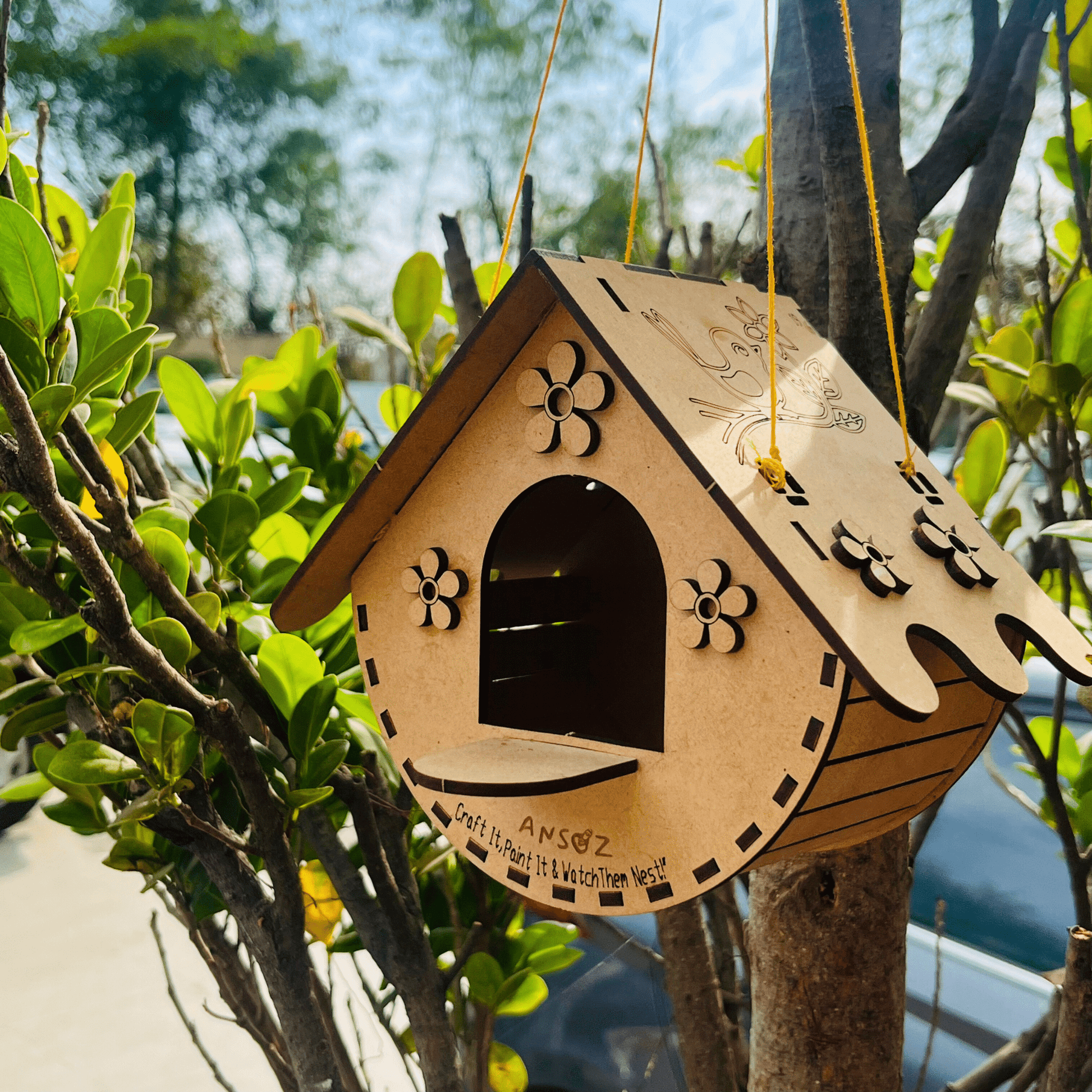
Credit: ansoz.com
Frequently Asked Questions
Can You Use Any Paint On Bird Houses?
No, use non-toxic, water-based paints safe for birds. Avoid oil-based or lead paints as they harm birds. Choose light colors to prevent overheating. Ensure the paint is fully dry before placing the birdhouse outside.
When Is The Best Time To Paint Bird Houses?
Paint birdhouses before assembling or during cool, dry weather. Avoid painting in direct sunlight or high humidity. This helps the paint dry evenly and prevents peeling. Paint early spring or late fall is ideal for outdoor conditions.
How Often Should You Repaint A Bird House?
Repaint birdhouses every 2-3 years or when paint peels. Regular repainting protects the wood and keeps the birdhouse safe. Use safe, non-toxic paint each time. Inspect birdhouses annually for wear and repaint as needed.
Does Painting Affect Bird House Durability?
Yes, painting increases durability by protecting wood from weather damage. Proper paint prevents moisture absorption and wood rot. Use breathable, non-toxic paint for best results. This keeps birdhouses sturdy and safe for nesting birds.
Conclusion
Painting bird houses can add color and protect the wood. Choose safe, non-toxic paints to keep birds healthy. Use light colors to avoid heating the house too much. Let the paint dry fully before placing the house outside. Painted bird houses can attract birds and brighten your garden.
Simple care helps birds find a safe, cozy home. Try painting one and enjoy watching birds visit often. Small steps make a big difference for nature around you.




