
Have you ever wanted to bring more life and color to your backyard? Making a homemade bird feeder is one of the easiest and most rewarding ways to do just that.
Not only will you attract beautiful birds right outside your window, but you’ll also create a peaceful spot to relax and connect with nature. Plus, building your own feeder is fun, budget-friendly, and perfect for all skill levels. Keep reading, and you’ll discover simple steps to craft your own bird feeder that will keep feathered friends coming back again and again.
Materials Needed
Gathering the right materials sets you up for a smooth and enjoyable homemade bird feeder project. Knowing exactly what you need helps avoid last-minute trips to the store and keeps the creative flow steady. Let’s look at the essentials you’ll want to have on hand before you start crafting.
Basic Supplies
- Wooden board or recycled materials:Pieces like old pallets, wooden crates, or even sturdy cardboard can form the base.
- Strong glue or nails:These hold your feeder together securely. Choose what suits your skill level and tools available.
- String, rope, or wire:Use these to hang your feeder from branches or hooks.
- Birdseed:Select a mix that suits local birds, like sunflower seeds or millet.
- Scissors and screwdriver or hammer:Basic tools for cutting and assembling your feeder parts.
- Paintbrush and non-toxic paint (optional):For sealing and protecting wooden feeders.
Think about the environment around your home. What materials do you already have that could be repurposed? Sometimes the best feeders come from simple, everyday items.
Optional Decorative Items
- Colorful beads or buttons:Add charm and attract birds by catching their attention.
- Shells or small stones:Provide a natural look and extra weight to keep the feeder stable.
- Ribbon or fabric scraps:Use these for hanging loops or decorative accents.
- Stencils or stickers:Personalize your feeder with patterns or bird-friendly messages.
- Clear sealant spray:Protect decorations and the feeder from weather damage.
What small touches can you add to make your feeder unique? Remember, decorations shouldn’t interfere with the birds’ access or safety. Sometimes, simplicity wins, but a bit of flair can make your garden a welcoming spot for feathered visitors.
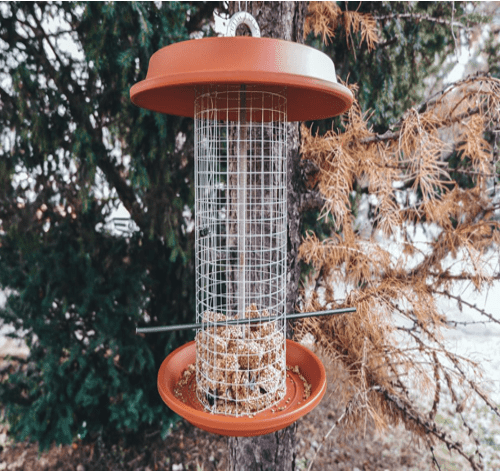
Credit: greengoddess.co.nz
Choosing The Right Bird Feeder Type
Choosing the right bird feeder type is key to attracting the birds you want and making your homemade feeder a success. Different feeders suit different bird species and feeding habits. Think about the birds in your area and what type of food they prefer before you start building.
Platform Feeders
Platform feeders are simple, flat surfaces where you can scatter seeds or fruits. They attract a wide variety of birds, from cardinals to sparrows, because they offer easy access. If you want to watch many types of birds, a platform feeder is a good choice.
Keep in mind that platform feeders are open, so seeds can get wet or spoiled quickly. You might need to clean them often. Do you have a sheltered spot where you could place one to protect it from rain?
Tube Feeders
Tube feeders are long cylinders with small feeding ports, ideal for seeds like sunflower or nyjer. These feeders are great if you want to attract finches, chickadees, or nuthatches, who enjoy feeding through small holes. The design helps keep seeds dry and reduces waste.
Consider if you want to prevent squirrels or larger birds from taking over. Tube feeders often come with features to discourage unwanted visitors. Would you like to try adding a baffle or weight-sensitive perch to your homemade version?
Suet Feeders
Suet feeders hold blocks of fat mixed with seeds and insects, perfect for woodpeckers, nuthatches, and other insect-eating birds. They work well in colder months when birds need extra energy. If you live in a cooler climate or want to support birds year-round, suet feeders are a smart choice.
Building a suet feeder can be as simple as creating a small cage or frame to hold the suet block. Think about placing it near trees where woodpeckers like to perch. Could your backyard use a little extra bird activity during winter?
Step-by-step Construction
Building a homemade bird feeder is a fun project. It brings birds closer to your window. Follow simple steps to create a safe, attractive feeder. This guide breaks down the process clearly.
Preparing Materials
Gather all needed items before starting. Choose safe, non-toxic materials to protect birds.
- Wood or recycled plastic for the base
- Clear plastic or glass for the roof (optional)
- Screws or nails for assembly
- Drill or screwdriver
- Sandpaper to smooth edges
- Birdseed suited for local birds
- String or wire for hanging
Clean and dry all materials. Cut wood pieces to size if needed. Sand rough edges to avoid injury to birds.
Assembling The Feeder
Start by creating the base platform. Attach side walls or edges to hold seeds. Use screws or nails for strong joints.
Fix the roof to protect seeds from rain. Make sure it is stable and secure. Leave openings for birds to enter easily.
Drill holes for drainage to prevent seed rot. Check all parts for sharp edges or loose screws. Smooth or tighten as needed.
Adding Finishing Touches
Attach string or wire for hanging. Ensure it is strong enough to hold the feeder’s weight.
Optional: Paint with bird-safe, non-toxic paint. Avoid bright colors that may scare birds.
Fill the feeder with fresh birdseed. Place it outside in a quiet, visible spot. Watch and enjoy visiting birds safely.

Credit: www.youtube.com
Selecting Bird Food
Choosing the right food is key to attracting a variety of birds to your homemade feeder. Different birds prefer different types of food, so understanding what to offer can make your feeder a popular spot. Think about what birds are common in your area and what they naturally eat.
Seeds And Grains
Seeds are the most common and versatile food for bird feeders. Black oil sunflower seeds are a favorite for many birds because they have a thin shell and high oil content, which provides energy. Millet and cracked corn are also popular choices, especially for ground-feeding birds like sparrows and doves.
If you want to attract finches, offer nyjer seeds. They are tiny but pack a lot of nutrition. Remember to keep seeds dry and fresh to prevent mold, which can harm birds.
Fruits And Nuts
Fruits like apples, oranges, and berries can attract fruit-eating birds such as robins and waxwings. You can place small pieces directly on the feeder or skewer them on branches nearby. Avoid fruits treated with pesticides to keep the birds safe.
Nuts provide essential fats and proteins. Shelled peanuts and almonds are popular choices, but make sure they are unsalted and unflavored. You might notice woodpeckers and jays showing up more often when you add nuts to your feeder.
Specialty Mixes
Specialty bird food mixes combine seeds, grains, nuts, and dried fruits in one package. These mixes are designed to attract a wider variety of birds. Look for blends labeled for specific types of birds or seasons to match your local bird population’s needs.
Sometimes, mixing your own blend can be more rewarding and cost-effective. Try adding a handful of mealworms or dried insects to the mix to attract insect-eating birds. Have you tried creating your own blend yet?
Placement Tips
Choosing the right spot for your homemade bird feeder can make all the difference in attracting feathered visitors. Placement affects not only how many birds come but also how safe and comfortable they feel while feeding. Let’s look at some key tips that help your feeder become a favorite hangout.
Safe Locations
Safety is a top priority for birds. Position your feeder where it is protected from predators like cats and squirrels. Placing it near dense bushes or trees provides quick cover for birds if danger appears.
Avoid spots too close to windows to reduce bird collisions. At least 3 feet away or 30 feet away from glass surfaces works best. Have you noticed birds avoiding feeders near open spaces? That’s often because they feel exposed and vulnerable.
Visibility And Accessibility
Your feeder should be easy for birds to spot but also easy for you to refill and clean. A location in clear view helps birds find food quickly. Think about areas where you often watch birds—this makes the experience more enjoyable for you.
Keep the feeder at a height that prevents interference from pets but allows you to reach it without hassle. Around 5 to 6 feet high is ideal. Have you ever struggled to reach a feeder on a tall pole? Choosing the right height saves you frustration and keeps the feeder in good shape.
Maintenance And Cleaning
Clean the bird feeder regularly to prevent mold and keep birds safe. Use warm, soapy water and rinse well. Dry completely before refilling with fresh seeds.
Maintaining and cleaning your homemade bird feeder is as crucial as building it. A well-maintained feeder not only ensures the health of visiting birds but also prolongs the life of your creation. By implementing a regular cleaning routine, you can enjoy the beauty of birdwatching without any hitches.Regular Cleaning Schedule
To keep your bird feeder in top condition, establish a regular cleaning schedule. Ideally, clean your feeder every two weeks. If you notice an increase in bird traffic, consider cleaning it weekly. Remove old seeds and debris each time you clean. A simple soap and water solution works wonders. Be sure to rinse thoroughly to avoid any soap residue, which can be harmful to birds.Preventing Mold And Pests
Mold and pests are common issues that can deter birds from visiting your feeder. To prevent mold, ensure the seeds remain dry. Consider using a feeder with drainage holes or place it under a sheltered spot during rain. To keep pests like squirrels and ants at bay, you might try a few strategies. A squirrel baffle can deter these furry thieves. For ants, a little petroleum jelly around the hanger can do the trick. Do you have any tips or tricks for maintaining a bird feeder? Sharing your insights can help create a community of bird lovers dedicated to the well-being of our feathered friends.Attracting Different Bird Species
Creating a homemade bird feeder invites many bird species to your garden. Using simple materials and varied seeds helps attract different birds easily. Place feeders in quiet spots to encourage frequent visits.
Attracting a variety of bird species to your homemade bird feeder can transform your backyard into a vibrant sanctuary. Different birds are drawn to different types of food, and by tailoring your offerings, you can invite a delightful diversity of feathered friends. Imagine your delight as you sip your morning coffee, watching a colorful array of birds flitting to and fro.Tailoring Food Choices
Choosing the right food is essential. Sunflower seeds are a universal favorite, attracting species like cardinals and chickadees. However, adding peanuts may entice jays, while nyjer seeds are a magnet for goldfinches. Consider setting up multiple feeders with different offerings. This way, you cater to the unique preferences of each bird species. Your food choices can also depend on your location. Research which birds are native to your area and their dietary needs. This information can guide you in creating a menu that appeals to your local avian population.Seasonal Adjustments
Birds’ needs change with the seasons. In winter, high-energy foods like suet are crucial for survival. As spring arrives, switch to foods like mealworms, which provide the protein needed for breeding. During summer, focus on fruits and seeds, as natural food sources are more abundant. Fall is the time to prepare your feeders with nuts and seeds, helping birds store energy for migration or the upcoming cold months. Have you noticed how the birds’ feeding habits shift as the seasons change? Observing these patterns can make your bird-feeding efforts more effective and rewarding. Adjusting your offerings seasonally not only attracts diverse species but also supports them year-round.
Credit: www.youtube.com
Frequently Asked Questions
What Materials Do I Need To Make A Homemade Bird Feeder?
You need basic materials like wood, nails, glue, and birdseed. Optional items include recycled containers, string, and paint. Using natural, non-toxic materials ensures bird safety and durability.
How Do I Attract Birds To My Homemade Feeder?
Place the feeder in a quiet, shaded spot near trees or shrubs. Use fresh, high-quality birdseed suited for local birds. Regular cleaning and refilling keep birds coming back.
Can I Use Recycled Items For A Bird Feeder?
Yes, recycled items like milk cartons, plastic bottles, and tin cans work well. Clean and modify them safely to create feeders. This method is eco-friendly and budget-friendly.
How Often Should I Clean My Homemade Bird Feeder?
Clean the feeder every two weeks to prevent mold and disease. Use warm soapy water and rinse thoroughly. Regular cleaning keeps birds healthy and feeder attractive.
Conclusion
Building a homemade bird feeder brings nature closer to home. It’s simple, fun, and helps birds find food. You can use easy materials and spend time outdoors. Watching birds visit feels rewarding and peaceful. Small efforts make a big difference for wildlife.
Try making one today and enjoy the beauty of birds daily.




