
If you have a lovebird, you want to make sure it stays happy and healthy. But what exactly can you feed your lovebird to keep it strong and full of energy?
Choosing the right food is more important than you might think. The wrong diet can affect your bird’s mood, feathers, and overall health. You’ll discover the best foods to give your lovebird and learn simple tips to keep its diet balanced.
Keep reading to find out how to give your feathered friend the nutrition it truly needs.
Credit: www.kaytee.com
Essential Nutrients For Love Birds
Feeding your love bird the right nutrients is key to keeping it healthy and happy. Love birds need a balanced diet that supports their energy, growth, and immune system. Understanding the essential nutrients helps you choose foods that meet these needs effectively.
Proteins And Fats
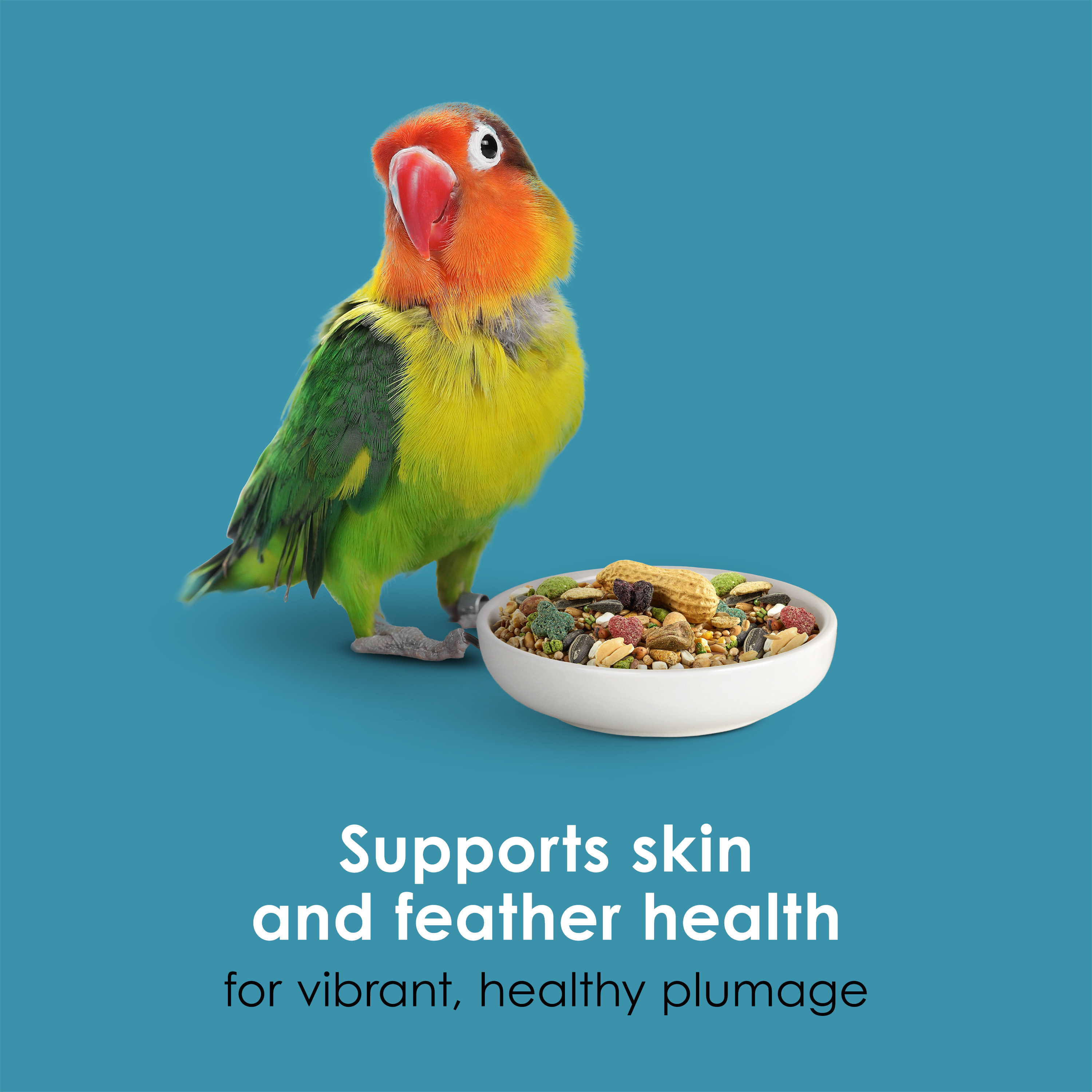
Proteins build strong muscles and repair tissues in your love bird’s body. Seeds like sunflower and millet offer good protein, but adding cooked eggs or small amounts of legumes can boost protein intake. Fats provide energy and help absorb vitamins; healthy fats from nuts and avocados (in very small amounts) keep their feathers shiny and skin healthy.
Have you noticed your love bird’s feathers looking dull? It might be a sign of insufficient fats or proteins in their diet.
Vitamins And Minerals
Vitamins like A, D, and E support vision, bone health, and immune function. Minerals such as calcium and phosphorus are critical for strong bones and egg production. Fresh fruits and vegetables like carrots, spinach, and apples are excellent sources that add variety and essential nutrients to your bird’s meals.
Try offering a colorful plate of chopped veggies alongside seeds to keep your bird interested and nourished.
Importance Of Fresh Water
Water is often overlooked but vital for your love bird’s digestion and overall health. Always provide fresh, clean water daily to prevent dehydration and illness. Changing the water regularly also stops bacteria from growing, which can harm your pet.
Do you check your bird’s water bowl more than once a day? It’s a simple habit that makes a big difference.
Credit: www.kaytee.com
Best Seeds And Pellets
Choosing the best seeds and pellets is key for your lovebird’s health. Seeds and pellets provide essential nutrients. They fuel your bird’s energy and support its growth. A balanced diet keeps your lovebird happy and active.
High-quality Seed Mixes
Seeds are a favorite treat for lovebirds. A good seed mix contains a variety of seeds like millet, sunflower, and safflower. These seeds offer protein, fats, and vitamins. Choose fresh seeds that are clean and dry. Avoid mixes with too many sunflower seeds. Too much fat can cause weight problems.
- Millet: Easy to digest and loved by birds
- Sunflower: High energy but feed in moderation
- Safflower: Rich in nutrients and less fatty
- Canary seed: Adds fiber and texture
Seed mixes should not be the only food. They are tasty but lack some vitamins. Always pair seeds with other foods for a full diet.
Pellet Benefits And Choices
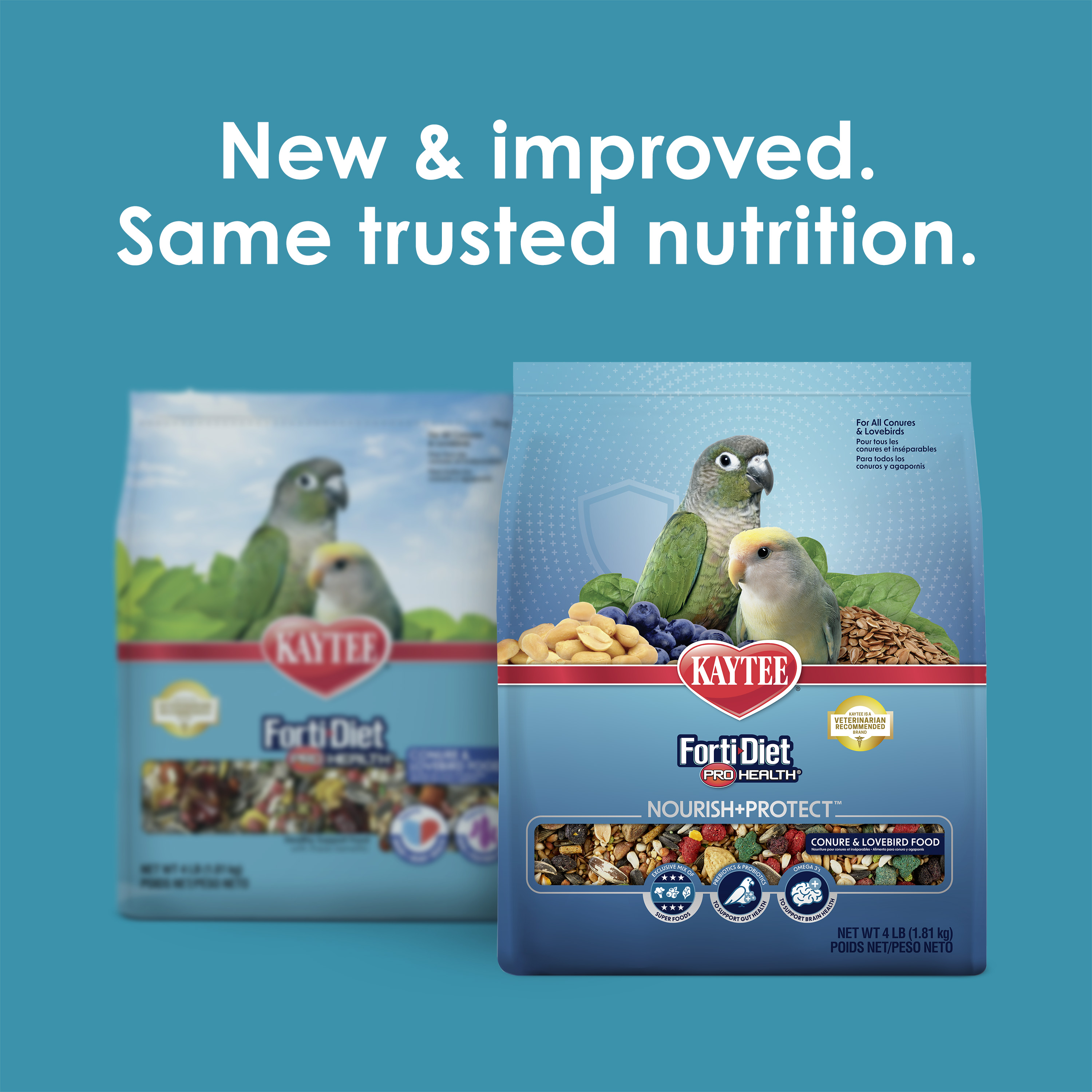
Pellets are made to meet all nutritional needs. They contain vitamins, minerals, and proteins in balanced amounts. Pellets reduce selective eating. Your lovebird gets a mix of nutrients in every bite. Choose pellets designed specifically for lovebirds or small parrots.
Look for pellets without artificial colors or flavors. These can harm your bird over time. Pellets also help keep beaks healthy by encouraging chewing.
- Complete nutrition in every pellet
- Supports immune system and feather health
- Prevents picky eating habits
- Easy to store and serve
Mix pellets with seeds gradually. This helps your lovebird accept the new food. Over time, pellets can become the main diet for better health.
Fruits And Vegetables To Offer
Fruits and vegetables are essential parts of your love bird’s diet. They provide vital vitamins, minerals, and fiber that keep your feathered friend active and healthy. Offering a variety of fresh produce not only improves their nutrition but also adds excitement to their meals.
Safe Fruits For Love Birds
Not all fruits are created equal when it comes to love birds. Some fruits can be harmful, so it’s important to stick to safe options. Your love bird will enjoy:
- Apple slices (without seeds)
- Banana pieces
- Blueberries
- Grapes (seedless)
- Melon chunks
- Strawberries
- Mango slices
Remember to wash fruits thoroughly to remove pesticides. Have you noticed how your love bird perks up when you introduce a new fruit? It’s a simple way to keep them curious and happy.
Vegetables That Boost Health
Vegetables are a powerhouse of nutrients that help your love bird stay strong. Dark leafy greens like spinach and kale are rich in vitamins A and K. Carrots and sweet potatoes provide beta-carotene, which supports vision and immune health.
- Broccoli florets
- Peas (fresh or thawed)
- Bell pepper slices (red, yellow, or green)
- Zucchini pieces
- Cucumber slices
Offer vegetables raw and chopped into bite-sized pieces to make eating easier. Have you tried mixing different veggies to find your love bird’s favorite combo? It can be a fun experiment for both of you!
Foods To Avoid
Some fruits and vegetables can be dangerous for love birds and should never be fed. Avoid avocado, as it contains toxins that can cause heart failure. Also, steer clear of onions, garlic, and rhubarb, which are harmful.
- Avocado
- Onion and garlic
- Rhubarb
- Fruit seeds and pits (apple seeds, cherry pits)
- Tomato leaves and stems
Even small amounts of these can be toxic. Do you double-check ingredients before offering new foods? It’s worth the extra caution to keep your love bird safe and thriving.
Treats And Supplements
Treats and supplements play an important role in your love bird’s diet. They not only add variety but also provide essential nutrients that might be missing from regular food. Knowing what treats are healthy and which supplements are necessary can help keep your feathered friend happy and strong.
Healthy Treat Options
Choosing the right treats is easier than you think. Fresh fruits like apple slices, berries, and melon chunks are favorites for many love birds. Just be sure to avoid avocado and fruit seeds, as they are toxic to birds.
Vegetables such as carrot sticks, broccoli florets, and leafy greens offer crunch and nutrients. You can also try millet sprays, which many love birds enjoy as a natural snack. Keep treats small and occasional so they don’t replace balanced meals.
- Apple slices (without seeds)
- Blueberries and strawberries
- Carrot and cucumber sticks
- Millet sprays
- Leafy greens like spinach or kale
Have you noticed your love bird’s favorite treat? Offering a variety might help you discover their preferred flavors and textures.
Vitamin And Mineral Supplements
Sometimes, your love bird needs a bit more than just food to stay healthy. Vitamin and mineral supplements fill nutritional gaps, especially if your bird’s diet is limited or during molting seasons. Calcium is crucial for strong bones and egg-laying females.
Look for supplements formulated specifically for birds. These often come as powders or liquids you can add to their food or water. Avoid over-supplementing, as too much of certain vitamins can harm your bird.
| Supplement | Purpose | How to Use |
|---|---|---|
| Calcium Powder | Supports bone health and egg production | Sprinkle on food 2-3 times a week |
| Vitamin A Drops | Boosts immune system and skin health | Add a few drops to water or food weekly |
| Multivitamin Mix | General nutritional support | Follow dosage on package for daily use |
Have you checked with your avian vet about which supplements suit your love bird best? Personalized advice can make a big difference in your pet’s well-being.
Feeding Schedule And Portion Sizes
Setting a proper feeding schedule and understanding portion sizes are key to keeping your love bird healthy and happy. It’s not just about what you feed them, but also when and how much. A consistent routine helps your bird feel secure and supports their overall well-being.
Daily Feeding Routine
Feed your love bird twice a day—once in the morning and once in the evening. Fresh food and clean water should always be available. Remove any uneaten fresh food after a few hours to prevent spoilage and keep your bird’s environment clean.
Seeds and pellets are typically offered in the morning, while fresh fruits and veggies can be given later. This way, your bird enjoys a balanced diet throughout the day. Keep an eye on their eating habits; changes might signal health issues.
Adjusting Portions By Age And Activity
Young love birds need smaller, more frequent meals because they burn energy quickly. Adults require moderate portions to maintain weight and vitality. Older birds may need less food but more nutrient-rich options to support aging bodies.
Consider your bird’s activity level too. A very active love bird needs more calories, while a less active one requires less food to avoid weight gain. Have you noticed how your bird’s appetite shifts with their mood or season? Adjust portions accordingly to keep them at their best.
Credit: www.kaytee.com
Common Diet Mistakes
Feeding your love bird a balanced diet is crucial for its health. Many bird owners unintentionally make common diet mistakes. These mistakes can lead to health issues. Understanding these mistakes can help you provide better care.
Overfeeding Seeds
Seeds are a favorite among love birds. Yet, they should not be the main diet. A seed-heavy diet lacks essential nutrients. It can lead to obesity and other health problems. Balance seeds with fresh fruits, vegetables, and pellets.
Toxic Foods To Watch For
Some foods are harmful to love birds. Avocado is toxic and should be avoided. Chocolate and caffeine are also dangerous. Keep your bird away from onions and garlic. These foods can cause severe health issues. Always check if a food is safe before feeding.
Encouraging Healthy Eating Habits
Encouraging healthy eating habits in love birds promotes their wellbeing. A balanced diet ensures they receive essential nutrients. This improves their overall health and lifespan. Providing a variety of foods keeps their meals interesting. This also prevents nutritional deficiencies. Understanding how to introduce new foods and monitor their eating habits is crucial.
Introducing New Foods
Start by offering small portions of new foods. Mix them with familiar ones. This helps birds adjust to new tastes. Use bright-colored fruits and vegetables. They attract love birds’ attention. Ensure the food is fresh and clean. Avoid processed or sugary snacks. Patience is key when introducing new items.
Monitoring Eating Behavior
Observe your bird’s reaction to new foods. Check if they eat or ignore them. Track their daily food intake. This helps identify preferences and dislikes. Notice any changes in their droppings. Unusual changes may indicate diet issues. Consistency in feeding times creates a routine. This routine helps them feel secure and eat better.
Frequently Asked Questions
What Are The Best Seeds For Love Birds?
Love birds thrive on a mix of millet, canary seed, and sunflower seeds. These provide essential nutrients and energy. Avoid feeding only seeds, as this can cause nutritional deficiencies.
Can Love Birds Eat Fruits And Vegetables?
Yes, love birds enjoy fresh fruits and vegetables. Offer apples, carrots, spinach, and berries regularly. Wash produce thoroughly and remove seeds or pits before feeding.
How Often Should I Feed My Love Bird?
Feed your love bird twice daily with fresh pellets, seeds, fruits, and veggies. Ensure clean water is always available. Remove uneaten fresh food to prevent spoilage.
Are Pellets Better Than Seeds For Love Birds?
Pellets offer balanced nutrition and prevent selective eating. Seeds alone lack some vital vitamins. A combination of pellets and seeds is ideal for a healthy diet.
Conclusion
Feeding your lovebird the right foods keeps it happy and healthy. Fresh fruits, vegetables, and quality pellets make a balanced diet. Avoid harmful foods like avocado, chocolate, and caffeine. Always provide clean water and change it daily. Watch your bird’s eating habits and adjust as needed.
A well-fed lovebird shows more energy and bright feathers. Healthy eating helps prevent illness and supports a long life. Take time to learn about your bird’s favorite safe foods. Caring for your lovebird’s diet is a simple way to show love.




