
Have you ever wondered if all songbirds are perching birds? It might seem like a simple question, but the answer holds some surprising facts about the birds you see every day.
Understanding the difference can change the way you watch and appreciate these beautiful creatures. By the end of this article, you’ll know exactly how songbirds and perching birds relate—and why it matters to your next birdwatching experience. Keep reading, and you’ll uncover insights that make every chirp and flutter more meaningful.
Credit: animals.fandom.com
Songbird Basics
Songbirds fill the world with beautiful melodies. They belong to a large group of birds known for their singing skills. Understanding songbird basics helps us appreciate their role in nature. These birds have unique features that set them apart. Their songs often mark territory or attract mates. Let’s explore what defines a songbird and their common traits.
What Defines A Songbird
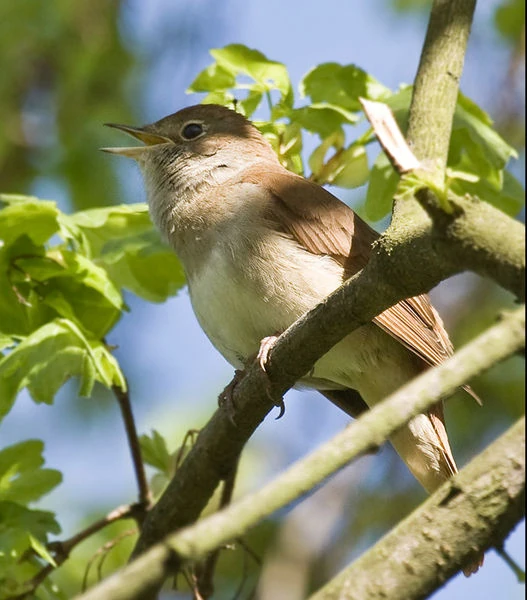
Songbirds are part of the Passeriformes order, also called perching birds. Not all perching birds are songbirds, but all songbirds are perching birds. They have a special voice box called a syrinx. This organ allows them to produce complex sounds and varied tunes.
Songbirds usually have three toes pointing forward and one backward. This toe arrangement helps them grip branches firmly. Their songs vary from simple chirps to elaborate melodies. These sounds play important roles in communication and survival.
Common Traits Of Songbirds
- Small to medium size with slender bodies
- Strong feet designed for perching
- Sharp, pointed beaks for eating insects or seeds
- Bright or subtle plumage, often differing by gender
- Complex vocal abilities using the syrinx
- Active during the day, often seen hopping or flying between branches
Songbirds also show social behaviors such as flocking or territorial singing. Their adaptability helps them thrive in various environments. Knowing these traits makes spotting and identifying songbirds easier. Their songs are nature’s music, enriching our outdoor experience.
Perching Birds Explained
Perching birds form a large group of birds known for their unique foot structure. These birds can easily grip branches or wires. This ability helps them rest or sleep without falling. Understanding perching birds helps clarify many bird behaviors. Not all birds that sing or are called songbirds belong to this group. Perching birds have specific traits that set them apart.
Key Features Of Perching Birds
- They have three toes pointing forward and one backward.
- This toe arrangement helps them grip tightly.
- Most perching birds are small to medium-sized.
- They often have strong legs and feet for gripping.
- Many have well-developed vocal cords for singing.
- They usually have a lightweight body for easy movement.
Why Perching Matters
Perching allows birds to rest safely on thin branches. Their foot structure locks in place, preventing falls during sleep. It helps them spot predators or prey from a high spot. Perching also aids in nesting and feeding behaviors. This skill supports their survival in various environments. Without it, many birds would struggle to find safe resting places.
Songbirds And Perching Birds: The Link
Songbirds and perching birds share a close relationship in the bird world. Both groups are often mentioned together because many songbirds belong to the perching bird category. Understanding this link helps clarify bird classification and their behaviors.
Overlap Between The Groups
Most songbirds are also perching birds. They belong to the order Passeriformes, known for their ability to perch. These birds have a special foot structure with three toes pointing forward and one back. This design helps them grip branches tightly.
Perching birds include a wide variety of species, and songbirds are a large part of this group. Many songbirds use their perching ability to sing from trees and shrubs. Their songs play a key role in communication, attracting mates, and marking territory.
Exceptions To The Rule
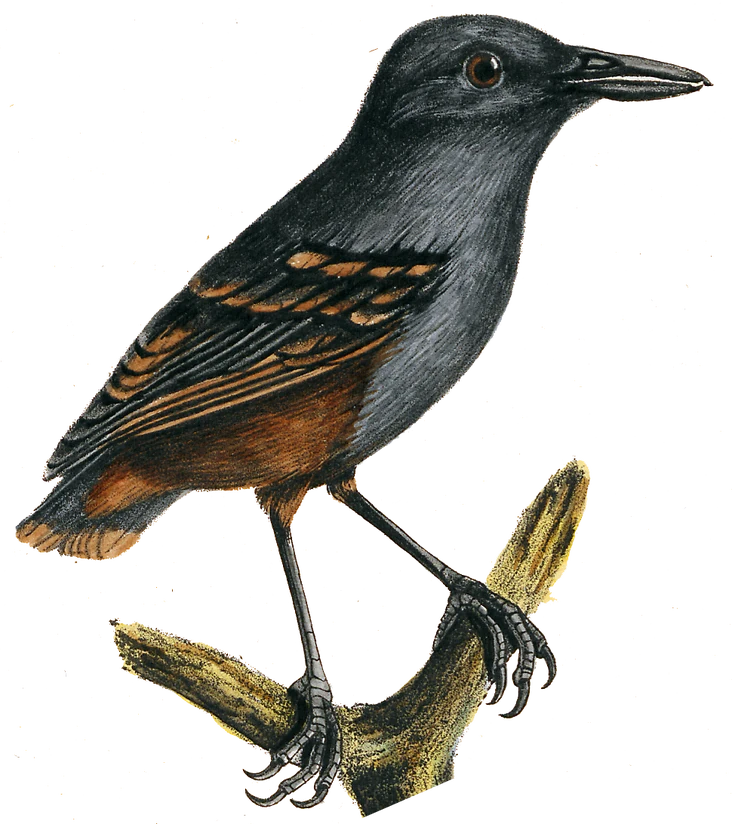
Not all perching birds are songbirds. Some perching birds do not have the complex vocal abilities typical of songbirds. For example, crows and jays perch well but their calls differ from the melodic songs of songbirds.
Also, some songbirds might not always perch. Certain species spend more time on the ground or in flight. This shows the link between songbirds and perching birds is strong but not absolute.
Credit: allbirdsoftheworld.fandom.com
Bird Families And Classification
Birds belong to many families, each with unique traits and behaviors. Classification helps us understand how birds relate to each other. Songbirds form a large group known for their vocal abilities. Perching birds are another group, recognized for their strong feet that help them grasp branches. Knowing these groups makes it easier to identify and study birds.
Major Songbird Families
Songbirds belong to the order Passeriformes, the largest bird order. They have a special voice box that allows complex sounds. Some key songbird families include:
- Turdidae: Thrushes and robins, known for melodious songs.
- Fringillidae: Finches, with colorful feathers and varied songs.
- Parulidae: Warblers, small birds with bright colors and fast songs.
- Corvidae: Crows and jays, intelligent birds with diverse calls.
Which Birds Are Perchers
Perching birds have feet designed to grip branches tightly. Most songbirds are perching birds. Their toes wrap around branches for balance and rest. Other perching birds include:
- Swallows
- Sparrows
- Finches
- Wrens
Not all songbirds perch exclusively, but most do. Their foot structure suits life in trees and shrubs. This adaptation helps them sing from safe spots and watch for predators.
Behavior And Habitat
Understanding the behavior and habitat of songbirds helps us learn about their daily lives. These small birds use their environment in special ways. Their habits and homes shape how they live and survive. Perching plays a big role in their behavior and choice of habitat.
How Perching Supports Songbird Life
Perching allows songbirds to rest safely on branches. Their feet have a unique locking mechanism to grip tightly. This helps them stay steady while singing or watching for predators. Perching also aids in feeding. Birds catch insects or pick fruits from trees while perched. It is essential for their communication. Singing from a perch helps them mark territory and attract mates.
Habitats Favoring Perching Birds
Songbirds prefer habitats with plenty of branches and shrubs. Forests, gardens, and wetlands offer perfect perching spots. These areas provide food, shelter, and safety. Dense trees protect them from predators. Open spaces allow easy singing and signaling. Different species choose habitats based on their needs:
- Woodlands with tall trees for high perches
- Bushy areas for hiding and nesting
- Urban parks with mixed vegetation
Perching birds thrive where branches and food sources are close. These habitats support their active, song-filled lifestyle.
Common Misconceptions
Many people hold misconceptions about songbirds and perching birds. These misunderstandings often lead to confusion. Let’s explore the truth behind these common myths.
Mistakes About Songbirds And Perching
Songbirds and perching birds are often thought of as the same. This is a common mistake. While all songbirds are perching birds, not all perching birds are songbirds. Perching birds, also known as passerines, have a unique toe arrangement. This allows them to grip branches easily. Songbirds, a subgroup of perching birds, are known for their singing abilities. Yet, some perching birds do not sing at all.
Clarifying Popular Myths
People often assume all birds that sing are songbirds. This is not always true. Some birds outside the songbird group can mimic sounds. Parrots and mynas, for example, can imitate human speech. Another myth is that perching birds are small in size. While many are small, some are larger, like crows and ravens. These birds still share the toe arrangement of perching birds. Understanding these differences helps clarify these myths.
Spotting Songbirds And Perching Birds
Many songbirds belong to the perching bird group, but not all perching birds sing. Songbirds use their voices to communicate and attract mates, while perching birds mainly share a common foot structure for gripping branches. This difference helps identify various bird species during spotting.
Spotting songbirds and perching birds can be a delightful experience. Both groups bring vibrant colors and melodies to nature. While all songbirds are perching birds, not all perching birds are songbirds. This distinction makes birdwatching an intriguing activity.Tips For Birdwatchers
Start early in the morning. Birds are most active at dawn. Carry binoculars for a closer look. A field guide is helpful for quick identification. Wear neutral-colored clothing to blend in with the environment. Stay quiet and be patient.Identifying Features In The Wild
Songbirds often have melodious calls. Listen for varied tunes and rhythms. Perching birds have three forward-facing toes and one backward. This helps them grip branches. Observe the beak shape. It can hint at the bird’s diet. Bright plumage can indicate a songbird. Look for patterns and colors on the wings.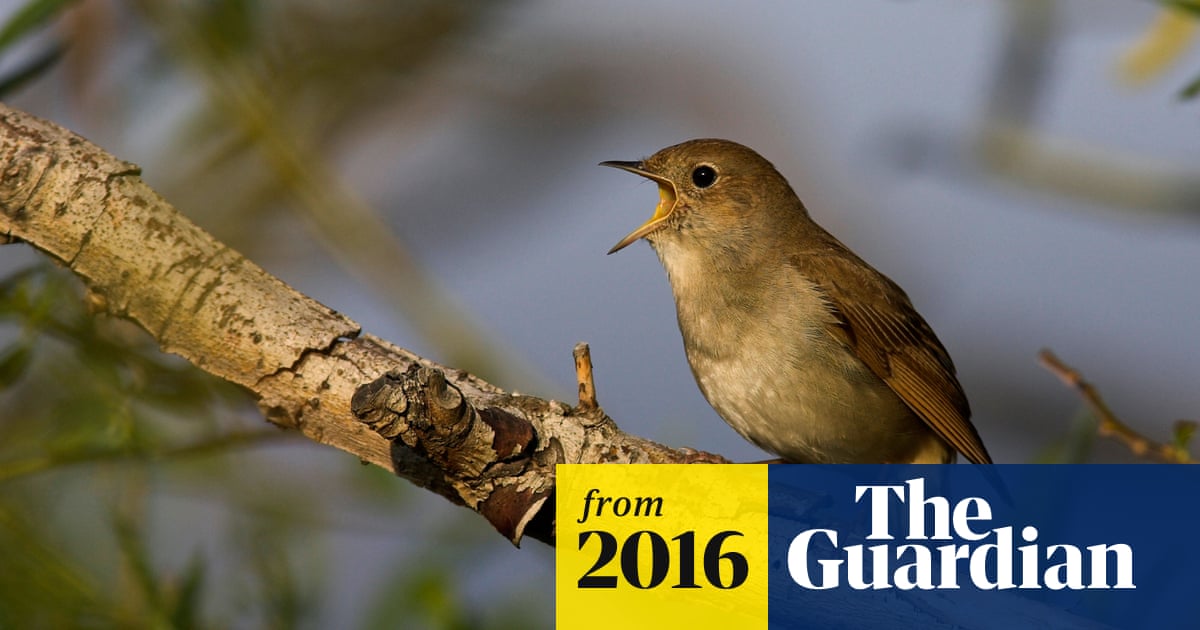
Credit: www.theguardian.com
Frequently Asked Questions
Are All Songbirds Classified As Perching Birds?
No, most songbirds are perching birds, but not all perching birds are songbirds. Songbirds belong to the order Passeriformes, which includes many perching birds. However, some perching birds may not be classified as true songbirds due to differences in vocal abilities and taxonomy.
What Defines A Bird As A Perching Bird?
Perching birds, or passerines, have a unique foot structure with three toes forward and one backward. This allows them to grasp branches firmly. They make up the largest bird order and include many species that sing, such as songbirds, making them well adapted for life in trees.
Do All Perching Birds Sing Like Songbirds?
No, not all perching birds sing like songbirds. Songbirds are known for their complex vocalizations and singing abilities. While many perching birds can make sounds or calls, only songbirds produce the melodic and varied songs typical of their group.
Can Non-songbird Perching Birds Perch On Branches?
Yes, all perching birds have feet adapted for gripping branches. This includes songbirds and other passerines that might not sing. The perching ability is a key trait of this bird group, enabling them to rest, hunt, and nest in trees efficiently.
Conclusion
Not all songbirds are perching birds, but many are. Songbirds belong to a larger group called passerines, which mostly perch. Some songbirds also spend time on the ground or in trees without perching. Understanding their habits helps us appreciate their diversity.
These birds sing beautifully and play important roles in nature. Observing them closely reveals many unique behaviors. Songbirds truly add charm to our world.




