
If you keep backyard chickens, you know how important their health is to you. But what if your chickens catch bird flu?
It can spread fast and cause serious problems. You might wonder how to spot the signs early before it gets worse. Knowing what to look for can save your flock and give you peace of mind. You’ll learn the clear warning signs of bird flu in your chickens and what steps you should take right away.
Keep reading to protect your birds and keep your backyard safe.
Credit: extension.msstate.edu
Common Bird Flu Symptoms
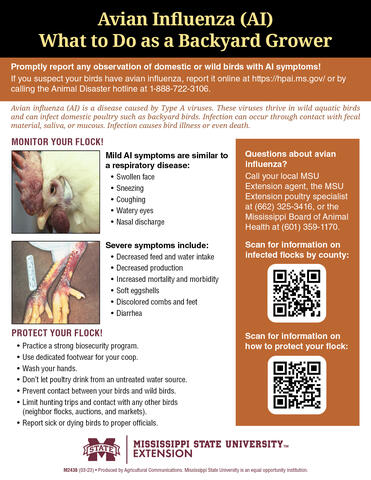
Bird flu can spread quickly among backyard chickens. Early detection helps protect your flock. Knowing common symptoms is key to spotting trouble fast. Watch your chickens closely for any unusual signs.
Changes In Behavior
Bird flu often causes sudden behavior changes. Chickens may seem weak or tired. They might stop eating or drinking. Some birds isolate themselves from the group. Sudden lethargy or lack of movement can signal illness.
Physical Signs To Watch For
Look for swelling around the eyes, neck, or head. Discolored combs and wattles may appear pale or blue. Feathers can look ruffled and unkempt. Some birds develop purple blotches on their skin. These physical changes often show before severe illness.
Respiratory Issues
Bird flu affects the respiratory system strongly. Listen for coughing, sneezing, or wheezing sounds. Nasal discharge or watery eyes are common. Breathing may become labored or noisy. These symptoms need quick attention to prevent spread.
Credit: www.randyschickenblog.com
Monitoring Egg Production
Monitoring egg production helps detect health issues in backyard chickens. Changes in laying patterns often signal illness like bird flu. Observing eggs daily provides clues about your chickens’ wellbeing. Early signs appear in how many eggs hens lay and their egg quality.
Drop In Egg Laying
A sudden drop in egg laying is a common sign of bird flu. Healthy hens usually lay eggs regularly. A noticeable decrease or complete stop can indicate infection. Stress and poor nutrition also cause drops, but bird flu is more serious. Keep track of daily egg counts to notice changes fast. Prompt action can protect your flock from spreading disease.
Abnormal Eggs
Bird flu may cause eggs to look different. Eggs might become soft, misshapen, or have thin shells. Discolored eggs or unusual spots on the shell can also appear. These changes mean the hen’s body is under stress. Check eggs for abnormalities every day. Spotting unusual eggs early helps catch illness before it spreads.
Checking For Swelling And Discoloration
Checking your backyard chickens for swelling and discoloration is a key step to spot bird flu early. These visual signs often appear before more severe symptoms develop. Paying close attention to subtle changes can make a big difference in protecting your flock.
Facial Swelling
Look closely at your chickens’ faces for any unusual puffiness or swelling. Bird flu can cause inflammation around the eyes, cheeks, and beak. If you notice a chicken’s face looking swollen or puffy, especially if it feels warm to the touch, this could be an early warning sign.
Have you ever seen a chicken’s face suddenly change overnight? That rapid swelling is a red flag. Don’t ignore it—swelling can restrict breathing and lead to serious complications.
Purple Comb And Wattles
The color of your chicken’s comb and wattles is a great health indicator. A healthy bird usually has bright red combs and wattles. When bird flu strikes, these areas may turn dark red, purple, or even bluish due to poor blood circulation.
Check for any sudden color shifts. If you find your chicken’s comb or wattles looking purplish, it’s a sign that oxygen flow could be compromised. This discoloration often comes with lethargy and loss of appetite.
Remember, these signs are subtle but serious. Early detection of swelling and color changes can save your flock from devastating losses. Are you confident in spotting these warning signs before it’s too late?

Credit: agwaycapecod.com
Observing Appetite And Water Intake
Watching your chickens’ eating and drinking habits can reveal early signs of bird flu. Changes in appetite or water intake often signal that something is wrong. Paying close attention here helps you act quickly to protect your flock.
Loss Of Appetite
Have you noticed your chickens skipping meals or picking at their food without much interest? A sudden drop in appetite is a common red flag. Sick birds often avoid eating because they feel weak or unwell.
Try observing if this behavior continues for more than a day. Healthy chickens are usually eager to eat, so a lack of interest is unusual. If you see this, consider isolating the affected birds and monitoring other symptoms.
Increased Thirst
On the flip side, some chickens might start drinking more water than usual. Excessive thirst can indicate fever or dehydration linked to infections like bird flu. Watch for birds that keep returning to the waterer frequently.
You might also notice wet feathers around their beaks from constant drinking. This detail often goes unnoticed but can be a helpful clue. If you see increased thirst paired with lethargy or loss of appetite, it’s time to consult a vet.
Detecting Nervous System Signs
Detecting nervous system signs in your backyard chickens is crucial for early identification of bird flu. These signs often reveal themselves through changes in movement and coordination. Paying close attention to these subtle symptoms can make a difference in managing the health of your flock.
Tremors And Paralysis
Have you noticed your chickens shaking or twitching unexpectedly? Tremors can appear as small, rapid muscle shakes and may indicate a nervous system issue linked to bird flu.
Paralysis is more severe. It might start with weakness in the legs or wings and progress to a complete inability to move certain body parts. Catching these signs early gives you a chance to isolate affected birds and reduce the risk of spreading.
Unsteady Movement
Watch how your chickens walk and balance. Unsteady movement often looks like staggering, swaying, or difficulty standing upright.
Chickens with bird flu might struggle to coordinate their steps or keep their heads steady. If you see a chicken that suddenly seems clumsy or off-balance, consider this a warning sign worth investigating.
Steps After Suspecting Bird Flu
Suspect bird flu in chickens? Observe for signs like coughing, sneezing, and reduced egg production. Separate sick birds immediately. Contact a vet for confirmation and guidance. Disinfect the coop and monitor all chickens closely.
Once you suspect bird flu in your backyard chickens, it’s crucial to take immediate action. Swift measures can help prevent the spread of the virus and protect the rest of your flock. Let’s delve into the essential steps you should take to manage this situation effectively.Isolating Affected Birds
First, separate the sick chickens from the healthy ones. Move the affected birds to a quarantine area, ideally far from the main coop. This reduces the risk of transmission to other birds. Ensure the quarantine space is secure. Chickens are social animals, and isolation might stress them, but it’s necessary. Keep an eye on their behavior and health closely during this period.Notifying Authorities
Contact your local veterinary services as soon as you suspect bird flu. Prompt reporting helps in controlling the outbreak swiftly. Authorities can provide guidance and support tailored to your situation. They might request samples or visit your property for inspection. Cooperating with them ensures you’re taking the best steps for your birds and community.Sanitation Measures
Thoroughly clean and disinfect the coop and surrounding areas. Use a disinfectant known to be effective against viruses. This step is vital to eliminate any residual virus particles. Regularly change your clothes and wash your hands after handling the chickens. Implement a routine where you clean footwear and tools to prevent spreading the virus further. Taking these steps might seem overwhelming, but they are necessary to safeguard your flock. Have you ever had to deal with an unexpected health issue in your backyard chickens? What did you do to manage it? Share your experiences in the comments below!Frequently Asked Questions
What Are Common Bird Flu Symptoms In Backyard Chickens?
Common symptoms include sudden death, coughing, sneezing, nasal discharge, and swollen wattles. Look for lethargy and loss of appetite too. Early detection helps prevent spreading the virus to other birds.
How Quickly Do Bird Flu Symptoms Appear In Chickens?
Symptoms usually appear within 2 to 5 days after infection. Rapid onset is common, so monitor your flock closely for sudden changes in behavior or health.
Can Bird Flu Spread From Backyard Chickens To Humans?
Yes, though rare, bird flu can infect humans through close contact with sick birds. Always practice good hygiene and wear protective gear when handling your chickens.
What Should I Do If My Chickens Show Bird Flu Signs?
Immediately isolate sick birds and contact your local veterinary authority. Follow their instructions for testing and disposal to control the outbreak effectively.
Conclusion
Bird flu in backyard chickens needs quick attention. Watch for coughing, sneezing, and droopy behavior. Keep your flock clean and avoid contact with wild birds. Early steps can protect your chickens and family. Consult a vet if you see signs of illness.
Stay calm and act fast to keep your birds safe. Regular checks help catch problems early. Healthy chickens mean a happy backyard.




