
Have you ever wondered if putting up a bird house really helps your feathered friends? You might think it’s just a cute garden decoration, but there’s more to it than meets the eye.
Bird houses can provide safe shelter, protect birds from predators, and even encourage them to visit your yard more often. But are they always good for birds, or could they sometimes do more harm than good? Keep reading to discover the surprising facts that will help you make the best choice for your backyard visitors—and turn your outdoor space into a true bird haven.
Benefits Of Bird Houses
Bird houses offer many benefits for wild birds. They provide a safe place to rest and raise young. These small shelters help birds survive in nature’s challenges. Bird houses support bird populations and increase their chances of survival.
Safe Shelter From Predators
Bird houses protect birds from animals that want to harm them. A sturdy bird house keeps birds hidden and safe. The small entrance hole stops larger animals from entering. Inside, birds can feel secure and calm during vulnerable times.
Protection Against Harsh Weather
Bird houses shield birds from rain, wind, and cold. They offer a dry and warm place during storms. This shelter helps birds save energy and stay healthy. A good bird house keeps out moisture and blocks strong winds.
Encouraging Nesting And Breeding
Bird houses invite birds to build nests and raise chicks. They provide a quiet and safe environment for families. More nesting spots help increase bird numbers in your area. Birds often return to trusted bird houses year after year.

Credit: happygardens.com
How Bird Houses Support Bird Health
Bird houses play a vital role in supporting the health of birds by providing safe and comfortable spaces that meet their specific needs. These structures do more than just offer shelter—they create environments that help reduce stress, prevent diseases, and promote the growth of healthy chicks. Understanding these benefits can inspire you to choose or build bird houses that truly support bird well-being.
Reducing Stress And Enhancing Comfort
Bird houses give birds a quiet, protected place away from predators and harsh weather. This sense of security lowers their stress levels, which is crucial for their overall health.
Think about how you feel when you have a peaceful spot to relax—birds experience the same comfort inside a well-designed bird house. Features like proper ventilation and shade can make a big difference in maintaining a cozy environment.
Preventing Disease Spread
Bird houses can help control the spread of diseases by offering clean, isolated spaces for nesting. When bird houses are regularly cleaned and maintained, they reduce the chances of parasites and bacteria thriving.
Providing multiple bird houses in an area also prevents overcrowding, which lowers the risk of illness spreading quickly between birds. Have you noticed how birds avoid crowded nests in the wild? Your bird houses can help mimic this natural spacing.
Promoting Healthy Chick Development
Bird houses offer a safe place for eggs and chicks, protecting them from predators and extreme weather. This shelter increases the chances of chicks growing strong and surviving to adulthood.
The right size and design of the bird house can support proper temperature and humidity, which are essential for healthy chick development. When you provide the best environment, you give baby birds a head start in life.
Choosing The Right Bird House
Choosing the right bird house plays a crucial role in attracting birds and ensuring their safety. Not all bird houses are created equal, and understanding the specific needs of different bird species can make a big difference. Let’s look at how size, material, and placement affect your chances of creating a welcoming home for your feathered visitors.
Size And Design For Different Species
Birds have unique preferences when it comes to the size and shape of their homes. Small birds like chickadees and wrens prefer compact houses with entrance holes around 1 1/8 inches in diameter. Larger birds such as bluebirds need a bigger entrance, around 1 1/2 inches, and more interior space.
Think about the bird species common in your area. Are you hoping to attract sparrows, woodpeckers, or owls? Each requires different dimensions and designs. A poorly sized bird house might stay empty or attract unwanted guests like squirrels.
Material Choices And Durability
Wood is the most popular material for bird houses because it breathes and offers natural insulation. Cedar and pine are durable options that withstand weather changes. Avoid metal or plastic houses as they can heat up too much and harm the birds inside.
Check if the bird house has ventilation holes and drainage to keep the interior dry. A sturdy bird house not only protects birds but also saves you from frequent replacements. What materials have you used in the past, and how did they hold up?
Optimal Placement In Your Yard
Where you place your bird house can determine whether it gets occupied or ignored. Position it away from busy areas and predators like cats. Mount the house at the recommended height for the bird species you want to attract—usually between 5 to 10 feet off the ground.
Face the entrance hole away from prevailing winds to shelter the birds from harsh weather. Trees and shrubs nearby provide cover but avoid dense foliage that could hide predators. Have you noticed how bird activity changes based on where you put their houses?
Common Mistakes To Avoid
Building or placing bird houses can be rewarding, but mistakes can turn a helpful gesture into a hazard. Avoiding common pitfalls ensures your efforts truly benefit the birds you want to support. Let’s look at key errors that often go unnoticed yet can harm bird populations.
Ignoring Maintenance And Cleaning
Bird houses need regular upkeep to remain safe and inviting. Old nests, dirt, and parasites can build up, driving birds away or making them sick. Make it a habit to clean out your bird houses at least once a year, preferably in late fall after birds have migrated.
Have you ever noticed birds avoiding a house despite its perfect location? Neglected cleaning could be the reason. A clean house encourages new occupants and prevents disease spread.
Placing Houses In Unsafe Locations
Location matters more than you might think. Putting a bird house near busy roads, too close to predators’ paths, or in areas exposed to harsh weather reduces its usefulness. Think about where birds naturally nest and try to mimic those conditions.
Consider safety from cats and squirrels, and ensure the house is mounted securely to avoid falls. Are you placing your bird house somewhere you would feel safe? If not, the birds probably won’t either.
Using Poor Quality Materials
Cheap or unsuitable materials can make bird houses less durable and harmful to birds. Avoid treated wood or plastics that can release toxins. Instead, choose natural, untreated wood like cedar or pine, which provide good insulation and longevity.
Have you noticed how some bird houses warp or crack after a season? That’s often due to low-quality materials. Investing in better supplies gives birds a safer and more comfortable home.
Bird Houses And Ecosystem Benefits
Bird houses offer more than just shelter for birds. They play a key role in supporting local ecosystems. These small structures help maintain healthy bird populations. Birds contribute to nature in many useful ways. Providing them with safe places encourages their presence and benefits the environment.
Supporting Local Bird Populations
Bird houses give birds a safe place to nest and raise their young. Urban areas often lack natural nesting spots. Bird houses fill this gap and protect birds from predators. Stable bird populations help keep the ecosystem balanced. Healthy bird numbers also improve the chances of species survival.
Encouraging Pollination And Pest Control
Many birds act as pollinators, spreading pollen between flowers. This helps plants reproduce and grow. Birds also eat insects that harm plants. By controlling pests naturally, birds reduce the need for chemicals. Bird houses attract these helpful birds closer to gardens and farms.
Enhancing Biodiversity In Urban Areas
Urban environments usually have fewer animal species. Bird houses increase the variety of birds in cities. This diversity supports other wildlife and plant life. More species create a stronger, more resilient ecosystem. Bird houses help bring nature back to busy neighborhoods.
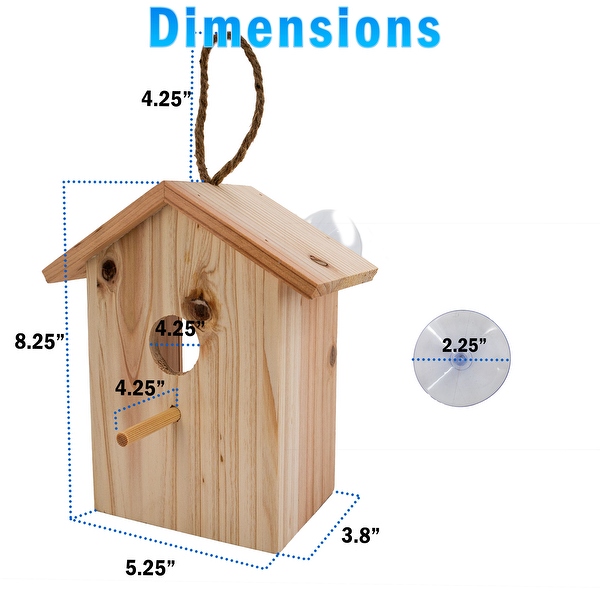
Credit: naavagreen.com
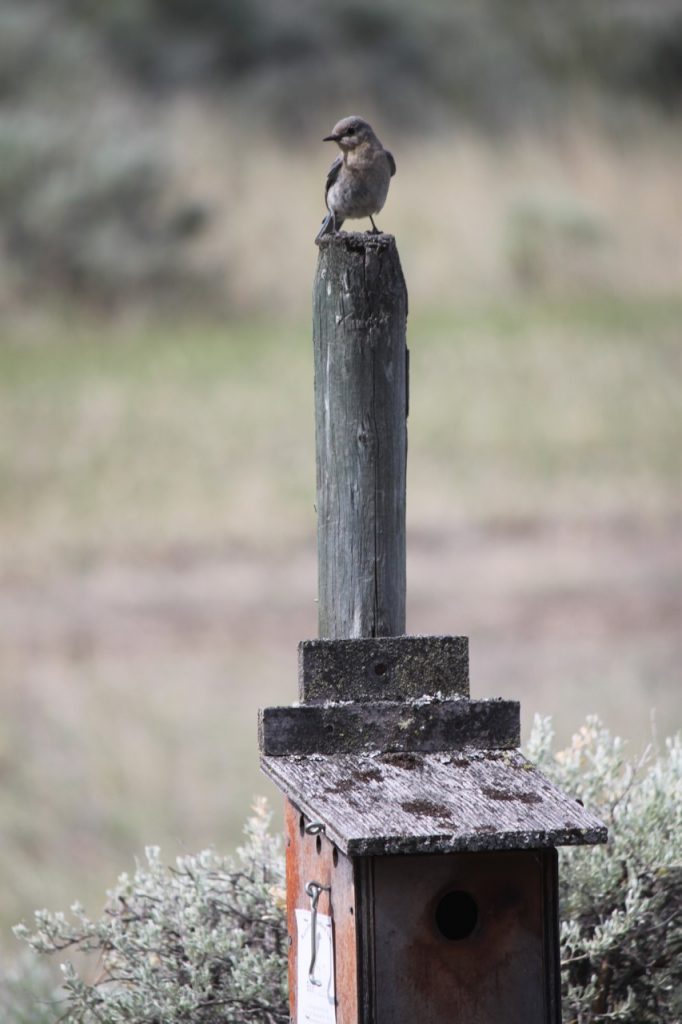
Credit: nestwatch.org
Frequently Asked Questions
Are Bird Houses Beneficial For Wild Birds?
Bird houses provide safe nesting spots, protecting birds from predators and harsh weather. They help increase local bird populations and support biodiversity. Properly maintained bird houses encourage breeding and offer shelter, making them valuable for wild birds.
How Do Bird Houses Affect Bird Behavior?
Bird houses offer birds a secure place to nest and raise young. This reduces stress and competition for natural nesting sites. Birds using bird houses often show increased breeding success and improved survival rates of their chicks.
What Types Of Birds Use Bird Houses Most?
Small cavity-nesting birds like bluebirds, chickadees, wrens, and swallows commonly use bird houses. These species prefer enclosed spaces for nesting. Providing the right size and design attracts specific bird species effectively.
Can Bird Houses Harm Birds In Any Way?
Improperly designed or poorly maintained bird houses can cause harm. Risks include predators entering, parasites, or mold growth. Regular cleaning and correct placement help prevent these issues and keep birds safe.
Conclusion
Bird houses offer safe places for birds to live and raise young. They help protect birds from bad weather and predators. Providing a bird house can support local wildlife and increase bird visits to your yard. Choosing the right size and location matters a lot.
Clean and maintain the house regularly for best results. Bird houses are simple tools that can make a big difference. They bring nature closer and help birds thrive in busy areas. A small effort with bird houses can create a happy home for many birds.




