
Have you ever wondered if the cheerful songbirds outside your window can catch bird flu? You’re not alone.
These small, lively birds bring joy to many, but when it comes to bird flu, questions and concerns arise. Understanding whether songbirds get bird flu is important for your safety and the health of the birds you love to watch.
Keep reading to uncover the facts and learn how you can protect yourself and your feathered friends.
Credit: eriecountypa.gov
Songbirds And Bird Flu Risk
Songbirds bring color and life to gardens and parks. Many people wonder if these small birds can catch bird flu. Understanding the risk helps protect both wild birds and humans. The risk depends on how bird flu spreads and how songbirds come in contact with the virus.
How Bird Flu Spreads
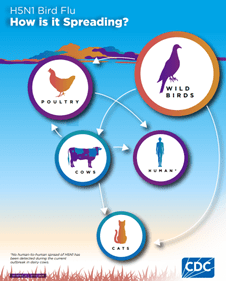
Bird flu spreads mainly through direct contact with infected birds. The virus is present in bird droppings, saliva, and nasal secretions. Birds can catch it by:
- Touching contaminated surfaces
- Sharing food or water
- Close contact during migration or flocking
The virus can also spread through the air in tiny droplets. Wild waterfowl are common carriers of bird flu. Songbirds usually avoid waterfowl but may still face some exposure.
Songbirds’ Exposure To The Virus
Songbirds often live in different habitats than waterfowl. They spend time in trees, shrubs, and gardens. This reduces their chance of contact with infected birds. Songbirds may get exposed by:
- Eating contaminated seeds or insects
- Visiting bird feeders used by many species
- Contact with droppings on the ground
Despite exposure, songbirds rarely show signs of bird flu. Their smaller size and behavior may lower infection risk. Still, monitoring is important to track any changes in virus spread among wild birds.

Credit: www.seattletimes.com
Symptoms Of Bird Flu In Songbirds
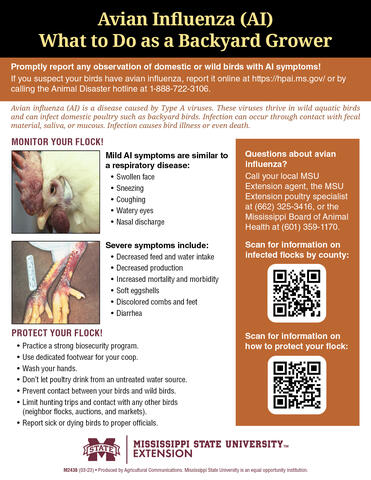
Bird flu symptoms in songbirds can be subtle or severe. Spotting these signs early helps protect other birds. Symptoms often affect their behavior and physical condition.
Observing changes in how a songbird acts or looks is crucial. These symptoms can signal bird flu infection or other health problems.
Common Signs To Watch For
- Sudden weakness or lethargy
- Swelling around the eyes or head
- Labored or rapid breathing
- Discharge from the beak or nostrils
- Loss of appetite or difficulty eating
- Ruffled or fluffed-up feathers
- Tremors or uncoordinated movements
- Sudden death without obvious cause
Differences From Other Bird Diseases
Bird flu symptoms often resemble other illnesses. However, bird flu usually causes rapid health decline.
Common bird diseases might show mild or gradual symptoms. Bird flu tends to cause more swelling and respiratory issues.
Some diseases cause specific symptoms like mites or fungal infections. Bird flu focuses on respiratory distress and nervous signs.
Testing is essential to confirm bird flu. Visual signs alone cannot diagnose it accurately.
Impact Of Bird Flu On Songbird Populations
Bird flu can have serious consequences on songbird populations, even though these birds are not the primary carriers of the virus. Understanding the impact on songbirds helps you appreciate the delicate balance of ecosystems and why monitoring their health matters to all of us.
Outbreak Effects
During bird flu outbreaks, many songbirds face increased mortality rates. The virus can spread rapidly through contaminated water sources or contact with infected birds. This often leads to sudden declines in local populations, affecting species diversity and ecosystem stability.
You might notice fewer birds singing outside or see empty nests where there once was life. Some species are more vulnerable due to their feeding habits or habitat choices, making them easy targets for the virus. This drop in numbers can disrupt food chains, impacting predators and plant pollination alike.
Population Recovery Challenges
Recovering from a bird flu outbreak is not quick or simple for songbird populations. Many birds have low reproduction rates, and the loss of breeding adults slows population growth significantly. Plus, surviving birds may carry weakened immune systems, making them prone to other diseases.
Habitat loss and environmental stress add another layer of difficulty for recovery. If you want to help, consider supporting local conservation efforts that protect natural habitats and promote safe feeding practices. Have you ever thought about how your backyard habits might aid or hinder these fragile populations?
Credit: extension.msstate.edu
Preventing Bird Flu In Wild Songbirds
Preventing bird flu in wild songbirds requires a thoughtful approach that balances the needs of the birds and the environment. You can take practical steps to reduce the risk of infection while supporting healthy bird populations. Small changes in how you manage habitats and interact with wildlife can make a significant difference.
Habitat Management
Creating and maintaining clean, safe habitats helps lower the chance of bird flu spreading among songbirds. Remove standing water where viruses might linger, and keep bird feeders and birdbaths clean by washing them regularly with hot, soapy water.
Plant native vegetation to support natural foraging and reduce overcrowding. This lowers stress among birds, which can make them less vulnerable to diseases. Have you noticed how birds behave differently when their environment feels safe? That sense of security can help keep them healthy.
Reducing Human-related Risks
Your actions can either increase or decrease the risk of bird flu transmission. Avoid handling sick or dead birds, and if you must, wear disposable gloves and wash your hands thoroughly afterward. This simple precaution protects both you and the birds.
Limit feeding stations during outbreaks to prevent large gatherings of birds, which can speed up disease spread. You might also consider educating friends and neighbors about these risks—community efforts often have the greatest impact.
Bird Flu And Human Interaction
Bird flu, also known as avian influenza, poses questions about how it affects not just birds but also humans who interact with them. Understanding the connection between songbirds and this virus can help you protect yourself and your feathered friends. This section sheds light on the risks and safety measures you should know.
Transmission Risks From Songbirds
Songbirds can carry the bird flu virus, but they are less likely to spread it to humans compared to waterfowl or poultry. Still, the risk is not zero, especially if you come into close contact with sick or dead birds.
Bird flu spreads through saliva, nasal secretions, and feces. If you touch contaminated surfaces, feeders, or birdbaths without washing your hands, you could pick up the virus. Have you ever cleaned a bird feeder without gloves? That simple act could increase your risk.
It’s important to note that casual observation of songbirds from a distance is generally safe. However, direct handling or disturbing nests might expose you to the virus. Are you aware of how often you touch wild birds or their environments?
Safety Tips For Bird Enthusiasts
- Wear Gloves:Always use disposable gloves when handling sick or dead birds, or when cleaning feeders and birdbaths.
- Wash Hands:Thoroughly wash your hands with soap and water after any contact with birds or their habitats.
- Keep Distance:Avoid close contact with wild birds, especially if they appear sick or act unusually.
- Clean Feeders Regularly:Disinfect bird feeders weekly using a mild bleach solution to reduce contamination risks.
- Report Suspicious Birds:Notify local wildlife authorities if you notice unusual bird deaths or behavior in your area.
Think about how you interact with birds daily. Small changes in your routine can significantly reduce your chances of catching or spreading bird flu. Are you ready to take simple steps that keep both you and the birds safe?
Research And Monitoring Efforts
Research and monitoring efforts are essential in understanding bird flu in songbirds. Scientists and researchers focus on tracking the virus’s spread in wild birds. This helps in managing potential outbreaks. Advances in technology make tracking and monitoring more effective.
Tracking Bird Flu In Wild Birds
Researchers use various methods to track bird flu in wild birds. Satellite tracking devices help monitor migration patterns. They provide data on bird movements across regions. Field surveys are conducted to collect samples and observe bird behavior. This data helps identify areas at risk of outbreaks.
Recent Scientific Findings
Recent studies reveal that songbirds can carry bird flu. They may not show severe symptoms but can spread the virus. Understanding their role is vital for disease control. New findings also highlight specific bird species more susceptible to the virus. This information is crucial for targeted monitoring and vaccination efforts.
Frequently Asked Questions
Can Songbirds Carry Bird Flu Viruses?
Yes, some songbirds can carry bird flu viruses. They might not show symptoms but can spread the virus to other birds.
How Does Bird Flu Affect Songbird Populations?
Bird flu can cause illness and death in songbirds. However, many songbird species show mild or no symptoms.
Are Songbirds A Risk To Humans For Bird Flu?
Songbirds pose a low risk to humans. Bird flu spreads mainly through poultry and waterfowl contact.
How Can Bird Watchers Protect Songbirds From Bird Flu?
Avoid handling sick or dead birds. Keep feeders clean and report unusual bird deaths to authorities.
Conclusion
Songbirds can carry bird flu, but they rarely spread it widely. Watching their behavior helps track flu outbreaks early. Keeping bird feeders clean protects both birds and people. Knowing how bird flu moves helps us stay safe. Bird flu is serious, but simple steps reduce risks.
Stay aware and enjoy songbirds without worry.




