
Have you ever wondered if you can hang a hummingbird feeder alongside your other bird feeders? If you love attracting different kinds of birds to your yard, this question probably crosses your mind.
Getting it right means more beautiful birds visiting your space, and a more vibrant, lively garden to enjoy. But mixing feeders isn’t always as simple as it sounds. You’ll discover the best ways to hang your hummingbird feeder with other bird feeders without scaring away your favorite little visitors.
Keep reading, because the secret to a happy, buzzing backyard could be easier than you think!

Credit: www.amazon.com
Choosing The Right Spot
Choosing the right spot to hang your hummingbird feeder alongside other bird feeders can make a big difference in attracting these tiny visitors. Placement affects not only the hummingbirds’ comfort but also the safety and visibility of your feeders. Finding a balance between sun, shade, and protection from predators helps create a welcoming environment for all birds.
Sunlight And Shade Balance
Hummingbirds thrive in spots where they can enjoy some sunlight but also find refuge from the heat. Too much direct sun can spoil the nectar quickly, leading to frequent refills and potential harm to the birds. Choose a location that gets morning sun and afternoon shade, or partial shade throughout the day, to keep the nectar fresh longer.
Think about the angle of the sun during different seasons. Have you noticed how some feeders get scorching by midday? Moving your feeder a few feet into the shade can make a huge difference.
Visibility For Hummingbirds
Hummingbirds are drawn to bright colors and clear sightlines. Position your feeder where it stands out but doesn’t compete visually with other feeders. A spot near colorful flowers or bright garden decorations can help hummingbirds find it easily.
Also, avoid placing the feeder too close to window reflections, which might confuse or frighten the birds. Have you ever seen a hummingbird hesitate or fly away suddenly? Clear visibility without distractions helps them feel safe to approach.
Avoiding Predator Areas
Safety is crucial when hanging feeders. Keep your hummingbird feeder away from places where cats, squirrels, or larger birds might lurk. Hanging feeders near dense bushes or tall trees where predators can hide puts your hummingbirds at risk.
Try placing feeders at least 10 feet away from potential hiding spots, and consider adding a baffle or using a pole feeder to deter climbing predators. Have you checked your yard for common predator hangouts? A little effort here can protect your tiny visitors.
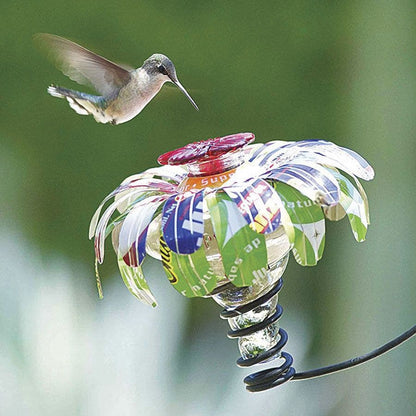
Credit: www.waysidegardens.com
Types Of Bird Feeders To Combine
Combining different types of bird feeders can create a lively and diverse backyard scene. Various feeders attract different bird species, offering a richer watching experience. Knowing which feeders work well together helps keep birds safe and comfortable.
Choosing feeders that suit different bird diets also reduces competition at feeding spots. Proper placement prevents crowding and keeps the nectar and seeds clean. Here are common types of bird feeders you can hang together with a hummingbird feeder.
Hummingbird Feeders
Hummingbird feeders hold sugar water, mimicking flower nectar. They have small feeding ports suited for tiny beaks. Hanging them near other feeders can attract hummingbirds without disturbing them. Keep the nectar fresh to avoid mold and attract more hummingbirds.
Seed Feeders
Seed feeders offer sunflower seeds, millet, or mixed seed blends. They attract finches, sparrows, and chickadees. These feeders come in tube, hopper, or platform styles. Place seed feeders a few feet away from hummingbird feeders to avoid crowding.
Suet Feeders
Suet feeders hold cakes made of fat and seeds. Woodpeckers, nuthatches, and titmice enjoy suet. These feeders are often cages or trays. Suet feeders work well near hummingbird feeders since they serve different bird types.
Fruit Feeders
Fruit feeders provide slices of oranges, apples, or berries. Orioles and tanagers love fresh fruit. You can hang fruit feeders close to hummingbird feeders safely. Place the fruit feeder where it drains well to avoid spoiling.
Spacing Between Feeders
Spacing between bird feeders is important for a peaceful feeding area. Proper distance helps birds feel safe and comfortable. It also supports healthy feeding habits. Careful placement can reduce fights and keep birds healthy.
Preventing Aggression
Birds can become aggressive if feeders are too close. Hummingbirds are very protective of their food. Placing feeders too near can cause fights. Keeping feeders apart gives birds room to feed calmly. This lowers stress and lets more birds enjoy the food.
Reducing Disease Spread
Close feeders can spread diseases quickly among birds. Germs pass through saliva and droppings on feeders. Spacing feeders reduces contact between birds. This lowers the chance of illness spreading. Clean feeders often to keep birds healthy.
Allowing Easy Access
Birds need space to land and feed easily. Crowded feeders make it hard for birds to reach food. Spacing feeders well allows smooth access for all birds. It helps hummingbirds hover without disturbance. Proper spacing keeps your feeding area busy and happy.
Mounting And Hanging Options
Finding the right mounting and hanging options for your hummingbird feeder alongside other bird feeders can make all the difference in attracting a variety of birds while keeping your setup neat and accessible. The key is balancing convenience with safety for the birds and ease of maintenance for you.
Using Multi-arm Poles
Multi-arm poles are a smart choice if you want to display several feeders in one spot. These poles typically have multiple hooks or arms, allowing you to hang hummingbird feeders alongside seed or suet feeders without crowding.
Make sure to space the arms far enough apart so the birds don’t feel threatened or compete aggressively. I once used a multi-arm pole in my backyard, and it created a lively but peaceful feeding station where hummingbirds and finches shared the space happily.
Hanging From Trees
Attaching feeders to tree branches gives a natural look and can offer birds some shade and protection. However, watch out for branches that swing a lot in the wind, as constant movement can scare hummingbirds away.
If you pick sturdy, stable branches, you can hang different types of feeders at varied heights to cater to various bird species. Have you noticed how some birds prefer feeders closer to the trunk, while others like more exposed spots? Trees let you experiment with placement easily.
Hooks And Brackets
Hooks and brackets mounted on walls, fences, or decks provide a stable and secure option for hanging feeders. These fixtures keep feeders at eye level, making refilling and cleaning hassle-free.
You can install multiple hooks or brackets close together to create a concentrated feeding area. Just be sure to leave enough space between feeders to prevent spills and allow birds to feed comfortably without crowding.
Maintenance Tips
Keeping your hummingbird feeder alongside other bird feeders means you need to be extra careful with maintenance. Each feeder attracts different birds and insects, so staying on top of cleaning and food freshness helps keep all your visitors healthy and happy. Here are practical tips to maintain your feeders effectively.
Cleaning Frequency
Hummingbird feeders should be cleaned at least twice a week, especially in warm weather. Other bird feeders might not need cleaning as often, but you should check them regularly for debris and droppings. Cleaning prevents the buildup of harmful bacteria and helps avoid diseases among your feathered guests.
Use hot, soapy water and a soft brush to scrub all parts of the hummingbird feeder. Avoid harsh chemicals that can harm the birds. Rinse thoroughly to ensure no residue remains before refilling.
Nectar And Seed Freshness
Fresh nectar attracts hummingbirds better than old, fermented sugar water. Change the nectar every two to three days, or daily in hot weather to prevent spoilage. For other bird feeders, keep seeds dry and replace any that look moldy or clumped.
Watching your birds’ feeding habits can tell you when to refresh their food. If you notice less activity, it might be time to swap out the nectar or seeds. Have you ever noticed hummingbirds avoiding a feeder? Chances are, the nectar was past its prime.
Monitoring For Mold And Pests
Mold can grow quickly in nectar, and pests like ants or bees might invade your feeders. Check daily for any signs of mold or unwanted visitors and clean immediately if you spot any. Using ant moats or bee guards can help keep pests away from your hummingbird feeder.
Keep an eye on the surrounding area as well. Fallen seeds can attract rodents or insects that disrupt your bird feeding setup. Regularly clear the ground beneath your feeders to maintain a healthy environment for all your backyard birds.

Credit: www.hummingbirdsociety.org
Attracting Hummingbirds Safely
Hummingbird feeders can hang near other bird feeders, but keep enough space to avoid crowding. This helps hummingbirds feed safely without disturbance. Placing feeders apart reduces competition and keeps all birds comfortable.
Attracting hummingbirds to your garden can be a delightful experience. These tiny, vibrant creatures bring life and movement to any outdoor space. However, ensuring their safety while doing so is crucial. You might wonder if it’s possible to hang a hummingbird feeder alongside other bird feeders. The answer is yes, but with a few considerations in mind.Choosing The Right Nectar
The nectar you provide plays a vital role in attracting hummingbirds. Opt for a simple homemade solution of sugar and water. Mix one part sugar with four parts water, boil it, and let it cool. Avoid using honey or artificial sweeteners, as they can harm the birds.Avoiding Harmful Additives
Commercial nectars often contain red dyes or preservatives. These additives might seem attractive but can be harmful. Stick to natural ingredients and avoid anything artificial. This practice ensures a healthier environment for your feathered friends.Supplementing With Native Plants
Consider planting native flowers that naturally attract hummingbirds. Flowers like bee balm, columbine, and trumpet vine are excellent choices. They not only provide food but also contribute to a balanced ecosystem. Incorporating these plants into your garden creates a vibrant and sustainable habitat. Plus, you get to enjoy the beauty of these blooms alongside the hummingbirds. By making thoughtful choices, you can create a welcoming and safe haven for hummingbirds while enjoying their enchanting presence. Have you noticed any particular plants or feeders that work best in your garden? Share your experiences with fellow bird lovers!Common Challenges And Solutions
Hanging a hummingbird feeder near other bird feeders can cause competition and frighten hummingbirds. Placing feeders with enough space helps reduce conflicts and attracts more birds peacefully. Choosing the right spot ensures all birds feed comfortably.
Hanging a hummingbird feeder alongside other bird feeders can be an exciting way to attract a variety of feathered friends to your backyard. However, it comes with its own set of challenges. Understanding and addressing these issues can enhance your bird-watching experience while ensuring the well-being of your avian visitors. Let’s explore some common challenges and their solutions.Dealing With Aggressive Birds
Aggressive birds like orioles or even larger species can dominate your feeders, scaring away the timid hummingbirds. You may notice these bullies swooping in aggressively. To tackle this, consider placing the hummingbird feeder at a distance from others. This separation gives hummingbirds their own space. Another strategy is to use feeders with smaller perches, which are less appealing to larger birds.Managing Insect Pests
Insects such as ants and bees often invade hummingbird feeders, attracted by the sweet nectar. This can deter the hummingbirds and lead to an unpleasant feeding area. Using an ant moat can be a simple and effective solution. Fill it with water to create a barrier ants can’t cross. Additionally, opting for feeders with bee guards can help keep these pests at bay. Regular cleaning of the feeders also minimizes residue that attracts insects.Weather Considerations
Weather can significantly affect the placement and maintenance of your feeders. Wind can spill nectar, while intense sun can spoil it quickly. Position your feeder in a sheltered location. This protects it from wind and keeps it in partial shade to prevent nectar spoilage. During particularly hot days, check the nectar more frequently to ensure it remains fresh. Using a mix with a higher sugar concentration can also help it last longer in cooler temperatures. Taking these simple steps can make a world of difference. How do you ensure harmony among your backyard birds?Frequently Asked Questions
Can Hummingbird Feeders Hang With Other Bird Feeders?
Yes, hummingbird feeders can hang near other bird feeders. Keep them at least 10 feet apart to avoid territorial conflicts and ensure hummingbirds have easy access to their nectar without disturbance.
Does Mixing Feeders Attract Unwanted Birds?
Placing hummingbird feeders with other feeders may attract larger birds. This can deter hummingbirds, so separate feeders to reduce competition and maintain hummingbird visits.
How To Prevent Ants On Hummingbird Feeders Near Others?
Use ant moats or place feeders on poles with ant guards. This prevents ants from reaching nectar, even when feeders are near other bird feeders.
Can Feeder Placement Affect Hummingbird Feeding Behavior?
Yes, placement impacts hummingbird comfort. Position feeders in shaded, quiet spots away from aggressive birds to encourage frequent visits and reduce stress.
Conclusion
Hummingbird feeders can hang near other bird feeders safely. Keep a small distance to avoid crowding and spills. This helps hummingbirds feed without stress or competition. Watch for signs of ants or bees and clean feeders often. Mixing feeders attracts more birds and adds fun to your yard.
Enjoy the colorful hummingbirds alongside other feathered visitors. Simple care keeps all birds happy and healthy. Try it and see the lively garden come alive!




