
If you’ve ever struggled with squirrels or other critters climbing up your bird feeder pole, you know how frustrating it can be. Greasing your bird feeder pole is a simple trick that can save you hours of hassle and keep your feathered friends safe and happy.
But what exactly should you use to grease it? Choosing the right grease can make all the difference in keeping unwanted visitors away without harming the birds. You’ll discover the best options for greasing your bird feeder pole and how to apply them effectively.
Keep reading to protect your feeder and enjoy watching birds without interruptions.
Why Grease A Bird Feeder Pole
Greasing a bird feeder pole might seem like an extra chore, but it serves key purposes that can save you time, money, and frustration. It’s not just about making the pole slippery; it’s about protecting your investment and ensuring the birds enjoy their feeding spot without unwanted visitors. Understanding why you should grease your bird feeder pole helps you choose the right product and technique for the best results.
Preventing Squirrel Access
Squirrels are notorious for raiding bird feeders, often climbing poles with surprising agility. Greasing the pole creates a slippery barrier that makes it difficult for squirrels to grip and climb up. This simple step can keep your feeder squirrel-free, so the birds get all the seeds instead of sharing with uninvited guests.
Have you noticed how squirrels can bypass cages and baffles? Greasing adds an extra layer of defense that’s hard for them to overcome. It’s a practical way to protect your feeder without complex setups or constant monitoring.
Protecting The Pole Material
Metal and wooden poles face wear and tear from weather and constant use. Grease acts as a protective coating, reducing rust on metal poles and preventing wood from drying out or cracking. This protection keeps the pole looking good and functioning well for longer.
Think about how moisture and insects attack outdoor materials. Applying grease helps seal the surface, reducing exposure to these damaging elements. It’s a small effort that prevents bigger repair or replacement costs down the line.
Enhancing Durability
Regular greasing extends the life of your bird feeder pole by minimizing friction and weather damage. This means fewer repairs and less hassle for you over time. It also keeps the pole stable and secure, ensuring the feeder stays in place even during windy or rainy days.
Have you ever had to replace a feeder pole too soon? Greasing can delay that need significantly. It’s an easy maintenance habit that pays off with long-lasting durability and a steady feeding spot for your feathered friends.
Types Of Grease To Use
Choosing the right grease for your bird feeder pole makes a big difference in keeping squirrels and other critters away. The type of grease you use affects how well it repels unwanted visitors and how safe it is for the environment. Understanding the options available helps you pick a solution that works best for your specific situation.
Petroleum-based Grease
Petroleum-based grease is a popular choice because it offers strong, long-lasting protection against squirrels. It creates a slippery barrier that makes climbing difficult for them. However, it can be messy to apply and might attract dirt over time.
While effective, petroleum-based greases often contain chemicals you might want to avoid around wildlife. If you choose this type, apply it carefully and avoid direct contact with the feeder openings. Have you noticed how some feeders stay squirrel-free longer after using this grease?
Silicone-based Lubricants
Silicone-based lubricants provide a cleaner alternative with less mess and good water resistance. They don’t attract dirt as much as petroleum-based options and last well through rain. These lubricants also tend to be less toxic, making them safer around birds.
Applying silicone grease is straightforward, and it dries quickly to form a slick surface. If you want an option that’s easier to manage and less greasy, silicone might be your best bet. Have you tried this and noticed how it keeps squirrels puzzled but your birds happy?
Natural And Eco-friendly Options
Natural greases like beeswax or plant-based oils offer an eco-friendly solution that’s safer for the environment. These options are less slippery than synthetic greases but can still provide a decent barrier when reapplied regularly. They’re ideal if you’re concerned about chemical exposure in your garden.
Using natural products might require a bit more effort to maintain, but many gardeners appreciate the peace of mind. Have you considered how a small change to eco-friendly grease could impact your backyard’s health? Sometimes, going natural means balancing effectiveness with care for nature.
What To Avoid When Greasing
Choosing the right grease for a bird feeder pole is important. Some substances can harm birds or cause more problems than they solve. Knowing what to avoid helps keep birds safe and your feeder clean. Here are key points about what to stay away from.
Toxic Substances
Avoid greases with chemicals harmful to birds. Many industrial lubricants contain poisons that can hurt or kill birds. Avoid petroleum-based products with harmful additives. These can contaminate bird feathers or food. Use only bird-safe or natural oils instead.
Sticky Or Messy Products
Do not use greases that stay sticky or attract dirt. Sticky substances can trap dust, insects, and debris. This makes the pole dirty and harder to clean. Birds might get messy feet or feathers. Choose greases that stay clean and dry after application.
Grease Harmful To Birds
Some greases cause skin irritation or damage bird feathers. Avoid products with strong scents or harsh chemicals. These can repel birds or make them sick. Use mild, natural options designed for wildlife safety. Protect bird health by choosing the right grease.
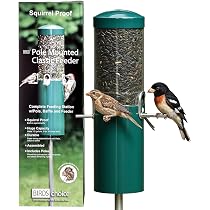
Credit: www.amazon.ca
How To Apply Grease Correctly
Applying grease to a bird feeder pole helps keep squirrels and other pests away. Doing it right ensures the grease works well and lasts longer. Follow simple steps for the best results.
Cleaning The Pole First
Start by removing dirt and old grease from the pole. Use a cloth with warm soapy water. Wipe the pole thoroughly. Let it dry completely before applying new grease. A clean surface helps grease stick better.
Proper Amount And Coverage
Use a small amount of grease on your fingers or a cloth. Spread it evenly around the pole’s circumference. Cover the area where pests usually climb. Avoid thick layers to prevent dripping. Thin, even coverage works best.
Reapplication Frequency
Check the grease every two weeks. Reapply if it looks dry or has dirt buildup. In rainy seasons, check more often. Regular reapplication keeps the barrier strong and effective.
Additional Tips To Keep Squirrels Away
Keeping squirrels away from your bird feeder pole can be a real challenge. Greasing the pole helps, but adding extra strategies can make a big difference. Here are some additional tips to protect your feeder and enjoy watching birds without unwanted visitors.
Using Baffles
Baffles are physical barriers that block squirrels from climbing up the pole. They come in different shapes, like cones or cylinders, and are usually made of metal or plastic. Installing a baffle below the feeder creates a slippery or obstructed surface that squirrels can’t get past.
I once installed a baffle on my feeder pole and noticed an immediate drop in squirrel visits. It’s a simple tool that works well when combined with greasing the pole.
Placement Of The Feeder
Where you place your feeder matters a lot. Position it at least 10 feet away from trees, fences, or any structures squirrels can jump from. The further the feeder is from launch points, the harder it is for squirrels to reach it.
Try hanging the feeder on a thin branch or a wire that squirrels can’t cross easily. Have you checked your feeder’s location lately? Moving it might be the easiest way to reduce squirrel problems.
Alternative Deterrents
Besides greasing and physical barriers, you can try other deterrents. Some people use spicy birdseed coated with cayenne pepper, which birds don’t mind but squirrels dislike. Others use motion-activated sprinklers or noise devices to scare squirrels away.
- Apply cayenne pepper powder lightly on seeds
- Install a motion sensor that sprays water
- Use squirrel-proof feeder designs with weight-sensitive perches
Experiment with these ideas to find what works best for your yard. Have you tried any of these deterrents before? Sometimes a mix of tactics is the key to keeping your feeder squirrel-free.

Credit: www.greenmatters.com

Credit: feedsnneeds.ca
Frequently Asked Questions
What Is The Best Grease For Bird Feeder Poles?
The best grease for bird feeder poles is non-toxic, weather-resistant lubricant. Petroleum jelly or silicone-based grease works well. These prevent squirrels and pests from climbing the pole and protect the feeder from rust and wear.
Can I Use Cooking Oil To Grease A Bird Feeder Pole?
Cooking oil is not recommended for greasing a bird feeder pole. It can attract insects and become sticky. Use specialized grease or petroleum jelly, which are cleaner and more effective in repelling pests.
How Often Should I Reapply Grease On The Bird Feeder Pole?
Reapply grease every 1 to 2 months, especially during wet or cold weather. Regular maintenance keeps the pole slippery, preventing squirrels from climbing and ensuring the feeder stays clean.
Is It Safe To Use Petroleum Jelly On Bird Feeders?
Yes, petroleum jelly is safe for bird feeders. It’s non-toxic to birds and effectively deters squirrels. Apply a thin layer on the pole to create a slippery barrier that keeps pests away.
Conclusion
Greasing a bird feeder pole keeps squirrels from climbing up. Use safe, sticky substances like petroleum jelly or specialized grease. Apply it carefully to avoid harming birds or plants. Regular checks help maintain the barrier’s strength. A well-greased pole means more birds and less pest trouble.
Keep your feeder clean and refilled for happy visitors. Small steps make a big difference in bird feeding success. Try these tips and enjoy watching more birds around your home.




