
Have you ever noticed a house finch with red, swollen eyes and wondered if it can get better? If you care about the birds visiting your garden, you might be worried about House Finch Eye Disease.
This common illness can look serious, and you may be asking yourself: Can birds really recover from it? Understanding what this disease means for your feathered friends is key to helping them thrive. Keep reading to discover the facts about recovery, what signs to watch for, and how you can make a difference in their healing process.
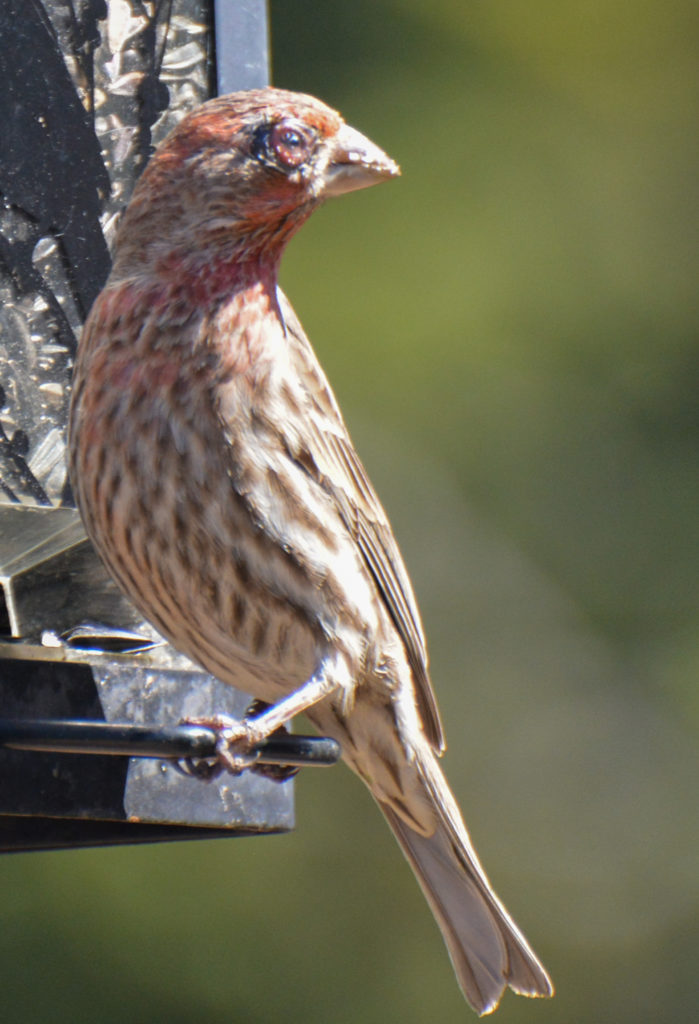
Credit: feederwatch.org
What Is House Finch Eye Disease
House Finch Eye Disease is a common ailment affecting wild and pet birds, particularly the house finch species. It primarily targets the bird’s eyes, causing discomfort and vision problems. Understanding what this disease is can help you recognize it early and support affected birds effectively.
Causes And Symptoms
This disease is caused by a bacterial infection called Mycoplasma gallisepticum. It attacks the bird’s respiratory system and eyes, leading to inflammation and discharge.
- Swollen, red, or crusty eyelids
- Watery or cloudy eyes
- Difficulty seeing or blinking excessively
- General weakness or lethargy
Birds often look distressed, and their behavior changes as they struggle to feed or avoid predators. Have you ever noticed a bird blinking more than usual or struggling to find food? These could be signs of this disease.
How It Spreads
The infection spreads easily among birds, especially where they gather in groups. Direct contact, such as touching beaks or sharing food and water sources, helps transmit the bacteria.
Contaminated feeders and birdbaths can become hotspots for spreading the disease. If you maintain a bird feeder, regular cleaning is essential to protect your feathered visitors.
Think about your backyard—how often do you clean your bird feeders? Small actions like that can make a big difference in stopping the spread.
Impact On Bird Health
House Finch Eye Disease can seriously affect a bird’s health. The illness mainly targets the eyes but often causes broader health problems. Understanding its impact helps in caring for affected birds and supporting their recovery. The disease can change how birds see and behave, which affects their survival and daily activities.
Effects On Vision
The disease causes swelling and redness around the eyes. It can produce thick discharge that blocks the bird’s sight. Vision becomes blurry or even lost in severe cases. Birds struggle to find food or avoid dangers. Poor eyesight increases the risk of accidents and predators. Sometimes, damage to the eyes is permanent.
Behavioral Changes
Infected birds may act differently than usual. They often become less active and avoid flying. Social interactions decrease, as birds stay away from others. Feeding habits can change, leading to weight loss. Some birds may hide in sheltered spots to protect themselves. These behaviors show how the disease affects their well-being.
Recovery Possibilities
House Finch Eye Disease can affect birds severely, but recovery is possible in many cases. The healing depends on several natural and external factors. Understanding these can help in supporting affected birds better. Recovery may take time and patience, but many birds regain their health without intervention.
Natural Healing Process
Birds have strong immune systems that fight infections naturally. In mild cases, the eyes may clear up on their own. The bird’s body works to reduce swelling and fight bacteria. Over days or weeks, symptoms like redness and discharge often lessen. Rest and a clean environment support this healing. However, some birds may need extra help if the infection worsens.
Factors Influencing Recovery
- Severity of Infection:Mild infections heal faster than severe ones.
- Age and Health:Younger and healthier birds recover more quickly.
- Nutrition:Good food strengthens the bird’s immune response.
- Environment:Clean, stress-free surroundings aid healing.
- Access to Treatment:Sometimes, veterinary care speeds recovery.

Credit: www.reddit.com
Treatment Options
Treating House Finch Eye Disease requires care and attention. Early action improves a bird’s chance to recover fully. Treatment options range from professional help to home care. Understanding these choices helps you support affected birds effectively.
Veterinary Care
Veterinary care is the most reliable way to treat this disease. A vet can diagnose the problem accurately. They often prescribe antibiotics to fight bacterial infections. These medicines reduce eye swelling and discharge quickly. Sometimes, vets provide eye drops or ointments. These help soothe irritation and speed healing. Birds under vet care may need a quiet, safe place to rest. Regular check-ups ensure the treatment works well. Professional care lowers the risk of long-term damage.
Home Remedies And Support
Home care can support birds recovering from eye disease. Keep bird feeders clean to prevent the disease spread. Provide fresh water daily to keep birds hydrated. A warm, dry place helps birds stay comfortable. Gently wiping eyes with a damp cloth removes crusts. Avoid using harsh chemicals or human medicines. Nutritious food boosts a bird’s immune system. Monitor birds closely for worsening symptoms. Seek veterinary help if conditions do not improve. Home support works best alongside professional care.
Preventing The Disease
Preventing House Finch Eye Disease helps keep birds healthy and safe. The disease spreads easily in places where many birds gather. Clean surroundings and smart feeding habits lower infection risks. Taking simple steps protects birds from this painful illness.
Sanitation Tips
- Clean bird feeders and baths regularly with hot, soapy water.
- Disinfect feeding areas at least once a week to kill germs.
- Remove old food and debris to avoid bacteria growth.
- Place feeders in sunny spots to help dry and reduce germs.
- Wear gloves when cleaning to prevent spreading disease.
Feeding Station Practices
- Space feeders apart to reduce crowding and contact between birds.
- Offer fresh seeds daily to prevent mold and spoilage.
- Use feeders that minimize bird-to-bird contact, like tube feeders.
- Remove feeders if many sick birds appear to stop spread.
- Keep water dishes clean and refill with fresh water often.
Supporting Wild Bird Populations
Supporting wild bird populations is essential for maintaining ecological balance. House Finch Eye Disease poses a threat to these beautiful creatures. With community efforts, we can help birds recover and thrive. Here are ways we can support these wild bird populations.
Monitoring And Reporting
Regular monitoring helps track the health of bird populations. Observing birds in your backyard can provide valuable insights. Look for signs of eye disease, like swollen or crusty eyes. Report any sightings to local wildlife organizations. This data helps experts study and manage the disease.
Community Efforts
Community involvement plays a crucial role in bird conservation. Organize local groups to clean bird feeders and baths. Ensure they are free from harmful bacteria. Educate neighbors about the importance of sanitation. Encourage participation in citizen science projects. These efforts help gather data and spread awareness.

Credit: www.reddit.com
Frequently Asked Questions
Can House Finches Fully Recover From Eye Disease?
Yes, many House Finches can recover if treated early. Proper care and hygiene help prevent severe damage and improve recovery chances.
What Are Common Symptoms Of House Finch Eye Disease?
Typical symptoms include swelling, redness, crusting around the eyes, and discharge. Early detection is crucial to prevent worsening of the condition.
How Does House Finch Eye Disease Spread Among Birds?
The disease spreads through direct contact and contaminated feeders. Crowded bird populations and shared feeding areas increase transmission risk.
Can Treatment Improve House Finch Eye Disease Recovery Rates?
Treatment with antibiotics and supportive care significantly boosts recovery. Isolating infected birds and cleaning feeders also help reduce infection spread.
Conclusion
Birds can recover from House Finch Eye Disease with care and time. Mild cases often heal on their own without treatment. Clean feeders and fresh water help stop the disease from spreading. Watch birds closely for signs of sickness or injury.
Early action improves their chances of recovery. Healthy birds bring joy and life to your garden. Helping these birds stay strong makes a big difference. Keep your feeders clean and safe for all birds. Recovery is possible, but prevention works best.




