
Are you wondering if you can place your bird feeders and hummingbird feeders close together without causing any problems? You’re not alone.
Many bird lovers struggle with the best way to set up their feeding stations. The right placement can make a big difference in attracting more birds and keeping them happy. You’ll discover the simple tips and surprising facts about putting these feeders near each other.
By the end, you’ll know exactly how to create a peaceful, vibrant feeding spot that welcomes all your feathered friends. Keep reading to find out!
Benefits Of Placing Feeders Close
Placing bird feeders and hummingbird feeders close together can transform your outdoor space into a lively sanctuary for birds. This setup offers several benefits that go beyond just feeding. It enhances the experience for you and the local wildlife in practical and delightful ways.
Attracting More Birds
When feeders are near each other, they create a hotspot that draws a wider variety of bird species. Different birds have different preferences, so offering multiple feeder types side by side increases the chances of attracting more visitors.
For example, seed-eating birds might come to the traditional feeder, while hummingbirds are drawn to the nectar feeder nearby. This diversity makes your yard more interesting and vibrant throughout the day.
Convenience For Birdwatching
Having feeders close together makes watching birds easier and more enjoyable. You can observe different species interacting without moving around a lot or setting up multiple viewing spots.
Imagine sitting on your porch with your favorite drink, enjoying the lively activity in one focused area. This convenience encourages longer and more frequent birdwatching sessions, deepening your connection with nature.
Creating A Vibrant Garden
Feeders placed close can turn your garden into a colorful, dynamic space full of movement and life. Birds help with pollination and pest control, benefiting your plants naturally.
Plus, the constant activity can inspire you to add more plants or garden features that support the birds you attract. Have you noticed how a few feeders can quickly become the centerpiece of your outdoor space?

Credit: www.newsbreak.com
Potential Challenges
Placing bird feeders and hummingbird feeders close together can lead to some challenges. Birds have unique behaviors that may cause conflicts. These issues can affect the enjoyment of watching birds and their safety.
Territorial Behavior
Many birds guard their feeding spots fiercely. They may chase away other birds nearby. Hummingbirds especially defend their feeders with strong territorial instincts. This behavior can cause stress and reduce feeding opportunities for shy birds.
Aggression Among Birds
Aggression increases when feeders are too close. Birds may fight over food sources. Larger birds can bully smaller ones at the feeder. This can result in injury or scared birds flying away, leaving feeders unused.
Feeder Contamination Risks
Close feeders can spread disease quickly. Birds often share perches and feeder parts. Bacteria and mold build up if feeders are not cleaned often. Cross-contamination can harm both hummingbirds and regular birds.
Optimal Distance Between Feeders
Setting the right distance between your bird feeders and hummingbird feeders can make a big difference in how often and comfortably birds visit. Too close, and you might see more competition or stress among the birds. Too far, and you could miss out on the vibrant display of different species sharing your garden.
Recommended Spacing
A good rule of thumb is to place hummingbird feeders at least 10 feet away from regular bird feeders. This spacing helps reduce territorial disputes, especially since hummingbirds can be quite feisty. For smaller songbirds, a distance of about 5 to 10 feet between feeders often works well.
Keep in mind, clear sightlines between feeders can encourage birds to move freely without feeling threatened. If space is limited, even a 5-foot gap can suffice if there are plenty of perches and cover nearby.
Factors Influencing Distance
Several things affect how close you can place feeders. The size of your yard or garden matters a lot. In a small space, feeders might naturally be closer, but you can offset this by adding shrubs or branches as natural barriers.
Seasonal changes also play a role. During migration or colder months, birds might tolerate closer feeder placement because food is scarce. Weather conditions like wind and sun exposure can influence where birds prefer to feed too.
Adjusting Based On Bird Species
Different birds have different comfort zones. Hummingbirds are territorial and may chase others away if feeders are too close. Larger birds like cardinals or jays are less likely to be bothered by proximity but prefer ample space to avoid crowding.
Observe your visitors closely. If you notice aggressive behavior or fewer visits, try moving feeders farther apart. Sometimes small adjustments, even a few feet, can create a more peaceful feeding environment for all species.
Tips For Feeding Hummingbirds And Other Birds
Feeding hummingbirds and other birds in your garden can be a delightful experience, but it requires some care to ensure both types of birds thrive. You might wonder if placing bird feeders and hummingbird feeders close together affects their feeding habits. Paying attention to how you set up and maintain these feeders can make a big difference in attracting a variety of birds while keeping them healthy and happy.
Choosing The Right Feeders
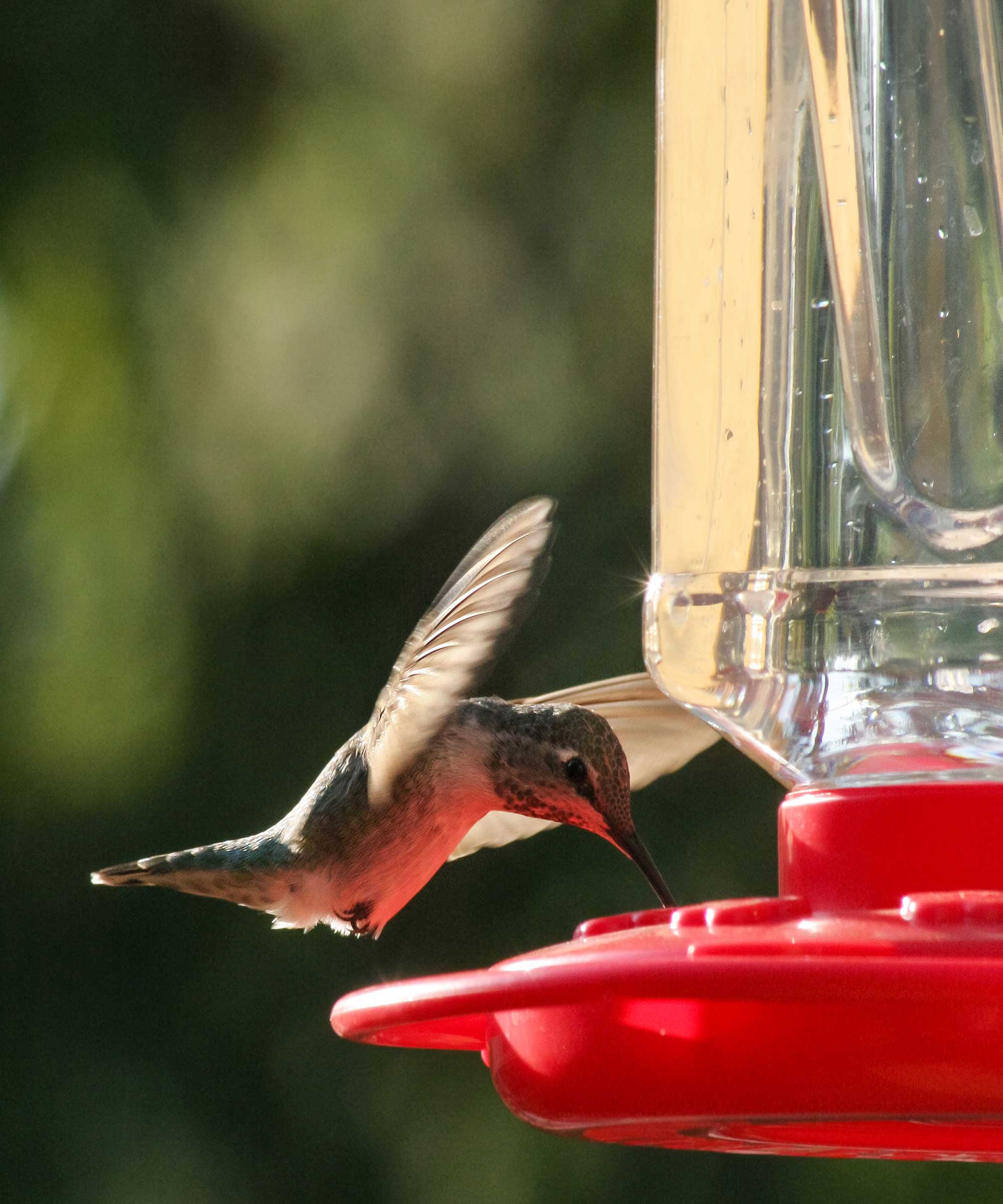
Select feeders designed specifically for the birds you want to attract. Hummingbird feeders usually have small feeding ports and bright red colors to catch their attention. Regular bird feeders come in many styles—tube, platform, or hopper—to suit different bird species.
Keep in mind that hummingbirds prefer feeders that hang and allow easy access to nectar. Meanwhile, other birds might need a stable platform or a feeder that keeps seeds dry and accessible. Could placing these feeders too close cause competition or deter shy birds from visiting?
Maintaining Cleanliness
Clean feeders regularly to prevent mold and bacteria growth, which can harm birds. Nectar spills around hummingbird feeders can attract ants and wasps, so wipe them down often. For seed feeders, remove old or wet seeds to avoid fungal infections.
Check your feeders weekly, or more often in hot weather. Cleanliness not only protects birds but also keeps your garden inviting. Do you notice more visitors when feeders look fresh and well-kept?
Providing Suitable Food
Offer the right food for each type of bird. For hummingbirds, prepare fresh nectar with four parts water to one part white sugar, avoiding honey or artificial sweeteners. Change the nectar every two to three days to prevent fermentation.
Other birds enjoy a mix of seeds, nuts, and suet, depending on species and season. Avoid mixing hummingbird nectar with seed feeders to reduce mess and competition. Are you ready to adjust feeding habits based on what your feathered friends prefer?
Designing A Bird-friendly Garden
Designing a garden that welcomes birds means thinking beyond just placing feeders. You want to create a safe, inviting space where birds feel comfortable and can thrive. The right mix of natural elements and thoughtful feeder placement can transform your outdoor space into a lively bird haven.
Incorporating Natural Shelter
Birds need more than food; they need protection from predators and harsh weather. Adding shrubs, small trees, or dense bushes provides excellent cover. Think about evergreens or thorny plants that offer year-round shelter and safe spots for nesting.
In my garden, I planted a mix of native shrubs, and I noticed birds visiting more often. They stayed longer because they felt secure. Have you considered how your garden’s layout might offer or limit natural hiding spots?
Using Plants To Attract Birds
Plants can attract birds by providing natural food sources like berries, seeds, and nectar. Choose a variety of flowering plants that bloom at different times to keep your garden appealing year-round. Native plants are especially good since local birds recognize and rely on them.
Adding milkweed, coneflowers, and bee balm brought in not just birds but also hummingbirds. These plants offer nectar that complements what hummingbird feeders provide. What native plants could you add that would serve as a natural buffet?
Safe Placement Of Feeders
Placing your bird and hummingbird feeders close together can work, but only if safety is considered. Keep feeders near shelter but away from spots where predators like cats can hide. Position them at least 10 feet from windows to prevent collisions.
In my experience, placing feeders within 3 to 5 feet of shrubs offers quick escape routes for birds. However, if feeders are too close, larger birds might intimidate smaller ones. Are your feeders positioned to balance accessibility with safety?
Credit: www.homesandgardens.com

Credit: www.natureswaybirds.com
Frequently Asked Questions
Can Bird And Hummingbird Feeders Be Placed Close Together?
Yes, bird and hummingbird feeders can be close but should have some distance. This prevents competition and aggression between species. A gap of at least 10 to 15 feet is ideal to keep both feeders safe and attractive for different birds.
What Distance Is Ideal Between Bird And Hummingbird Feeders?
An ideal distance between feeders is 10 to 15 feet. This spacing reduces territorial disputes and allows birds to feed comfortably. It also helps prevent disease spread and ensures both feeder types get enough visitors without disturbance.
Will Hummingbirds Avoid Feeders Near Regular Bird Feeders?
Hummingbirds may avoid feeders too close to regular bird feeders. Larger birds can intimidate hummingbirds and scare them away. Keeping feeders apart helps hummingbirds feel safe and encourages frequent visits to their specialized feeders.
How To Prevent Bird Feeder Competition Near Hummingbird Feeders?
To prevent competition, place feeders apart and offer different food types. Regular bird feeders attract larger birds, while hummingbird feeders provide nectar. Adding natural cover and perches also helps hummingbirds feed peacefully without interference from bigger birds.
Conclusion
Bird feeders and hummingbird feeders can sit close but need space. Keep them apart enough to avoid crowding and fights. Hummingbirds like quiet spots without much noise or movement. Regular feeders attract bigger birds, which may scare hummingbirds. Place feeders where birds feel safe and can rest nearby.
Clean feeders often to keep birds healthy and happy. Watch how birds use feeders and adjust their spots if needed. Enjoy the variety of birds visiting your yard every day. Small changes help all birds feed peacefully and safely.




