
Are you tired of squirrels turning your bird feeder pole into their personal playground? You’re not alone.
Those clever little critters can be frustrating, stealing birdseed and scaring away your feathered friends. But don’t worry—there are simple, effective ways to keep squirrels at bay. You’ll discover easy tips and tricks to squirrel-proof your bird feeder pole so you can enjoy watching birds without the constant squirrel showdown.
Keep reading to protect your feeder and bring peace back to your backyard.
Choosing The Right Feeder Pole
Choosing the right feeder pole is crucial if you want to keep squirrels away from your bird feeder. Not all poles are created equal, and selecting the proper material and placing it at the right height can make a big difference. Let’s look at what works best to protect your feeder and keep those clever squirrels at bay.
Material Matters
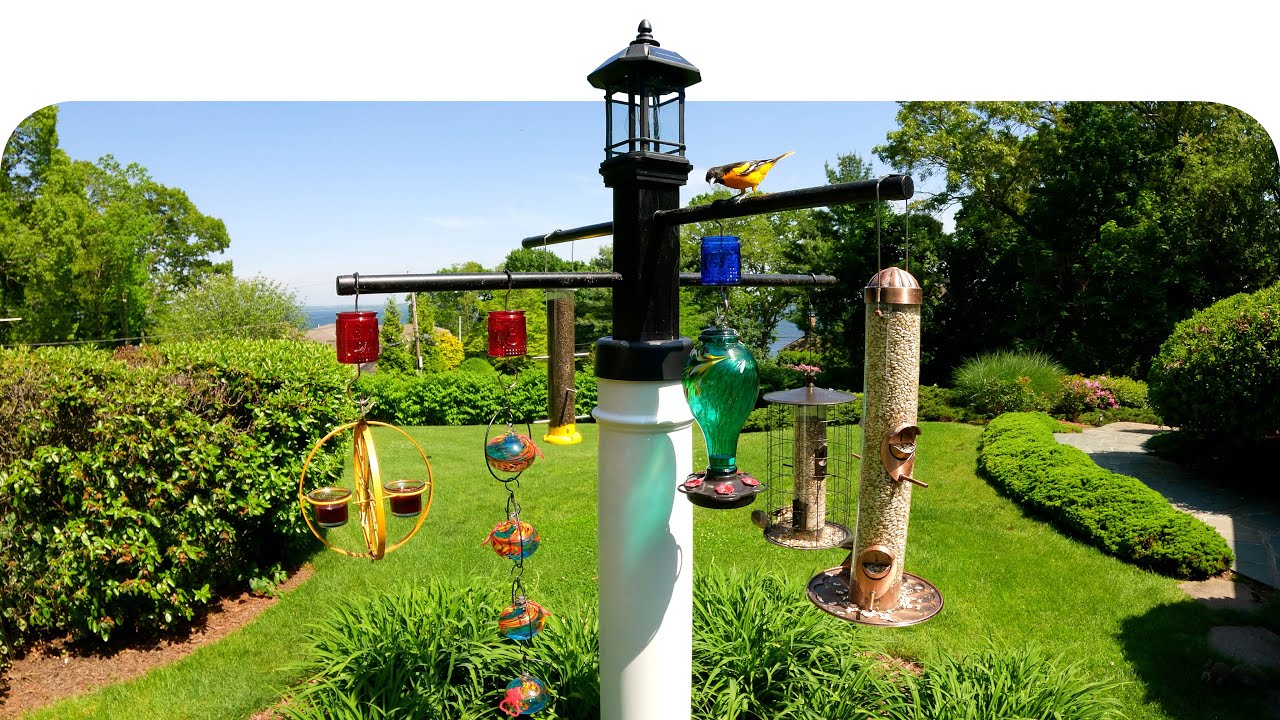
Metal poles are usually the best choice because squirrels can’t chew through them. Aluminum or stainless steel poles resist rust and are strong enough to hold squirrel baffles. Avoid wooden poles—they’re easy for squirrels to climb and chew.
Some poles come with a smooth, slippery finish that makes it harder for squirrels to get a grip. Think about adding a metal or plastic baffle to your pole for extra protection. Have you noticed how squirrels can scale rough surfaces effortlessly? Choosing the right material can stop them cold.
Height And Placement Tips
Place your feeder pole at least 5 to 6 feet above the ground. This height reduces the chance of squirrels jumping onto the feeder from nearby objects. Keep the pole at least 10 feet away from trees, fences, or roofs that squirrels can use as launching pads.
Consider the surroundings carefully—where squirrels live and travel matters. You want the pole in a spot that’s open and free from easy access points. Have you ever watched a squirrel’s acrobatic moves? Positioning the pole right can make your feeder a lot less inviting to them.
Effective Squirrel Baffles
Squirrels are clever and persistent when trying to reach bird feeders. Effective squirrel baffles block their path and protect your bird food. These devices act as physical barriers on the feeder pole. They stop squirrels from climbing up or jumping onto the feeder. Choosing the right baffle and installing it correctly ensures your feeder stays squirrel-free.
Types Of Baffles
- Cone-shaped baffles:Wide at the bottom and narrow at the top, these prevent squirrels from climbing past.
- Tube baffles:Cylindrical tubes that spin or slide, causing squirrels to lose grip and fall off.
- Disc baffles:Flat round plates that block squirrels from climbing around poles or branches.
- Bucket baffles:Large containers attached below the feeder to catch squirrels and stop access.
Installation Tips
- Place baffles at least 4 feet above the ground to prevent squirrels from jumping.
- Ensure the baffle is wide enough so squirrels cannot squeeze around it.
- Secure the baffle tightly to the pole to avoid wobbling or shifting.
- Maintain a gap of 1 to 2 feet between the feeder and baffle for better protection.
- Regularly check for damage or wear and replace if needed.
Using Squirrel-proof Feeders
Using squirrel-proof feeders is a smart way to protect bird food. These feeders are made to stop squirrels from stealing seeds. They save money and keep birds happy. Choosing the right feeder can reduce frustration and keep your yard peaceful.
Design Features To Look For
- Weight-Activated Perches:Close access when heavy animals land.
- Metal Construction:Tough materials stop squirrels from chewing.
- Seed Guards:Shields that block squirrels from reaching food.
- Spinning Mechanisms:Make squirrels slip off the feeder.
- Placement Flexibility:Options to hang or mount feeders away from trees.
Best Brands And Models
| Brand | Model | Key Feature |
|---|---|---|
| Brome | Squirrel Buster Plus | Weight-sensitive closing system |
| Perky-Pet | Steel Squirrel-Proof Feeder | Durable metal cage design |
| Droll Yankees | Yankee Flipper | Motorized spinning perch |
| Woodlink | Audubon Squirrel-Proof Feeder | Sturdy steel frame and seed guard |

Credit: feedsnneeds.ca
Natural Deterrents
Natural deterrents offer a gentle way to keep squirrels away from your bird feeder pole. They use smells and tastes that squirrels dislike but do not harm them or the birds. These options help protect your feeders while maintaining a safe environment for wildlife.
Planting Scented Herbs
Planting scented herbs near your bird feeder pole can keep squirrels at bay. Herbs like mint, lavender, and rosemary have strong smells that squirrels avoid. Place pots or small garden beds of these herbs around the feeder area.
The scent confuses and deters squirrels from approaching. At the same time, these herbs attract beneficial insects and add beauty to your garden. This method blends well with nature and does not require chemicals or traps.
Using Spicy Bird Seed
Spicy bird seed is another natural way to discourage squirrels. Birds do not mind the mild heat from spices, but squirrels find it unpleasant. Mix cayenne pepper or chili powder with your bird seed before filling the feeder.
The spicy taste keeps squirrels away without harming the birds. Reapply the spicy mix regularly to maintain effectiveness. This simple trick saves your seed supply and ensures birds get to enjoy it peacefully.
Maintenance And Monitoring
Keeping your bird feeder pole squirrel-proof requires more than just initial setup. Regular maintenance and careful monitoring help you stay ahead of persistent squirrels. These steps ensure your feeder remains a safe spot for birds without turning into a squirrel playground.
Regular Cleaning
Cleaning your bird feeder pole frequently prevents seed buildup that attracts squirrels and other pests. Use a mild soap solution and a brush to scrub off dirt, mold, and leftover seeds. Rinse thoroughly and let it dry completely before refilling.
Don’t forget to check the pole itself for any cracks or damage that squirrels could exploit. A clean, well-maintained feeder is less appealing to unwanted visitors and healthier for birds.
Adjusting Strategies Over Time
Squirrels are clever and can quickly figure out ways to bypass your defenses. Watch their behavior closely to spot any new tricks they try. Are they jumping from nearby trees or leaping from fences?
Based on your observations, adjust your setup. You might need to move the feeder farther from jumping-off points or add extra baffles. Sometimes changing the type of seed or feeder design can also deter squirrels more effectively.
Have you noticed how a small tweak can make a big difference? Keep experimenting to find what works best in your yard.

Credit: www.amazon.ca
Credit: www.youtube.com
Frequently Asked Questions
How Can I Stop Squirrels From Climbing Bird Feeder Poles?
Use metal baffles or cones around the pole to block squirrels. Place them at least 3 feet above the ground. These barriers prevent squirrels from climbing and reaching the feeder, protecting bird food effectively.
What Is The Best Squirrel-proof Bird Feeder Pole Design?
A pole with a smooth metal surface and a wide baffle works best. Avoid wooden poles, as squirrels can easily climb them. Ensure the baffle is slippery and extends wide enough to block squirrels.
Are Squirrel Baffles Easy To Install On Feeder Poles?
Yes, squirrel baffles are generally easy to install. Most models slide or clamp onto the pole without tools. Proper positioning is essential to ensure they effectively block squirrels from climbing.
Can I Use Grease Or Deterrents On The Bird Feeder Pole?
Applying non-toxic grease can make poles slippery for squirrels. However, it needs frequent reapplication, especially after rain. Some deterrents may harm birds, so use only safe, bird-friendly products.
Conclusion
Squirrels can be tricky visitors at your bird feeder. Using simple tools and tricks helps keep them away. A well-protected feeder lets birds enjoy their food safely. Regular checks and small fixes stop squirrels from winning. Enjoy watching birds without the worry of squirrels stealing food.
Keep trying different methods until you find what works best. Your garden will be a peaceful spot for birds soon. Stay patient and consistent for great results.




