
Are you wondering if you can place your hummingbird feeders close to other bird feeders? It’s a common question for anyone who loves attracting different kinds of birds to their yard.
You want to enjoy the colorful dance of hummingbirds while still inviting your favorite songbirds and finches. But does putting feeders together help or hurt your chances? In this post, you’ll discover the surprising facts about feeder placement that can make your backyard a buzzing, happy place for all your feathered friends.
Keep reading to learn how to set up your feeders the right way and create a birdwatching spot you’ll love!
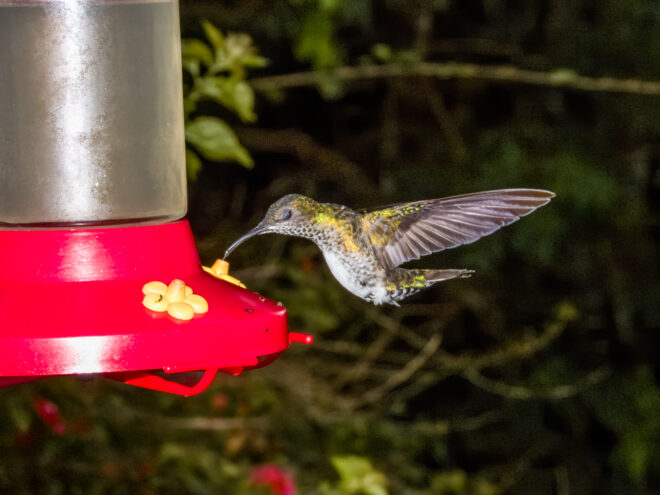
Credit: www.birdwatchingdaily.com
Hummingbird Feeder Basics
Hummingbird feeders attract these tiny birds with sweet nectar. Understanding the basics helps keep hummingbirds safe and happy. Proper feeder choice and placement matter a lot. These basics improve your chances of enjoying hummingbird visits daily.
Types Of Hummingbird Feeders
Hummingbird feeders come in many styles. Some have red parts to attract birds. Others include multiple feeding ports. Clear glass bottles show nectar level. Plastic feeders are lightweight and easy to clean.
- Simple bottle feeders with one or two ports
- Feeders with built-in ant moats to keep insects away
- Flower-shaped feeders mimicking natural blooms
- Tray-style feeders for easier access
Choose a feeder that fits your yard and budget. Easy cleaning is important to prevent mold.
Choosing The Right Location
Place feeders where hummingbirds feel safe. Near flowering plants works well. Avoid spots with heavy wind or direct midday sun. Shade helps keep nectar fresh longer.
- Hang feeders 4 to 6 feet above ground
- Keep feeders 10 to 15 feet from other bird feeders
- Place near shrubs or trees for quick cover
- Avoid areas with strong predator presence
Proper location encourages hummingbirds to visit often and stay longer.
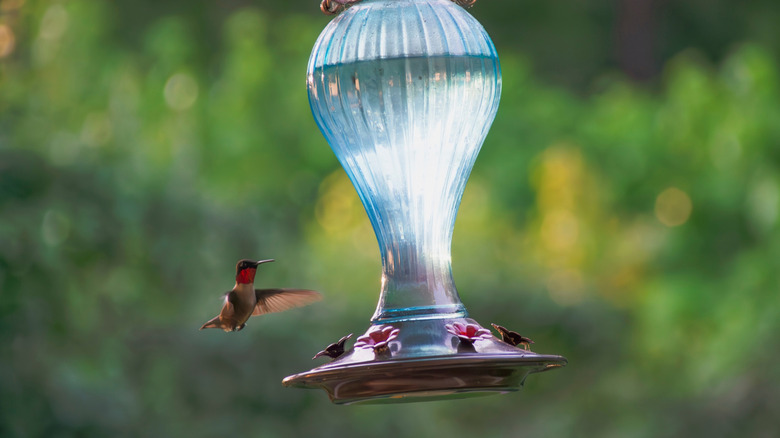
Credit: www.outdoorguide.com
Compatibility With Other Bird Feeders
Placing hummingbird feeders near other types of bird feeders can be a bit tricky. You want to attract a variety of birds without causing competition or scaring away your hummingbirds. Understanding how compatible hummingbird feeders are with other bird feeders helps you create a welcoming backyard environment for all birds.
Common Bird Feeders Nearby
You’ll often find seed feeders, suet feeders, and platform feeders near hummingbird feeders. Seed feeders attract finches, sparrows, and chickadees, while suet feeders bring woodpeckers and nuthatches. Platform feeders are more general and can draw a mix of birds, including doves and jays.
Knowing which birds visit these feeders helps you anticipate interactions. For example, finches usually don’t bother hummingbirds, but aggressive birds like jays might. Have you noticed certain birds dominating your yard?
Potential Benefits Of Proximity
Putting hummingbird feeders close to other feeders can increase overall bird activity. You get to watch a lively scene with different species visiting simultaneously. It’s also easier to maintain multiple feeders when they’re in the same area.
Additionally, some birds indirectly benefit hummingbirds by alerting them to predators or disturbances. Your yard becomes a more dynamic and interesting place for bird lovers. Would you enjoy seeing a variety of birds sharing the same space?
Possible Risks And Challenges
Competition for space and food can stress hummingbirds if larger birds crowd the area. Aggressive species like starlings or squirrels may chase away hummingbirds from their feeders. Also, mixing nectar feeders with seed feeders might increase the risk of contamination or disease spread.
To reduce problems, place hummingbird feeders slightly apart or at different heights. Regular cleaning and monitoring help keep all feeders safe and inviting. Are you ready to adjust feeder placement based on how your birds behave?
Attracting Hummingbirds Safely
Attracting hummingbirds safely near other bird feeders requires careful planning. These tiny birds need space and quiet to feed. Placing their feeders thoughtfully helps them avoid stress and danger. Proper care keeps hummingbirds healthy and happy while sharing your yard with other birds.
Avoiding Aggression From Other Birds
Some birds can be very aggressive around feeders. Hummingbirds are small and may get chased away. To protect them, place hummingbird feeders away from larger bird feeders. Use separate feeding areas with some distance between them. This reduces fights and lets hummingbirds feed in peace.
Keeping Feeders Clean
Clean feeders help prevent mold and bacteria growth. Wash hummingbird feeders at least once a week. Use hot water and a mild soap without chemicals. Rinse well to remove any soap residue. Clean feeders attract more hummingbirds and keep them safe from illness.
Preventing Disease Spread
Diseases can spread quickly at crowded feeders. Avoid placing hummingbird feeders too close to other bird feeders. Change the nectar every two to three days, especially in warm weather. Remove any leftover nectar before refilling. This stops harmful germs from spreading among birds.
Placement Strategies
Knowing where to place your hummingbird feeder in relation to other bird feeders can make a big difference in attracting these tiny, vibrant birds. Placement strategies help ensure hummingbirds feel safe and have easy access to their food without being disturbed by larger birds. Let’s look at some key factors to consider for the best setup in your garden or balcony.
Distance Recommendations
Hummingbirds prefer their own space and can be easily intimidated by larger birds visiting other feeders. Keep your hummingbird feeder at least 10 to 15 feet away from feeders meant for seed-eating birds. This distance helps reduce competition and aggressive behavior.
Have you noticed hummingbirds avoiding feeders crowded with finches or sparrows? Giving them room to feed peacefully encourages more frequent visits. You might also try placing feeders in separate corners of your yard to offer clear, distinct feeding zones.
Height And Visibility
Position your hummingbird feeder at eye level or slightly higher to catch their attention. Hummingbirds are drawn to bright colors and open spaces, so placing feeders where they are easily visible helps. Avoid hiding feeders too deep inside thick bushes where visibility is low.
Try hanging feeders from a branch or a pole about 4 to 6 feet above the ground. This height not only makes the feeder accessible but also keeps it safer from ground predators like cats. Experiment with different spots during the day to see where your hummingbirds feed most comfortably.
Using Plants And Natural Cover
Adding natural cover near your hummingbird feeder can create a welcoming environment. Small trees, shrubs, or flowering plants nearby offer resting spots and protection from predators. This makes hummingbirds feel secure and more likely to linger.
Think about planting nectar-rich flowers close to your feeders. This combination provides both natural food sources and a feeding station, attracting more hummingbirds to your space. Have you ever watched a hummingbird dart from a flower to a feeder? That’s a sign your placement is working well.
Seasonal And Environmental Considerations
Placing hummingbird feeders near other bird feeders requires attention to seasonal and environmental factors. These factors influence bird behavior and feeding patterns. Adjusting feeder placement helps attract hummingbirds while keeping other birds comfortable.
Understanding seasonal changes and weather impacts is key. It ensures feeders stay safe and appealing throughout the year. Thoughtful placement supports hummingbirds and other species alike.
Adapting Feeder Placement By Season
Spring and summer bring active hummingbirds. Place feeders in sunny spots for warmth and visibility. Keep feeders away from crowded areas to reduce competition.
In fall, hummingbirds prepare for migration. Offer feeders near natural flowers for extra food sources. Reduce feeder quantity to avoid attracting unwanted birds.
Winter demands protection from cold winds. Position feeders near sheltering plants or structures. Check feeder locations often to prevent freezing and damage.
Dealing With Weather Conditions
Wind can shake feeders and spill nectar. Secure feeders with strong hooks or wires. Place feeders behind windbreaks like shrubs or fences.
Rain dilutes nectar and promotes mold growth. Use feeders with covers or trays. Clean feeders regularly to maintain nectar quality.
Heat causes nectar to spoil fast. Offer fresh nectar daily in hot weather. Shade feeders during peak sun hours to keep nectar cool.
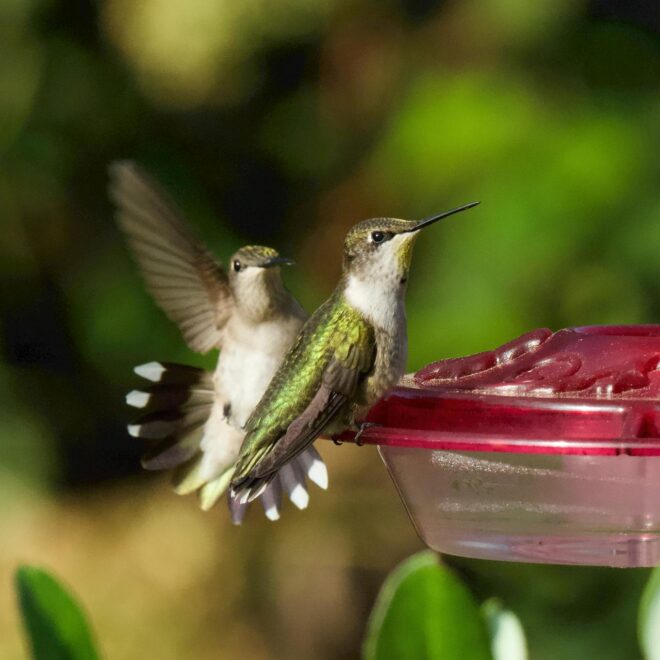
Credit: www.birdwatchingdaily.com
Monitoring And Adjusting Feeder Setup
Placing hummingbird feeders near other bird feeders can be beneficial. It attracts different species, enhancing birdwatching experiences. Regular monitoring ensures balanced feeding, keeping all birds satisfied.
Setting up hummingbird feeders near other bird feeders can be a delightful way to attract a variety of feathered visitors to your yard. However, achieving harmony among different bird species requires a bit of observation and adjustment. Monitoring your feeder setup is crucial to ensure that all birds feel welcome and safe. By paying attention to bird behavior and making necessary adjustments, you can create an inviting environment for both hummingbirds and other bird species.
Observing Bird Behavior
Take time to watch the interactions at your feeders. Notice which birds visit frequently and how they behave around each other. Do the hummingbirds seem stressed or chased away by larger birds? Keep an eye on feeding patterns and times. This can help you identify any territorial disputes or overcrowding. Consider the placement of each feeder and whether it allows sufficient space for all birds to feed comfortably.
Making Changes For Optimal Results
Once you’ve gathered insights from your observations, it might be time to make some changes. If larger birds are dominating the area, try spacing the feeders further apart. This can reduce competition and give hummingbirds their own space to feed. Experiment with feeder heights. Hang hummingbird feeders higher or lower than others to create distinct feeding zones. Adjust the number of feeders based on the number of visitors. More feeders can distribute activity and reduce conflict. Are there specific times when certain birds feed? You might consider staggering the refilling of feeders to accommodate different feeding schedules. Small tweaks can make a big difference in maintaining a peaceful backyard haven.
Frequently Asked Questions
Can Hummingbird Feeders Be Placed Near Other Bird Feeders?
Yes, hummingbird feeders can be placed near other bird feeders. Keep a distance of at least 10 feet to avoid competition and aggression among birds.
How Close Should Hummingbird Feeders Be To Other Feeders?
Maintain at least 10 feet between hummingbird feeders and other bird feeders. This spacing reduces territorial disputes and ensures hummingbirds feel safe while feeding.
Will Other Birds Bother Hummingbirds At Feeders?
Some larger birds may bother hummingbirds if feeders are too close. Proper spacing and feeder placement help minimize conflicts and protect the hummingbirds.
Does Feeder Placement Affect Hummingbird Visits?
Yes, proper feeder placement affects hummingbird visits. Place feeders in visible, shaded areas near flowers to attract hummingbirds and keep them comfortable.
Conclusion
Placing hummingbird feeders near other bird feeders can work well. Keep enough space between them to avoid crowding. This helps hummingbirds feed without stress. Watch how birds behave and adjust feeder spots as needed. Clean feeders often to keep birds healthy.
Enjoy watching different birds visit your garden. With a little care, all birds can share the space happily. Simple steps make your yard a friendly place for hummingbirds and other birds alike.




