
If you’ve ever struggled with squirrels raiding your bird feeder, you’re not alone. These clever critters can be a real headache when all you want is to enjoy watching the birds.
But what if there was a simple, low-cost way to stop them? Putting a slinky on your bird feeder pole might be the secret trick you need. In this guide, you’ll learn exactly how to do it step-by-step, so you can protect your feeder and keep the squirrels at bay.
Ready to save your bird feeder and enjoy peaceful birdwatching? Let’s dive in!
Why Use A Slinky On Bird Feeder Poles
Using a slinky on a bird feeder pole is a simple trick to protect your feeder. It stops unwanted animals from climbing up and stealing birdseed. The slinky acts as a physical barrier that pests find hard to cross. This helps keep your bird feeder safe and ensures birds get their food.
Many people struggle with squirrels and other pests eating the birdseed. A slinky is an easy, affordable way to reduce this problem. It also lasts long and needs little maintenance. Using a slinky is a smart step for anyone who wants to enjoy birdwatching without interruptions.
Benefits For Pest Control
- Prevents squirrels from climbing the pole
- Stops raccoons and other small animals
- Protects birdseed from being wasted
- Requires no chemicals or poisons
- Easy to install and remove
- Works in all weather conditions
Common Pests Targeted
- Squirrels, the most common feeder thieves
- Raccoons that raid feeders at night
- Chipmunks that quickly eat seeds
- Climbing rodents that reach bird food

Credit: happygardens.com
Choosing The Right Slinky
Choosing the right slinky for your bird feeder pole can make all the difference in keeping pesky squirrels at bay. Not every slinky is built the same, and selecting one that fits both your feeder and environment is key. Let’s break down the main factors to consider so you get the best fit for your setup.
Material Options
Slinky materials vary, and each has its pros and cons. Metal slinkies are sturdy and weather-resistant, making them ideal for outdoor use. Plastic ones are lighter and often cheaper but may not hold up well in harsh weather or against determined squirrels.
Think about your local climate and how long you want the slinky to last. If you live in a rainy or snowy area, a rust-proof metal slinky might be worth the investment. Plastic slinkies can warp or break easily, which means more frequent replacements.
Size Considerations
Size matters when placing a slinky on your bird feeder pole. A slinky that is too small might not stretch enough to cover the pole properly. On the other hand, a very large slinky could look bulky and be harder to secure.
Measure your pole’s diameter before buying a slinky. A good rule of thumb is to choose one that can stretch at least 1.5 times the pole’s circumference. This ensures it fits snugly and deters squirrels effectively without slipping off.
Preparing The Bird Feeder Pole
Before you slip a slinky onto your bird feeder pole, taking some time to prepare the pole will make the process smoother and ensure it lasts longer. Preparation is not just about cleanliness; it’s about safety and durability too. A well-prepared pole can prevent slippage and protect your feathered visitors from any hazards.
Cleaning The Pole
Start by inspecting the pole for dirt, bird droppings, and any sticky residue. Use a mild soap solution and a soft cloth or sponge to clean the surface thoroughly. Avoid harsh chemicals that might leave harmful residues or damage the pole’s finish.
Rinse the pole with clean water and dry it completely. Moisture can cause rust or make the slinky slip off easily. Think about the last time you tried putting something on a wet surface—frustrating, right? Keeping the pole dry sets a solid foundation.
Checking For Damage
Look closely for any cracks, rust spots, or weak areas on the pole. These imperfections can cause the slinky to catch or the pole to break under weight. If you find rust, consider sanding it down and applying a rust-resistant paint or sealant.
Also, check if the pole is straight and firmly planted in the ground. A wobbly pole won’t hold the slinky properly and might scare off birds. Have you ever seen a bird feeder sway in the wind? It’s not just annoying—it’s unsafe for your bird friends.
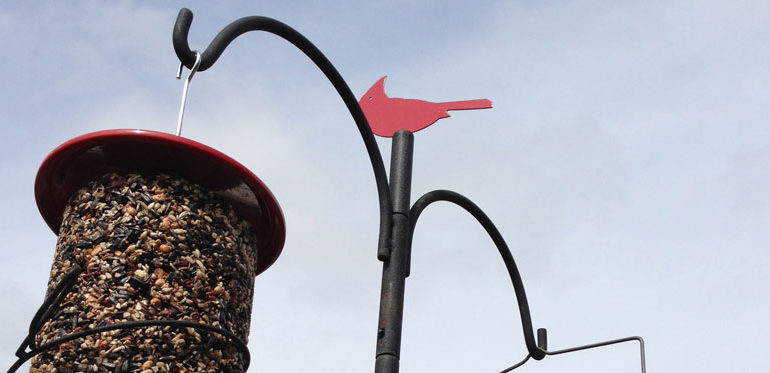
Credit: gardeningproductsreview.com
Step-by-step Installation
Installing a slinky on a bird feeder pole helps keep squirrels away. The installation is simple and quick. Follow these clear steps for best results.
Positioning The Slinky
Choose a spot on the pole where squirrels climb. Usually, this is just below the bird feeder. Hold the slinky so it can spin freely. Make sure it sits flat against the pole.
Securing The Slinky
Use strong zip ties or wire to attach the slinky. Wrap the ties around the slinky and pole tightly. Avoid squeezing too hard to keep the slinky flexible. Check that it can still spin without resistance.
Adjusting For Effectiveness
Test the slinky by pushing it gently. It should spin smoothly and slide down slightly. If stuck, loosen the ties a bit. Make sure the slinky moves easily to block squirrels from climbing up.
Maintaining The Slinky Barrier
Keeping your slinky barrier in good shape is key to making sure squirrels stay off your bird feeder pole for the long haul. A little attention now and then saves you from bigger headaches later. It also helps your feathered friends enjoy a safe, uninterrupted feeding spot.
Regular Inspections
Check the slinky barrier at least once a week. Look for any signs of damage or displacement. Squirrels are clever and persistent, so catching problems early stops them from finding a way past.
Pay close attention after storms or strong winds. These can loosen or bend the slinky, reducing its effectiveness. You want to spot any gaps or sagging before squirrels do.
Cleaning Tips
Bird droppings and dirt can build up on the slinky, making it less slippery and easier for squirrels to climb. Clean it gently using a soft brush and mild soap with water. Avoid harsh chemicals that could harm birds or damage the metal.
Rinse thoroughly and let it dry completely before reattaching. Keeping the slinky clean maintains its smooth surface, which is essential to keeping unwanted visitors at bay.
Replacing Worn Slinkies
Over time, the slinky may lose its shape or become rusty. If you notice cracks, rust spots, or if it no longer spins freely, it’s time to replace it. A worn-out slinky won’t stop squirrels effectively.
Keep an extra slinky on hand so you can swap it out quickly. Have you ever left a worn barrier too long and watched squirrels outsmart it? Don’t let that happen to your feeder.
Additional Pest Control Tips
Keeping pests away from your bird feeder can be challenging. Squirrels and other critters often invade, scaring away the birds. There are effective strategies to deter these unwanted visitors. Here are some tips to enhance pest control at your bird feeder.
Alternative Deterrents
Consider using physical barriers. Install a dome or baffle above your feeder. This prevents pests from reaching the feeder. Use spicy bird seed. Many pests dislike the taste, yet birds remain unaffected. Hang reflective items like CDs or foil strips. These deter pests with their movement and shine.
Combining Methods For Success
Try using multiple deterrents at once. The combination increases effectiveness. Place your feeder away from trees and fences. This limits access points for climbing pests. Regularly clean the ground beneath the feeder. This removes spilled seed that attracts pests. Monitor and adjust your strategies for best results.

Credit: www.amazon.com
Frequently Asked Questions
How Do You Attach A Slinky To A Bird Feeder Pole?
Slide the slinky from the top of the pole downwards. Ensure it fits snugly around the pole to prevent slipping. The slinky acts as a squirrel baffle, blocking their climb to the feeder. Secure it with zip ties if needed for stability.
Why Use A Slinky On A Bird Feeder Pole?
A slinky deters squirrels from reaching bird feeders. Its flexible, slippery surface makes climbing difficult. This simple method protects bird food and attracts more birds. It’s an affordable, easy-to-install solution for squirrel problems.
Can A Slinky Fit All Bird Feeder Pole Sizes?
Most standard slinkies fit poles between 1 and 2 inches in diameter. For thicker poles, larger slinkies or multiple slinkies may be needed. Measure your pole before purchasing to ensure a proper fit and effective squirrel prevention.
How High Should The Slinky Be Placed On The Pole?
Place the slinky at least 3 feet above ground level. This height keeps squirrels from jumping over it from nearby surfaces. Ensure there’s clearance around the pole for the slinky to expand freely and block climbing attempts.
Conclusion
Adding a slinky to your bird feeder pole helps keep squirrels away. It creates a fun and simple barrier for pests. You only need a few easy steps to install it. This small change protects your bird food and invites more birds.
Watch your garden stay lively and pest-free. Try this quick fix and enjoy peaceful bird watching. It’s a smart way to care for your feathered friends. Give it a shot and see the difference.




