
Are you tired of big birds crashing your peaceful hummingbird feeder? It’s frustrating when those large birds scare away the tiny, colorful visitors you want to enjoy.
You want to keep your feeder just for hummingbirds, but how? This guide will show you simple, effective ways to keep large birds away without harming them. By the end, you’ll know exactly what to do to protect your feeder and make it a safe haven for hummingbirds only.
Keep reading—your hummingbird friends are counting on you!
Choose The Right Feeder
Choosing the right feeder plays a crucial role in keeping large birds away from your hummingbird feeders. The design and features of the feeder can either invite or deter unwanted visitors. By focusing on specific characteristics, you can create a more exclusive feeding spot for hummingbirds only.
Opt For Small Feeding Ports
Small feeding ports limit access to the nectar, making it difficult for large birds to feed. Hummingbirds have long, slender beaks perfectly suited for tiny openings, while bigger birds struggle to reach through.
Look for feeders with feeding holes around 3 to 4 millimeters wide. This size is just right for hummingbirds but too small for larger birds like starlings or jays.
Have you noticed how some feeders seem to attract more than just hummingbirds? That’s often because their feeding ports are too large. Switching to a feeder with smaller ports can reduce unwanted guests significantly.
Select Perch-free Designs
Perches give larger birds a comfortable place to rest while feeding. Removing these makes it harder for them to settle and dominate the feeder.
Perch-free feeders force hummingbirds to hover, which they are uniquely adapted to do. Larger birds find hovering exhausting and tend to avoid these feeders.
If you’ve ever seen a big bird taking over a feeder, you know how frustrating it can be. Choosing a perch-free design helps you avoid this problem and keeps your feeder hummingbird-friendly.
Strategic Feeder Placement
Choosing the right spot for your hummingbird feeder can make a huge difference in keeping large birds away. Strategic feeder placement helps create a safe, peaceful feeding zone for the tiny hummingbirds you want to attract. It’s all about making the feeder less appealing or accessible to bigger birds without disturbing your hummingbird visitors.
Hang Feeders In Shaded Areas
Hummingbirds prefer shaded spots because these areas offer cooler temperatures and protection from harsh sunlight. Hanging your feeder in a shaded area can discourage larger birds that often prefer open, sunny spots to spot potential threats easily.
Try placing feeders near leafy branches or under tree canopies where hummingbirds can dart quickly into cover. I once moved my feeder under a dense maple branch, and the big birds stopped visiting, while the hummingbirds kept coming back happily.
Avoid Open Spaces
Large birds like jays and grackles feel more comfortable in wide-open spaces where they can spot predators and competitors from afar. Placing your feeder away from open lawns or clearings reduces the chances of these big birds staking their claim.
Instead, choose locations near shrubs or clustered plants that hummingbirds find inviting but large birds find tricky to navigate. Have you noticed how hummingbirds zip through tight spaces? Use this to your advantage by creating a feeder spot that requires agility, something large birds don’t have in abundance.
Use Physical Barriers
Using physical barriers is a practical way to stop large birds from visiting hummingbird feeders. These barriers block big birds while letting tiny hummingbirds feed safely. Physical barriers protect the feeder without harming any birds.
These solutions are simple to set up and need little maintenance. They create a space where hummingbirds can eat peacefully. Large birds find it hard to reach the feeder, so they move away.
Install Wire Cages
Wire cages fit around the feeder to block big birds. The cage holes are small enough to keep large birds out. Hummingbirds can fly through the gaps easily.
Use lightweight, rust-resistant wire for outdoor use. Place the cage close to the feeder but not touching it. This stops big birds from perching or reaching inside.
Wire cages also protect the feeder from squirrels and other pests. They work well in both gardens and balconies.
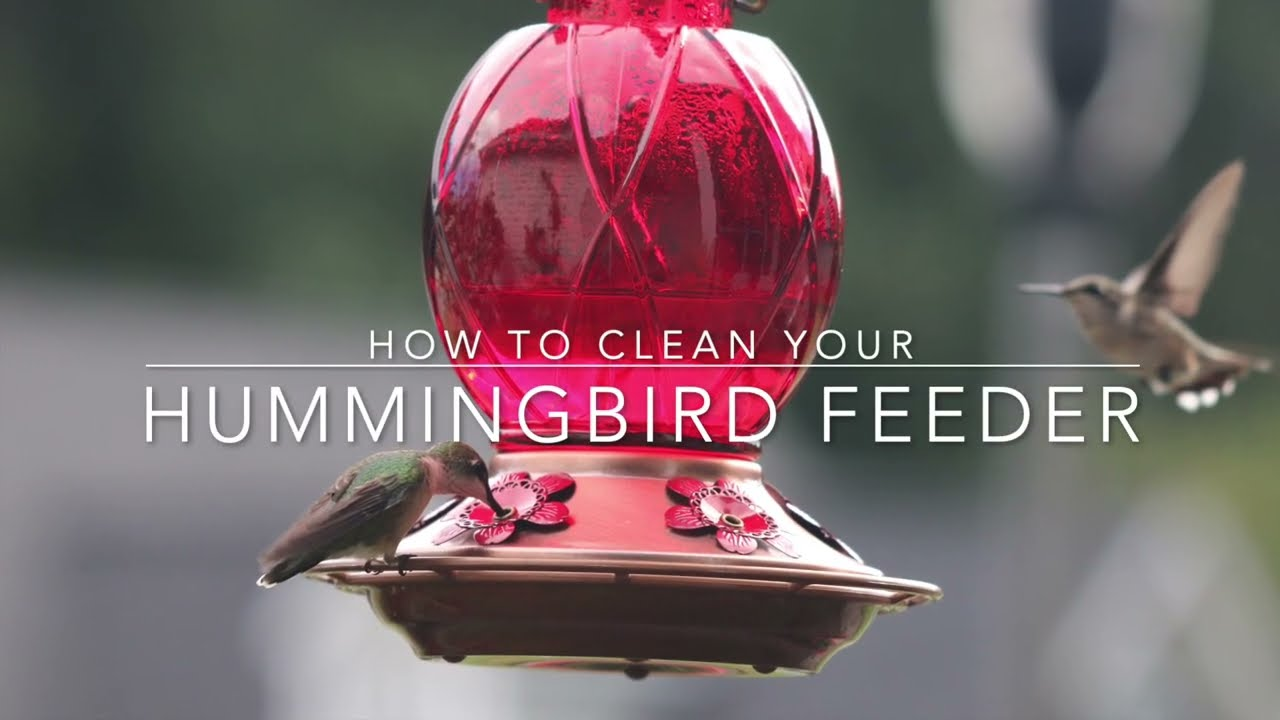
Add Spinners Or Reflectors
Spinners and reflectors scare large birds away. They spin or shine in the sunlight, creating movement and light flashes. This movement makes big birds nervous.
Hang these items near the feeder but not too close to bother hummingbirds. Use shiny CDs, aluminum foil strips, or store-bought bird deterrents. Change their position often to keep the effect strong.
Spinners and reflectors are low-cost and easy to install. They add a dynamic barrier that large birds avoid.
Credit: growcycle.com
Modify Feeding Schedule
Adjusting your hummingbird feeder’s schedule can make a big difference in keeping large birds away. Big birds often dominate feeders when nectar is abundant and easily accessible. By changing when and how much you fill your feeders, you can give hummingbirds a better chance to feed peacefully.
Fill Feeders During Off-peak Hours
Try filling your feeders early in the morning or late in the evening. Large birds tend to visit during the warmest parts of the day when nectar is plentiful. If your feeders are freshly filled at quieter times, hummingbirds will have less competition.
Think about your local bird activity patterns. Are there specific times when the big birds are less active? Filling feeders during these off-peak hours can help you outsmart them. You’ll notice hummingbirds visiting more often without the usual interruptions.
Limit Nectar Quantity
Putting out smaller amounts of nectar can discourage large birds from hanging around. Big birds often want a steady, large supply to justify their presence. If the nectar amount is limited, they are less likely to stay long or return frequently.
Try filling your feeders with just enough nectar to last a day or two. This keeps the supply fresh and less attractive to large birds looking for an easy meal. You might find that your hummingbirds get more feeding time and less competition.
Natural Deterrents
Natural deterrents offer gentle ways to keep large birds away from hummingbird feeders. These methods do not harm birds or the environment. They use plants and scents that birds dislike. This approach helps protect the small hummingbirds you want to attract.
Plant Bird-repellent Vegetation
Certain plants repel large birds naturally. Their smells or textures make birds avoid those areas. Place these plants near your hummingbird feeder to block large birds.
- Marigolds have a strong scent that large birds dislike.
- Lavender’s smell can deter unwanted visitors without harming hummingbirds.
- Mint grows quickly and creates a barrier with its scent.
Use these plants in pots or garden beds close to your feeder. They add beauty and protect your feeder at the same time.
Use Scent-based Repellents
Scent-based repellents keep large birds away by using smells they find unpleasant. These scents do not bother hummingbirds, which rely more on sight and less on smell.
- Essential oils like peppermint or eucalyptus work well as repellents.
- Spray diluted oil around the feeder area, avoiding direct contact with the feeder.
- Cotton balls soaked in oils can be placed nearby to spread the scent.
Refresh the scents often to maintain their effectiveness. This method is safe, natural, and easy to use for bird control.
Credit: www.highlandernews.com
Maintain Feeder Cleanliness
Maintaining feeder cleanliness is key to attracting hummingbirds while deterring large birds. Dirty feeders can invite unwanted guests and harm the hummingbirds. By keeping your feeder clean, you ensure a safe feeding environment for these delicate creatures. Here’s how to keep your feeders in top shape.
Regularly Change Nectar
Change the nectar every two to three days. Fresh nectar keeps hummingbirds healthy. It also discourages large birds and pests. During warm weather, change it more frequently. Use only plain sugar water without dyes.
Prevent Mold And Bacteria
Mold and bacteria can harm hummingbirds. Clean feeders with hot water weekly. Avoid using soap as it leaves residues. A gentle brush can help remove grime. Inspect feeders for black spots or cloudiness. These are signs of mold or bacteria. A clean feeder is a safe feeder.
Monitor And Adjust Tactics
Regularly watch your feeder to see which tactics work best. Change methods if large birds keep coming back. Stay patient and keep trying different ideas until hummingbirds can feed safely.
Keeping large birds away from your hummingbird feeders requires a keen eye and a willingness to adapt. It’s not just about setting a deterrent and hoping it works. You need to actively monitor the situation and be ready to tweak your approach. Each garden and bird population is unique, so what works for your neighbor might not work for you. By observing the birds and adjusting your tactics, you can create a sanctuary where hummingbirds can thrive without competition from larger birds.Observe Bird Behavior
Start by watching how birds interact with your feeder. Do certain times of day attract more large birds? Maybe they swoop in when the feeder is full or when the hummingbirds are absent. Take notes on these patterns. Understanding when and how large birds are visiting can help you devise a more effective strategy. Sometimes, the simple act of observing can reveal the perfect solution.Try Different Deterrent Methods
Experiment with various deterrents to see what works best. Try placing a separate feeder for larger birds at a distance. This can divert their attention away from the hummingbird feeder. Consider using visual deterrents like reflective tape or pinwheels nearby. These can startle larger birds without bothering the hummingbirds. It’s all about finding the right balance. Remember, your approach may need constant tweaking. Have you ever tried one tactic only to find it ineffective? Don’t be discouraged; flexibility is key. Keep experimenting until you find the right combination that keeps your hummingbird feeder bustling with tiny, iridescent visitors.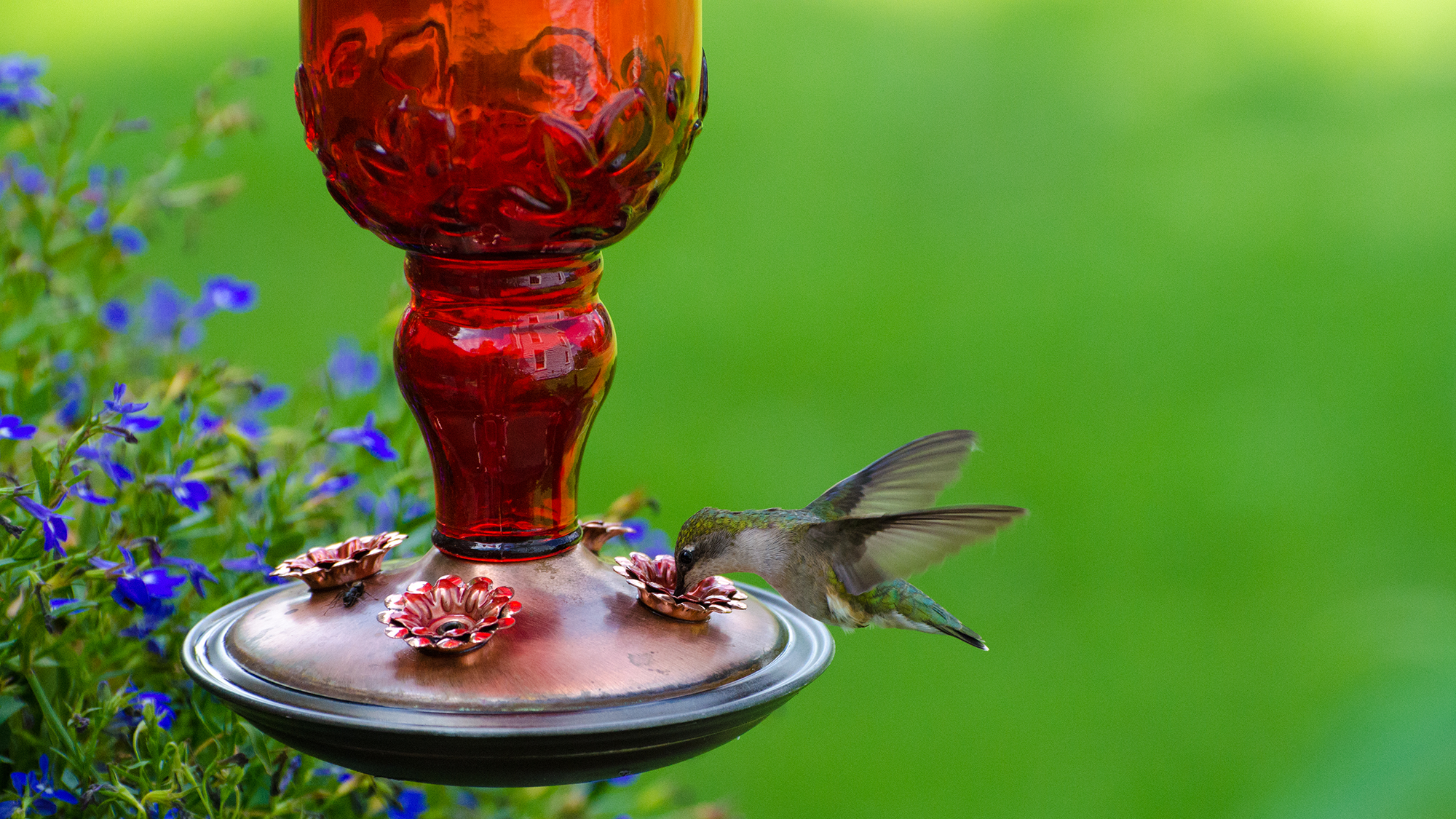
Credit: www.tomsguide.com
Frequently Asked Questions
How To Prevent Large Birds From Eating Hummingbird Food?
Use feeders with smaller feeding ports designed for hummingbirds. Place feeders away from large bird perches. Adding baffles can block access to bigger birds. Regularly clean and refill feeders to reduce spillages that attract large birds.
Why Do Large Birds Visit Hummingbird Feeders?
Large birds visit feeders because of easy food access. They are attracted to the sugar water and feeder locations. Lack of natural food sources nearby can increase their visits. Large birds can dominate feeders, pushing away hummingbirds.
What Feeder Types Keep Large Birds Away Effectively?
Tube feeders with tiny feeding holes work best. Saucer-style or bottle feeders designed for hummingbirds deter large birds. Feeders with built-in guards or cages limit access to small birds only. Avoid open or platform feeders that attract all bird sizes.
Can Feeder Placement Reduce Large Bird Visits?
Yes, placing feeders in open areas limits large bird perching. Hanging feeders away from trees or poles reduces access for big birds. Elevate feeders to a height hummingbirds prefer. Avoid locations near bird feeders meant for larger birds.
Conclusion
Keeping large birds away from hummingbird feeders takes patience and care. Use simple barriers or feeder designs to limit access. Place feeders where hummingbirds feel safe and large birds don’t. Regular cleaning keeps feeders attractive to small birds only. Watch and adjust your setup as needed.
Enjoy watching hummingbirds visit without big bird interruptions. Small changes make a big difference. Protect your feeders and help hummingbirds thrive.




