
Have you ever looked outside and wondered, “Why are there so many birds flying around my house?” It can be both fascinating and a little puzzling to see flocks of birds gathering near your home. You might be curious if it’s a sign, a seasonal change, or something about your house that’s attracting them.
You’ll discover the surprising reasons behind this busy bird activity and learn what it means for you and your surroundings. Keep reading to uncover the secrets that those feathered visitors are trying to tell you.

Credit: www.cbc.ca
Common Bird Species Near Homes
Birds near homes add life and color to everyday scenes. They thrive because houses offer food, shelter, and safety. Knowing common bird species helps identify why they gather around your property. Different species have unique habits and preferences. This variety brings diverse bird activity to neighborhoods.
Local Birds You Might See
Some birds live near homes all year. These species adapt well to human spaces. They find food in gardens, feeders, and trash. They build nests in trees, bushes, and eaves.
- House Sparrow: Small, brown birds that eat seeds and crumbs.
- American Robin: Bright orange chest, loves worms and berries.
- Northern Cardinal: Red feathers, often seen at feeders.
- Blue Jay: Loud, blue and white plumage, eats nuts and insects.
- Mourning Dove: Soft cooing, feeds on seeds on the ground.
Seasonal Visitors
Some birds only appear in certain seasons. They migrate to find food or better weather. These visitors bring extra energy to your yard. Watching them can be exciting and educational.
- Yellow Warbler: Bright yellow, arrives in spring to breed.
- Ruby-throated Hummingbird: Small, fast, drinks nectar in summer.
- Snow Bunting: White and brown, visits in winter.
- Canada Goose: Large, flies in flocks during migration.
- Sandhill Crane: Tall, gray birds that pass through in fall.
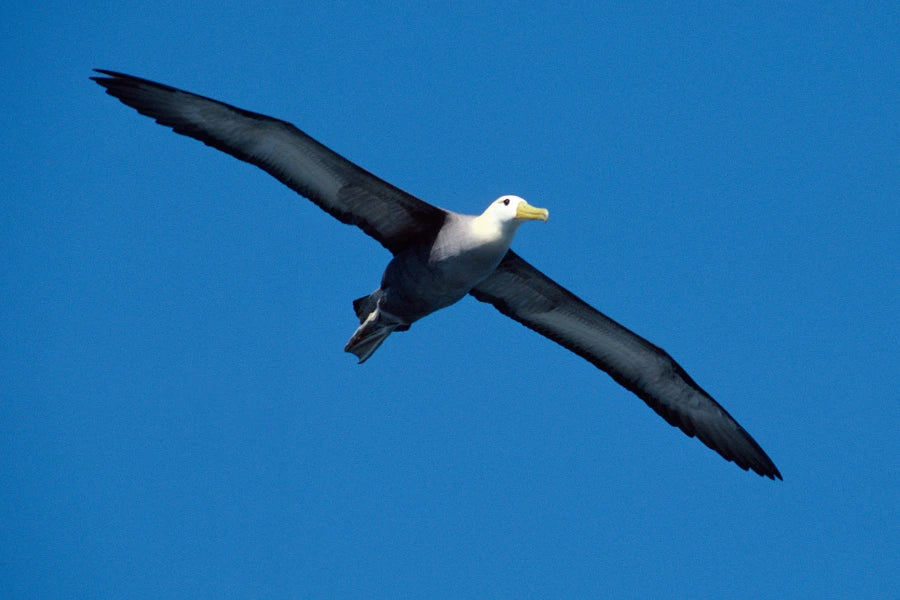
Credit: www.birdfy.com
Attractive Features Of Your Property
Birds are drawn to places that offer comfort and safety. Your property might have several features that attract them. These features provide what birds need to live, rest, and thrive. Understanding these can explain why birds flock around your home.
Food Sources Nearby
Birds need food to survive. Your yard may have plants that produce seeds, berries, or fruits. Insects living in your garden also attract birds. Bird feeders filled with seeds or suet are an easy food source. Even scraps or compost piles can bring birds close to your house.
Water Availability
Water is essential for birds. A birdbath or a small pond in your yard can provide fresh water. Rainwater collected in containers or puddles also helps. Birds use water for drinking and bathing. Easy access to water makes your property a good stop for them.
Shelter And Nesting Spots
Birds need safe places to rest and build nests. Trees, shrubs, and dense plants offer cover from predators and weather. Birdhouses and nest boxes provide secure homes. Roof eaves, fences, and even garden tools can serve as shelters. Such spots make birds feel safe and encourage them to stay.
Bird Behavior Patterns
Birds around your house are not just random visitors. Their presence often follows specific behavior patterns linked to survival, communication, and reproduction. Understanding these patterns can help you appreciate why your yard becomes a temporary bird hotspot.
Flocking And Social Habits
Many birds fly in groups called flocks. This social behavior offers protection from predators and helps find food faster. Have you noticed how some birds chirp loudly when they gather? That’s their way of communicating and organizing their movements.
Sometimes, flocks include different species sharing the same space. This mix increases their chances of spotting danger early. Next time you see a large group, try observing their interactions—it’s a fascinating social network at work.
Migration Routes Passing By
Your house might lie along a popular migration path. Birds use these routes seasonally to travel between breeding and wintering grounds. If you spot unusual species or large groups suddenly appearing, it could be migration season signaling their journey.
Migration timing often depends on weather and daylight changes. You might see birds arriving earlier or later some years. Watching these patterns can connect you to nature’s calendar in a new way.
Breeding Season Activity
During breeding season, birds become more active and visible near homes. They search for nesting spots, food for chicks, and mates. This can explain the increase in bird noise and movement around your property.
Pay attention to birdhouses, trees, or shrubs where nests might be hidden. Protecting these areas can encourage birds to stay longer and even raise their young nearby. Have you ever seen baby birds learning to fly just outside your window?
Impact Of Urban Environment
The urban environment plays a significant role in why you might see so many birds flying around your house. Cities create unique conditions that affect bird behavior, habitat choices, and population dynamics. Understanding these effects can help you appreciate the birds you see and even make your surroundings more bird-friendly.
Adaptation To City Life
Many bird species have adjusted their habits to thrive in urban areas. They take advantage of the steady food supply from human waste, bird feeders, and insects attracted to artificial lights. You might notice birds like pigeons, sparrows, or starlings that are comfortable nesting on buildings or in small green spaces.
Some birds change their daily routines too. For instance, they may sing earlier in the morning to compete with city noise. Have you ever noticed how some birds seem less afraid of people compared to those in rural areas? This shows how they adapt to your presence and the busy city life around you.
Effects Of Landscaping Choices
Your garden or neighborhood landscaping can attract or repel certain bird species. Trees that provide berries, seeds, or nuts invite birds searching for easy meals. Shrubs and dense foliage offer safe spots for nesting and hiding from predators.
Think about the plants you choose around your home. Native plants often support more local birds because they provide familiar food and shelter. On the other hand, manicured lawns with little vegetation might discourage birds from stopping by. How could changing your landscaping encourage more bird visitors?
Human Influence On Bird Populations
Human activities shape bird populations in both positive and negative ways. Feeding birds regularly can increase their numbers around your home, but it also risks dependency and disease spread. Pollution and habitat destruction in cities can harm sensitive species, leading to fewer sightings of some birds.
Your actions matter. Simple steps like providing fresh water, avoiding pesticides, and leaving natural debris can support local birds. Have you considered how your daily habits affect the birds outside your window? Small changes could create a welcoming environment that benefits both you and your feathered neighbors.
Unexpected Reasons For Bird Presence
Birds flocking around your home might seem like a simple chance, but often, there are unexpected reasons behind their presence. Understanding these factors can help you appreciate the natural patterns influencing their behavior. Let’s look at some surprising causes that draw birds to your property.
Weather And Climate Factors
Changes in weather can prompt birds to seek shelter or food near your house. For example, after a storm, birds might gather around your windows or roof to rest and dry off. Sudden temperature drops can also push them closer to warm areas, including your home’s exterior walls.
Have you noticed more birds around during specific seasons? This is often linked to shifts in climate, such as early frosts or unusual rainfall. These conditions affect their feeding habits and migration timing, making your yard a convenient pit stop.
Predator Avoidance
Birds don’t just fly around randomly; they actively look for safe spaces away from predators. If your property offers trees, shrubs, or even quiet corners, birds might use these spots to hide from hawks, cats, or other threats. I once saw a small flock taking refuge under my porch roof after spotting a hawk nearby.
This behavior explains why you might see more birds during certain times of the day when predators are more active elsewhere. You might help them feel safer by minimizing disturbances and keeping pets indoors during peak bird activity.
Use Of Your Property As A Stopover
Your house could be part of a bird’s travel route, serving as a vital stopover for rest and refueling. Migratory birds especially rely on familiar, resource-rich areas to regain energy before continuing their journey. Even if you don’t have a large yard, a few food sources or water spots can make your property attractive.
Have you ever found a bird feasting on leftover berries or drinking from a puddle in your garden? These small moments reveal how your space fits into a larger ecosystem. You can encourage these visits by adding bird feeders or shallow water dishes to support their stopover needs.

Credit: www.birdfy.com
How To Manage Birds Around Your Home
Curious about why so many birds are near your house? They might be attracted by food sources or shelter. To manage them, consider reducing food availability and securing nesting spots to discourage lingering flocks.
Managing birds around your home can be a harmonious experience. Birds bring melody and life to your surroundings. Sometimes, their presence can become overwhelming. Knowing how to manage them ensures a peaceful coexistence. Here are some effective ways to manage birds around your home.Safe Deterrent Methods
Consider using safe methods to deter birds. Reflective objects can scare them away. Hang shiny items like old CDs or aluminum foil strips. Birds dislike sudden light flashes. Motion-activated sprinklers can also help. These surprise birds with water, encouraging them to leave. Netting is another option for gardens. It keeps birds from eating your plants.Creating Bird-friendly Spaces
Encourage birds to settle in specific areas. Set up bird feeders away from your home. This keeps birds entertained and away from your roof or windows. Plant native shrubs and trees. These provide natural food sources and nesting spots. Birdhouses can also attract them to a designated area. Ensure these spaces meet their needs for food, water, and shelter.When To Seek Professional Help
Sometimes, professional help is necessary. Birds might cause damage or health concerns. Contact a wildlife expert if large flocks gather or nests block vents. They can safely relocate birds without harm. Professionals also offer advice on long-term solutions. This ensures your home stays bird-friendly and undisturbed.Frequently Asked Questions
Why Are Birds Attracted To My House?
Birds are attracted by food, water, and shelter near your home. Trees, feeders, or birdbaths create ideal habitats. Your house may also offer nesting spots or safety from predators, making it a preferred area for birds to gather and thrive.
What Types Of Birds Commonly Gather Near Homes?
Common birds near homes include sparrows, robins, pigeons, and starlings. These birds adapt well to urban and suburban environments. They seek food, nesting sites, and protection, making residential areas attractive places to frequent throughout the year.
How Can I Safely Deter Birds From My Property?
Use bird deterrents like reflective tape, decoy predators, or noise devices. Maintain cleanliness to avoid attracting birds with food scraps. Avoid harmful chemicals, and consider natural repellents to humanely discourage birds without causing them harm.
Do Birds Flying Around My House Indicate Environmental Health?
Yes, birds are environmental indicators. A variety of birds often means a healthy ecosystem with good air and water quality. However, too many birds can signal an imbalance or easy access to food, affecting local biodiversity.
Conclusion
Birds gather around homes for food, shelter, and safety. Trees, gardens, and water sources attract them nearby. Their presence shows a healthy environment and nature close by. Watching birds can bring calm and joy to your day. Understanding why they come helps you live peacefully with them.
Let nature’s visitors inspire care for your outdoor space. Birds remind us to appreciate simple beauty around us.




