
Have you ever wondered if hummingbird feeders attract more than just hummingbirds? You might be surprised to learn that these colorful feeders can draw in a variety of other birds too.
If you’re curious about which birds might visit your feeder and how to make the most of it, this article is for you. Keep reading to discover fascinating facts that will change the way you think about your backyard birdwatching experience.
Hummingbird Feeders And Their Appeal
Hummingbird feeders attract many birds beyond just hummingbirds. Their design and the sweet nectar they hold appeal to various species. These feeders offer an easy food source, especially when flowers are scarce. Many birds are drawn by the bright colors and the sugary liquid inside.
Design And Nectar Attractiveness
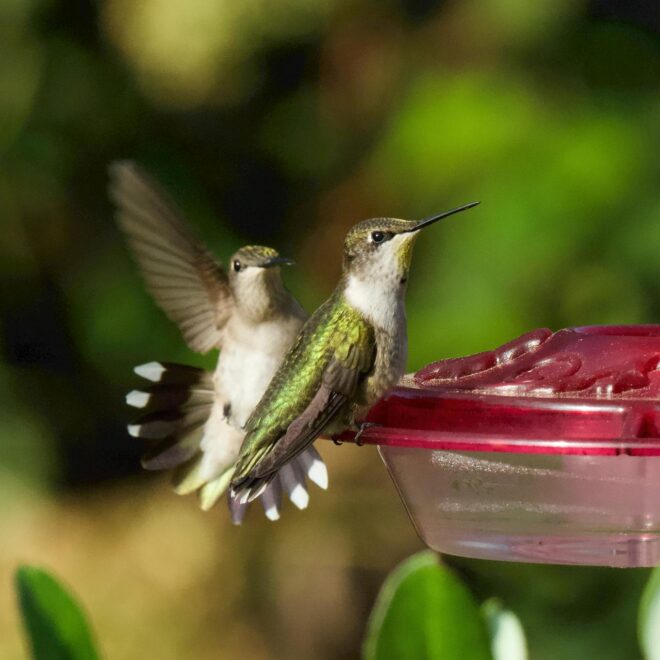
Hummingbird feeders often have bright red parts to catch attention. Birds see red as a signal for food. The nectar is simple sugar water, which many birds enjoy. It provides quick energy. The small feeding ports suit hummingbirds but other birds can sip too.
Some feeders have perches, making it easier for bigger birds. Bees and ants sometimes visit, attracted by the sweet nectar. The design can influence which birds come. A feeder without perches favors hummingbirds, while one with perches invites others.
Placement And Visibility Factors
Where you place a feeder affects which birds visit. Feeders near trees or shrubs attract more birds. Birds feel safer near cover and can hide from predators. Placing feeders in open spaces may scare away larger birds.
Height matters too. Feeders set about 4 to 6 feet high are easy for many birds to reach. Visibility from windows or patios can let you watch birds closely. Bright sunlight makes nectar shine, drawing more attention.

Credit: www.birdsandblooms.com
Unexpected Feathered Guests
Hummingbird feeders attract more than just hummingbirds. Many unexpected visitors come to sip the sweet nectar. These guests add life and color to your garden. Some are feathered, while others flutter or crawl. Understanding these visitors helps you appreciate your outdoor space more.
Butterflies And Insects
Butterflies often visit hummingbird feeders. They are drawn to the bright colors and sugary nectar. Their delicate wings add beauty to the scene. Bees and other insects also come for a quick drink. They play a role in pollination and garden health. Though small, their presence is important for nature.
Other Bird Species
Various bird species try hummingbird feeders too. Orioles are common visitors, enjoying the sweet nectar. Some finches and sparrows may also take a taste. Even woodpeckers have been spotted sharing the feeder. These birds add variety and excitement to your backyard. Watching them can be a joyful experience.
Common Birds Visiting Feeders
Hummingbird feeders attract more than just hummingbirds. Many other birds find these feeders inviting. They come for the sweet nectar or the insects drawn to it. Observing the visitors can surprise you. Different species visit for different reasons.
Orioles And Their Nectar Preference
Orioles love nectar feeders designed for hummingbirds. Their long, pointed bills make sipping nectar easy. They prefer orange or red feeders with larger feeding ports. Orioles often perch openly while feeding. They add bright color and lively activity to any feeder station.
Warblers And Small Songbirds
Warblers and small songbirds visit feeders for insects near nectar. They do not drink nectar often but enjoy the bugs it attracts. These birds are quick and dart around feeder areas. They add a flash of color and energy to your garden. Warblers often stay close to shrubs or trees near feeders.
Sparrows And Finches
Sparrows and finches usually prefer seed feeders but sometimes visit hummingbird feeders. They may taste the nectar or look for small insects. These birds are ground feeders but also perch on feeder hooks. Their presence increases the variety of birds at your feeder. They enjoy sunny spots near feeders for quick meals.
Credit: www.birdwatchingdaily.com
Behavioral Reasons For Visiting
Birds other than hummingbirds sometimes visit hummingbird feeders. Understanding their behavior helps explain why they do this. These visits often relate to the birds’ need for food and their natural curiosity about new things in their environment.
Seeking Alternative Food Sources
Some birds visit hummingbird feeders to find extra food. During times when natural nectar is scarce, feeders provide a reliable source. Birds like orioles and woodpeckers often take advantage of this easy meal. It helps them save energy that would be spent searching for food elsewhere. This behavior supports their survival, especially in harsh weather or dry seasons.
Curiosity And Exploration
Birds are naturally curious animals. New objects in their territory attract their attention. Hummingbird feeders stand out because of their bright colors and sweet smell. Birds may approach simply to explore and understand this unfamiliar item. This exploration can lead to occasional sipping from the feeder. It is a way for them to test if the feeder offers any benefit.
Impact On Hummingbirds
Hummingbird feeders attract more than just hummingbirds. Other birds often visit these feeders. This can affect the hummingbirds in different ways. Understanding the impact helps keep hummingbirds safe and happy.
Competition At Feeders
Other birds like bees, ants, and larger birds compete for nectar. This competition can make it harder for hummingbirds to eat. Larger birds may scare hummingbirds away. This causes stress and reduces feeding time for hummingbirds.
Hummingbirds are small and fast, but they may avoid feeders crowded by bigger birds. This can lead to less energy for hummingbirds. They need energy for flying and staying warm. Crowded feeders can disrupt their daily routine.
Potential Benefits And Risks
Other birds visiting feeders can signal a healthy garden. More birds might mean more insects, which hummingbirds eat. A diverse bird presence can balance the ecosystem around feeders.
Risks include disease spread from crowded feeders. Shared feeders increase illness chances. Dirty feeders can harm hummingbirds and other birds. Clean feeders reduce risks and keep hummingbirds safe.
Careful feeder placement and cleaning help minimize risks. Using feeders designed for hummingbirds can limit access to larger birds. This supports hummingbirds’ feeding without too much competition.

Credit: www.reddit.com
Tips For Sharing Feeders
As bird enthusiasts, we love to see a variety of birds visiting our gardens. While hummingbird feeders are designed specifically for these tiny creatures, other birds might also find them attractive. How can you ensure that your feeder is welcoming to all without compromising the hummingbirds’ needs? Here are some practical tips for sharing feeders among different bird species.
Feeder Design Adjustments
Consider the design of your feeder. Opt for feeders that have perches, as this can encourage other birds to visit. Hummingbirds hover, but many other birds prefer to perch while feeding.
Adjust the size of the feeding ports. Larger ports can allow birds with bigger beaks to access the nectar. This can invite species like orioles, which often share similar feeding habits with hummingbirds.
Place feeders at varied heights and locations. By positioning some feeders higher and others lower, you can accommodate the diverse feeding preferences of different birds. This way, you create a multi-level buffet that caters to various species.
Feeding Strategies For Multiple Species
Offer a variety of food sources. While nectar is a favorite for hummingbirds, consider placing seed feeders nearby. This invites seed-eating birds while keeping the nectar feeders available for those who prefer it.
Maintain multiple feeders. By setting up several feeders, you reduce competition and stress among birds. This also allows you to observe a wider range of species simultaneously, enhancing your birdwatching experience.
Clean and refill feeders regularly. Clean feeders attract more birds and prevent the spread of disease. Fresh nectar or seeds are also more appealing, ensuring your garden remains a hotspot for avian visitors.
Are there particular birds you’ve noticed sharing your hummingbird feeders? Adapting your setup could welcome even more delightful guests!
Frequently Asked Questions
Do Other Birds Visit Hummingbird Feeders?
Yes, many birds like orioles, woodpeckers, and finches often visit hummingbird feeders. They are attracted to the sugary nectar. This can sometimes lead to competition or feeder guarding by hummingbirds.
Can Hummingbird Feeders Attract Unwanted Birds?
Yes, hummingbird feeders can attract bees, ants, and larger birds. These visitors may deter hummingbirds or consume nectar quickly. Proper feeder placement and maintenance help minimize unwanted guests.
What Birds Besides Hummingbirds Drink Nectar?
Orioles, woodpeckers, and some warblers also drink nectar. These birds enjoy the sweet liquid, especially when flowers are scarce. Feeders provide an easy nectar source during migration and breeding seasons.
How To Keep Other Birds From Hummingbird Feeders?
To reduce visits from other birds, use feeders with small feeding ports. Place feeders away from feeders used by larger birds. Regular cleaning and nectar replacement also discourage unwanted visitors.
Conclusion
Many birds enjoy hummingbird feeders, not just hummingbirds. Different species find the sweet nectar appealing. This means feeders can attract a variety of birds to your yard. It offers a chance to watch more birds up close. Keep feeders clean and filled to help all visitors stay healthy.
Feeding birds supports local wildlife, especially during tough seasons. So, hummingbird feeders serve more than one type of bird. They bring nature closer to your home in a simple way.




