
Are you curious about which birds might visit your hummingbird feeder besides hummingbirds? You might be surprised to find that a variety of colorful and interesting birds are drawn to these feeders.
Knowing what birds are attracted to your feeder can make your backyard even more lively and enjoyable. You’ll discover the different feathered friends that love hummingbird feeders and learn simple tips to attract them all. Keep reading to turn your outdoor space into a buzzing haven for birds you never expected!
Hummingbird Feeder Basics
Hummingbird feeders bring these tiny birds close to your garden. Understanding the basics helps attract them successfully. Proper feeders and nectar make a big difference. This section covers the types of feeders and how to choose the right nectar.
Types Of Feeders
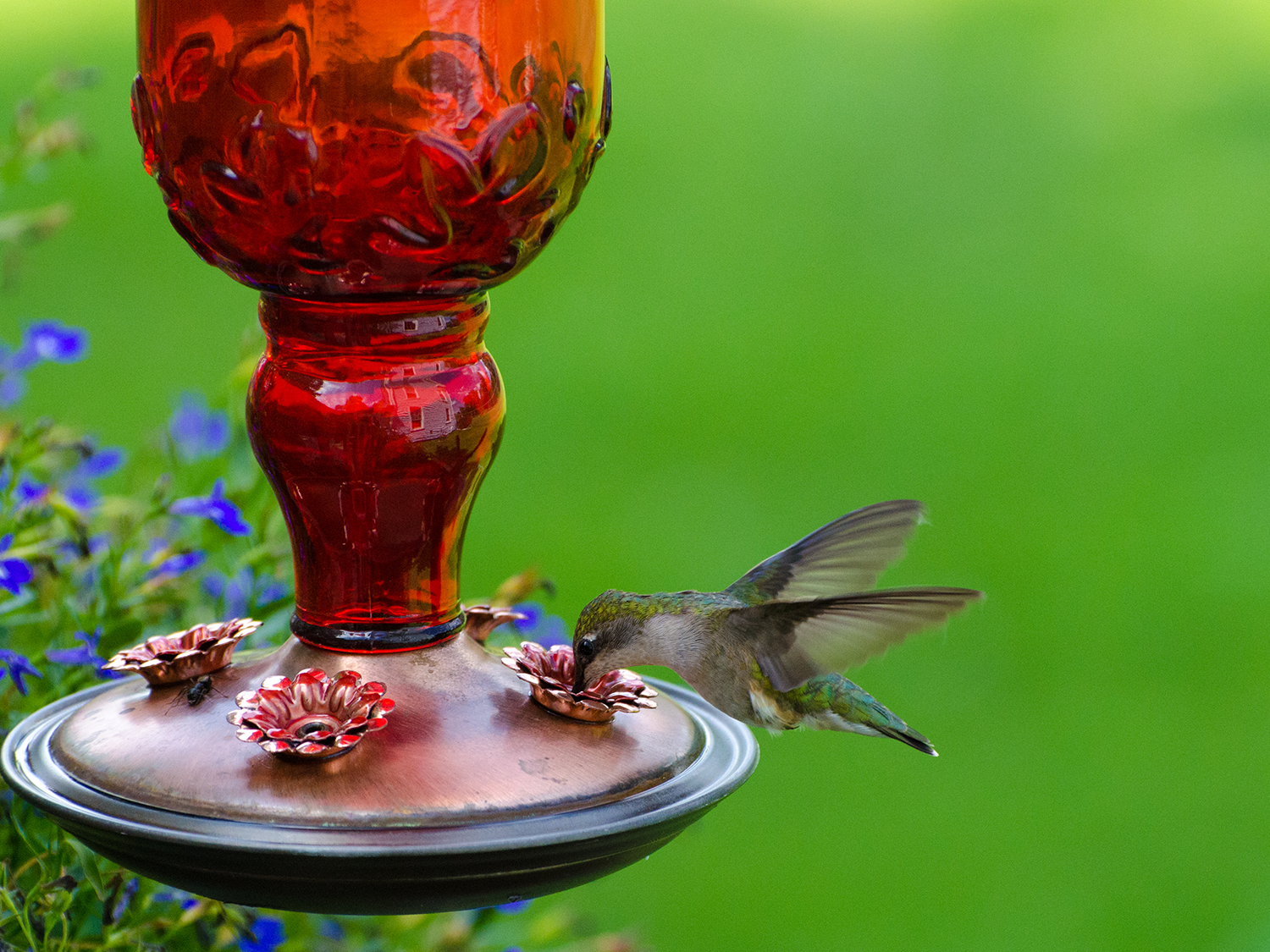
Hummingbird feeders come in many shapes and sizes. Some have multiple feeding ports. Others include built-in perches for resting.
- Plastic bottle feeders:Lightweight and easy to clean.
- Glass feeders:Durable and often more decorative.
- Top-fill feeders:Convenient for quick refilling.
- Ant-proof feeders:Designed to keep ants away.
Choose a feeder that fits your space and is easy to maintain. Bright red parts attract hummingbirds effectively.
Choosing The Right Nectar
Hummingbirds prefer a simple nectar formula. Too much sugar or additives can harm them. Use plain white granulated sugar dissolved in water.
| Ingredient | Amount |
|---|---|
| White granulated sugar | 1 part |
| Water | 4 parts |
Boil water first, then stir in sugar until it dissolves. Let it cool before filling the feeder. Avoid honey, artificial sweeteners, or red dye. Change nectar every 3-5 days to prevent mold and bacteria.
Credit: www.tomsguide.com
Common Hummingbird Visitors
Hummingbird feeders attract several common species. These tiny birds bring color and life to gardens. Each species has unique traits and habits. Knowing the common visitors helps in setting up feeders effectively. It also makes the watching experience more enjoyable.
Ruby-throated Hummingbirds
Ruby-throated hummingbirds are the most common feeder visitors in eastern North America. They have bright red throats and emerald green backs. These birds are small and fast, often seen darting near flowers and feeders. They prefer feeders with red or orange colors. Their quick movements make them exciting to watch.
Anna’s Hummingbirds
Anna’s hummingbirds are common on the west coast. Males have shiny pink-red throats and heads. They stay in the same area year-round, unlike many hummingbirds. Anna’s hummingbirds enjoy feeders with plenty of nectar. They are bold and often come close to people. These birds can be quite noisy and active around feeders.
Rufous Hummingbirds
Rufous hummingbirds are known for their fiery orange color. They migrate long distances across western North America. Males have bright orange backs and throats. These hummingbirds are territorial and may defend feeders aggressively. They prefer feeders placed in sunny spots. Their vibrant color and bold nature make them easy to spot.
Unexpected Bird Visitors
Hummingbird feeders often attract more than just hummingbirds. You might be surprised by the variety of birds that find these feeders irresistible. These unexpected visitors bring extra excitement to your backyard birdwatching experience.
Orioles And Their Attraction
Orioles are drawn to hummingbird feeders because of the sweet nectar. They especially like feeders designed with orange or red accents, which mimic the colors of their favorite flowers.
If you add some orange slices nearby, orioles are even more likely to stop by. Watching their vibrant colors up close can be a real treat.
Warblers At Feeders
Warblers usually eat insects, but some species enjoy sipping nectar from feeders. They’re curious and often visit hummingbird feeders during migration seasons.
To attract warblers, keep feeders clean and place them near shrubs where these birds feel safe. Have you noticed warblers darting around your garden? A feeder might be the reason.
Woodpeckers And Their Visits
Woodpeckers may surprise you by visiting hummingbird feeders, especially when other food sources are scarce. They enjoy the sugary nectar but also look for insects attracted to the feeder.
Using feeders with sturdy perches can accommodate woodpeckers’ weight. Their visits add an unexpected layer of activity to your feeder station.

Credit: www.countryliving.com
Factors Influencing Bird Attraction
Attracting the right birds to your hummingbird feeder depends on several key factors. Understanding these can help you create a welcoming spot that encourages visits from a variety of feathered friends. Let’s look closely at what influences bird attraction and how you can use this knowledge to enhance your bird-watching experience.
Feeder Placement And Environment
Where you place your feeder matters a lot. Birds prefer feeders that feel safe and are close to natural cover like shrubs or trees. This gives them a quick escape route if predators appear.
Try putting your feeder near a window where you can watch easily, but not so close that birds feel threatened by inside activity. Also, avoid placing feeders in direct sunlight all day—birds can overheat, and nectar can spoil faster.
Have you noticed how some feeders attract more birds when surrounded by native plants? Those plants provide extra food and shelter, making your feeder a natural hotspot.
Seasonal Changes
Bird preferences shift with the seasons. In spring and summer, hummingbirds are most active, drawn to feeders with fresh nectar. During migration periods, you might see different species stopping by for a quick energy boost.
In cooler months, fewer hummingbirds visit, but other nectar feeders might attract orioles or woodpeckers. Adjusting your feeding routine to these seasonal patterns can keep your feeder busy year-round.
Think about when you usually see birds around your feeder. Could changing your nectar or feeder style seasonally improve your chances of visits?
Nectar Composition Effects
The mix inside your feeder plays a huge role in attraction. Most hummingbirds prefer a simple sugar-water solution, typically one part sugar to four parts water. Avoid using honey, artificial sweeteners, or red dye—they can harm birds or deter them.
Adding a little variation, like a pinch of salt or a splash of fruit juice, sometimes attracts different species. However, keep changes minimal and observe how birds react.
Have you experimented with nectar recipes? Watching which blends bring in the most visitors can help you tailor your feeder to local birds’ tastes.
Tips To Welcome Diverse Birds
Welcoming a variety of birds to your hummingbird feeder brings more color and life to your garden. Small changes can invite different species beyond just hummingbirds. These tips help create a bird-friendly environment that attracts a diverse group.
Feeder Design Adjustments
Choose feeders with multiple feeding ports to allow several birds at once. Use bright colors like red to catch the attention of hummingbirds. Add perches near the feeding spots for other small birds to rest. Avoid feeders with bee guards that block larger birds from feeding.
Supplementary Food Sources
Place a shallow birdbath nearby to provide fresh water for drinking and bathing. Plant native flowers that produce nectar and seeds to attract more bird types. Set out fruit slices, like oranges or berries, to draw fruit-eating birds. Offer suet or seed cakes for insect-eating and seed-loving birds.
Maintaining Clean Feeders
Clean feeders every few days to prevent mold and bacteria growth. Use hot water and mild soap, then rinse well to keep feeders safe. Replace nectar regularly, especially in warm weather, to avoid fermentation. Cleanliness helps keep birds healthy and encourages return visits.

Credit: www.hummingbirdsociety.org
Frequently Asked Questions
What Birds Besides Hummingbirds Visit Feeders?
Besides hummingbirds, orioles, woodpeckers, and warblers may visit feeders. These birds are attracted to nectar or fruit offered. Feeders with bright colors and sweet liquids often attract multiple species.
How Do Hummingbird Feeders Attract Other Birds?
Hummingbird feeders attract other birds through nectar and bright colors. The sweet nectar mimics natural flower nectar, appealing to nectar-feeders. Vibrant red and orange hues catch the attention of various bird species.
Can Orioles Drink From Hummingbird Feeders?
Yes, orioles can drink from hummingbird feeders if designed for them. Orioles prefer larger feeder ports and deeper dishes. Using oriole-specific feeders with nectar can attract these colorful birds effectively.
Why Do Woodpeckers Visit Hummingbird Feeders?
Woodpeckers visit hummingbird feeders for sugary nectar and insects. They are attracted to the sweet liquid and may search feeders for insects. Providing fresh nectar and cleaning feeders regularly helps maintain their appeal.
Conclusion
Hummingbird feeders attract many small birds besides hummingbirds. Orioles, finches, and even some warblers enjoy the sweet nectar. Keep feeders clean and fresh to invite more visitors. Different bird types bring life and color to your yard. Watching these birds can bring joy and calm.
Try placing feeders in quiet spots for best results. You will see more birds over time with patience. Birdwatching becomes fun when many species appear together. Enjoy the simple pleasure of nature at your window.




