
Have you ever wondered if other birds besides hummingbirds visit your feeder? You might be surprised to learn that your hummingbird feeder attracts more than just those tiny, colorful birds.
Knowing which birds drink from your feeder can change how you care for your backyard visitors and help you create a more inviting space for all kinds of feathered friends. Keep reading to discover the unexpected guests sipping from your hummingbird feeder and how you can welcome them while keeping your garden buzzing with life.
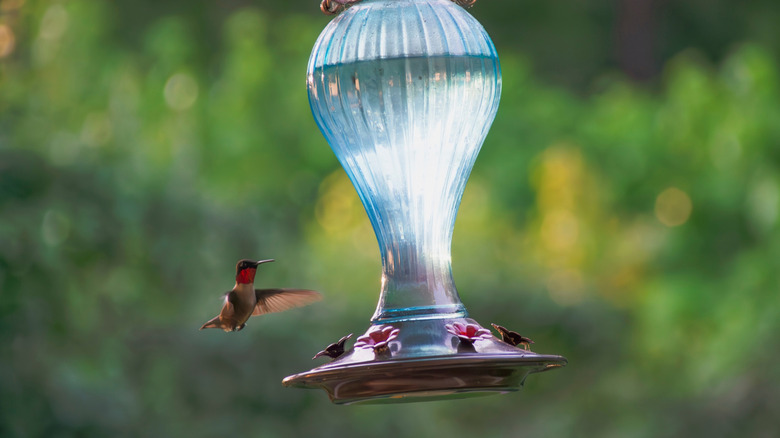
Credit: www.outdoorguide.com
Hummingbird Feeders As Unexpected Attractions
Hummingbird feeders often surprise bird watchers. Though made for tiny hummingbirds, they attract many other species. These feeders become unexpected spots for various birds to sip and explore. Watching different birds gather adds fun and variety to your garden.
Why Feeders Draw More Than Hummingbirds
Bright colors and sweet nectar attract many birds, not just hummingbirds. Some birds like orioles, woodpeckers, and even warblers enjoy the sugary drink. Feeders offer a quick energy source, especially during hot or cold weather.
Birds also visit feeders for water or to rest. The feeder’s location can encourage other wildlife to stop by. This creates a lively scene with many bird species in one place.
Types Of Feeders That Attract Various Birds
Different feeder styles bring different birds. Here are common types and their visitors:
- Tube feeders:Small songbirds like finches and chickadees.
- Saucer feeders:Attract orioles and tanagers with nectar or fruit.
- Platform feeders:Invite larger birds such as jays and cardinals.
- Hummingbird feeders:Draw hummingbirds and sometimes orioles or woodpeckers.
Using varied feeders creates a diverse birdwatching experience. It supports many bird species with different feeding habits and preferences.
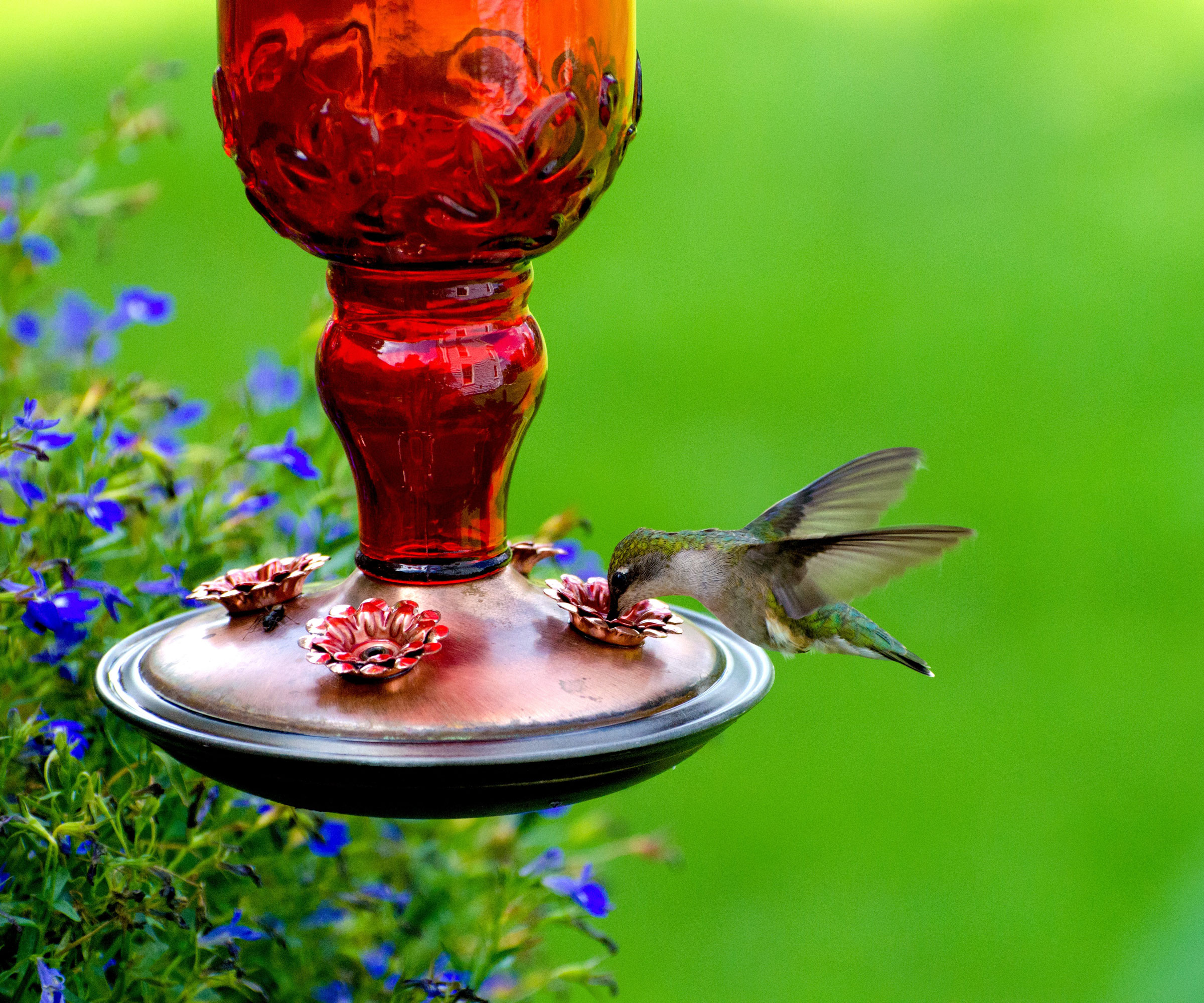
Credit: www.gardeningknowhow.com
Common Visitors Beyond Hummingbirds
Hummingbird feeders attract more than just hummingbirds. Various bird species find these feeders a valuable food source. Their curiosity and tastes lead them to sip nectar and explore the feeder. Observing these visitors adds excitement to backyard birdwatching.
Orioles And Their Sweet Tooth
Orioles love sweet nectar, much like hummingbirds. They visit feeders regularly, especially in spring and summer. Their bright orange color makes them easy to spot. Orioles prefer feeders with orange accents or fruit slices nearby. They drink nectar but also enjoy jelly and fruit. Feeding orioles can bring vibrant life to your garden.
Warblers And Their Feeding Habits
Warblers mostly eat insects but sometimes try nectar. These small, active birds visit feeders during migration. Nectar provides a quick energy boost for their long flights. Warblers may sip from hummingbird feeders quietly. They often perch nearby to rest and watch. Watching warblers at feeders offers a glimpse of nature’s travelers.
Woodpeckers Exploring The Nectar
Woodpeckers usually peck trees for insects. Nectar feeders catch their attention too. They use their strong beaks to access the sweet liquid. Woodpeckers may also eat insects attracted to the feeder. These birds bring a lively, noisy presence to the feeder. Their visits add variety and fun to feeding time.
Surprising Guests At Feeders
Hummingbird feeders often attract more than just hummingbirds. If you watch closely, you’ll notice a variety of unexpected visitors stopping by for a sip. These surprising guests can change the dynamics at your feeder, sometimes causing frustration but also offering a unique chance to observe nature up close.
Ants And Insects Invited To The Feast
Ants are frequent uninvited guests at hummingbird feeders. They’re drawn to the sweet nectar and can quickly overrun a feeder if not managed. You might notice tiny trails of ants climbing up the feeder pole or nestling inside the feeding ports.
Besides ants, other insects like bees and wasps are also attracted to the sugary liquid. While they might seem bothersome, these insects are part of the local ecosystem and their presence can signal a healthy garden. To keep ants out, consider using ant moats or sticky barriers on the feeder pole.
Sparrows Taking Advantage
Sparrows are surprisingly bold when it comes to feeding at hummingbird stations. They often perch nearby, waiting for their turn or even dipping their beaks directly into the nectar. Their larger size means they can dominate the feeder, making it harder for hummingbirds to access the food.
If sparrows start frequenting your feeder, try placing it in a more secluded spot or use feeders designed to exclude larger birds. Watching sparrows interact with the feeder can reveal interesting bird behaviors you might not expect.
Finches And Their Nectar Preference
Finches, especially species like the House Finch, sometimes visit hummingbird feeders. While their main diet consists of seeds, they occasionally sip nectar, particularly when natural flower sources are scarce. This behavior shows their adaptability and willingness to explore new food options.
Finches often prefer feeders with larger ports or platform designs. If you want to attract finches alongside hummingbirds, consider offering a variety of feeders and food types. Have you noticed any finches at your feeder trying to enjoy the nectar? Their visits might surprise you and add more birdwatching enjoyment.
Effects On Bird Behavior And Feeding Patterns
Hummingbird feeders attract more than just hummingbirds. Other birds visit these feeders for the sweet nectar. This affects how birds behave and feed around these spots. Watching these changes helps us understand local bird life better.
Competition Among Species
Different bird species compete for nectar at hummingbird feeders. Larger birds often chase smaller ones away. This competition can cause tension and aggressive behavior. Some birds may wait nearby, hoping for a chance to feed. This rivalry changes how birds share food resources.
Changes In Feeding Times
Birds may adjust their feeding times due to competition. Some visit feeders early in the morning. Others come later, avoiding busy periods. These shifts help birds avoid conflicts. Feeding patterns become less predictable around feeders.
Impact On Local Ecosystem
Feeding at hummingbird feeders affects the local ecosystem. Birds that usually eat insects may rely more on sugar water. This shift can reduce natural pest control. Other animals may also be drawn to feeders, changing local wildlife balance. Feeders can influence which species thrive in an area.
Tips To Manage And Share Feeders
Sharing hummingbird feeders with other birds can be a rewarding experience. It brings more wildlife to your garden and creates a lively atmosphere. Managing feeders properly helps keep all visitors healthy and happy. Here are some tips to manage and share feeders effectively.
Keeping Feeders Clean For All Visitors
Clean feeders prevent diseases that spread among birds. Wash feeders at least once a week with hot, soapy water. Rinse thoroughly to remove all soap. Avoid using harsh chemicals that can harm birds. Change the nectar regularly, especially in warm weather. Clean feeders attract more birds and keep them safe.
Designing Feeders To Attract Specific Birds
Different birds prefer different feeder styles. Use small, tube-shaped feeders to attract hummingbirds. Place platform feeders nearby for larger birds like orioles or finches. Bright red colors draw hummingbirds but do not attract all birds. Adding perches can help other birds feed comfortably. Design feeders to suit the visitors you want to welcome.
Balancing Nectar Supply And Bird Diversity
Provide enough nectar for all birds without waste. Fill feeders with fresh nectar daily in hot weather. Offer multiple feeders to reduce crowding and competition. Use a simple nectar recipe: four parts water to one part sugar. Avoid honey or artificial sweeteners that harm birds. Balancing nectar supply supports a variety of bird species in your yard.
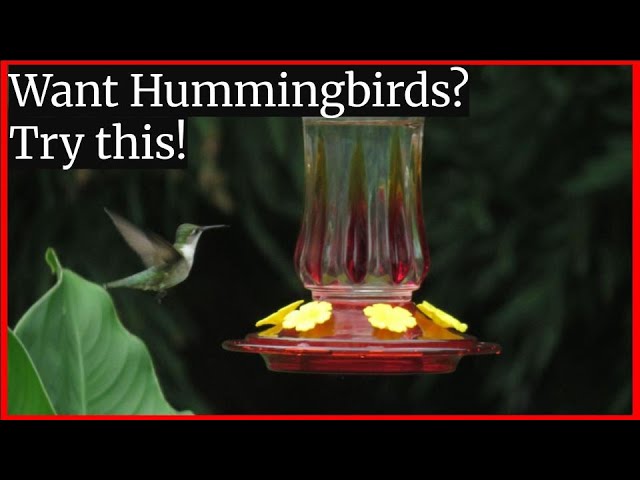
Credit: www.youtube.com
Frequently Asked Questions
What Birds Besides Hummingbirds Use Feeders?
Sparrows, orioles, and woodpeckers often visit hummingbird feeders. They enjoy the sweet nectar, especially in early spring and late summer.
Can Other Birds Drink Hummingbird Nectar Safely?
Yes, most birds can safely consume hummingbird nectar. It is sugar water, which provides a quick energy source without harm.
Why Do Orioles Prefer Hummingbird Feeders?
Orioles are attracted to the bright colors and sweet nectar. Feeders with orange accents are particularly effective for orioles.
How To Prevent Unwanted Birds At Hummingbird Feeders?
Use feeders with smaller feeding ports to deter larger birds. Placing feeders in open areas also discourages perching by unwanted species.
Conclusion
Hummingbird feeders attract more than just hummingbirds. Many small birds enjoy the sweet nectar too. Orioles, warblers, and even some finches often visit these feeders. Watching different birds share the same food is fascinating. It shows how nature finds ways to share resources.
Feeding birds can bring joy and learning to your yard. Keep feeders clean and fresh to help all visitors stay healthy. Try adding feeders and see which birds come to drink. Nature’s surprises await right outside your window.




