
Have you ever wondered if hummingbird feeders attract more than just hummingbirds? If you’ve set up one of these feeders in your yard, you might be surprised to find other feathered visitors stopping by.
Knowing which birds use hummingbird feeders can add a whole new level of enjoyment to your backyard birdwatching. You’ll discover the unexpected guests that come to sip from your feeder and learn how to attract even more beautiful birds to your outdoor space.
Keep reading to find out who’s really sharing that sweet nectar with your hummingbirds!
Common Hummingbird Feeder Visitors
Hummingbird feeders attract more than just hummingbirds. Many other creatures visit these feeders for a quick meal or a sip of nectar. Watching these visitors adds extra joy to your garden. It also shows the diversity of wildlife around your home.
Understanding common visitors helps you keep the feeder clean and safe. Some guests can be friendly, while others might need some control. Let’s explore some common visitors to hummingbird feeders.
Orioles At The Feeder
Orioles enjoy the sweet nectar in hummingbird feeders. They have long beaks, perfect for reaching the liquid inside. Orioles often visit feeders early in the morning or late afternoon. Their bright orange feathers make them easy to spot. Orioles prefer feeders with larger feeding ports. These birds also eat fruit and insects, so they add life to your garden.
Butterflies And Moths
Butterflies and moths are drawn to hummingbird feeders by the bright colors and nectar. They use their long proboscis to sip nectar gently. These insects help pollinate flowers while feeding. Butterflies often visit during the day, while moths come out at dusk. They add beautiful movement and color to your outdoor space. Planting flowers near feeders can attract even more butterflies.
Ants And Other Insects
Ants are common visitors to hummingbird feeders. They search for sugary nectar and can become pests. Ants often crawl on feeder parts and may disturb hummingbirds. Other insects like bees and wasps may also visit the feeders. Keeping feeders clean and using ant guards can help reduce insect problems. Watch for insects to maintain a healthy feeding area for all visitors.

Credit: www.birdcollective.com
Unusual Bird Visitors
Hummingbird feeders don’t just attract hummingbirds. You might be surprised by the variety of other birds that come to check out the nectar. These unusual visitors can add a whole new layer of excitement to your backyard birdwatching.
Woodpeckers Sampling Nectar
Woodpeckers are known for pecking at trees, but they also enjoy sipping nectar from feeders. Their strong beaks allow them to easily access the sweet liquid. If you notice a larger bird at your feeder, it might be a woodpecker testing the nectar.
To attract woodpeckers, choose feeders with larger ports or ones designed for multiple bird types. Watch closely—you might catch a woodpecker tapping the feeder before taking a sip. Have you ever spotted one at your feeder?
House Finches And Their Sweet Tooth
House finches are frequent visitors to hummingbird feeders. They love the sugary nectar almost as much as hummingbirds do. These small birds are easy to spot with their bright red coloring, especially the males.
If you want to encourage house finches, place feeders in open areas where they feel safe. Keep in mind, they might dominate the feeder, so consider adding separate finch feeders to balance the crowd. How do you manage sharing your feeders?
Warblers And Flycatchers
Warblers and flycatchers usually eat insects, but they sometimes visit nectar feeders too. During migration, these birds seek quick energy sources, and nectar fits the bill. Spotting these less common visitors can be a real treat.
To invite warblers and flycatchers, plant native flowers nearby that attract insects and provide natural feeding spots. This creates a welcoming environment that complements your feeders. Have you noticed any unexpected birds at your hummingbird feeder?
Why Non-hummingbirds Visit
Hummingbird feeders often attract more than just hummingbirds. You might notice other bird species showing up, and understanding why they visit can help you manage your feeder better. These unexpected guests reveal interesting behaviors related to food and territory.
Attraction To Sugar Water
Many birds are drawn to the sweet taste of sugar water. While hummingbirds need nectar for energy, other birds like orioles, woodpeckers, and even some finches find the sugary liquid appealing too.
I’ve seen orioles eagerly sipping from feeders meant for hummingbirds. This shows how sugar water can be a tempting treat beyond just one species. If you want to attract a wider variety of birds, adding a little fruit or jelly nearby might encourage these visitors.
Seeking Easy Food Sources
Feeders offer a reliable and easy food source compared to natural foraging. Birds such as house sparrows and starlings often take advantage of feeders because food is readily available without much effort.
During winter, I’ve noticed these birds frequenting feeders more often, probably because natural insects and nectar are scarce. You might want to check your feeder regularly to keep it clean and stocked, especially if you notice non-hummingbirds visiting frequently.
Territorial Behavior Around Feeders
Some birds are territorial and may visit feeders to defend their space. Hummingbirds themselves can be aggressive, but other birds like chickadees and nuthatches also show this behavior.
I’ve watched a male hummingbird chase away a curious finch. This territorial nature can affect which birds you see at your feeder and how often. Consider placing multiple feeders or spacing them apart to reduce conflicts and give all your feathered visitors a chance to feed peacefully.

Credit: www.natureswaybirds.com
Tips To Manage Feeder Visitors
Managing the variety of birds that visit your hummingbird feeders can be both exciting and challenging. Some birds, like bees, ants, and even larger birds, may compete for the nectar, making it hard for hummingbirds to feed peacefully. Knowing how to handle these visitors helps you create a better feeding environment that keeps hummingbirds coming back.
Feeder Placement Strategies
Where you place your feeder can make a big difference in who shows up. Position your feeder in a shady spot to keep nectar fresh longer and to attract hummingbirds that prefer cooler areas.
Try hanging feeders away from open spaces where larger birds feel comfortable perching. Placing feeders near flowers or shrubs can encourage hummingbirds while discouraging bigger birds that prefer open visibility.
Have you noticed that some birds visit only when feeders are close to windows? You might want to experiment with locations to find the sweet spot that favors hummingbirds over others.
Adjusting Nectar Recipes
Simple nectar recipes can influence which birds come to your feeder. Hummingbirds love a mix of four parts water to one part sugar, but other birds might prefer stronger or more diluted nectar.
Adding a bit less sugar or skipping red dye can reduce visits from bees and ants, which are attracted to overly sweet or artificially colored liquids. Keep your recipe simple and natural to favor hummingbirds.
Have you tried adjusting your nectar to see if it changes your feeder’s visitors? Small tweaks can make a surprising difference.
Cleaning And Maintenance
Keeping your feeder clean is essential for healthy birds and to control unwanted visitors. Dirty feeders attract mold, bacteria, and insects that can drive hummingbirds away.
Wash your feeder thoroughly every few days with hot water and a mild soap, avoiding harsh chemicals. Rinse well to remove any soap residue that could harm birds.
Regular cleaning also helps you spot damage or leaks that could invite ants or bees. How often do you clean your feeder? Maintaining a strict schedule can improve your feeder’s success dramatically.
Benefits Of Diverse Feeder Visitors
Welcoming a variety of birds to your hummingbird feeder can transform your garden into a lively habitat full of diverse visitors. This diversity offers several benefits beyond simply feeding hummingbirds. It creates a richer, more vibrant environment that supports wildlife, enhances your birdwatching experience, and even improves the health of your garden.
Supporting Local Wildlife
Different bird species rely on feeders for essential nutrients, especially during harsh weather or migration. When you provide food that attracts a range of birds, you help sustain local populations. This support can be crucial during times when natural food sources are scarce.
You might notice smaller birds like chickadees or warblers sharing the feeder with hummingbirds. Even squirrels and butterflies can benefit. By offering a variety of food options, you create a mini ecosystem that nurtures multiple creatures.
Encouraging Birdwatching Variety
Having multiple bird species at your feeder makes birdwatching much more exciting. Each bird has unique behaviors and colors that can keep your attention for hours. Imagine spotting a curious finch alongside a fast-moving hummingbird—this mix adds layers of interest.
Try keeping a journal of the different visitors you see. This simple activity can boost your observation skills and deepen your connection with nature. It also gives you a chance to learn about birds you might not have known before.
Promoting Garden Health
Did you know that diverse bird visitors can help control pests naturally? Many birds eat insects that harm your plants, reducing the need for chemical pesticides. This means your garden stays healthier and more vibrant.
Additionally, birds contribute to pollination and seed dispersal. The presence of varied species can lead to better flowering and fruiting in your garden. Have you considered how your feeder might be indirectly supporting your garden’s growth?
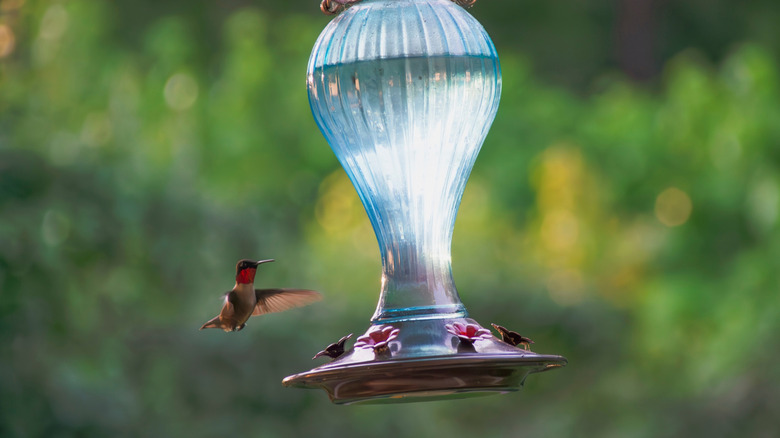
Credit: www.outdoorguide.com
Frequently Asked Questions
What Birds Besides Hummingbirds Visit Feeders?
Many birds such as orioles, woodpeckers, and finches also visit hummingbird feeders. They are attracted to the sweet nectar inside. These visitors can sometimes outcompete hummingbirds for food. It’s common to see multiple bird species at these feeders.
Can Orioles Use Hummingbird Feeders?
Yes, orioles are attracted to hummingbird feeders, especially those with orange nectar. They prefer feeders with larger feeding ports. Orioles enjoy the sweet nectar and often visit feeders during migration seasons. Using feeders designed for orioles can reduce competition with hummingbirds.
Do Woodpeckers Drink From Hummingbird Feeders?
Woodpeckers sometimes visit hummingbird feeders to sip nectar. They are attracted to the sugary liquid but may also peck at the feeder. Providing separate suet feeders can help reduce damage to hummingbird feeders caused by woodpeckers. Monitor feeders to protect both birds.
Are Finches Common At Hummingbird Feeders?
Finches occasionally visit hummingbird feeders, especially if nectar is accessible. They usually prefer seed feeders but may try nectar in lean times. To keep finches healthy, provide a mix of seed and nectar feeders. This helps accommodate diverse bird species in your garden.
Conclusion
Many birds enjoy hummingbird feeders, not just hummingbirds. Orioles, finches, and woodpeckers often visit. These birds add life and color to your garden. Watching different birds can bring joy and peace. Keep feeders clean and filled with fresh nectar. This helps all visitors stay healthy and happy.
Your backyard can become a lively bird haven. Enjoy the variety and beauty these birds bring. Simple steps create a welcoming space for many species.




