
Have you ever wondered who visits your hummingbird feeder besides hummingbirds? You might be surprised to learn that a variety of birds are attracted to these sweet spots.
Knowing what birds use hummingbird feeders can help you create a vibrant backyard full of life and color. Keep reading to discover the unexpected visitors you could be welcoming and how to make your feeder a favorite hangout for more than just hummingbirds.
Your garden is about to become even more exciting!
Common Hummingbird Visitors
Hummingbird feeders attract various hummingbird species. These tiny birds add color and life to gardens. Knowing common visitors helps choose the right feeder and location. It also helps understand their feeding habits and preferences.
Ruby-throated Hummingbird
The Ruby-throated Hummingbird is common in eastern North America. It has a bright red throat in males and a green back. This species prefers feeders with a simple design. They visit feeders early in the morning and late afternoon.
Anna’s Hummingbird
Anna’s Hummingbird lives mostly on the west coast. Males have an iridescent emerald green body and rose-pink throat. They are bold and visit feeders often. These hummingbirds feed all year round in mild climates.
Black-chinned Hummingbird
The Black-chinned Hummingbird is found in the southwestern United States. Males have a black throat with a purple base. They like feeders placed in sunny spots. These birds are quick and agile at the feeder.
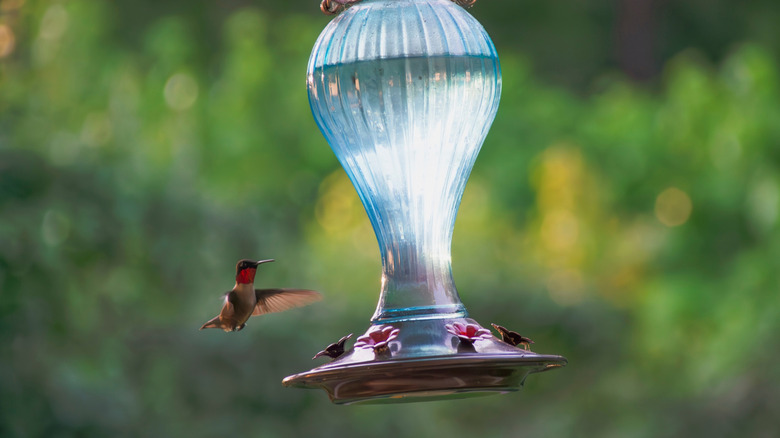
Credit: www.outdoorguide.com
Unexpected Bird Species At Feeders
Hummingbird feeders attract more than just hummingbirds. Many unexpected bird species visit these feeders. They enjoy the sweet nectar just like hummingbirds. Watching these visitors can surprise any bird lover. These birds add variety and excitement to your backyard.
Orioles And Their Sweet Tooth
Orioles are bright and colorful birds. They love sweet nectar too. Orioles often visit hummingbird feeders. They prefer feeders with larger perches. You can attract orioles by adding orange slices nearby. Orioles sip nectar with their long, curved bills. Their visits add vibrant color and lively sounds.
Warblers And Nectar Feeding
Warblers usually eat insects but enjoy nectar sometimes. These small, active birds visit feeders during migration. Warblers sip nectar for quick energy boosts. They often perch briefly before flying on. Offering fresh nectar attracts warblers in spring and fall. Watching warblers at feeders offers a rare, delightful sight.
Tanagers And Hummingbird Feeders
Tanagers are medium-sized, colorful birds. They enjoy fruit and nectar from feeders. Tanagers visit hummingbird feeders for sweet drinks. Their bright plumage contrasts with hummingbirds beautifully. They prefer feeders with wider feeding ports. Tanagers add diversity and charm to your feeding station.
Factors Attracting Non-hummingbirds
Hummingbird feeders don’t only attract hummingbirds. Various other bird species can be drawn to these feeders due to specific factors. Understanding what attracts non-hummingbirds can help you manage your feeder setup better and enjoy a wider variety of visitors.
Nectar Composition
The sugar solution you use can appeal to more than just hummingbirds. Nectar with higher sugar concentrations or added ingredients like fruit juice can attract bees, butterflies, and even some bird species such as orioles and woodpeckers.
If you notice unusual visitors, consider adjusting your nectar recipe. Using plain sugar water (1 part sugar to 4 parts water) tends to limit visitors to hummingbirds, while variations might invite others. Have you ever seen a woodpecker at your feeder? That might be due to the nectar mix you provided.
Feeder Design And Placement
The shape and color of your feeder influence which birds stop by. Feeders with large perches or open feeding ports offer easy access for bigger birds like sparrows and finches. Bright red feeders attract hummingbirds but can also lure orioles and other nectar-loving birds.
Where you place your feeder matters too. Feeders closer to shrubs or trees provide cover for cautious birds like warblers and chickadees. Think about how your feeder’s location might be inviting more visitors than you expect.
Seasonal Influences
Bird behavior changes with the seasons, and so does their attraction to feeders. During migration, many bird species explore new food sources, including hummingbird feeders. You might spot unusual guests stopping by as they pass through your area.
In colder months, nectar feeders can become a vital food source for various birds when flowers are scarce. Have you noticed a shift in visitor types as seasons change? This shift can guide you in adjusting your feeding strategy throughout the year.

Credit: calgaryherald.com
Tips To Manage Diverse Feeder Visitors
Hummingbird feeders attract many types of birds, not just hummingbirds. Managing all visitors helps keep feeders safe and enjoyable. Simple tips can reduce conflicts and keep feeders clean. These steps also ensure hummingbirds get enough nectar without stress.
Feeder Cleaning And Maintenance
Clean feeders every few days to stop mold and bacteria. Use warm water and mild soap for washing. Rinse well to remove soap residue. Regular cleaning prevents sickness in birds. Check feeders for cracks or leaks and fix them fast. Replace old nectar every two to three days to avoid fermentation.
Avoiding Aggressive Bird Behavior
Some birds may chase others from feeders. Limit aggression by placing multiple feeders in different spots. Use feeders with several feeding ports to allow more birds at once. Add perches nearby to give shy birds a resting place. Keep feeders away from dense bushes where aggressive birds hide. Watch for bullying and move feeders if needed.
Choosing The Right Feeder
Select feeders designed for hummingbirds with small feeding ports. Avoid feeders with wide openings that attract larger birds. Clear red feeders work best to attract hummingbirds. Offer feeders with built-in bee guards to stop insects. Pick feeders that are easy to clean and refill. Consider hanging feeders at different heights to spread out visitors.
Benefits Of Hosting Multiple Bird Species
Hosting multiple bird species at your hummingbird feeder brings a range of benefits that go beyond just enjoying their beauty. It creates a dynamic environment where various birds interact, supporting nature and enriching your outdoor experience. Let’s look at how welcoming diverse birds can positively impact your backyard and the world around it.
Supporting Local Ecosystems
Different bird species play unique roles in your local ecosystem. By attracting a variety of birds, you help maintain a natural balance that keeps insect populations in check and supports plant health.
For example, some birds feed on pests that can harm your garden, reducing the need for chemicals. This natural pest control helps your plants thrive and encourages a healthier environment overall. Have you noticed how your garden changes when more birds visit?
Enhancing Backyard Birdwatching
Welcoming multiple species turns your backyard into a lively birdwatching hotspot. You get to observe different behaviors, colors, and sounds that make each visit exciting and educational.
Watching a mix of hummingbirds, orioles, and finches can keep you engaged for hours. It’s like having a front-row seat to nature’s variety show. What new bird species might surprise you next?
Promoting Pollination
Many birds, especially hummingbirds, are essential pollinators. When you attract diverse species, you increase the chances of pollination for the plants in your yard and nearby areas.
This helps flowers bloom and fruits grow, boosting your garden’s productivity. You’re not just feeding birds—you’re supporting the cycle of life. How might your garden flourish with a little extra help from your feathered friends?

Credit: www.hummingbirdsociety.org
Frequently Asked Questions
What Bird Species Commonly Visit Hummingbird Feeders?
Hummingbirds are the primary visitors of hummingbird feeders. Some small birds like orioles and woodpeckers may also visit occasionally. However, feeders are designed mainly for hummingbirds due to their specialized feeding habits.
Can Other Birds Drink From Hummingbird Feeders?
Yes, some small birds like orioles and finches may drink nectar from feeders. But hummingbirds are the main users because they can hover and access the nectar easily.
Do Hummingbird Feeders Attract Any Unwanted Birds?
Occasionally, larger birds like bees or ants may visit feeders. Proper feeder design and maintenance help minimize unwanted visitors and keep the nectar clean for hummingbirds.
How Do Hummingbird Feeders Benefit Local Bird Populations?
Feeders provide a reliable nectar source, especially during migration or scarce flower seasons. They support hummingbird energy needs and help maintain healthy local populations.
Conclusion
Hummingbird feeders attract more than just hummingbirds. Orioles, woodpeckers, and butterflies may visit too. These feeders offer a sweet food source for many. Watching different birds can bring joy and peace. Keep feeders clean and fresh to help birds stay healthy.
Place feeders where you can easily see the visitors. Enjoy the variety of birds that come by. Feeding birds supports local wildlife in your area. A simple feeder can create a lively garden scene. Nature’s little guests will brighten your day often.




