
Are you tired of bears raiding your bird feeder and scaring away your feathered friends? You’re not alone.
Building a bear proof bird feeder pole can protect your bird food and keep those curious bears at bay. Imagine enjoying peaceful birdwatching without the worry of a bear crashing the party. You’ll learn simple, effective steps to create a feeder pole that stands strong against bears.
Ready to keep your backyard birds safe and your feeder full? Let’s get started.

Credit: www.birdsandblooms.com
Choosing Materials
Choosing the right materials is key to building a bear-proof bird feeder pole. The materials must be strong and able to resist damage from bears. They also need to withstand weather conditions over time. Thoughtful selection helps protect your bird feeder and keeps wildlife safe.
Selecting Durable Poles
Use poles made from strong metals like steel or aluminum. These metals resist bending and breaking. Wood is not ideal because bears can chew through it. Choose poles with a smooth surface to prevent bears from climbing easily. Poles should be tall enough to keep feeders away from bear reach.
Bear-resistant Coatings
Apply coatings that make the pole slippery or tough to grip. Some coatings repel claws and reduce climbing ability. Powder coatings or special paint can also protect metal from rust. Avoid coatings that peel or crack quickly. Proper coatings increase the pole’s lifespan and bear resistance.
Mounting Hardware Options
Choose hardware that is strong and hard to remove. Stainless steel bolts and brackets work well. Avoid plastic parts that bears can chew through. Secure the pole deeply into the ground for stability. Use locking nuts or washers to prevent loosening over time.
Designing The Pole
Designing the pole for a bear proof bird feeder is more than just picking any old post. It requires careful thought about height, placement, and features that stop bears from getting to the feeder. The right design keeps your feathered friends safe and your birdseed intact.
Height And Placement
Choose a pole tall enough to keep bears at bay—usually around 8 feet or higher. Bears are great climbers and jumpers, so the feeder must be out of their reach both vertically and horizontally.
Place the pole at least 10 feet away from anything a bear could use as a launching pad, like trees, fences, or roofs. Have you noticed how close a tree branch is to your yard? That could be an easy route for a bear.
Incorporating A Baffle
A baffle is a barrier designed to block bears from climbing up the pole. Use a wide, smooth metal or plastic baffle that extends at least 2 feet in diameter around the pole.
Mount the baffle securely about 4 feet off the ground. This keeps bears from getting a grip below or jumping over it. I once watched a bear defeat a small wooden baffle, but a sturdy metal one stopped it cold.
Preventing Climbing
Make the pole itself difficult to climb by choosing smooth materials like metal or PVC. Avoid wood poles with rough textures or grooves that bears can use to climb.
You can also add a slippery coating or wrap the pole in a smooth plastic sleeve. Think about what you’ve seen bears try—if it looks climbable, they will try it.
Building The Base
Building a strong and secure base is key to making your bear proof bird feeder pole effective. The base must hold up against the weight of the feeder and the force of any curious bears. Without a sturdy foundation, your feeder won’t stand a chance, no matter how clever the design.
Concrete Vs. Ground Anchors
Choosing between concrete and ground anchors depends on your ground type and how permanent you want the pole to be.
- Concreteoffers a solid, immovable base. It’s great for soft soil or areas with heavy wildlife activity. Once set, it won’t shift or tip easily.
- Ground anchorsare easier to install and remove. They work well in hard or rocky soil where digging a hole for concrete is tough. But they might not be as stable under heavy pressure.
I once tried ground anchors in a windy area, and after a few storms, the pole wobbled. Switching to a concrete base solved that problem completely.
Stability Techniques
Ensuring your pole stays upright is about more than just the base material. You need to think about how the pole is attached and supported.
- Use a metal flange to connect the pole to the concrete base securely.
- Insert rebar into the concrete for extra grip.
- Consider a wider base or adding guy wires if your pole is tall or in a windy spot.
Have you tested your setup by pushing or shaking it? A little effort here prevents major frustration later.
Weatherproofing The Base
Protecting the base from weather damage extends the life of your bird feeder pole.
- Apply a waterproof sealant on any exposed concrete to prevent cracking from freeze-thaw cycles.
- Use rust-resistant paint or coatings on metal parts to stop corrosion.
- Check your base regularly for signs of wear and touch up protective coatings as needed.
Ignoring weatherproofing can quickly undo all your hard work. Have you thought about how your base will handle the next rain or snow?
Installing The Baffle
Installing a baffle on your bear proof bird feeder pole is a crucial step to keep unwanted visitors away. The baffle acts as a barrier, preventing bears from climbing up to the feeder. Getting this right means you can enjoy watching birds without constantly worrying about wildlife damage.
Types Of Baffles
There are several baffle styles designed to stop bears, each with its own benefits. The most common are dome-shaped and cylindrical baffles. Dome baffles are easy to install and provide a wide, slippery surface that bears can’t grip. Cylindrical baffles, often made from metal or heavy plastic, create a smooth, round surface that spins or slides, making climbing impossible.
Think about your local environment and what animals you’re trying to deter when choosing a baffle. Some people prefer metal baffles because they’re durable and chew-resistant. Others choose plastic models to avoid rust and for easier handling.
Proper Positioning
Where you place the baffle on the pole makes all the difference. It should be at least 4 to 5 feet off the ground, high enough that bears cannot reach over it to grab the feeder. Also, ensure there is no nearby tree, fence, or structure that a bear could use to jump onto the feeder.
Make sure the baffle extends at least 18 inches out from the pole. This extra width blocks bears from getting a good grip. Test the setup yourself before finalizing—if you can reach over or around it, so can a bear.
Maintenance Tips
Keep your baffle in good shape to maintain its effectiveness. Clean it regularly to remove dirt, leaves, and sticky birdseed residue that could give bears a foothold. Inspect for cracks, rust, or damage that might make it easier to climb.
If your baffle is movable, like some cylindrical designs, lubricate any moving parts to keep it spinning smoothly. This small effort can save you from bigger problems later.
Have you ever noticed a baffle that didn’t work? Checking and adjusting your setup often can prevent frustration and protect your bird feeding spot all season long.
Mounting The Feeder
Mounting the feeder properly is key to keeping bears away and ensuring birds have safe access to food. A well-mounted feeder pole can make all the difference between a peaceful birdwatching experience and a frustrating encounter with a curious bear. Let’s dive into how you can secure your feeder and choose the right style and height to outsmart these clever animals.
Securing The Feeder
Start by using a sturdy metal pole instead of wood—bears can easily chew through wood but metal is much tougher. Attach the feeder to the pole with strong brackets or clamps that don’t leave gaps for bears to pry open. Adding a baffle below the feeder creates a slippery barrier that prevents bears from climbing up.
Think about the stability of your setup. Is the pole firmly anchored in the ground? Use concrete or deep ground stakes to stop bears from shaking it loose. You want the feeder to stay put even if a bear tries to push or pull it.
Feeder Styles For Bears
Not all feeders are created equal when dealing with bears. Tube feeders with small perches limit access to birds but can frustrate bears. Platform feeders, while attractive to birds, often invite bears unless paired with a baffle and proper height.
Consider feeders designed specifically for bear resistance. These often have weight-sensitive mechanisms that close feeding ports when a heavy animal, like a bear, lands on them. Have you tried any bear-proof feeders that worked well in your area?
Feeder Height Recommendations
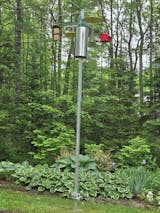
Mount the feeder at least 5 to 6 feet above the ground to keep it out of a bear’s easy reach. Additionally, place it at least 10 feet away from any trees, fences, or structures that bears could use as a launching point. This distance reduces the chance that bears can jump or climb onto the feeder.
Remember, height alone isn’t a guarantee. Combine proper height with a smooth, metal pole and a baffle for the best defense. What challenges have you faced with feeder height in your backyard?
Credit: nature-niche.com
Preventing Bear Access
Building a bear-proof bird feeder pole keeps bears away while letting birds feed safely. Use smooth metal poles and add a baffle to stop bears from climbing up. Secure the feeder high and away from trees to prevent bear access.
Preventing bears from accessing your bird feeder pole requires strategic planning. Bears are clever creatures and can easily turn a serene bird-watching experience into a wildlife spectacle you didn’t sign up for. So, how do you ensure your bird feeder remains a sanctuary for birds and not a buffet for bears?Using Grease Or Repellents
Applying grease to your bird feeder pole can be a surprisingly effective deterrent. Bears find it challenging to grip and climb a slippery surface, turning them away in frustration. You might try using a non-toxic, biodegradable grease to ensure the safety of the environment. Alternatively, you can use bear repellents that are safe for both the wildlife and the surroundings. Sprays with a strong scent, like capsaicin or ammonia, can make the area unattractive to bears. Be sure to reapply these repellents after rain or as needed to maintain their effectiveness.Clearing Surrounding Trees
Bears are excellent climbers, making nearby trees potential launch points to your feeder. Assess the area surrounding your bird feeder pole. Are there branches that bears could use to reach the feeder? Trimming back branches within a 10-foot radius can significantly reduce the risk of bears accessing your bird feeder. Consider how a bear might approach and block those paths. This proactive measure can save you from frequent bear visits.Regular Inspection
Consistency is key in preventing bear access. Make it a habit to regularly inspect your bird feeder pole and its surroundings. Look for signs of bear activity such as claw marks or scat. Ensure the grease or repellents are still effective, and reapply if necessary. Regular inspections help you stay one step ahead of any potential bear mischief. It also gives you peace of mind, knowing you’re maintaining a safe space for your feathered friends.Additional Bear-proof Tips
Place the feeder pole away from trees or structures to prevent bears from jumping onto it. Use a smooth metal pole to make climbing difficult for bears. Secure the feeder with a baffle to block bears from reaching the bird food.
Building a bear-proof bird feeder pole is a smart move for both bird enthusiasts and wildlife conservationists. Bears are intelligent and persistent creatures. To truly outsmart them, you need a multi-faceted approach. Here are some additional bear-proof tips to ensure your efforts are not wasted.Feeding Schedules
Try to establish a routine for feeding birds. Bears tend to be more active at night and early morning. Therefore, consider removing the bird feeders at night to eliminate the temptation. You can put them back up in the morning after bears have retreated. This simple strategy can make a big difference in keeping bears away.Seed Storage Solutions
Keeping your bird seed safe from bears is crucial. Store seeds in a sturdy, airtight container. Consider using a heavy-duty metal bin with a secure lid. Plastic containers can be easily punctured or opened by determined bears. Place the container inside a garage or a shed for added protection. This reduces the scent trail and keeps bears from becoming interested.Community Regulations
Research your local community regulations regarding wildlife. Some areas have specific rules to minimize bear-human interactions. You might be required to follow particular guidelines for bird feeding. These rules are often designed to keep both you and the bears safe. Engaging with neighbors can also help. You can share tips and experiences, creating a more bear-aware community. Have you ever considered how your actions could impact the local ecosystem? By taking these steps, you contribute to a safer environment for both birds and bears.
Credit: www3.rcherz.com
Frequently Asked Questions
How Do I Make A Bird Feeder Pole Bear Proof?
To make a bird feeder pole bear proof, use a tall, sturdy metal pole. Add a smooth, slippery metal or plastic baffle around the pole to block bears from climbing. Secure the feeder away from trees or structures bears can use to jump.
What Materials Are Best For Bear Proof Poles?
Metal poles like steel or aluminum are best for bear proof poles. Use smooth materials for the baffle, such as metal or heavy-duty plastic. Avoid wood or rough surfaces, as bears can grip and climb these easily.
How High Should A Bear Proof Feeder Pole Be?
A bear proof feeder pole should be at least 5 to 6 feet tall. This height prevents bears from reaching the feeder. Ensure the baffle is installed 3 to 4 feet from the ground to block climbing attempts.
Can I Make A Diy Bear Proof Bird Feeder Pole?
Yes, you can make a DIY bear proof bird feeder pole. Use a metal pole and attach a commercial or homemade metal/plastic baffle. Make sure the installation is secure and the pole is tall enough to deter bears effectively.
Conclusion
Building a bear proof bird feeder pole keeps your birds safe and food secure. Use sturdy materials and follow simple steps for success. Place the pole away from trees or fences bears can climb. Regularly check the pole for damage or wear.
Enjoy watching birds without worrying about bears stealing food. A well-made feeder pole helps protect nature and your garden. Start your project today and create a safe space for birds. Simple, strong, and smart—this feeder pole works well every time.




