
Have you ever found a bird fluttering inside your home and wondered, “How did it get in?” It can be surprising and even a little unsettling to see a feathered visitor where it doesn’t belong. You might be asking yourself if your house has hidden openings or if something else is inviting them inside.
Understanding how birds find their way into your living space is the first step to keeping them out. You’ll discover the common ways birds enter your home and simple solutions you can use to protect your space. Keep reading to learn how to regain control and prevent unexpected winged guests from showing up.

Credit: www.reddit.com
Common Bird Entry Points
Birds often find their way inside homes through several common entry points. These openings provide easy access for birds seeking shelter, food, or nesting spots. Knowing where birds enter helps prevent unwanted visits and protects your home from damage.
Open Windows And Doors
Open windows and doors offer a direct path for birds to fly in. Birds may be attracted to indoor plants, food, or light. Leaving them open without screens invites birds inside easily. Always check before closing to avoid trapping birds indoors.
Chimneys And Vents
Chimneys and vents are natural entry points for birds. Birds can enter chimneys to build nests or hide. Vents, especially those without covers, allow birds to slip inside walls or attics. Installing proper covers helps block these access points.
Gaps In Roof And Eaves
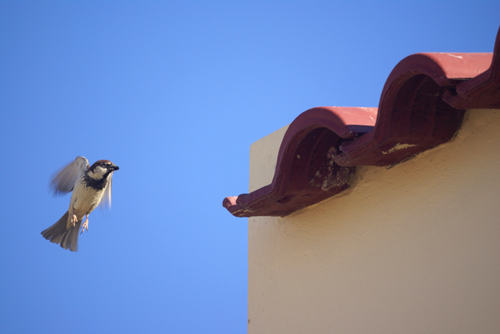
Small gaps in the roof or eaves can let birds inside. Birds squeeze through spaces as small as a few inches. These gaps often form due to wear or damage. Regular roof inspections help spot and seal these openings quickly.
Damaged Screens
Torn or loose window and door screens fail to keep birds out. Birds push through weak spots to enter homes. Repairing or replacing damaged screens prevents birds from gaining access. Use sturdy materials for longer protection.
Unusual Entry Spots
Birds find clever ways to enter homes through spots we often overlook. These unusual entry points are small gaps or openings around the house. Birds use these to nest or seek shelter. Identifying these spots helps stop birds from invading your space.
Attic Vents
Attic vents allow air to flow but can also be bird entrances. Birds can squeeze through vents without screens or damaged mesh. Once inside, they build nests and cause noise or damage. Check vents regularly and cover them with sturdy mesh.
Broken Soffits
Soffits protect the space under the roof edge. Broken or loose soffits create gaps for birds to enter. These openings are perfect for birds to hide and nest. Inspect soffits for damage and repair or seal any openings promptly.
Unsealed Wall Cracks
Small cracks in walls can be hidden entry points for birds. These cracks may appear around windows, doors, or where siding meets. Birds slip through these narrow gaps easily. Seal all visible cracks with weatherproof caulk or filler to block access.
Garage Openings
Garage doors left open or gaps around them invite birds inside. Birds look for quiet and safe places, and garages fit well. Check the door seals and close garage doors when not in use. Adding screens to ventilation openings also helps keep birds out.
Why Birds Choose Your Home
Wondering why birds seem to pick your home over others? It’s not random. Birds look for specific things that make your house feel like the perfect place to settle down. Understanding these reasons can help you manage their visits effectively.
Shelter And Nesting Needs
Birds need safe spots to build nests and protect their young. Your home might offer cozy nooks like eaves, vents, or even gaps in siding where they can hide from predators and bad weather. If you’ve noticed birds nesting near windows or under roofs, it’s because these spots provide the security they crave.
Have you checked your attic or chimney lately? These hidden spaces often attract birds looking for a quiet, safe environment. Keeping these areas sealed can discourage unwanted guests.
Food Sources Nearby
If your yard or neighborhood offers plenty of food, birds will keep coming back. This includes bird feeders, fruit trees, gardens, or even trash bins filled with scraps. Birds are always on the lookout for easy meals close to their shelter.
Think about your daily habits: Do you leave bird feeders out year-round? Are there berry bushes or vegetable patches nearby? These factors make your property a food hotspot. Adjusting what you offer outside can change how often birds visit.
Attractive Landscaping
Your landscaping might be more inviting to birds than you realize. Dense shrubs, tall trees, and flowering plants offer not just food but places to perch and hide. Birds love environments that mimic their natural habitats.
Consider the types of plants in your garden. Are they native species that produce seeds or attract insects? Sometimes, a small change in your landscaping choices can make a big difference in bird activity around your home.
Credit: www.birdbgone.com
Signs Of Bird Intrusion
Birds entering your home can cause damage and discomfort. Recognizing signs of bird intrusion helps catch the problem early. Some clues are easy to spot. Others might need a closer look. Knowing these signs helps protect your house and health.
Bird Droppings And Feathers
Bird droppings often appear near windows, ledges, or vents. They look like white or gray stains. Droppings can damage paint and wood. Feathers around your home can also signal birds inside. Finding small feathers near entry points is a strong clue.
Noises And Chirping
Birds make constant sounds, especially at dawn and dusk. Chirping, flapping, or scratching noises inside walls or attics indicate their presence. These sounds may increase during nesting season. Listen carefully near common bird entry spots.
Nest Materials Inside
Birds build nests using twigs, leaves, and other soft materials. Spotting these items indoors is a clear sign. Nests often appear in quiet, hidden places like attics or vents. Check corners, rafters, and spaces behind furniture for nesting debris.
Preventing Bird Access
Preventing birds from entering your home requires a proactive approach. You need to identify how they get inside and then block those pathways. Keeping birds out not only protects your property but also avoids the mess and noise that come with unwanted guests.
Sealing Entry Points
Start by inspecting your home for small openings where birds can squeeze through. Check vents, gaps around windows, doors, and even the chimney. Use weatherproof caulk, steel mesh, or foam sealant to close these spots tightly.
I once found a tiny hole near my attic window that I hadn’t noticed before. After sealing it with wire mesh, the bird visits stopped immediately. Would you have thought such a small gap could cause so much trouble?
Installing Bird Screens
Bird screens act as physical barriers on windows, vents, and other openings. They allow air and light in but keep birds out. Choose durable materials like stainless steel or heavy-duty plastic for long-lasting protection.
Easy to install, these screens can be cut to fit any size and shape. They’re especially useful for areas where birds like to perch or try to nest. Have you checked if your vents or attic windows need this kind of shield?
Using Deterrents
Deterrents discourage birds from coming close to your home. Reflective tape, fake predators like owls, or ultrasonic devices can make your space less attractive. These tools don’t harm birds but encourage them to stay away.
I placed reflective tape around my porch after a few birds kept trying to nest there. The shiny movement confused them enough to find a new spot. What creative deterrents could you try around your house?
Regular Home Maintenance
Routine checks help catch new access points before birds move in. Keep gutters clean and repair damaged screens or seals promptly. Trim tree branches that birds use to jump onto your roof or windows.
Maintenance might feel like a chore, but it saves you from bigger problems later. Think about how often you inspect your home’s exterior for signs of bird activity. Could a little extra attention prevent future invasions?

Credit: www.reddit.com
Frequently Asked Questions
How Do Birds Enter My House?
Birds enter homes through open windows, doors, or small gaps. They seek shelter, nesting spots, or food inside. Cracks in walls or attic vents also provide entry points. Regularly checking and sealing openings can prevent birds from coming indoors.
Why Are Birds Attracted To My Home?
Birds are attracted to homes for warmth, shelter, and nesting sites. Plants, bird feeders, and water sources nearby also draw them close. Bright lights or reflective surfaces can confuse birds, making your home appealing. Maintaining cleanliness and removing attractants helps reduce visits.
What Damage Can Birds Cause Inside My House?
Birds can cause structural damage by nesting in vents, chimneys, or attics. Their droppings are corrosive and may spread diseases. Noise and feathers can also create disturbances. Timely removal and prevention protect your home from bird-related damage.
How Can I Prevent Birds From Entering My House?
Seal gaps, cracks, and open spaces around windows, doors, and vents. Use bird netting or screens to block access points. Keep doors and windows closed when not in use. Removing food sources and nesting materials discourages birds from approaching.
Conclusion
Birds enter homes through open doors, windows, or small gaps. They seek shelter, food, or a safe place to nest. Sealing cracks and closing openings helps keep birds out. Regular checks around your house can spot entry points early. Using screens on vents and chimneys also blocks access.
Understanding why birds come inside helps prevent future visits. Taking quick action protects your home and keeps birds outside. Stay alert and maintain your home to avoid unwanted guests. Simple steps make a big difference in bird control.




