
If you love watching birds visit your garden, you know how important a sturdy bird feeder pole is. But have you ever noticed your feeder wobbling or even falling over?
That can stop your feathered friends from coming back. Securing your bird feeder pole the right way not only keeps it steady but also protects your birds and feed from damage. You’ll discover simple and effective tips to make sure your bird feeder pole stays put—no matter the weather or curious critters.
Keep reading, and you’ll learn how to create a safe, inviting space that birds will return to again and again.
Choosing The Right Location
Choosing the right location for your bird feeder pole is key to a safe and enjoyable feeding spot. A good spot makes it easier to secure the pole and attracts more birds. Consider the environment around the feeder to keep it stable and safe for birds. Think about wind, ground, and the safety of the birds themselves. These factors help you pick the best place for your feeder pole.
Avoiding Windy Spots
Strong wind can shake or topple a bird feeder pole. Place the pole in a spot sheltered from heavy wind. Look for natural windbreaks like fences or bushes. This helps keep the feeder steady and birds calm. A steady pole means birds can feed safely without disturbance.
Ensuring Ground Stability
Firm ground is essential for a secure bird feeder pole. Soft or loose soil can cause the pole to lean or fall. Check the ground before placing the pole. Hard, compact soil works best. You can test by pressing your foot down firmly. If the ground feels loose, find a harder spot or add gravel for support.
Considering Bird Safety
Birds need a safe place to feed and rest. Avoid placing the pole near busy paths or areas with pets. Keep the feeder at least 10 feet from places predators might hide. Open spaces allow birds to spot danger quickly. Trees nearby give birds a safe place to land and watch. This balance keeps birds happy and safe at your feeder.
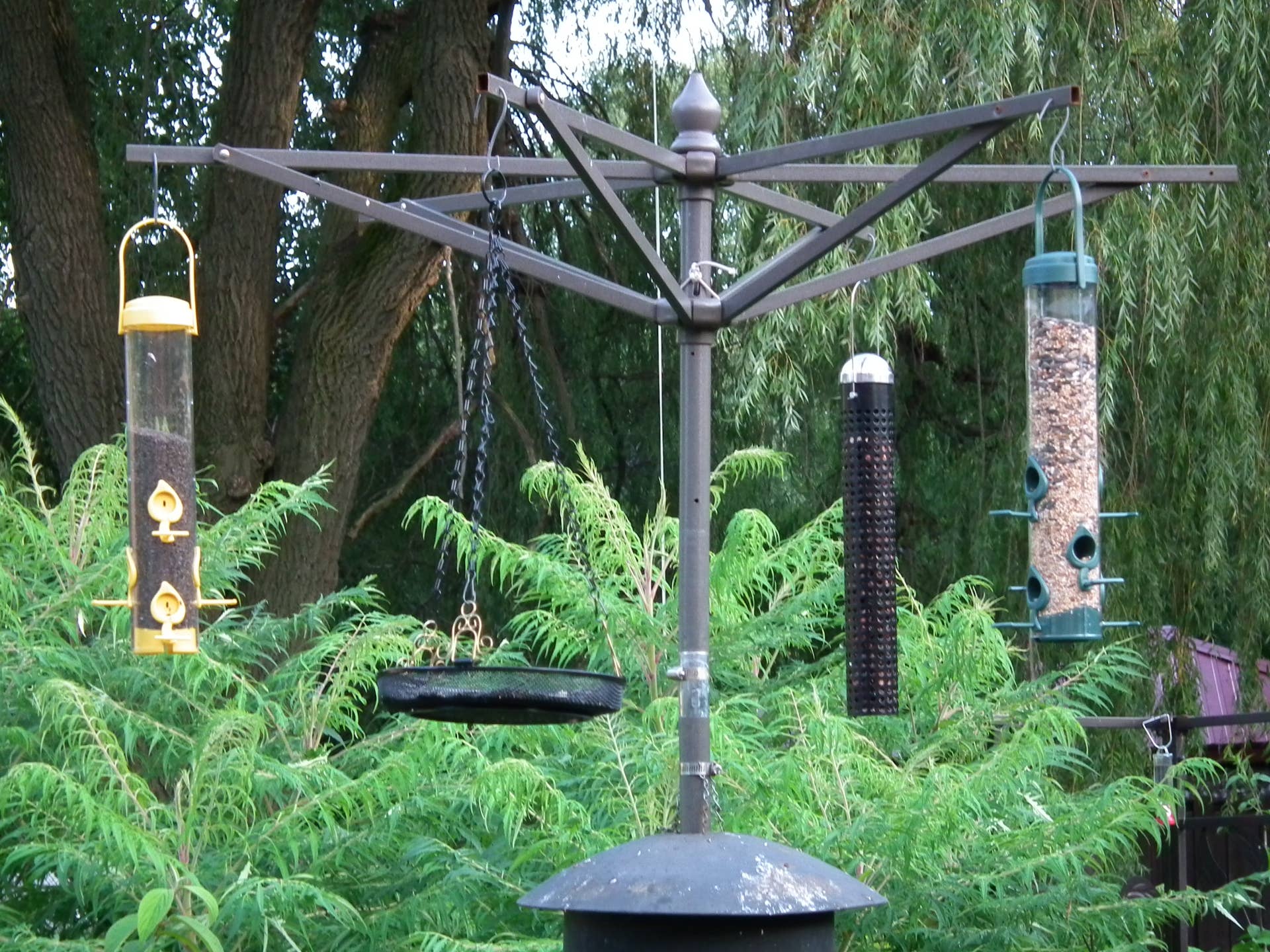
Credit: dengarden.com
Selecting A Sturdy Pole
Choosing the right pole for your bird feeder is crucial for keeping it stable and safe. A sturdy pole ensures that your feeder doesn’t wobble in the wind or tip over under the weight of visiting birds. When you select a pole, think about the material, height, and weight it can handle to avoid constant adjustments or replacements.
Material Options
Poles come in different materials like metal, wood, and plastic. Metal poles are strong and durable, resisting weather damage better than wood or plastic. However, wooden poles can blend nicely with garden settings but may need treatment to prevent rot.
Plastic poles are lightweight but often lack the strength needed for larger feeders or harsh weather. Have you noticed how a metal pole stands firm even during a windy day? That’s a key advantage to consider.
Recommended Pole Height
The height of your pole affects how easily birds can access the feeder and how safe it is from predators. Typically, poles between 4 to 6 feet work well for most backyard feeders. This height keeps feeders out of reach of cats but within your line of sight for easy refilling.
Think about your own space—do you need a taller pole to keep squirrels away, or a shorter one for quick access? Your choice impacts both bird activity and feeder maintenance.
Weight Capacity
Not all poles can support heavy feeders filled with seed or suet. Check the weight capacity before buying to avoid bending or breaking. A pole with a capacity of at least 20 pounds usually handles most standard feeders comfortably.
If you plan to hang multiple feeders, consider a pole designed to carry extra weight or add support brackets. What kind of feeder do you want to hang, and how much weight should the pole safely hold?
Anchoring Methods
Securing your bird feeder pole properly ensures it stays upright through wind, rain, and curious critters. Choosing the right anchoring method depends on your yard’s soil, weather conditions, and how permanent you want the setup to be. Let’s look at some reliable ways to anchor your bird feeder pole so it remains steady and safe for your feathered friends.
Using Ground Stakes
Ground stakes are an easy and quick way to stabilize a bird feeder pole, especially if you prefer a less permanent solution. These metal or plastic stakes drive into the soil around the base and hold the pole firmly in place.
For best results, use stakes that are long enough to penetrate deep into the ground—at least 12 inches. Secure the pole by attaching it to the stakes with strong zip ties or heavy-duty wire. This method works well in soft or loamy soil but might struggle in rocky or sandy ground.
Installing Concrete Footings
If you want a solid, long-lasting anchor, concrete footings provide excellent stability for your bird feeder pole. Dig a hole about 12 to 18 inches deep, depending on the pole’s height, and pour concrete to create a sturdy base.
While the concrete sets, keep the pole upright using temporary supports. This method is ideal if you’re planting your feeder pole in an area with strong winds or uneven soil. Remember, concrete footings require more effort upfront but pay off by preventing any wobbling or tipping over time.
Employing Guy Wires
Guy wires offer extra support by attaching tensioned cables from the pole to the ground at multiple points. This approach is particularly useful if your pole is tall or placed in a windy location.
Install anchors or stakes in the ground around the pole and connect the guy wires securely. Tighten the wires to keep the pole vertical without bending. This flexible method allows you to adjust tension as needed, making your bird feeder pole resilient against gusts and curious squirrels.
Adding Stability Enhancements
Adding stability enhancements to your bird feeder pole can make a huge difference in keeping it upright and safe. Without extra support, poles can wobble or tip over, especially in windy areas or with active birds landing. These simple tweaks can give your pole the strength it needs to stand firm and last longer.
Attaching Support Braces
Support braces help hold the pole steady by spreading out the pressure. You can use metal or wooden braces to connect the pole to a nearby fence, wall, or sturdy object. This creates a strong triangle shape that prevents the pole from leaning or falling.
Try attaching braces at different heights for better balance. Make sure they are tightly secured with screws or bolts. This approach worked well for me when a gusty day almost toppled my feeder; the braces kept it solid and safe.
Using Sandbags Or Weights
Adding weight at the base of your bird feeder pole helps keep it grounded. Sandbags or heavy stones placed around the pole’s base add extra stability. This method is especially useful if you can’t dig deep holes or use ground anchors.
Choose bags that won’t easily degrade outdoors, and cover them with a waterproof material if needed. You might be surprised how a few sandbags can prevent the pole from tipping even during strong winds or when curious animals bump into it.
Securing With Zip Ties Or Straps
Zip ties and straps offer a quick and adjustable way to secure your pole to nearby supports. You can wrap them around the pole and attach them to fences, railings, or tree branches. This keeps the pole from swaying or moving unexpectedly.
Look for heavy-duty zip ties or adjustable straps that won’t snap easily. Tighten them firmly but avoid crushing the pole. Have you noticed how small adjustments with zip ties can drastically reduce wobbling? It’s a simple fix that anyone can do.
Maintenance Tips For Longevity
Maintaining your bird feeder pole ensures it stays sturdy and safe for a long time. Regular care prevents damage and keeps birds visiting your feeder. Simple steps can protect your investment and save money on replacements.
Regular Inspections
Check the pole often for signs of rust or wear. Look at joints and connections for looseness or cracks. Tighten bolts and screws to keep the pole stable. Inspect the base to confirm it is firmly in the ground.
Weatherproofing Techniques
Apply a weatherproof sealant to metal poles to stop rust. Use paint designed for outdoor use to add extra protection. For wooden poles, treat with water-resistant stains or oils. Cover the pole during heavy rain or snow to reduce damage.
Replacing Worn Parts
Replace any damaged hooks, screws, or brackets immediately. Swap out rusted parts to avoid pole instability. Use parts made for outdoor use to ensure durability. Keep spare parts handy for quick repairs.
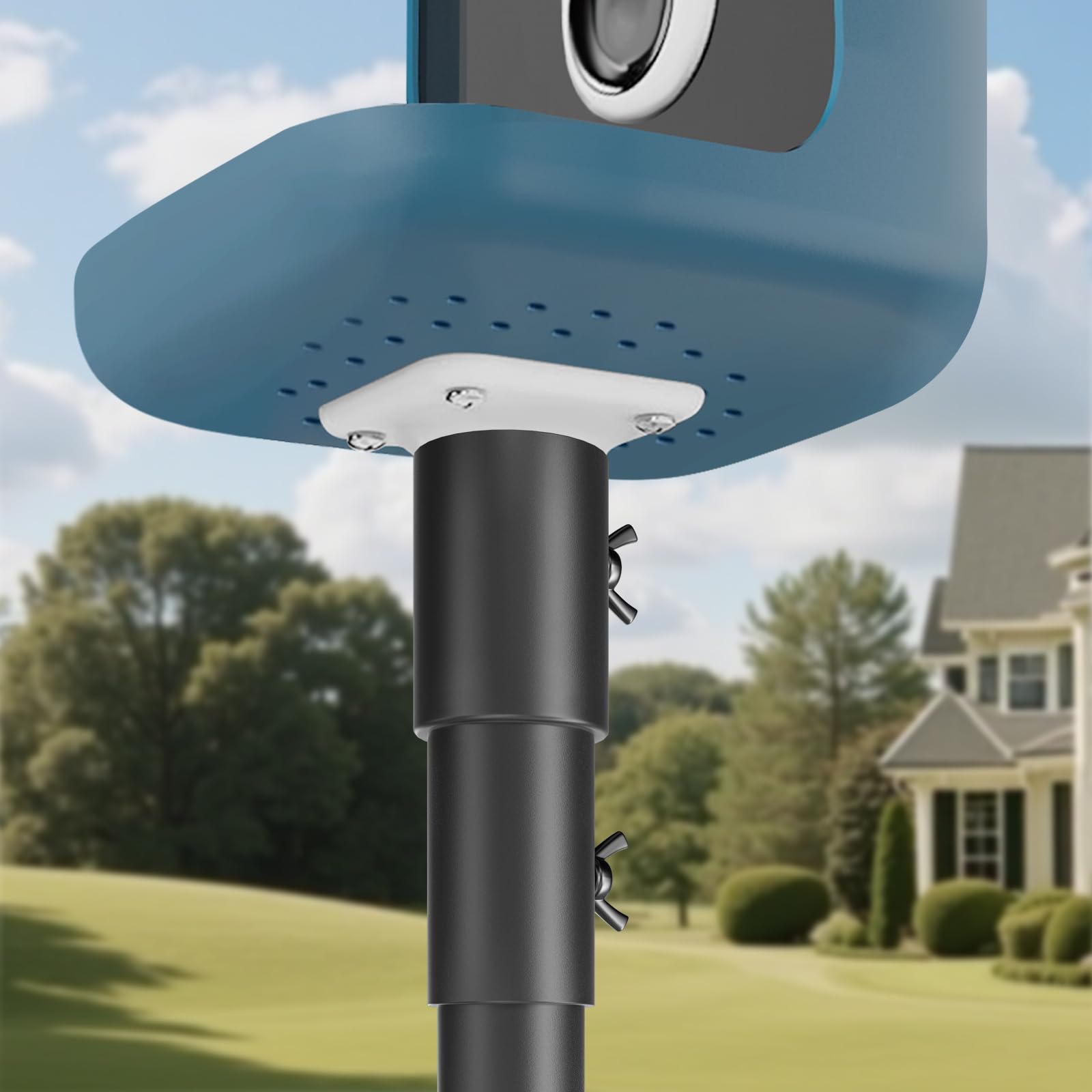
Credit: www.amazon.ca
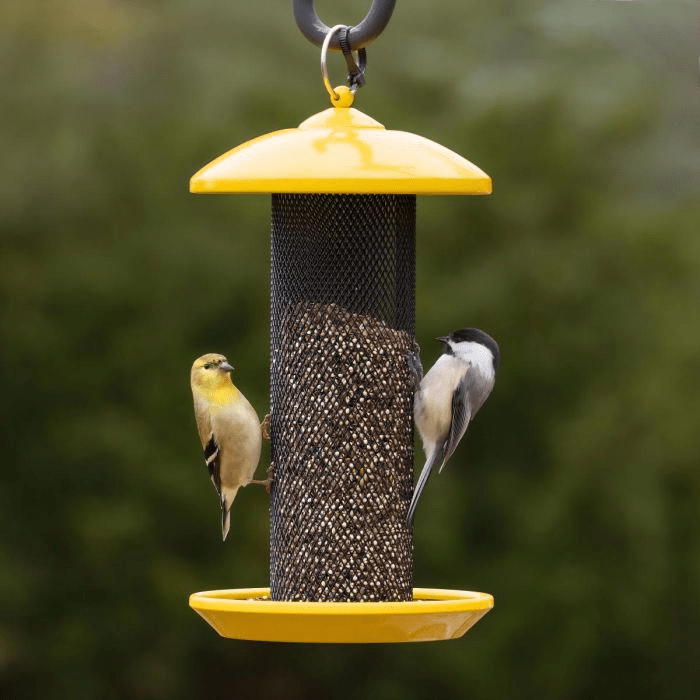
Credit: www.kingsyard.com
Frequently Asked Questions
How Do I Prevent Squirrels From Damaging My Bird Feeder Pole?
To prevent squirrels, use a baffle below the feeder. Secure the pole firmly in the ground. Choose metal poles, as they are harder for squirrels to chew.
What Is The Best Way To Anchor A Bird Feeder Pole?
Anchor the pole by digging a deep hole and using concrete. This provides stability and prevents tipping in strong winds or heavy use.
How Often Should I Check The Stability Of My Bird Feeder Pole?
Check stability monthly. Ensure the pole is upright and secure. Tighten any loose parts and clear debris around the base.
Can I Use A Bird Feeder Pole Indoors Or On A Balcony?
Yes, use a sturdy, weighted base for indoor or balcony setups. Ensure the pole doesn’t scratch surfaces and is stable to avoid tipping.
Conclusion
Securing a bird feeder pole keeps birds safe and happy. Use sturdy materials and strong anchors for best results. Check the pole regularly to avoid damage or tipping. Keep squirrels and pests away with simple tricks. Enjoy watching birds visit your feeder without worry.
A stable pole means less work and more bird fun. Small efforts make a big difference in your garden. Start today and create a safe space for feathered friends.




