
If you love watching birds up close, putting a bird feeder on a pole is one of the best ways to invite them right into your yard. But how do you make sure it’s safe, sturdy, and easy to maintain?
You might think it’s tricky, but with the right steps, you can set it up quickly and enjoy a lively birdwatching spot every day. Keep reading, and you’ll discover simple tips that make your feeder stand out and attract more feathered friends than ever before.
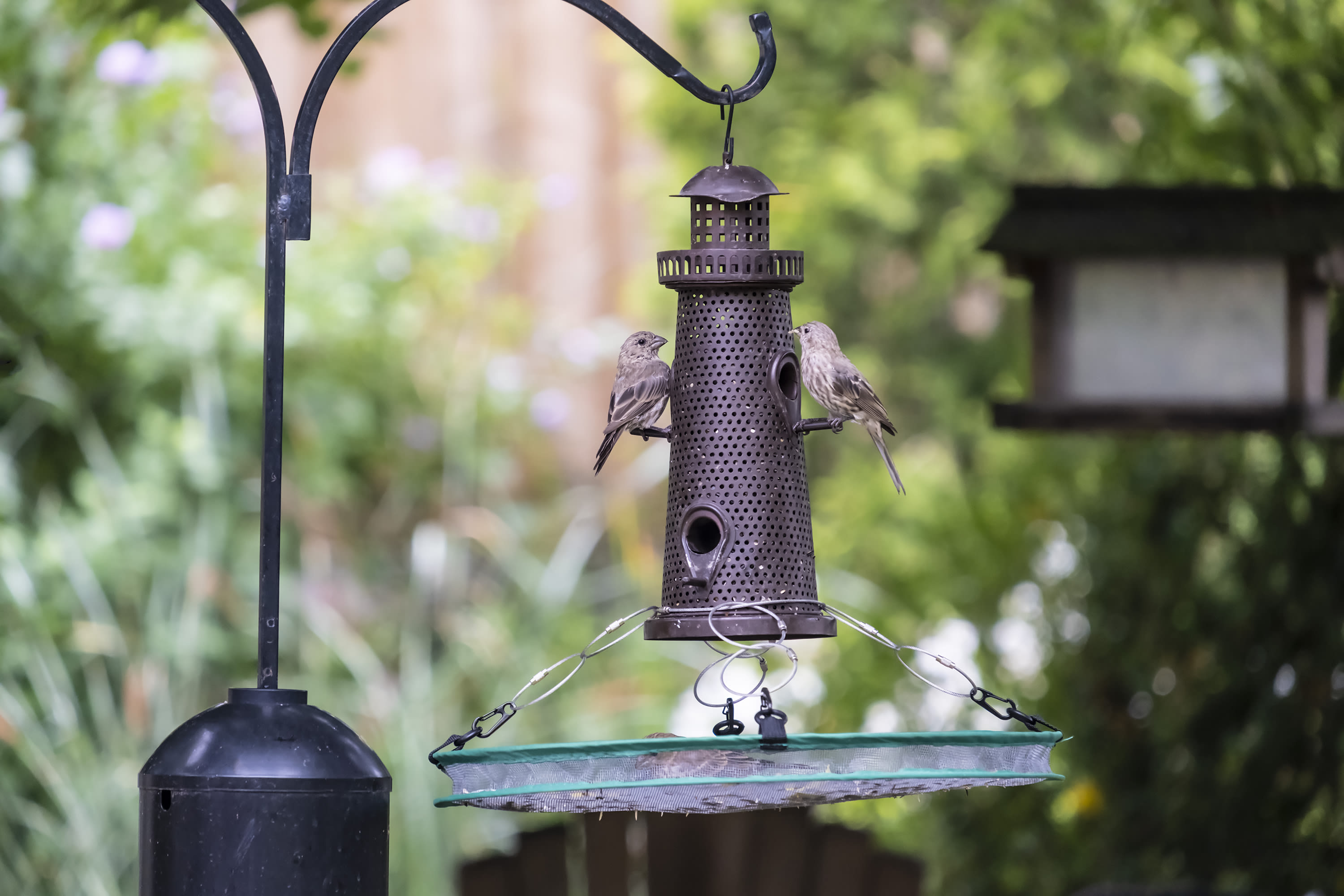
Credit: dengarden.com
Choosing The Right Pole
Choosing the right pole for your bird feeder is key to attracting birds and keeping your feeder secure. The pole you pick affects not just how high your feeder sits but also how stable it is against wind and curious squirrels. Let’s look closely at what materials work best, how tall your pole should be, and how to make sure it stands firm.
Material Options
Poles come in several materials like metal, wood, and PVC. Metal poles are strong and durable, resisting weather well, but they can get hot in direct sunlight, which might scare birds away. Wooden poles blend nicely with natural settings and offer good sturdiness, but they need regular sealing to prevent rot.
PVC poles are lightweight and easy to move, but they might not hold up well in heavy wind or if squirrels climb on them. Think about your climate and how much maintenance you want to do before choosing. Have you noticed which poles last longest in your neighborhood?
Height Considerations
The height of your feeder pole impacts bird safety and visibility. Ideally, place the feeder 5 to 6 feet off the ground to keep it away from most predators like cats. Too low, and your birds might feel vulnerable; too high, and you might find it hard to refill the feeder.
Remember, some birds prefer feeders closer to cover, while others like open views. If your yard has lots of trees, placing the feeder near but not under branches can offer birds quick escape routes. What height makes you feel comfortable checking and refilling your feeder regularly?
Stability Factors
A stable pole keeps your feeder steady during storms and stops squirrels from shaking it loose. Look for poles with a wide base or options to anchor them into the ground. Some poles come with ground spikes or brackets—these can make a big difference in stopping unwanted movement.
Adding a baffle below the feeder can also help keep squirrels at bay and protect the pole from damage. Have you ever had a feeder pole topple over? What did you do to fix the problem?
Credit: dengarden.com
Selecting A Suitable Location
Selecting the right spot for your bird feeder on a pole is key to attracting birds. The location affects how often birds visit and how safe they feel. Consider sunlight, visibility, and protection from predators to create a welcoming space.
Sunlight And Shade Balance
Birds enjoy warmth from the sun but need shade to cool down. Choose a spot with morning sun and afternoon shade. This keeps the feeder comfortable throughout the day. Avoid places that stay in direct sunlight all day. Too much sun can spoil seeds and make birds uncomfortable.
Visibility For Birds
Birds need clear views to spot food and watch for danger. Place the feeder where it is easy to see from nearby trees or bushes. Avoid locations hidden behind thick branches. Open areas near natural cover work best. This helps birds feel safe while feeding.
Avoiding Predators
Protect birds from cats, squirrels, and other predators. Place the pole away from jump points like fences or rooftops. Keep a distance of at least 10 feet from places predators use to launch attacks. Use a smooth, tall pole to stop climbing animals. Safety encourages more birds to visit regularly.
Preparing The Pole
Preparing the pole is a crucial part of setting up your bird feeder. It ensures the pole is sturdy, safe, and ready to attract feathered visitors without any issues. Taking time here can save you from future headaches like rust, wobbling, or bird safety concerns.
Cleaning And Inspecting
Start by thoroughly cleaning the pole. Remove any dirt, old paint, or rust spots using a wire brush or sandpaper. This not only improves appearance but also helps you spot potential problems early.
Check the pole for cracks, bends, or weak spots. A damaged pole can collapse or tip over, which is risky for both birds and your garden. If you find serious damage, consider replacing the pole rather than repairing it.
Adding Protective Coatings
Protect the pole from weather elements by applying a protective coating. A rust-resistant primer followed by outdoor paint can extend the life of metal poles. For wooden poles, use a weatherproof sealant to prevent rotting and insect damage.
Think about your local climate. In rainy or humid areas, extra layers of protection might be necessary. This simple step can keep your pole looking good and functioning well for years.
Attaching Mounting Hardware
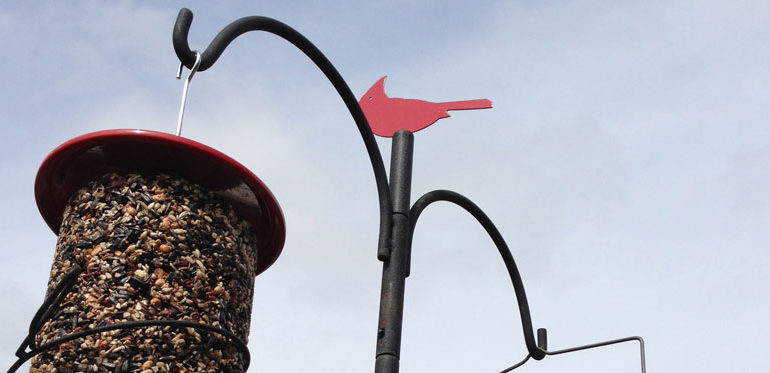
Secure mounting hardware is key to a stable bird feeder. Use strong brackets or clamps designed for outdoor use. Make sure screws or bolts are tightly fastened but avoid over-tightening, which can damage the pole.
Consider the type of feeder you have. Heavier feeders need stronger support, so choose hardware that matches the weight. Double-check your work by gently shaking the pole to ensure everything feels solid and safe.
Credit: gardeningproductsreview.com
Installing The Pole
Installing the pole is a key step for a sturdy bird feeder setup. The pole must stand firm to hold the feeder safely. Proper installation helps keep the feeder stable in wind and weather. Follow these simple steps to ensure your pole is secure and ready.
Digging The Hole
Choose a spot with good sunlight and easy access. The hole should be deep enough to hold the pole steady. A depth of about 2 feet works well for most poles. Use a shovel or post hole digger to make the hole. Keep the sides straight and clear of loose dirt.
Securing The Pole In Ground
Place the pole in the hole standing straight up. Check the pole with a level to make sure it is vertical. Fill the hole halfway with dirt, packing it down firmly. Add more dirt in layers, pressing each layer tight. This prevents the pole from leaning or wobbling.
Using Concrete For Stability
Concrete adds strong support and keeps the pole fixed in place. Mix quick-setting concrete with water in a bucket. Pour the concrete around the pole inside the hole. Use a stick to remove air bubbles and level the concrete. Let the concrete cure for 24 to 48 hours before hanging the feeder.
Mounting The Bird Feeder
Mounting the bird feeder on a pole creates a safe and attractive spot for birds. A well-mounted feeder stays steady in wind and keeps birds comfortable. The process involves securely attaching the feeder, checking stability, and protecting the feeder from squirrels.
Attaching Feeder To Pole
Choose a pole with a smooth surface for easy attachment. Use strong metal brackets or U-bolts to fix the feeder. Align the feeder so it hangs straight and is easy for birds to access. Tighten all screws or bolts firmly to avoid wobbling.
Ensuring Feeder Stability
Check the pole’s base to make sure it is deeply planted in the ground. Use concrete or gravel to secure the pole if needed. Test the feeder by gently shaking it to confirm it does not move. Stability prevents feeder damage and keeps birds safe.
Adding Baffles To Keep Squirrels Away
Place a squirrel baffle below the feeder on the pole. Baffles are dome or cone-shaped barriers that block squirrels from climbing. Choose a baffle large enough to stop squirrels but not birds. Install it at least 18 inches below the feeder for best results.
Maintaining The Setup
Regularly check the bird feeder for any damage. Tighten any loose parts on the pole. Remove debris and clean the feeder to ensure a safe environment for birds.
Setting up a bird feeder on a pole can bring joy and nature right to your backyard. However, maintaining the setup is crucial to keep it functional and attractive to birds. Regular upkeep ensures that your feathered visitors are safe and happy. Here are some practical tips on how to maintain your bird feeder setup effectively.Cleaning The Feeder
Regular cleaning is essential for the health of the birds. A dirty feeder can harbor bacteria and mold, which can be harmful. Aim to clean your feeder every two weeks using a mild soap and warm water. Make sure to rinse thoroughly and let it dry completely before refilling. Have you ever noticed a decline in bird visits? It might be time for a good scrub.Checking Pole Stability
A stable pole is key to keeping your feeder accessible and safe. Wind, rain, and the weight of the feeder can loosen the pole over time. Regularly check to ensure it’s firmly secured in the ground. Adjust and tighten any loose fittings. If you’ve ever walked out to find your feeder on the ground, you know the importance of this task.Refilling Feed Regularly
Birds rely on a consistent food source, especially during harsh weather conditions. Keep an eye on the feed level and replenish it before it runs out. Use fresh, quality seeds to attract a variety of birds. Have you ever wondered why certain birds stop visiting? Sometimes, just changing the seed mix can make all the difference. Maintaining your bird feeder setup doesn’t have to be a chore. With regular attention, you can ensure your backyard remains a bustling hub of bird activity. What’s your favorite part of watching the birds? Perhaps it’s the sheer variety of visitors or the peaceful moments spent watching them flit about. Whatever it is, a well-maintained feeder keeps those moments coming.Frequently Asked Questions
How High Should I Place A Bird Feeder On A Pole?
Place the bird feeder 4 to 6 feet above the ground. This height keeps it safe from predators and easy to fill.
What Pole Material Works Best For Bird Feeders?
Metal or sturdy wooden poles are ideal. They provide stability and resist weather damage, ensuring the feeder stays secure.
How Do I Prevent Squirrels From Reaching The Feeder?
Use a pole baffle below the feeder. This slippery or cone-shaped barrier stops squirrels from climbing the pole.
Can I Put Multiple Feeders On One Pole?
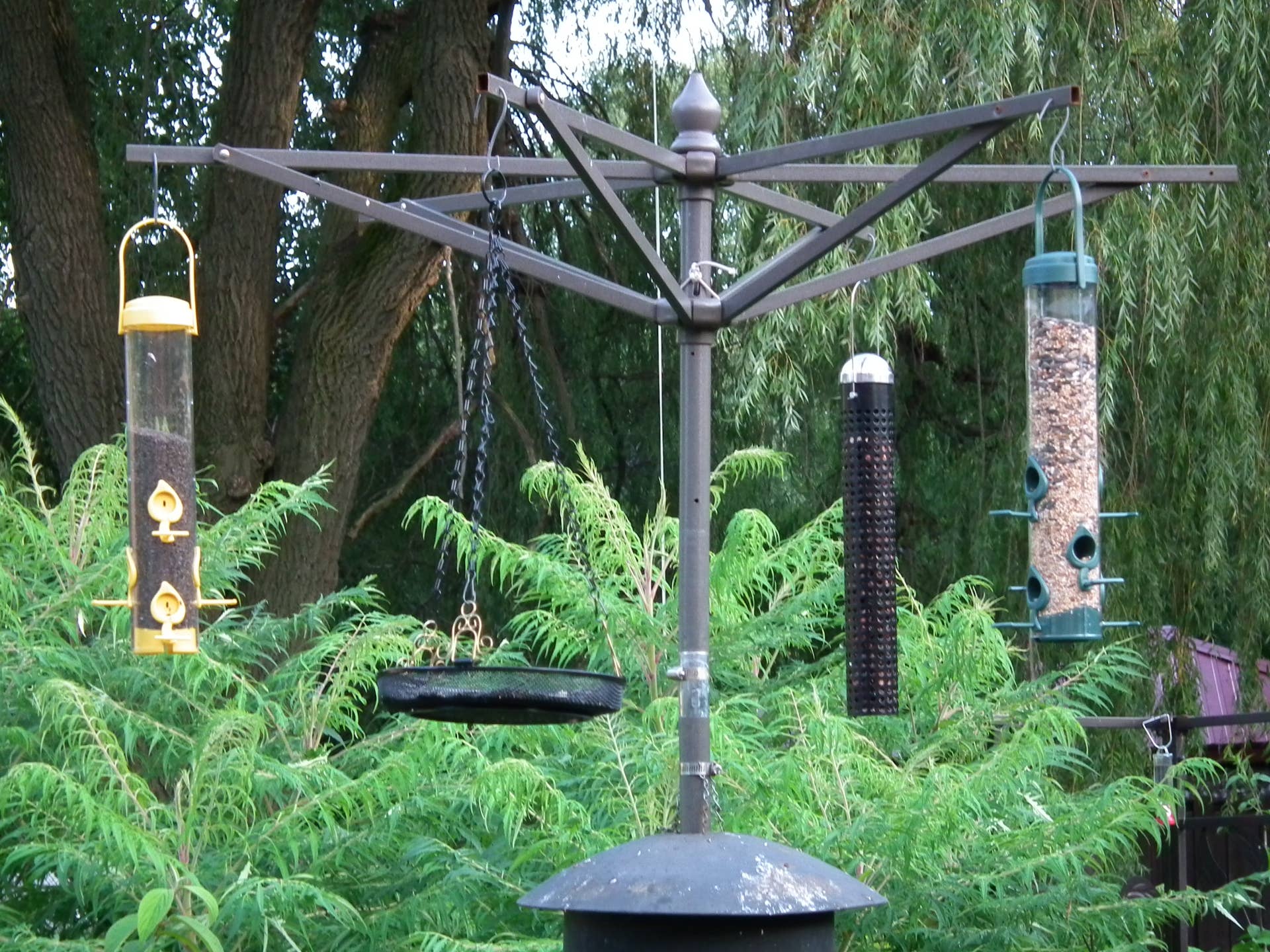
Yes, multi-arm poles allow several feeders. This setup attracts diverse bird species and maximizes viewing enjoyment.
Conclusion
Placing a bird feeder on a pole invites birds close to your yard. It keeps the feeder safe from squirrels and other animals. Choose a sturdy pole and secure it well in the ground. Position the feeder where birds feel safe and can find food easily.
Regular cleaning helps keep birds healthy. Enjoy watching different birds visit your feeder every day. Small steps make a big difference in creating a bird-friendly space. Start today and bring nature closer to your home.




