
Have you ever wondered how birds eye car cameras give you that perfect, all-around view while driving or parking? Imagine having eyes everywhere around your car, helping you avoid blind spots and tricky obstacles with ease.
This technology isn’t magic—it’s smart engineering designed to keep you safe and confident on the road. You’ll discover exactly how birds eye car cameras work and why they’re becoming a must-have for every driver. Keep reading to unlock the secrets behind this amazing feature and learn how it can change the way you drive.
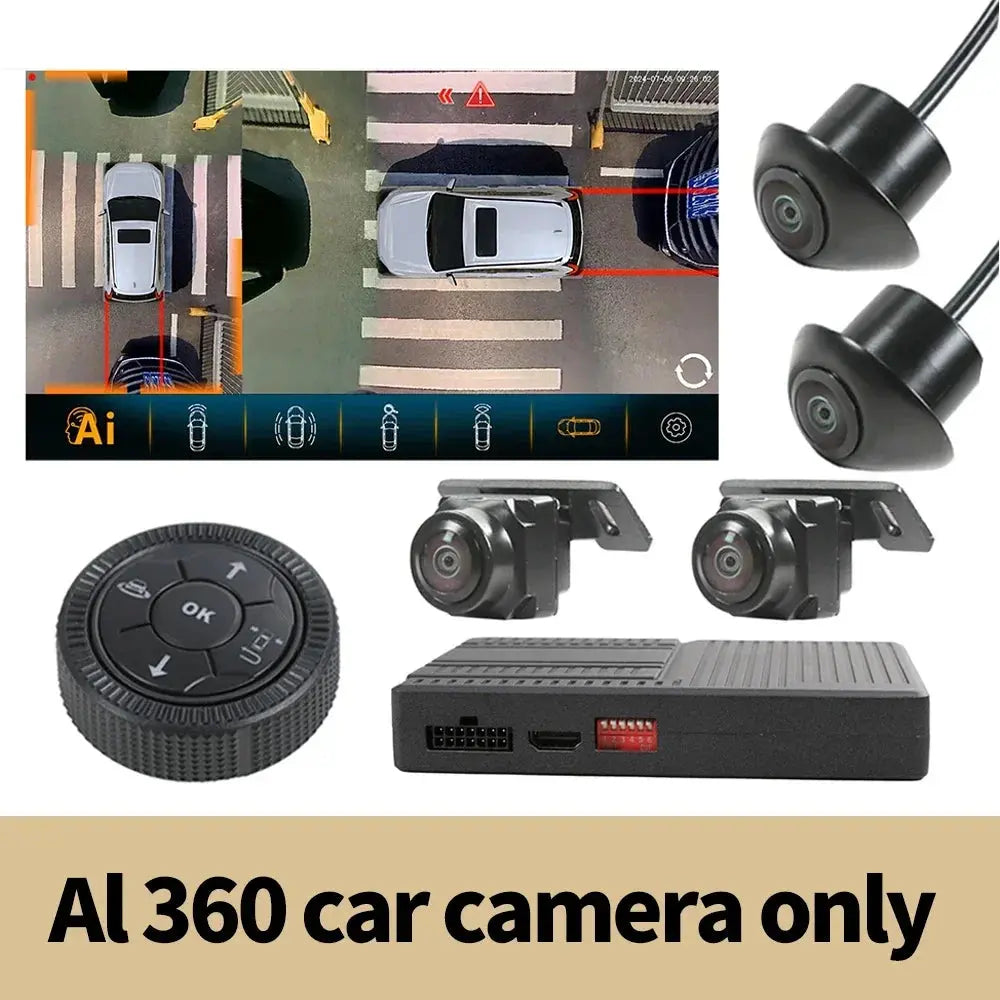
Credit: www.greensafaris.com
Basics Of Birds Eye Car Cameras
Understanding the basics of birds eye car cameras can change how you view vehicle safety and parking. These systems give you a complete view around your car, reducing blind spots and making tricky maneuvers easier. Let’s break down how these cameras work and what makes them so effective.
Components Of The System
A birds eye camera system isn’t just a single camera; it includes multiple parts working together seamlessly. The main components are:
- Cameras:Usually four or more, placed around the vehicle’s front, rear, and sides.
- Control Unit:Processes the images from the cameras and stitches them together.
- Display Screen:Shows the combined image, giving you a top-down view.
- Sensors (optional):Detect obstacles and enhance safety features.
This setup ensures you get a full 360-degree view, something no single mirror or camera alone can offer.
Types Of Cameras Used
The cameras used in birds eye systems are small but powerful. Most vehicles use wide-angle or fisheye lenses to capture as much area as possible.
- Wide-Angle Cameras:Capture a broad view with minimal distortion, perfect for parking spaces.
- Fisheye Cameras:Offer an ultra-wide view, sometimes up to 180 degrees, covering blind spots.
- High-Resolution Cameras:Provide clear images even in low light, helping you see obstacles at night.
Each camera type plays a role in creating a seamless, clear image around your vehicle.
How Cameras Capture The Surroundings
Each camera captures a specific section around your car. The images are then sent to the control unit, which combines them into one continuous view.
This stitching process aligns the edges of each camera’s image, correcting distortions and creating a smooth, bird’s eye perspective. Have you ever noticed how your phone’s panorama mode stitches photos together? It’s a similar concept.
The system updates these images in real time, so the view changes as you move, helping you react quickly to obstacles or tight spaces.
360° View Creation
Creating a seamless 360° view around your car is the magic behind Birds Eye Car Cameras. This view helps you see everything around your vehicle at once, making parking and tight maneuvers much safer. But how do multiple camera feeds become one clear, continuous image?
Image Stitching Techniques
Multiple cameras capture overlapping sections around your car. The system uses image stitching to blend these sections into a single, wide view.
This process involves aligning edges and matching colors so the images connect smoothly. If you’ve ever used photo apps to stitch panoramas, you’ll recognize similar technology. The challenge is making these stitches perfect in real-time despite different lighting and angles.
Software Algorithms Behind The View
Behind the scenes, complex algorithms analyze each camera’s feed. They correct lens distortion and adjust perspective to ensure the stitched image looks natural.
These algorithms also identify the car’s shape and position to place the view “above” the vehicle accurately. Have you noticed how the view seems to hover perfectly around your car? That’s the software calculating your surroundings precisely.
Real-time Processing And Display
All these calculations happen instantly. The system processes multiple high-definition video streams and stitches them together without lag.
This real-time display updates as you move, giving you an immediate, clear picture. Imagine the difference this makes compared to checking mirrors alone—your confidence in tight spots skyrockets.
Installation And Calibration
Installing and calibrating birds eye car cameras ensures a clear, accurate view around your vehicle. The process requires careful positioning and precise adjustments. Proper setup helps avoid blind spots and enhances safety during driving and parking.
Mounting Camera Positions
Cameras must be placed at key points to cover all angles. Common spots include:
- Front bumper center
- Rear bumper middle
- Side mirrors or near the doors
These positions capture a full 360-degree view. Secure mounting prevents vibrations and keeps images stable. The cameras should be angled slightly downward to see the ground near the car.
Calibration Process Explained
Calibration aligns the camera images with real-world dimensions. It involves software that stitches images together into a seamless view. The system uses reference points around the vehicle to adjust perspectives.
Steps include:
- Placing the car on a flat surface
- Marking points on the ground as guides
- Running calibration software to merge images
This process ensures the bird’s eye view matches the car’s actual surroundings accurately.
Common Installation Challenges
Several issues can arise during installation. These include:
- Incorrect camera angle causing blind spots
- Poor wiring leading to signal loss
- Calibration errors from uneven ground
- Obstructions blocking camera lenses
Addressing these challenges improves camera performance and driver confidence.
Credit: medium.com
Benefits Of Birds Eye Cameras
Birds eye cameras offer many benefits that improve driving safety and convenience. They provide a clear, 360-degree view around your car. This view helps drivers avoid obstacles and navigate tight spaces easily. The technology gives peace of mind by reducing blind spots and enhancing awareness.
These cameras also support accident prevention by alerting drivers to potential hazards. They are especially useful in crowded parking lots and busy streets. With birds eye cameras, drivers gain better control and confidence while driving or parking.
Improved Parking Safety
Birds eye cameras show the entire area around the vehicle. This helps drivers park precisely and avoid hitting objects. Narrow parking spots become easier to enter and exit. The camera system reduces the risk of dents and scratches during parking. It also helps in tight spaces where mirrors alone are not enough.
Enhanced Blind Spot Awareness
The cameras cover areas that mirrors cannot show. Drivers see vehicles, pedestrians, and cyclists in blind spots. This reduces the chance of accidents while changing lanes or turning. The system gives a complete view without the need to turn your head. It increases safety for everyone on the road.
Accident Prevention Features
Birds eye cameras often work with sensors and alerts. They warn drivers about nearby objects or sudden movements. This helps avoid collisions with other cars or obstacles. The system can detect children or animals near the vehicle. Early warnings give drivers time to react and stop accidents before they happen.
Limitations And Considerations
Birds eye car cameras provide a unique view of your vehicle’s surroundings, but they come with limitations you should consider before relying on them completely. Understanding these drawbacks can help you use the system more effectively and avoid surprises. Let’s look at some practical points about weather, maintenance, and cost.
Weather And Lighting Effects
Weather conditions like rain, snow, and fog can blur or block the camera lenses, reducing image clarity. Bright sunlight or strong shadows may also create glare or dark spots, making it harder to see obstacles clearly.
Have you noticed how your phone camera struggles in low light? The same happens with birds eye cameras. You might miss small objects or uneven surfaces during nighttime or bad weather.
System Maintenance Needs
Keeping the cameras clean is essential. Dirt, mud, or water droplets on the lenses can distort the view, leading to inaccurate images.
Regular checks and cleaning are simple but necessary tasks. If you skip this, your system may give you a false sense of security—something you definitely want to avoid.
Cost And Compatibility Factors
High-quality birds eye camera systems can be pricey, especially for advanced models with multiple cameras and sensors. Installation costs add up too, particularly if your car isn’t designed for easy integration.
Compatibility is another issue. Some systems only work with specific makes and models, so you need to confirm if your vehicle supports the technology before investing.
Are you willing to balance cost against the peace of mind these cameras offer? Sometimes, a simpler backup camera might suit your needs better.
Future Trends In 360° Safety
Future Trends in 360° Safety Bird’s eye car cameras use multiple lenses to capture views around the vehicle. These images combine to create a full, 360-degree view. Drivers see a complete picture on their screen, helping them navigate safely.
As we gaze into the horizon of automotive safety, the future of 360° safety promises an exciting realm of possibilities. The birds eye car camera, once a novel feature, is rapidly evolving beyond its current state. These advancements not only enhance your driving experience but also pave the way for a safer future on the road.Integration With Autonomous Driving
Imagine a world where your car navigates seamlessly through traffic, all while you sit back and relax. Birds eye cameras are becoming integral to the development of autonomous vehicles. By providing a complete view of the surroundings, these cameras help the car make real-time decisions, enhancing both safety and efficiency. Autonomous cars rely heavily on accurate data, and birds eye cameras offer just that. They ensure that the vehicle can detect obstacles, interpret traffic signals, and maintain safe distances. As autonomous technology advances, the synergy between these cameras and self-driving systems will become even more crucial.Advancements In Camera Technology
Camera technology is evolving at a breakneck pace, bringing you sharper images and more precise data. High-resolution sensors and improved night vision capabilities are making birds eye cameras more reliable than ever. This means you can expect clearer visuals, even in low-light conditions. Manufacturers are also experimenting with panoramic views and dynamic range enhancements. These improvements allow the cameras to capture a wider field of vision with stunning clarity. With these advancements, your vehicle is better equipped to handle complex driving scenarios.Ai And Machine Learning Enhancements
Artificial Intelligence and Machine Learning are transforming how birds eye cameras process information. By analyzing patterns and learning from past experiences, these systems can predict potential hazards before they occur. This predictive ability enhances safety by alerting you to threats that might not be immediately visible. AI-driven features such as pedestrian detection and collision avoidance are becoming more sophisticated. As these technologies continue to develop, your car will be able to respond to situations more proactively. How comfortable would you feel knowing that your vehicle can think on its feet? The future of 360° safety is not just about technology—it’s about creating a safer, more intuitive driving experience for you. Are you ready for this next wave of innovation?
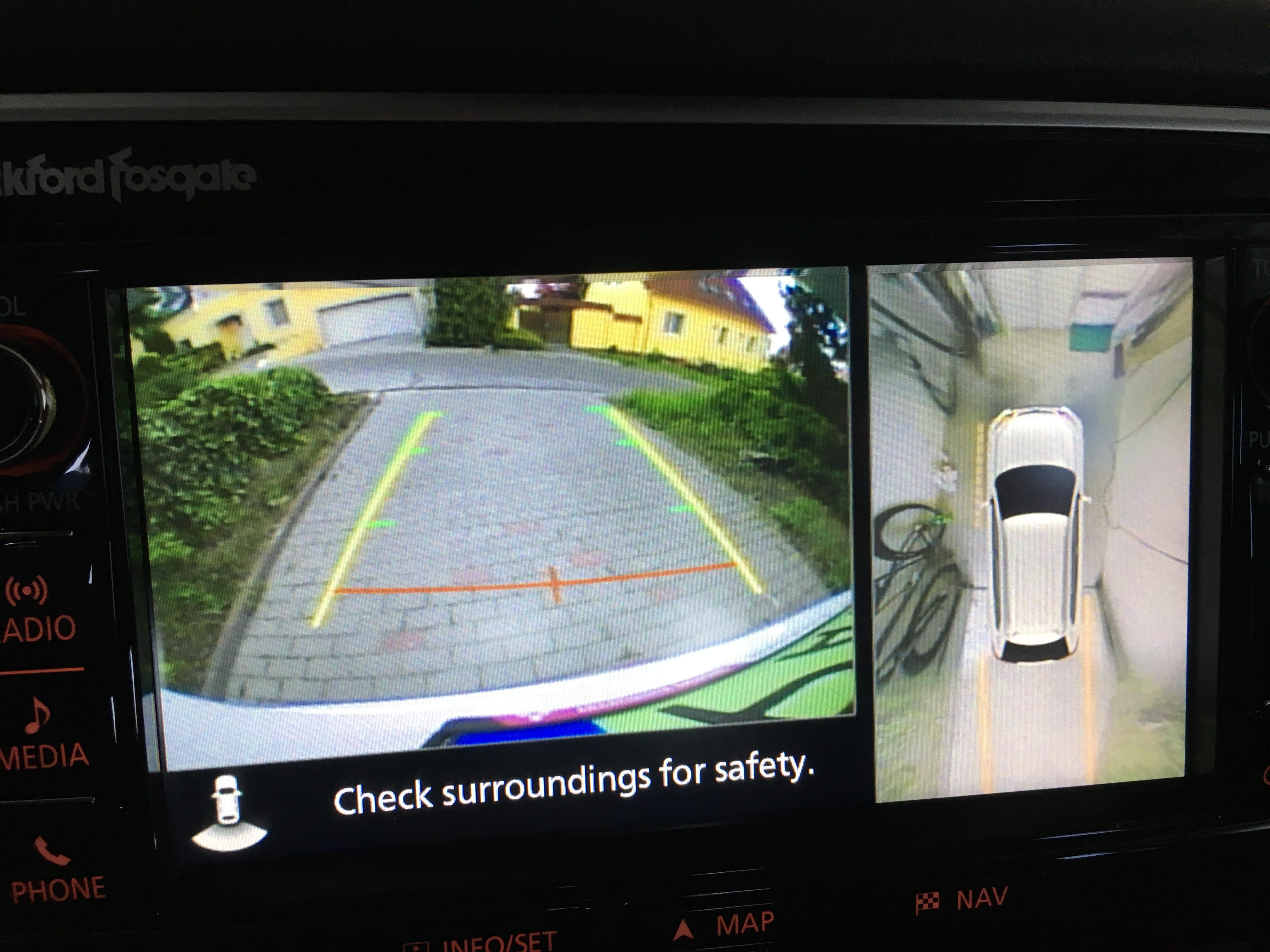
Credit: www.fjcruiserforums.com
Frequently Asked Questions
What Is A Birds Eye Car Camera System?
A Birds Eye Car Camera system uses multiple cameras around a vehicle. It creates a 360-degree top-down view for better parking and maneuvering. This system helps drivers spot obstacles and improves safety by eliminating blind spots.
How Do Birds Eye Cameras Improve Parking Safety?
Birds Eye Cameras provide a complete view of the car’s surroundings. They help drivers avoid hitting curbs, pedestrians, and other vehicles. This reduces parking accidents and makes tight parking spaces easier to navigate.
Can Birds Eye Cameras Work In Low Light?
Yes, most Birds Eye Cameras have night vision or low-light sensors. They use infrared or enhanced image processing to deliver clear views in dark conditions. This feature ensures safety during nighttime driving or in poorly lit areas.
Are Birds Eye Car Cameras Easy To Install?
Professional installation is recommended for optimal camera placement and wiring. Some aftermarket kits offer simpler installation but may require technical skills. Proper setup ensures accurate 360-degree views and system reliability.
Conclusion
Birds eye car cameras give drivers a clear, wide view around the vehicle. They use several cameras to create a full image from above. This helps avoid blind spots and makes parking easier. The system updates in real time, showing any obstacles nearby.
Simple to use and reliable, these cameras improve safety on the road. Understanding how they work helps you trust their help. Driving becomes safer and less stressful with this smart technology. A small tool with big benefits for every driver.




