
If you love bird watching, you know how important it is to have the right binoculars. But are 8×42 binoculars really the best choice for your next outdoor adventure?
You might be wondering if they offer the perfect balance of zoom and clarity or if another option would serve you better. This article will help you discover why 8×42 binoculars could be the ideal tool to bring your bird watching experience to life.
Keep reading to find out how they can help you see every feather in stunning detail and make your time in nature even more rewarding.

Credit: www.amazon.ca
Benefits Of 8×42 Binoculars
8×42 binoculars offer many advantages for bird watchers. Their design balances power and clarity, making them a popular choice. The benefits help users enjoy bird watching with ease and precision. These binoculars provide sharp images and a comfortable experience outdoors.
Optimal Magnification And Field Of View
The 8x magnification gives a clear close-up without shaking images. It is strong enough to see bird details from a distance. The 42mm lens size helps capture a wide field of view. This means you can spot birds easily without moving your binoculars much. A wide view is perfect for tracking fast or flying birds.
Bright And Clear Images
The 42mm lenses let in plenty of light. This creates bright and clear images even in low light. Early morning or late afternoon bird watching becomes easier. Lens coatings reduce glare and improve color sharpness. Birds appear natural and vibrant, enhancing your viewing pleasure.
Comfortable Handling And Weight
8×42 binoculars are light enough for long use. They fit well in your hands without causing fatigue. The size balances portability with performance. You can carry them on hikes without heavy strain. Soft rubber grips add comfort and prevent slipping during use.
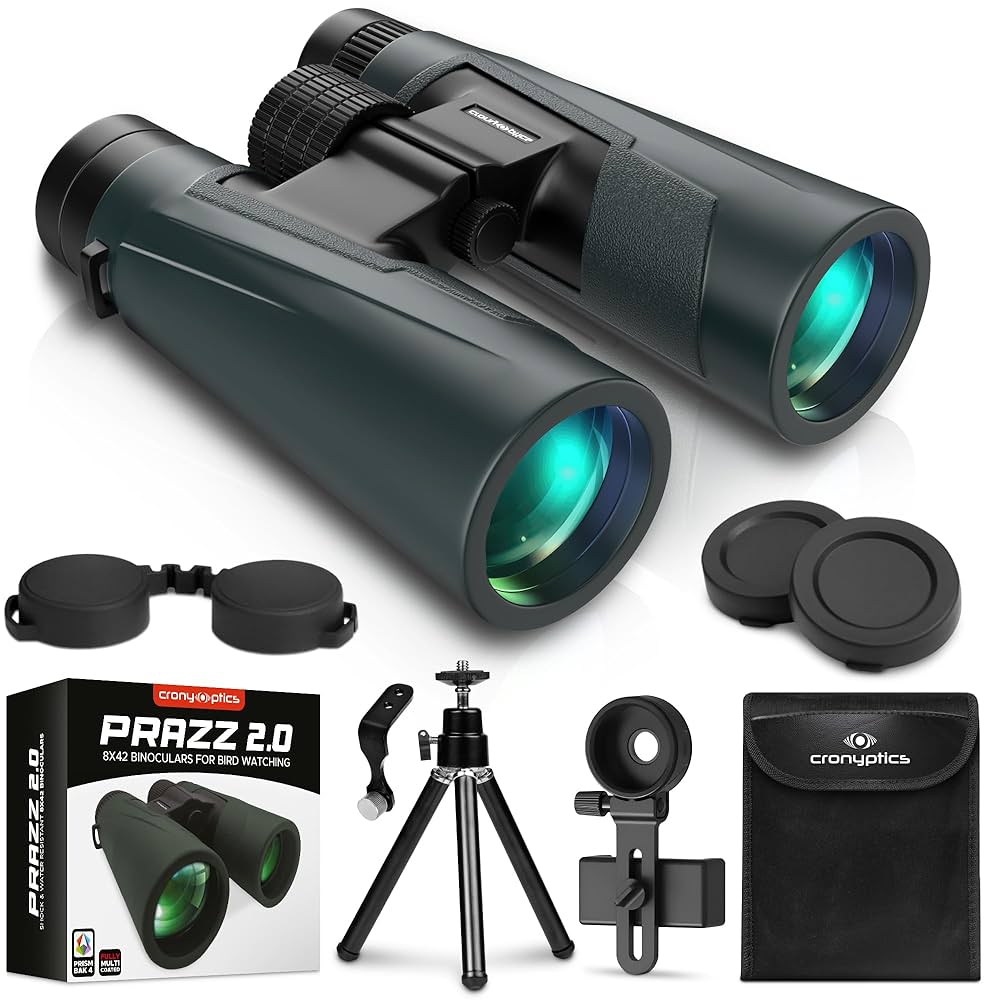
Credit: www.amazon.com
Key Features For Bird Watching
Choosing the right binoculars for bird watching means focusing on features that truly enhance your viewing experience. Not all binoculars are created equal, especially when it comes to spotting birds in their natural habitats. Let’s break down the key features that make 8×42 binoculars a strong choice for bird enthusiasts like you.
Lens Quality And Coatings
Sharp, clear images are essential for bird watching, and lens quality plays a huge role in that. Look for binoculars with fully multi-coated lenses; these coatings reduce glare and improve light transmission, making colors pop and details clearer.
High-quality glass, such as ED (extra-low dispersion) glass, cuts down on chromatic aberration, so you see birds without annoying color fringing. Have you ever struggled to identify a bird because the image was blurry or dull? Good lens coatings fix that problem.
Eye Relief And Comfort
Eye relief is the distance between your eyes and the eyepiece where you can still see the full field of view. If you wear glasses, this feature becomes critical. Most 8×42 binoculars offer around 15mm or more of eye relief, which means you won’t have to press the binoculars against your glasses to get a clear view.
Comfort during long bird-watching sessions matters. Ergonomic design and soft, adjustable eyecups help reduce eye strain. Ask yourself—do your current binoculars leave your eyes tired after a short time? If yes, better eye relief and comfort could make a noticeable difference.
Durability And Weather Resistance
Bird watching often takes you outdoors in unpredictable weather. Binoculars with a rugged build and weatherproof features protect your gear from rain, dust, and accidental drops. Look for models that are waterproof and fog proof with sealed O-rings.
Having binoculars that can handle rough conditions means you won’t have to cut your bird-watching trip short because of equipment failure. Do you want to carry fragile binoculars, or gear that stands up to your adventures? Durability is a feature you don’t want to overlook.
Comparing 8×42 With Other Binocular Sizes
Comparing 8×42 binoculars with other sizes helps find the best fit for bird watching. Each size offers different benefits in magnification, field of view, and light gathering. Understanding these differences makes choosing easier. Below, common binocular sizes are compared with 8×42 models to highlight their strengths and weaknesses.
8×32 Vs 8×42
8×32 binoculars are lighter and more compact than 8×42. They are easier to carry on long walks or hikes. The smaller objective lenses gather less light, making them less bright in low light.
8×42 binoculars offer a brighter image, especially at dawn or dusk. The larger lenses capture more light, improving visibility in shaded areas or cloudy weather. They are slightly heavier but provide more comfort for extended use.
- 8×32: Lightweight, portable, less bright
- 8×42: Brighter image, heavier, better for low light
10×42 Vs 8×42
10×42 binoculars have higher magnification than 8×42. They bring birds closer, showing more detail. The field of view is narrower, making it harder to locate fast-moving birds.
8×42 binoculars offer a wider view, making tracking easier. They are more stable to hold, reducing image shake. Lower magnification means less eye strain during long bird watching sessions.
- 10×42: More detail, narrower view, less stable
- 8×42: Wider view, stable image, less eye strain
When To Choose Different Sizes
Choose 8×32 for light travel and casual bird watching. They suit short trips and bright daylight. Pick 8×42 for serious bird watchers needing brightness and comfort.
Select 10×42 if you want detailed views and are willing to carry extra weight. They are good for spotting distant birds but require steady hands or a tripod.
Consider your needs, environment, and how long you’ll use binoculars. This helps find the perfect size for your bird watching adventures.
:max_bytes(150000):strip_icc()/tal-athlon-optics-8x42-midas-uhd-binoculars-signe-bamsey-ben-wanamaker-09-620210547e5945648dbf4d47b55ff385.jpeg)
Credit: www.travelandleisure.com
Tips For Using 8×42 Binoculars
Using 8×42 binoculars for bird watching can enhance your experience greatly. Proper handling and care improve clarity and comfort. Follow these tips to get the most from your binoculars every time you watch birds.
Adjusting Focus Quickly
Quick focus is vital to catch fast-moving birds. Use the central focusing wheel to sharpen the image. Turn it gently until the bird appears clear. Practice focusing on objects at different distances to build speed. Use the diopter adjustment to fine-tune for differences between your eyes. Keep your eyes relaxed and avoid rushing the adjustment.
Proper Grip And Stability
Hold binoculars firmly but not too tight. Support them with both hands for better control. Rest your elbows against your body to reduce shaking. Stand with feet shoulder-width apart for balance. If possible, lean on a tree or wall for added stability. A stable grip helps avoid blurry images during long viewing sessions.
Maintaining Your Binoculars
Clean lenses regularly with a soft cloth or lens pen. Avoid using rough materials that can scratch glass. Keep binoculars in a protective case when not in use. Store them in a dry place to prevent mold and damage. Check for loose screws or parts and tighten if needed. Proper care extends the life and performance of your binoculars.
Popular 8×42 Binocular Models
8×42 binoculars are a favorite for bird watchers. They offer a great balance of magnification and brightness. Many brands make models in this size, fitting different budgets and needs. Below are popular 8×42 binoculars, grouped by price and features.
Budget-friendly Options
Budget binoculars provide solid performance without a high cost. They suit beginners or casual bird watchers. These models often have good optics and decent build quality.
- Nikon Prostaff 3S 8×42 – Clear images and waterproof design.
- Vortex Crossfire HD 8×42 – Durable with good field of view.
- Celestron Outland X 8×42 – Lightweight and easy to handle.
Mid-range Choices
Mid-range binoculars offer better clarity and durability. They include extra features and improved lenses. These are great for serious bird watchers who want more detail.
- Vortex Diamondback HD 8×42 – Sharp images and strong build.
- Nikon Monarch 5 8×42 – Bright view with excellent color.
- Zeiss Terra ED 8×42 – Lightweight with very clear optics.
High-end Models
High-end 8×42 binoculars deliver top optical quality. They use premium glass and coatings for sharp, vivid views. These models are designed for experts and long hours outdoors.
- Leica Trinovid HD 8×42 – Exceptional clarity and contrast.
- Swarovski EL 8×42 – Bright, detailed images with comfort.
- Zeiss Victory SF 8×42 – Wide field of view and crisp focus.
Frequently Asked Questions
Are 8×42 Binoculars Ideal For Bird Watching?
Yes, 8X42 binoculars offer a perfect balance of magnification and brightness. They provide clear, wide views essential for spotting birds in various light conditions.
How Does 8×42 Compare To Other Binocular Sizes?
8X42 binoculars have moderate magnification and large objective lenses. This combination delivers bright, stable images better than smaller or higher magnification models for bird watching.
Can 8×42 Binoculars Work Well In Low Light?
Absolutely, the 42mm objective lens gathers ample light. This feature enhances visibility during dawn, dusk, or shaded environments common in bird watching.
Are 8×42 Binoculars Comfortable For Long Bird Watching Sessions?
Yes, their size and weight are balanced for comfortable use. They reduce hand shake and eye strain, making them ideal for extended bird watching.
Conclusion
8×42 binoculars offer a clear and bright view for bird watching. They balance magnification and light well. The size makes them easy to carry on walks. These binoculars help spot birds without much effort. Many bird watchers find them comfortable to use for hours.
Choosing the right binoculars depends on your needs and budget. Give 8×42 binoculars a try for a great bird watching experience. Simple, effective, and user-friendly—just what you need outdoors.




