
Have you ever wondered if exotic birds mate with different types or stick to their own kind? If you’re curious about how these colorful creatures choose their partners, you’re not alone.
Understanding their mating habits can reveal surprising facts about nature and animal behavior. Keep reading, and you’ll discover answers that might change the way you see these fascinating birds forever.
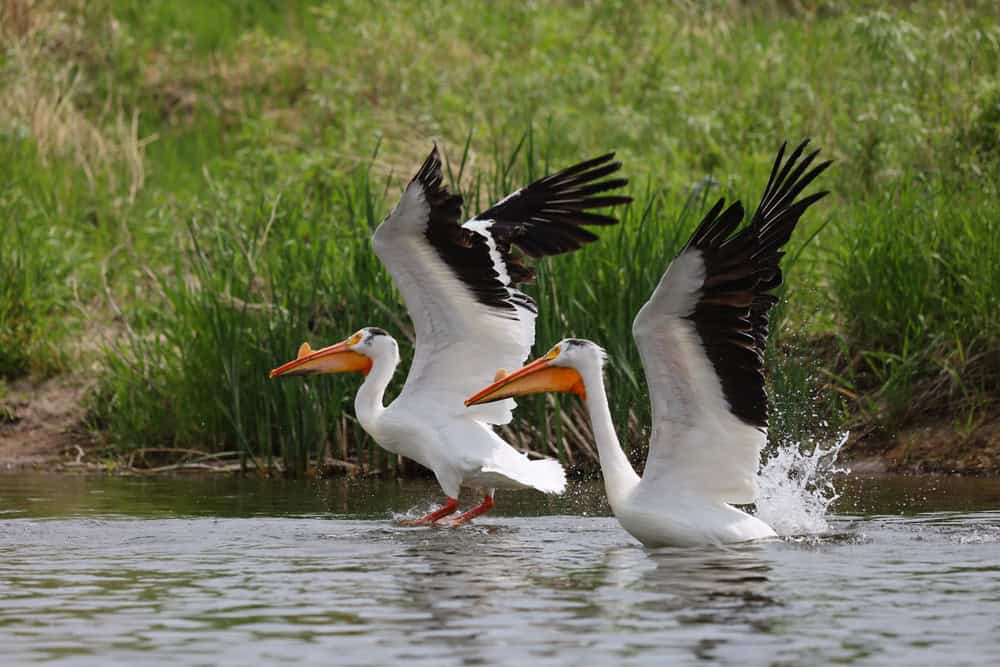
Credit: a-z-animals.com
Exotic Bird Mating Habits
Exotic bird mating habits reveal a fascinating world of behaviors and interactions. These birds don’t just rely on instinct; many show complex patterns shaped by their environment and species traits. Understanding these habits helps you appreciate how diverse and intriguing their relationships can be.
Common Mating Patterns
Most exotic birds follow specific mating systems, such as monogamy, polygamy, or lekking. Monogamous pairs often stay together for a breeding season or even for life, sharing parenting duties. Polygamous birds may have multiple partners, which increases genetic diversity but can also cause competition.
Some species gather in leks—areas where males display collectively to attract females. This behavior puts the spotlight on the most impressive males, often leading to fierce rivalry. Have you ever noticed how certain birds seem to outshine others during these gatherings? It’s a clear example of natural selection at work.
Unique Courtship Rituals
Courtship in exotic birds goes beyond simple displays; it often includes dances, vocalizations, and gift-giving. Male birds might puff up feathers, perform intricate dances, or sing elaborate songs to catch a mate’s eye. These rituals are not random but carefully timed and choreographed to maximize attraction.
Some species even use tools or present colorful objects as tokens. For example, bowerbirds build elaborate structures decorated with bright items to impress females. If you watch closely, you’ll see how every move and object serves a purpose in winning over a partner.
Have you wondered why certain birds choose such dramatic gestures over others? It’s all about standing out in a crowded environment where attention is hard to earn. These unique rituals teach us a lot about communication and attraction in the animal kingdom.
Inter-species Mating Possibilities
Exotic birds rarely mate with different species due to unique behaviors and calls. Some hybrids can occur but are very uncommon in the wild. Nature usually keeps bird species separate for breeding.
Inter-species mating possibilities among exotic birds are a fascinating topic that captures the curiosity of many bird enthusiasts and researchers. While it’s natural to wonder if these vibrant creatures can mate across species, the reality is both complex and intriguing. Understanding the dynamics of inter-species mating involves exploring biological barriers and instances of hybridization.Biological Barriers
Exotic birds, like all animals, face biological barriers that often prevent successful inter-species mating. These barriers can include differences in size, behavior, and mating rituals, which can make it difficult for two different species to even attempt mating. Genetic differences also play a crucial role, as they may lead to incompatible DNA that prevents the development of a viable embryo. Consider the case of a parrot and a toucan. Despite living in similar environments, their distinct mating calls and nesting behaviors create an invisible wall that keeps them apart. Wouldn’t it be intriguing if these natural barriers didn’t exist? Yet, they serve an essential purpose in maintaining species integrity.Instances Of Hybridization
Despite these barriers, nature occasionally surprises us with instances of hybridization. This occurs when two different species successfully mate and produce offspring. Such hybrids are rare and often face challenges, including reduced fertility. One of the most well-known examples in the bird world is the hybridization between certain species of finches. These hybrids can sometimes thrive in specific environments, leading to unique genetic combinations. Have you ever seen a hybrid bird? They can exhibit a blend of traits from both parent species, sometimes resulting in unexpected colors and patterns. Hybridization raises intriguing questions about evolution and adaptability. Could these hybrids offer insights into how species evolve over time? It’s a captivating thought that keeps researchers exploring the boundaries of what’s possible in nature. Engaging with this topic opens your eyes to the wonders of the natural world. So next time you observe birds in your backyard or local park, consider the complex dance of biology and environment that shapes their lives.Why Cross-species Mating Is Rare
Cross-species mating among exotic birds is a rare event. Many natural barriers prevent these encounters. Birds tend to choose mates that are similar to themselves. This preference helps protect the survival of their species.
Genetic Compatibility Issues
Different species have different numbers of chromosomes. This makes producing offspring difficult or impossible. Even if mating occurs, fertilization may fail. Embryos often cannot develop properly due to genetic mismatch. This limits cross-species breeding naturally.
Behavioral Differences
Birds use specific calls and dances to attract mates. Each species has unique behaviors for courtship. These differences create confusion between species. Birds may not recognize or accept a mate from another species. This reduces chances of cross-species pairing.
Famous Exotic Bird Hybrids
Famous exotic bird hybrids show how different species can sometimes mate. These hybrids combine traits from two distinct bird types. The result is often unique in appearance and behavior. Hybrids provide insights into bird genetics and mating habits. They also fascinate bird lovers and scientists alike.
Examples In Captivity
Captive environments bring together birds from different species. This setting increases chances of hybridization. Some popular captive hybrids include:
- Quaker Parrot × Monk Parakeet – Known for social behavior and bright colors.
- Macaw hybrids – Often bred between blue-and-gold and scarlet macaws.
- Lovebird mixes – Combining peach-faced and Fischer’s lovebirds for varied color patterns.
These hybrids often show traits from both parents. Breeders sometimes create them to produce rare colors. While not common in the wild, captivity encourages such crosses.
Wild Hybrid Cases
Wild hybrids are rarer but do occur. Overlapping habitats may lead to interspecies mating. Examples include:
- Hybrid hawks in North America – When red-tailed and Swainson’s hawks cross.
- Parrot hybrids in Australia – Some rosella species occasionally interbreed.
- Warbler mixes in Europe – Hybrid zones form where species ranges overlap.
Wild hybrids provide clues about bird evolution and adaptation. They show nature’s flexibility in mating choices. Yet, these cases remain exceptions rather than the rule.
Impact Of Hybridization On Bird Populations
Hybridization among exotic birds can dramatically reshape bird populations. When different species mate, their offspring may carry mixed traits that influence survival and behavior. Understanding these effects helps you appreciate the delicate balance in ecosystems and the challenges conservationists face.
Conservation Concerns
Hybrid birds often blur the lines between species, making it hard to protect pure populations. This can threaten rare or endangered birds by diluting their unique genetic traits.
Take the case of some parrots in the wild. When escaped pet birds breed with native populations, it can alter the native birds’ characteristics. This may reduce the chances of survival for the original species.
Have you ever wondered how introducing hybrids might affect local biodiversity? Conservationists worry about losing distinct species identities, which are vital for ecosystem health.
Genetic Diversity Effects
Hybridization can either increase or decrease genetic diversity. On one hand, mixing genes can introduce new traits that help birds adapt to changing environments.
On the other hand, excessive hybridization might reduce the overall genetic variation by creating uniform populations. This can leave birds more vulnerable to diseases and environmental changes.
Think about your own family traits—sometimes mixing backgrounds brings strength, but it can also hide important inherited traits. The same applies to birds, where genetic diversity is key to long-term survival.
Human Influence On Exotic Bird Mating
Exotic birds sometimes mate with different species, influenced by human care and environment. Changes in habitat and captivity can affect their natural choices. This mixing can impact bird behavior and breeding success.
Human activities impact exotic bird mating patterns. These activities change the natural behaviors of these birds. In captivity, birds face different conditions than in the wild. Human intervention can lead to unique mating scenarios. This includes breeding programs and the pet trade.Captive Breeding Programs
Captive breeding programs aim to conserve endangered species. They provide a controlled environment for birds to reproduce. These programs sometimes mix different bird species. This mixing can lead to hybrid birds. Hybrids often have unique traits from both parent species. These programs help increase bird populations. Yet, they sometimes alter natural mating behaviors. The goal is species survival, not always natural mating.Pet Trade And Hybrid Creation
The pet trade often involves exotic birds. This trade sometimes encourages hybrid creation. Hybrids can be more appealing to bird enthusiasts. They may have unique colors or behaviors. Breeders may intentionally cross different species. This crossbreeding can affect natural mating behaviors. It can lead to birds that would not meet in the wild. The pet trade can also introduce birds to new environments. These environments can change how birds choose mates.Surprising Facts About Exotic Bird Relationships
Exotic bird relationships can be more complex and surprising than you might expect. Their interactions often challenge what we assume about animal behavior. Understanding these relationships can change how you view these beautiful creatures and their social lives.
Unusual Bonding Behaviors
Some exotic birds form bonds that go beyond simple mating pairs. You might see two birds grooming each other or sharing food in ways that look like friendship. These behaviors help build trust and keep their connection strong, even if they aren’t mating partners.
I once observed a pair of macaws that spent hours sitting side by side, preening one another’s feathers. It wasn’t just about cleanliness; it was their way of showing affection and loyalty. Such bonding helps them feel safe and secure in their environment.
Same-sex Pairings
Same-sex pairings are more common among exotic birds than many realize. These pairs often share nests, raise chicks together, or simply enjoy each other’s company. This challenges the idea that bird relationships are only about reproduction.
In zoos, caretakers have noticed flamingos and parrots forming strong same-sex bonds. These relationships provide emotional support and companionship. Have you ever wondered why some birds choose partners that aren’t the opposite sex? It shows how social needs can be just as important as mating.

Credit: threebirdsandacloud.wordpress.com

Credit: medium.com
Frequently Asked Questions
Do Exotic Birds Mate With Different Species Often?
Exotic birds rarely mate with different species. Most prefer partners within their own species for better compatibility. Cross-species mating is uncommon due to behavioral and genetic differences. Hybrid offspring are usually infertile, limiting natural crossbreeding among exotic birds.
Can Exotic Birds Produce Hybrid Offspring?
Yes, some exotic bird species can produce hybrid offspring. However, hybrids often have reduced fertility or health issues. Hybridization usually occurs in captivity, where species are kept close together. In the wild, natural barriers prevent most hybrid breeding among exotic birds.
Why Don’t Exotic Birds Commonly Mate With Other Types?
Exotic birds avoid mating with other types due to species-specific courtship behaviors. Visual signals, calls, and mating rituals differ widely among species. These differences prevent interbreeding and ensure species survival. Genetic incompatibility also discourages cross-species mating in exotic birds.
How Does Species Compatibility Affect Exotic Bird Mating?
Species compatibility is crucial for successful exotic bird mating. Birds select mates with matching behaviors and genetics. Compatibility ensures healthy offspring and continuation of species traits. Incompatible species rarely produce viable or fertile young, limiting cross-species mating among exotic birds.
Conclusion
Exotic birds usually choose mates of their own kind. Different species rarely breed together in the wild. Their behaviors and calls help them find the right partner. Sometimes, in captivity, crossbreeding can happen but is uncommon. Each species has unique traits that attract mates.
Understanding these patterns helps us appreciate bird diversity more. Observing exotic birds teaches us about nature’s balance. Respecting their natural habits supports their survival and health.




