
Have you ever wondered how your car seems to have eyes all around it? The Birds Eye View Camera gives you a clear, all-around picture, making parking and driving safer and easier.
Imagine being able to see every angle without turning your head or guessing what’s behind you. You’ll discover exactly how this smart camera system works to protect your car and simplify your driving. Keep reading, and soon you’ll understand how this technology can change the way you drive for the better.
Basics Of Birds Eye View Camera
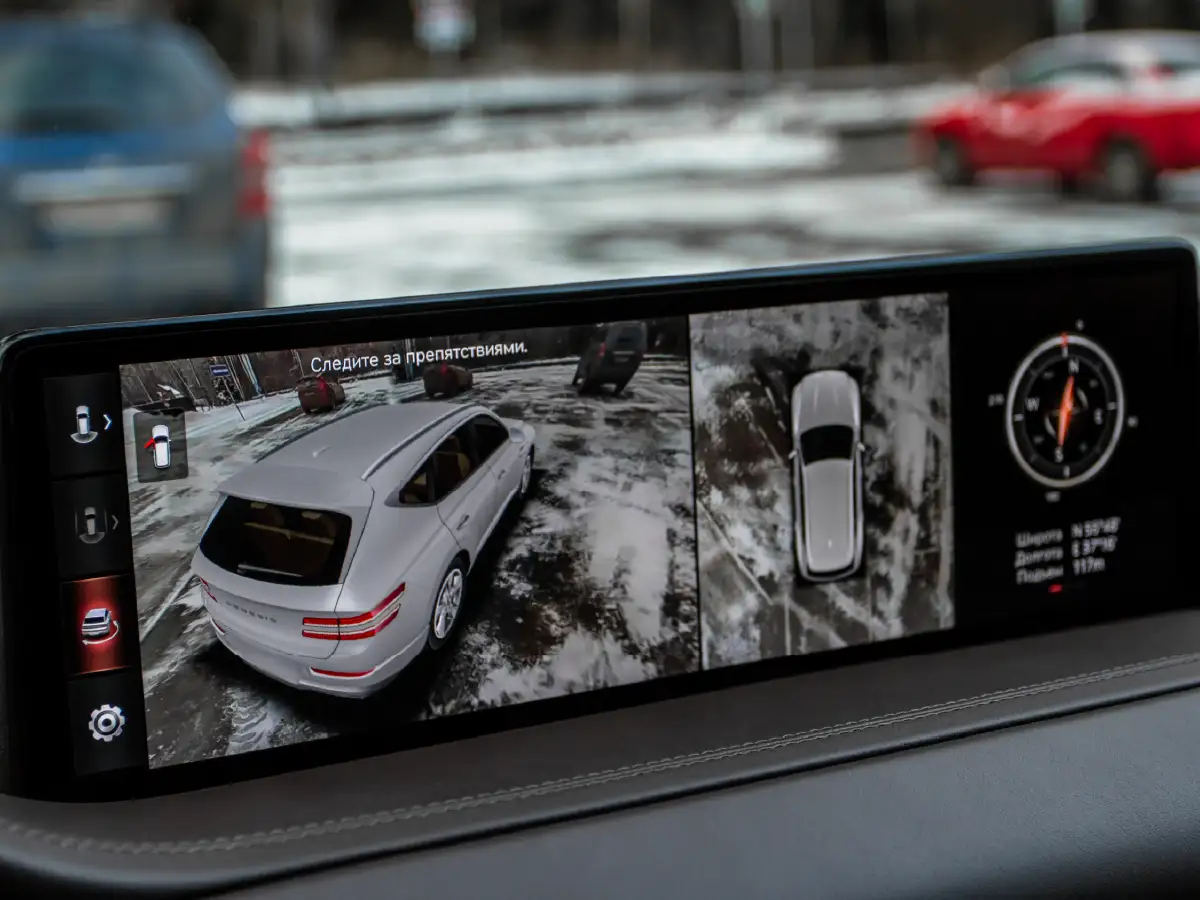
The basics of a bird’s eye view camera revolve around creating a clear, 360-degree image around a vehicle. This system helps drivers see their surroundings from above. It improves safety and makes parking easier. The camera combines images from several small cameras placed around the car. These images form a single top-down view.
Key Components
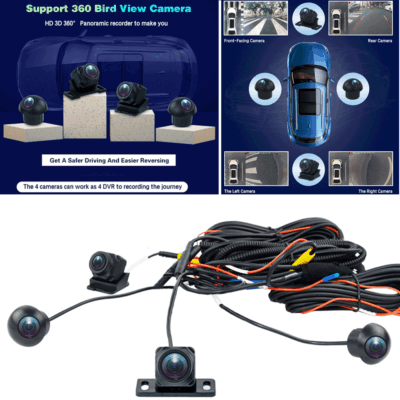
- Multiple wide-angle cameras placed on the front, rear, and sides of the vehicle
- A central processing unit that stitches images together
- A display screen inside the vehicle showing the combined view
- Software that corrects image distortion and aligns the views
How It Captures Surroundings
Each camera captures a wide area around the vehicle. The cameras use fisheye lenses to cover blind spots. The system sends these images to the processor. The processor then combines the images into one seamless, bird’s eye view. This stitched image shows the car’s position and nearby objects clearly. The result is a useful, real-time overhead view.
Credit: www.cars24.com
Technology Behind The System
The technology behind the Birds Eye View camera system is a blend of precise hardware placement and advanced software processing. It creates a seamless 360-degree image that helps you see your vehicle’s surroundings clearly. Understanding how each part works gives you a better appreciation of this innovative safety tool.
Camera Placement And Types
Birds Eye View systems use multiple cameras placed strategically around your vehicle. Typically, you’ll find one on the front grille, one at the rear, and one under each side mirror. These cameras capture wide-angle views to cover every blind spot.
Most systems use fisheye or ultra-wide-angle lenses. These lenses capture a broad field of vision but create distorted images. The key is to position them so their views overlap, allowing the system to merge these distorted images into a clear whole.
Image Stitching Techniques
Image stitching is the magic that turns multiple camera feeds into one continuous view. The system identifies overlapping areas from each camera and blends them smoothly. This prevents visible seams or mismatched edges in the final display.
Advanced stitching uses algorithms that adjust for differences in lighting and perspective. It’s like piecing together a puzzle where every piece must fit perfectly, even if taken from different angles. Have you ever noticed how some stitched images look warped? The best systems fix this by constantly recalibrating the image alignment.
Real-time Processing
Real-time processing is crucial for the Birds Eye View to be useful while driving. The system continuously receives video feeds and processes them instantly. This means you see an updated, live image without lag.
To achieve this, the system uses powerful processors that handle complex calculations quickly. Any delay could compromise safety, so speed and accuracy are top priorities. Think about how frustrating it would be if the image froze just as you were about to park—real-time processing prevents that.
Benefits For Drivers
Understanding how a Birds Eye View Camera works reveals clear benefits for drivers. This technology offers a fresh perspective of your vehicle’s surroundings, making everyday driving tasks easier and safer. Let’s explore how it helps you park better, stay safer, and see what you might miss with traditional mirrors.
Enhanced Parking Assistance
Parking can be stressful, especially in tight spots. The Birds Eye View Camera gives you a complete 360-degree view around your car, helping you judge distances more accurately. It’s like having an extra set of eyes that show you where obstacles are, so you can park confidently without worrying about bumps or scrapes.
Imagine trying to parallel park on a busy street. Instead of guessing, you can see the exact position of your car relative to the curb and other vehicles. This reduces the time spent adjusting and the chances of making costly mistakes.
Improved Safety
Safety is a top priority when driving, and the Birds Eye View Camera supports this by revealing blind spots and potential hazards instantly. It alerts you to pedestrians, cyclists, or small objects that might not be visible through mirrors or windows. This extra layer of awareness can prevent accidents and protect everyone on the road.
Think about backing out of a driveway with kids playing nearby. The camera system gives you peace of mind, showing you what’s happening behind and around your vehicle. This can be a game changer in avoiding dangerous situations.
Reduced Blind Spots
Traditional side and rearview mirrors leave blind spots that can hide other vehicles or obstacles. The Birds Eye View Camera stitches images from multiple cameras to create a seamless bird’s eye image, eliminating these hidden areas. This means fewer surprises and better decision-making while driving.
Have you ever switched lanes only to spot a car last minute in your blind spot? With this camera system, you can check your surroundings more comprehensively before moving. It’s an easy way to boost your confidence and reduce risky maneuvers.
Installation And Compatibility
Installing a Birds Eye View Camera system is a key step in enhancing your vehicle’s safety and convenience. Understanding compatibility helps you avoid costly mistakes and ensures the system works seamlessly with your car. Let’s break down the differences between factory and aftermarket systems and what your vehicle needs to support this technology.
Factory Vs Aftermarket Systems
Factory systems come pre-installed by the vehicle manufacturer. They often integrate perfectly with your car’s existing display and controls, offering a clean and reliable experience. If you’ve ever driven a luxury car with a flawless 360-degree view, that’s usually a factory-installed system at work.
Aftermarket systems, on the other hand, are added later. They provide flexibility since you can choose them for almost any vehicle, but installation can be tricky. Wiring, camera placement, and syncing with your dashboard display may require professional help. Have you ever struggled with a gadget installation that seemed simple but ended up complicated? That’s common with aftermarket cameras.
- Factory systems: Seamless integration, higher cost, limited to newer models.
- Aftermarket systems: More affordable, wider compatibility, may need professional installation.
Vehicle Requirements
Not every vehicle is ready for a Birds Eye View Camera system. Your car needs specific features to support the cameras and display unit. Most systems require:
- Space to mount multiple cameras around the vehicle
- A compatible display screen, often integrated into the dashboard
- A power source and wiring access for cameras and control units
Older cars might lack a built-in screen, making installation more complex or requiring additional hardware. It’s worth checking if your vehicle’s software can process the video feed smoothly. Have you checked your car’s manual or consulted with a professional to confirm compatibility before making a purchase? Knowing this upfront saves time and frustration.
Limitations And Challenges
Birds Eye View cameras offer a unique and helpful perspective, but they come with their own set of limitations and challenges. Understanding these can help you use them more effectively and avoid surprises while driving or parking. Let’s dig into some common issues you might face.
Image Distortion Issues
Because Birds Eye View cameras stitch together images from multiple cameras, distortion can occur around the edges. This can make objects look warped or stretched, which might confuse your sense of distance.
You may notice that curbs, poles, or even other vehicles appear bent or skewed. This happens because each camera has a different angle, and the software has to blend these images into one seamless view.
Ask yourself: How comfortable are you relying on a slightly distorted image for precise parking? Sometimes, trusting your mirrors or turning your head is still necessary to avoid mishaps.
Weather And Lighting Effects
Weather conditions like rain, fog, or snow can drastically reduce the clarity of the camera’s view. Water droplets on the lens often blur the image, making it hard to see small obstacles.
Harsh lighting, such as direct sunlight or low-light conditions at night, also affects image quality. Glare or shadows can hide important details, reducing the system’s effectiveness when you need it most.
Consider how often you drive in tricky weather or lighting. Would you rely solely on the Birds Eye View camera, or combine it with other safety measures? Taking extra caution can prevent accidents.
Credit: www.ebay.ca
Future Innovations
Bird’s eye view cameras use multiple cameras around a vehicle to create a single, top-down image. This helps drivers see all sides clearly, making parking and driving safer. The system stitches video feeds together in real-time for a full surround view.
Future innovations in bird’s eye view camera technology promise exciting advancements. These developments aim to enhance safety and efficiency in driving. Let’s explore how these innovations will reshape our driving experience.Integration With Autonomous Driving
Bird’s eye view cameras will play a key role in autonomous vehicles. They help cars navigate complex environments safely. By providing a comprehensive view, these cameras ensure precise decision-making. Autonomous systems rely on real-time data for smooth operation. Bird’s eye view cameras deliver this crucial information. They enable cars to understand their surroundings better.Advanced Sensors And Ai
Advanced sensors will enhance the capabilities of bird’s eye view cameras. These sensors can detect obstacles and moving objects with greater accuracy. AI algorithms will process this data quickly. This ensures rapid response to potential hazards. AI will also help in learning driving patterns. It will adapt to different driving conditions seamlessly. This combination of sensors and AI will make driving safer for everyone.Tips For Maximizing Use
Bird’s Eye View Cameras offer a comprehensive view around your vehicle. Maximizing their use enhances safety and driving efficiency. Follow these tips for getting the most out of your camera system.
Regular Maintenance
Keep your camera lenses clean for clear images. Dirt and dust can obscure the view. Regularly wipe lenses with a soft cloth. Check for any scratches or cracks that might affect clarity. Ensure the camera housing is secure and undamaged. Loose fittings can lead to inaccurate views. Update the system software as needed. Updates can improve performance and fix bugs.
Understanding Display Indicators
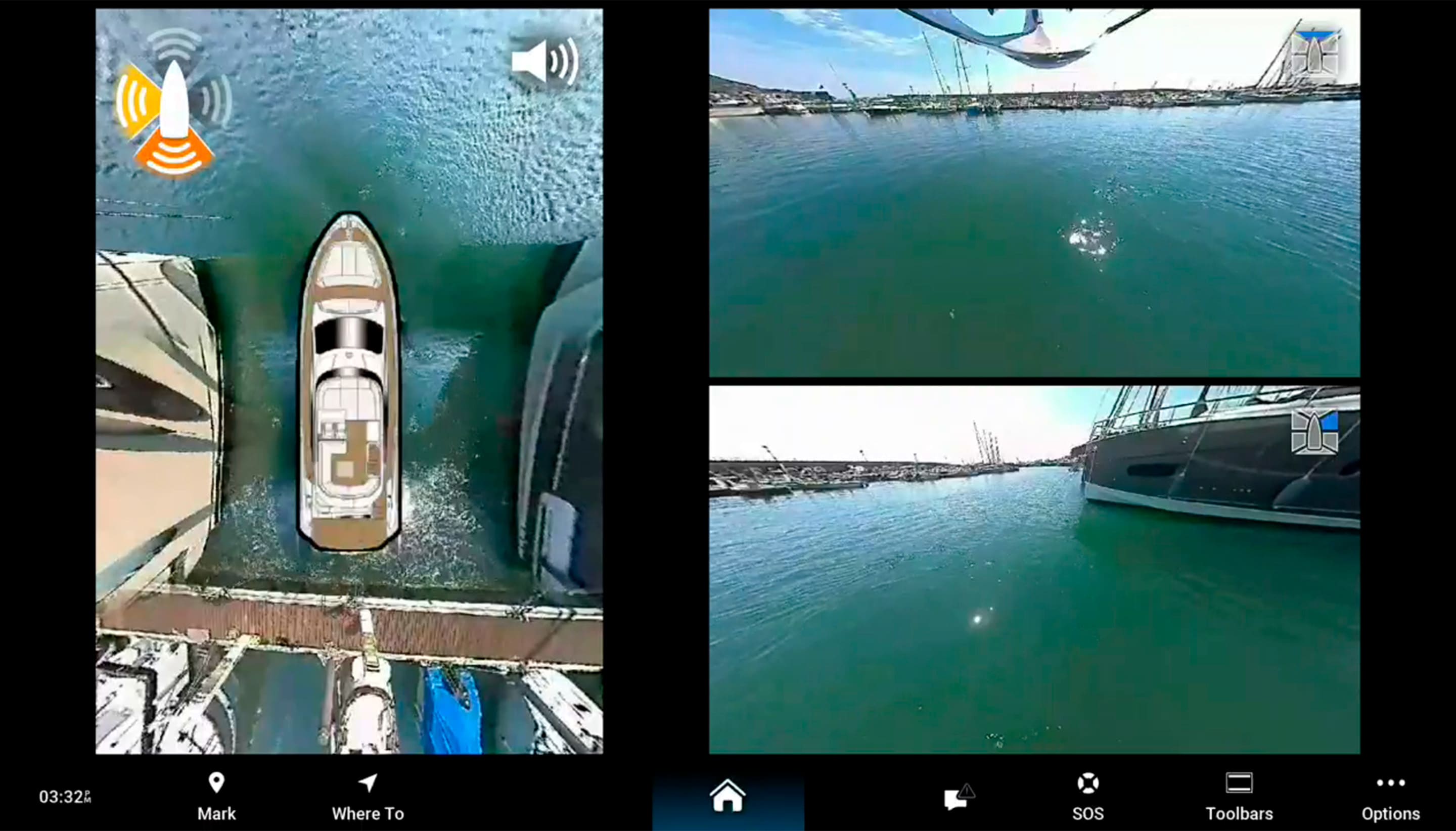
Learn the meanings of display indicators. Each symbol provides specific information. Green lines often show safe zones for parking. Red lines indicate potential obstacles. Familiarize yourself with these color codes. Adjust your driving based on the indicators shown. Pay attention to any alerts or warnings. They signal important conditions or hazards. Understanding these indicators helps in making informed decisions.
Credit: www.garmin.com
Frequently Asked Questions
What Is A Birds Eye View Camera System?
A Birds Eye View Camera system provides a 360-degree image around a vehicle. It uses multiple cameras placed on the car’s front, rear, and sides. The system stitches these images to create a bird’s-eye view. This helps drivers park and maneuver safely in tight spaces.
How Does A Birds Eye View Camera Work?
The system collects video feeds from several cameras. It processes and combines these feeds using software algorithms. The result is a seamless top-down view displayed on the car’s screen. This helps drivers see obstacles and surroundings clearly.
What Are The Benefits Of Birds Eye View Cameras?
Birds Eye View Cameras improve parking accuracy and reduce blind spots. They enhance driver awareness and prevent collisions. The system also boosts confidence during complex maneuvers. Overall, it increases safety for drivers and pedestrians.
Can Birds Eye View Cameras Work In Low Light?
Yes, many Birds Eye View Cameras use infrared or night vision technology. This allows them to capture clear images even in low light conditions. The system ensures visibility during nighttime or in poorly lit areas.
Conclusion
Birds Eye View cameras help drivers see all around their vehicle. They combine images from multiple cameras to create one clear picture. This view makes parking and turning easier and safer. Many modern cars now include this helpful tool. Understanding how it works can improve your driving experience.
It shows what you might miss with mirrors alone. Using this camera, you can avoid obstacles and accidents. It adds confidence to your driving skills. Simple technology with big benefits for everyday driving.




