
Are you ready to take your bird watching experience to the next level? Choosing the right binoculars can make all the difference between spotting a rare bird and missing it completely.
But with so many options out there, how do you know what strength of binoculars is best for your needs? You’ll discover exactly what to look for to see birds clearly and comfortably, no matter where you are. Keep reading, and soon you’ll know how to pick the perfect binoculars that bring every feathered friend into sharp focus.
:max_bytes(150000):strip_icc()/tal-opticron-oregon-4-pc-oasis-8x42-binocular-kathryn-braet-5-92012e7d06b945acbff37493422bab6a.jpeg)
Credit: www.travelandleisure.com
Choosing Magnification
Choosing the right magnification for bird watching binoculars is key to a great experience. The magnification affects how close and clear birds appear. It also impacts how steady your view stays. Picking the correct strength helps you enjoy bird details without strain or blur.
Benefits Of Low Magnification
Low magnification, like 6x or 8x, offers a wider field of view. This helps you spot birds easily, especially when they move fast or hide in trees. The image stays bright and clear. Low magnification is easier to hold steady without a tripod. It reduces eye strain during long bird watching sessions.
When To Use High Magnification
High magnification, such as 10x or 12x, brings distant birds closer. It shows fine details like feather patterns and eye color. Use high magnification when birds are far away and still. It works well in open areas like fields or lakes. Keep in mind, high magnification narrows your view and can make the image shaky.
Balancing Magnification And Stability
Higher magnification increases image shake from hand movement. Stability matters for clear bird views. Choose magnification that matches your ability to hold binoculars steady. Consider using a tripod for very high powers. A balance between magnification and comfort gives the best bird watching results.
Importance Of Objective Lens Size
The objective lens size plays a key role in bird watching binoculars. It affects how much light the binoculars can collect. This directly impacts the brightness and clarity of the image. A larger objective lens lets in more light, making it easier to see details in low light conditions. Choosing the right size helps you enjoy clear views during early mornings or late evenings. It also influences the binoculars’ weight and size, which matters for long bird watching trips.
Impact On Brightness And Clarity
The objective lens size controls the amount of light entering the binoculars. Bigger lenses gather more light and provide brighter images. Bright images show bird colors and shapes more clearly. Small lenses may produce darker or less sharp images in dim light. Clear images help identify birds quickly and accurately. Lens size also affects how sharp the edges of the image appear. A suitable lens size balances brightness and sharpness for the best view.
Ideal Sizes For Different Conditions
- 8×42 binoculars:Perfect for most bird watchers. They offer good brightness and a wide view.
- 10×42 binoculars:Provide more detail with slightly higher magnification but may be less bright.
- 8×32 binoculars:Lightweight and easy to carry, ideal for bright daylight conditions.
- 10×50 binoculars:Great for low light or dawn bird watching, but heavier to carry.
Choosing the right objective lens size depends on where and when you watch birds. Larger lenses help in dim light but add weight. Smaller lenses suit bright conditions and long walks. Balance your needs for brightness, clarity, and comfort to enjoy bird watching fully.
Field Of View Considerations
Field of view is a key factor in choosing binoculars for bird watching. It determines how much area you can see through the lenses. A wider field of view helps spot birds easily and follow their movement. A narrow field of view offers more detail but less coverage. Understanding these differences will improve your bird watching experience.
Wide Vs Narrow View
Wide field of view binoculars show a larger area at once. This helps find birds quickly in open spaces. The view feels more natural and less zoomed in. Bird watchers who move a lot prefer wide views.
Narrow field of view binoculars show a smaller part of the scene. They zoom in more, giving detailed views of birds far away. These are useful for watching birds that stay still or perch high in trees.
Effect On Tracking Birds
Tracking flying birds is easier with a wide field of view. It lets you follow fast movements without losing sight. Narrow views can make tracking harder because the image moves out quickly.
Wide views reduce the need to adjust the binoculars often. This helps keep the bird in focus longer. Narrow views require more precise handling and quick adjustments.
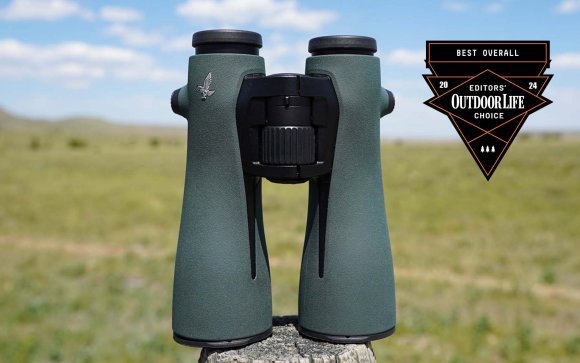
Credit: www.outdoorlife.com
Weight And Portability
Weight and portability are key factors for bird watchers. Heavy binoculars can tire your arms quickly. Lightweight models make long walks easier. Easy-to-carry binoculars encourage more time outdoors and better bird spotting.
Carrying Comfort
Choose binoculars that feel light on your hands. Look for models with padded straps or harnesses. These reduce neck strain during long birding trips. Compact designs fit easily in backpacks or pockets. Comfort helps you stay focused on the birds, not the gear.
Durability In The Field
Bird watching often happens in rough environments. Durable binoculars resist water, dust, and drops. Rubber coatings add grip and protection. Tough models last longer and handle outdoor challenges. You want binoculars that work well, no matter the weather or terrain.
Additional Features To Look For
Choosing the right strength of binoculars is just one part of enjoying bird watching to the fullest. To truly enhance your experience, you need to consider additional features that improve clarity, comfort, and durability. These features can make a noticeable difference, especially when you’re out in varying weather or observing for long hours.
Waterproof And Fogproof
Bird watching often means being outdoors, sometimes in unpredictable weather. Waterproof binoculars protect your gear from rain, splashes, and even accidental drops in water. Fogproof models are filled with nitrogen or argon gas to prevent internal fogging, which keeps your view clear during temperature changes.
Imagine spotting a rare bird on a misty morning and not missing a detail because your binoculars fogged up. Wouldn’t you want that peace of mind?
Lens Coatings
Lens coatings improve light transmission and reduce glare, which enhances image brightness and sharpness. Look for binoculars with fully multi-coated lenses as they provide the best clarity and color accuracy. This is especially helpful during dawn or dusk when lighting conditions are low.
Have you ever struggled to see a bird clearly because your binoculars produced dull or hazy images? Quality coatings can change that experience entirely.
Eye Relief For Glasses Wearers
If you wear glasses, eye relief is a crucial factor. It refers to the distance you can hold the binoculars from your eyes and still see the full field of view. Binoculars with long eye relief (usually 15mm or more) let you use them comfortably without removing your glasses.
Think about how frustrating it is to constantly take off your glasses to focus on a bird. Choosing the right eye relief can save you from this hassle and keep your focus where it belongs—on the birds.
:max_bytes(150000):strip_icc()/tal-athlon-optics-8x42-midas-uhd-binoculars-signe-bamsey-ben-wanamaker-09-1-8caa644274c046f78e4cc47a08bb9750.jpeg)
Credit: www.travelandleisure.com
Top Binocular Models For Bird Watching
Choosing the right binocular strength is key for bird watching. Binoculars with an 8x to 10x magnification are ideal. They offer a good balance of field view and image stability, perfect for capturing detailed views of birds in their natural habitat.
Bird watching is a peaceful and rewarding hobby. The right binoculars can enhance your experience. Choosing the best binoculars depends on your budget and needs. Let’s explore some top models in different price ranges.Budget-friendly Options
For beginners or those on a budget, quality still matters. Consider these affordable binoculars:- Bushnell Falcon 10×50:Known for clear images and a durable design. Offers a comfortable grip and easy focus.
- Nikon Aculon A211 8×42:Provides sharp images with a wide field of view. Lightweight and easy to carry.
Mid-range Choices
Mid-range binoculars offer better optics and features. Ideal for regular bird watchers.- Vortex Diamondback HD 8×42:Delivers excellent clarity and color accuracy. Waterproof and fog-proof for all-weather use.
- Canon 12×36 IS III:Features image stabilization for steady viewing. Offers crisp images even at high magnification.
Premium Picks
For enthusiasts seeking top-notch performance, premium binoculars are the best choice.- Swarovski EL 8.5×42:Renowned for its brilliant optics and ergonomic design. Offers outstanding brightness and edge-to-edge clarity.
- Zeiss Victory SF 10×42:Combines superior optics with a lightweight design. Provides a wide field of view and excellent depth perception.
Frequently Asked Questions
What Binocular Strength Is Ideal For Bird Watching?
A 8×42 binocular is ideal for bird watching. It offers clear views and a wide field of vision, making it easier to spot birds in detail.
Why Choose 8×42 Binoculars For Bird Watching?
8×42 binoculars provide a good balance of magnification and brightness. They offer stable images and work well in various light conditions.
Can Higher Magnification Binoculars Improve Bird Watching?
Higher magnification can increase detail but may reduce stability. It often narrows the field of view, making birds harder to track.
How Does Binocular Strength Affect Bird Watching Experience?
Stronger magnification can make images shaky and tiring to hold. Moderate strength binoculars provide comfort and clear images for extended viewing.
Conclusion
Choosing the right binocular strength makes bird watching more fun. A good pair shows clear and bright images without being heavy. Think about where you will watch birds most. Smaller binoculars suit easy trips. Bigger ones work well for distant birds.
Comfort matters, too. Try different options before buying. Enjoy every moment spotting birds with the best binoculars for you. Happy bird watching!




