
When you’re out in nature, nothing beats the thrill of spotting a beautiful bird up close. But to truly enjoy bird watching, you need the right binoculars.
Choosing the perfect pair can be confusing with so many options available. You want binoculars that bring every feather and color into sharp focus without weighing you down. In this guide, you’ll discover exactly what kind of binoculars will make your bird watching experience clearer, easier, and more enjoyable.
Keep reading to find the binoculars that fit your needs perfectly and help you connect with nature like never before.
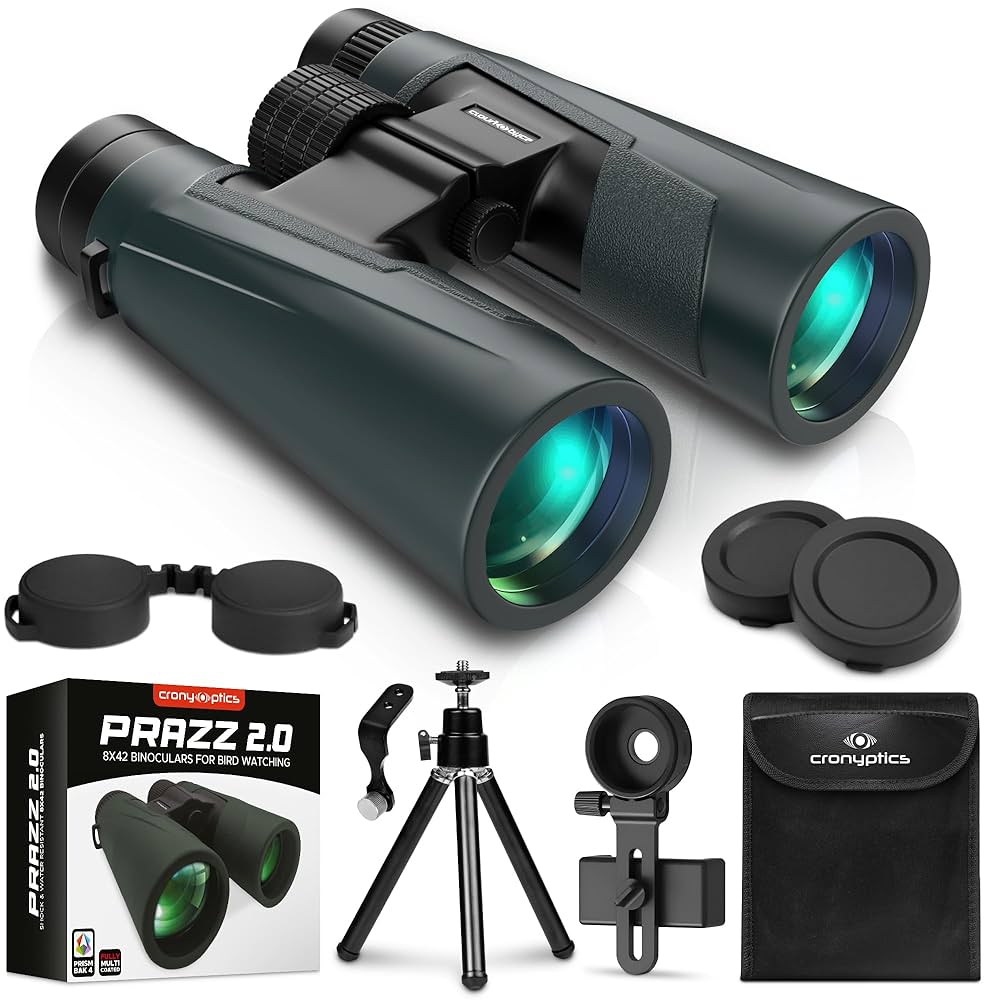
Credit: www.amazon.com
Choosing The Right Magnification
Choosing the right magnification for your bird watching binoculars can make a huge difference in your experience. Too much magnification can make your view shaky, while too little might leave you wanting more detail. Finding the perfect balance helps you enjoy clear, stable views of birds without frustration.
Balancing Magnification And Stability
Higher magnification brings birds closer, but it also amplifies hand movements, making the image shaky. If you’ve ever tried to spot a small bird with powerful binoculars, you know how frustrating it can be when the view jitters constantly.
Choosing a moderate magnification, like 8x or 10x, often strikes the right balance. These options provide enough zoom to see details without causing too much shake. If you want higher magnification, consider using a tripod or image-stabilized binoculars to keep your view steady.
Common Magnification Ranges For Birding
- 6x to 8x:Great for beginners and those who want a wider field of view. These binoculars are lighter and easier to hold steady, perfect for scanning habitats.
- 8x to 10x:The most popular choice among bird watchers. You get a good mix of detail and stability, suitable for most birding situations.
- 12x and above:Ideal for spotting birds at a distance but can be challenging to hold steady without support. Consider these if you often watch from a fixed location.
What kind of birding do you plan to do most? Think about whether you’ll be moving a lot or staying still. This can help you decide which magnification suits your style best.
Lens Diameter And Light Gathering
The lens diameter plays a key role in bird watching binoculars. It controls how much light the binoculars gather. More light means a clearer and brighter image. Choosing the right lens size depends on the bird watching conditions. Brightness helps see details, especially in low light or dense forests.
Understanding lens diameter helps pick binoculars that perform well in different settings. The size affects weight and ease of use too. Bigger lenses give better images but can be heavier. Smaller lenses are lighter but may struggle in dim light.
Impact Of Lens Size On Brightness
The lens diameter is the front part of the binoculars. It lets light enter the device. A larger lens collects more light. This produces a brighter and sharper image.
In bird watching, brightness reveals colors and details of birds. Small lenses (20-30 mm) work well in bright daylight. Large lenses (40-50 mm) perform better at dawn or dusk.
Brightness depends on the lens size squared. For example, a 40 mm lens gathers four times more light than a 20 mm lens. This difference matters in low light.
Ideal Lens Sizes For Different Lighting
- Bright daylight:25-30 mm lenses are enough for clear views.
- Overcast or shaded areas:32-40 mm lenses improve brightness and detail.
- Dawn, dusk, or dense forests:42-50 mm lenses gather more light for better images.
Choosing the right size depends on the environment and how long you watch birds. Bigger lenses can be heavier, so consider balance between brightness and comfort.
Field Of View Importance
The field of view (FOV) is a key factor in choosing binoculars for bird watching. It determines how much of the landscape you can see through the lenses. A wider field of view helps spot birds faster and track them easily. Narrow fields focus on small details but limit the visible area. Understanding FOV helps pick binoculars that suit your birding style.
Wide Vs Narrow Field Of View
A wide field of view shows more area at once. It lets you scan broad spaces like forests or open fields. This view is helpful for beginners or when birds move quickly. Narrow fields of view zoom in more but show less of the surroundings. They work well for detailed observation of distant birds but make it harder to find them.
Finding Birds Quickly With Wide Views
Birds often move fast and hide in thick trees or bushes. Wide views help spot birds without moving the binoculars much. You can see more birds in one glance. This saves time and reduces frustration while searching. Wide field binoculars are useful during migration or in busy bird habitats. They let you enjoy more sightings and better experiences.

Credit: www.amazon.ca
Optical Quality And Coatings
Optical quality and coatings play a crucial role in your bird-watching experience. They affect how bright, clear, and true-to-life the images appear through your binoculars. Choosing binoculars with the right optical features can make spotting even the smallest details on a distant bird easier and more enjoyable.
Types Of Lens Coatings
Lens coatings reduce light reflection and improve image brightness. There are several types you should know about:
- Coated:A single layer of anti-reflective coating on at least one lens surface. Basic but better than no coating.
- Fully Coated:Every air-to-glass surface has a single anti-reflective coating, enhancing light transmission.
- Multi-Coated:Multiple layers on at least one lens surface, significantly boosting brightness and contrast.
- Fully Multi-Coated:All air-to-glass surfaces have multiple layers of coatings. This is the best for clear, bright images.
Think about how often you watch birds in low light, like early morning or late afternoon. Fully multi-coated lenses can make those moments much clearer.
Reducing Glare And Enhancing Clarity
Glare can ruin a perfect bird-watching moment. Coatings help minimize this by cutting down reflections that cause distracting light spots.
Besides coatings, binoculars with quality prisms and good glass material also enhance clarity. BAK-4 prisms, for example, deliver sharper edges and better light transmission than BK-7 prisms.
Ask yourself: do you want crisp details and vibrant colors or are you okay with dimmer, less sharp images? Investing in good coatings and optics means you won’t miss the subtle color shifts or fine feather patterns that make bird watching exciting.
Binocular Design And Comfort
Bird watching is a delightful hobby that connects us to nature. Choosing the right binoculars enhances this experience. The design and comfort of binoculars play a crucial role. They can make or break your birding adventures. Let’s explore the key aspects of binocular design and comfort.
Compact Vs Full-size Models
Compact binoculars are small and lightweight. They fit easily in a backpack. Ideal for casual bird watchers or those who travel light. Full-size models offer a wider field of view. They are perfect for dedicated birders. Their larger lenses gather more light. This improves visibility in low-light conditions.
Weight Considerations For Long Use
Weight is a crucial factor for prolonged use. Lighter binoculars reduce strain on your neck and arms. This allows for longer bird watching sessions without discomfort. Heavier models may offer better optics. But they can cause fatigue over extended periods. Choose a weight that balances comfort and functionality.
Weatherproofing And Durability
Binoculars with weatherproofing protect against rain, fog, and dust, ensuring clear views in all conditions. Durable models last longer and handle rough outdoor use during bird watching.
Weatherproofing and durability are crucial for bird watching binoculars. You need tools that withstand nature’s challenges. Whether facing rain, fog, or dust, your binoculars should endure. This ensures a clear view, no matter the weather. Let’s explore essential features for reliable binoculars.Waterproof And Fogproof Features
Waterproof binoculars protect against rain and splashes. They offer peace of mind during unexpected weather changes. Look for O-ring seals for maximum protection. This prevents water from entering the internal components. Fogproof binoculars maintain clarity in humid conditions. They use nitrogen or argon gas purging. This eliminates fogging on internal lenses. It’s vital for consistent viewing, even in misty environments.Material Choices For Rugged Use
Binoculars must endure rough terrains and accidental drops. Consider durable materials like rubber armor. It provides a non-slip grip and shock absorption. Magnesium or aluminum alloy bodies are lightweight yet strong. They resist rust and withstand harsh conditions. These materials ensure longevity and reliability. Choose wisely to enjoy bird watching in all environments.Additional Features To Consider
Choosing the right binoculars involves more than just magnification and lens size. Some extra features can make bird watching easier and more comfortable. These details matter, especially during long sessions outdoors.
Eye Relief For Glasses Wearers
Eye relief is the distance between your eye and the binocular lens. Glasses wearers need longer eye relief to see the full image. Short eye relief can cause dark edges or a narrow view. Look for binoculars with at least 15mm of eye relief. This ensures clear vision without removing your glasses. Comfortable viewing protects your eyes from strain over time.
Focus Mechanisms And Ease Of Use
Focus controls should be smooth and simple. Fast focusing helps when birds move quickly. Central focus wheels are common and easy to adjust with one hand. Some models have individual eyepiece focus for fine-tuning. Choose binoculars with a focus system that feels natural. This lets you enjoy bird watching without hassle or delay.

Credit: www.ebay.ca
Budget And Brand Recommendations
Choosing the right binoculars for bird watching depends on your budget and preferred brands. There are many options available that balance price with quality. Knowing which brands offer reliable performance helps you make a smart choice. This section explores affordable options and trusted brands to guide your decision.
Affordable Options With Good Performance
Good binoculars do not always mean expensive. Several budget-friendly models deliver clear images and decent magnification. These options suit beginners and casual bird watchers. Look for features like 8x to 10x magnification and a wide field of view. Waterproof and fog-proof models add value without raising the price too much.
- Compact size for easy carrying
- Multi-coated lenses for better light transmission
- Durable body with rubber armor
- Close focus for viewing nearby birds
Brands offering affordable yet solid binoculars include Nikon, Bushnell, and Celestron. These brands often provide great warranty and customer support.
Top Brands For Bird Watching Binoculars
Some brands stand out for consistent quality and innovation in bird watching optics. They offer clear, sharp images and comfortable use. These brands invest in lens technology and ergonomic design. Many birders trust them for long-term use.
| Brand | Key Features | Price Range |
|---|---|---|
| Zeiss | Exceptional clarity, rugged build, excellent color fidelity | High |
| Vortex | Good optics, lifetime warranty, affordable mid-range | Mid to High |
| Swarovski | Premium glass, ultra-sharp images, lightweight design | Very High |
| Nikon | Reliable optics, wide selection, budget-friendly options | Low to Mid |
Choosing a brand depends on your budget and how often you plan to bird watch. Investing in a trusted brand often means better durability and image quality.
Frequently Asked Questions
What Magnification Is Best For Bird Watching Binoculars?
A 8x to 10x magnification is ideal for bird watching. It offers clear, stable views and a wide field of vision, making it easier to track birds in motion and spot details without excessive shake.
Which Binocular Size Suits Beginner Bird Watchers?
Compact 8×42 binoculars are perfect for beginners. They balance magnification, brightness, and weight, providing clear images and easy handling, which is essential for long bird watching sessions.
Are Waterproof Binoculars Necessary For Bird Watching?
Yes, waterproof binoculars are essential. They protect your optics from rain, fog, and moisture, ensuring durability and clear views during outdoor bird watching in various weather conditions.
How Important Is Lens Coating In Bird Watching Binoculars?
Lens coating is crucial. It reduces glare, improves light transmission, and enhances image brightness and contrast, allowing clearer and sharper views of birds, especially in low light.
Conclusion
Choosing the right binoculars makes bird watching more fun and clear. Focus on size, weight, and lens quality for the best view. Comfort matters during long watching hours. Remember, good binoculars help you see birds closer and in detail. Take your time to pick one that fits your needs.
Happy bird watching!




