
Are you thinking about getting 10×25 binoculars for bird watching but aren’t sure if they’ll meet your needs? Choosing the right binoculars can make all the difference when spotting colorful birds in the wild.
You want clear views, easy handling, and the perfect balance between zoom and brightness. This article will help you discover whether 10×25 binoculars are a smart choice for your bird watching adventures—and what to watch out for before making your purchase.
Keep reading to find out if these compact optics are the right fit for your next nature outing!
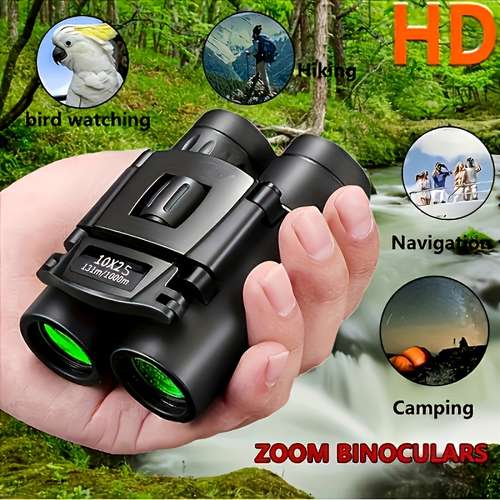
Credit: www.johnbyronkuhner.com
Binoculars Basics
Understanding the basics of binoculars can make a huge difference in your bird watching experience. Before deciding if 10×25 binoculars are right for you, it’s important to know what those numbers mean and which features really matter. This knowledge helps you choose binoculars that suit your needs and improve your time outdoors.
What Does 10×25 Mean
The “10×25” on binoculars tells you two key things: magnification and lens size. The first number, 10x, means the binoculars magnify objects ten times closer than the naked eye. This level of magnification can bring distant birds sharply into view, but it might also make your hands shake more noticeable if you don’t have a steady grip.
The second number, 25, refers to the diameter of the objective lenses (the big lenses at the front) in millimeters. A 25mm lens is on the smaller side, which means the binoculars are lightweight and easy to carry. However, smaller lenses may let in less light, affecting performance in low-light conditions like dawn or dusk.
Key Features To Consider
When choosing binoculars, focus on features that impact your comfort and viewing quality. Here are some essentials to keep in mind:
- Field of View:A wider field lets you track birds more easily, especially those that move quickly.
- Eye Relief:Important if you wear glasses. Longer eye relief means you can see the full image without straining.
- Weight and Size:You’ll carry your binoculars for hours, so lighter models reduce fatigue.
- Lens Coating:Coated lenses improve brightness and clarity by reducing glare.
- Durability:Weather-resistant or waterproof models stand up better to outdoor conditions.
When I first used 10×25 binoculars, I appreciated their light weight during long hikes. But I noticed they struggled a bit in cloudy conditions, making me wish for larger lenses. Think about where and when you’ll use your binoculars most to pick the right balance of features for your bird watching adventures.

Credit: www.amazon.ca
Advantages For Bird Watching
Choosing the right binoculars can make a big difference in your bird watching experience. The 10×25 binoculars offer distinct advantages that cater well to both beginners and seasoned birders. Understanding these benefits can help you decide if they fit your bird watching needs.
Portability And Weight
10×25 binoculars are typically lightweight and compact. This makes them easy to carry during long walks or hikes in search of birds.
You won’t feel weighed down, which means you can keep them handy for spontaneous bird sightings. I once took a pair on a day hike and appreciated how light they were, allowing me to focus on spotting birds rather than lugging heavy gear.
Magnification And Clarity
The 10x magnification brings birds closer without causing too much image shake. This level of zoom strikes a good balance between detail and stability.
The 25mm objective lenses collect enough light for clear, bright images in daylight. You’ll see feathers, colors, and movements more distinctly, which can greatly enhance your bird identification skills.
Field Of View Benefits
With 10×25 binoculars, you usually get a wider field of view compared to higher magnification models. This helps you quickly scan trees and bushes for moving birds.
Wider views reduce the chance of losing sight of fast-moving or distant birds. Have you noticed how frustrating it can be to lose track of a bird with narrow-view optics? These binoculars help prevent that.
Limitations Of 10×25 Binoculars
10×25 binoculars offer a compact and lightweight option for bird watching. Despite their convenience, they have some clear limitations. These can affect the viewing experience, especially in challenging conditions.
Low Light Performance
10×25 binoculars have smaller lenses. This limits the amount of light entering the binoculars. In low light, such as dawn or dusk, images can appear dim. Details may be harder to see clearly. This makes bird watching during early morning or late evening less effective.
Image Stability Challenges
With 10x magnification, holding binoculars steady is tough. Hand movements cause image shaking. This leads to blurred views and eye strain. Without image stabilization technology, steady hands are essential. Prolonged use may become tiring and reduce enjoyment.
Durability Concerns
Many 10×25 models are made for light use. They may not withstand rough outdoor conditions well. Exposure to moisture, dust, or impacts can damage them. For serious bird watchers, rugged and waterproof models are often better. Fragile binoculars risk malfunction during field trips.
Comparing With Other Binocular Sizes
Choosing the right binocular size can change your bird watching experience significantly. Comparing 10×25 binoculars with other common sizes helps you see what fits your needs best. Let’s break down how these sizes stack up and when you might want to go bigger or smaller.
10×42 Vs 10×25
10×42 binoculars offer a wider field of view and better light gathering thanks to their larger 42mm lenses. This makes them great for low-light conditions like dawn or dusk, or when you want brighter, clearer images.
On the other hand, 10×25 binoculars are much lighter and more compact. They fit easily in your pocket, making them perfect if you hike long distances or prefer something less bulky.
If you prioritize brightness and detail over portability, 10×42 might be your go-to. But if you want convenience and quick access, 10×25 can be surprisingly effective, especially in good lighting.
8×42 Vs 10×25
8×42 binoculars provide a lower magnification but a wider field of view compared to 10×25. This can make it easier to spot fast-moving birds or scan large areas without moving your binoculars much.
The wider view also helps beginners keep birds in sight, which reduces frustration. However, 8x42s are bulkier and heavier, which might tire your arms during long birding trips.
With 10×25, you get more zoom but at the cost of a narrower view. If you’re confident in steady hands and want to focus on distant birds, 10×25 could be your choice. If you prefer a balance of clarity and ease, 8×42 might serve you better.
When To Choose Larger Or Smaller
Think about your typical bird watching environment. Do you mostly watch in dense forests or open fields? Larger lenses (like 42mm) perform better in shady or low-light spots.
Consider how much gear you want to carry. If you hike or travel light, smaller binoculars like 10×25 are easier to handle.
Ask yourself: are you patient with holding steady or do you prefer quick snaps? Larger binoculars can be heavier and harder to keep steady, affecting your viewing comfort.
Choosing the right size depends on balancing brightness, field of view, weight, and your personal style. What matters most to you when you spot that rare bird?
Expert Tips For Using 10×25 Binoculars
Using 10X25 binoculars for bird watching can be a rewarding experience if you know how to get the most out of them. These compact devices require some fine-tuning and care to reveal the sharp, vibrant views you’re after. Let’s look at practical tips that will help you enjoy every bird sighting to its fullest.
Adjusting For Comfort
Comfort is key when you’re scanning the treetops or watching birds in flight. Start by adjusting the interpupillary distance—the space between the eyepieces—so the two circular images merge into one clear view. If the view feels strained, try changing the angle of the binoculars slightly or adjusting the eyecups to suit your eye shape.
Don’t forget the focus wheel. It might seem small, but precise focusing keeps details crisp. If you wear glasses, check if your binoculars have diopter adjustment; it compensates for differences between your eyes. Have you ever felt eye strain after a long watch? Small comfort tweaks like these can make a big difference.
Maximizing Image Quality
10X25 binoculars pack a punch, but their smaller lenses can limit light intake. To get the clearest image, try to observe in good lighting conditions, preferably during early morning or late afternoon. Holding the binoculars steady also matters—rest your elbows against your body or use a tripod adapter if you have one.
Keep the lenses clean but avoid wiping them roughly. Use a soft microfiber cloth and gentle lens cleaner for smudges. Also, avoid adjusting the zoom or focus too quickly; slow, smooth movements prevent blurry images. Have you noticed how even slight hand shakes can blur your view? That’s why steady holding is crucial.
Caring And Maintenance
Protecting your binoculars extends their life and performance. Always store them in a padded case when not in use to avoid dust and accidental damage. If you’re out in the rain, wipe them dry as soon as possible to prevent moisture buildup.
Check the screws and hinges occasionally to ensure they’re tight but not overly stiff. Avoid touching the lenses with your fingers; oils can damage coatings. How often do you clean your binoculars? Regular care keeps your 10X25s ready for the next birding adventure.
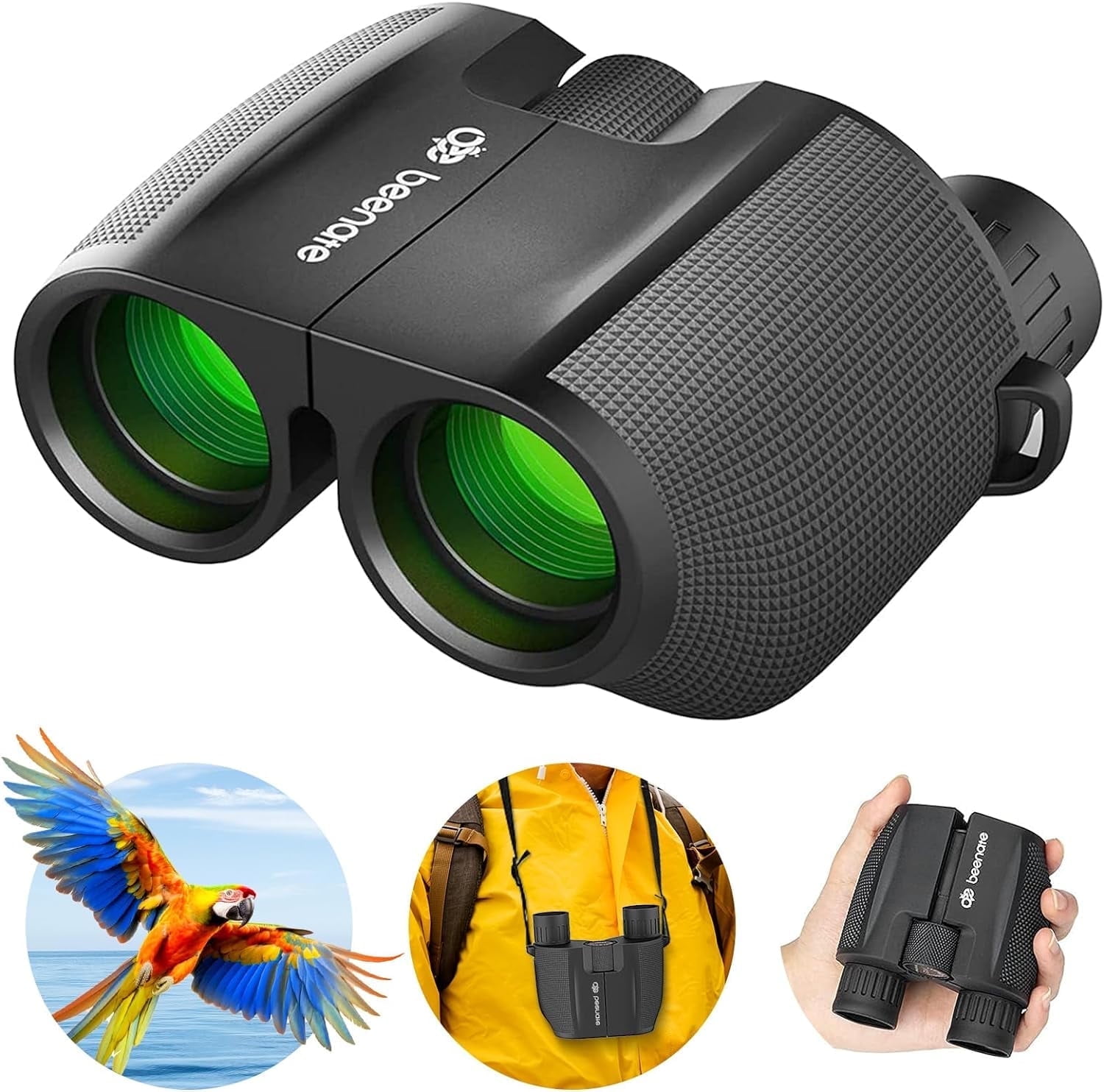
Credit: www.walmart.com
Top 10×25 Binoculars For Birding
Bird watching is a delightful hobby that connects us with nature. Finding the right binoculars enhances this experience. The 10X25 binoculars are compact yet powerful. They offer a great balance between magnification and size. Choosing the best can be tricky. Here, we explore some top 10X25 binoculars for birding enthusiasts.
Best Budget Picks
Many bird watchers want quality without breaking the bank. Budget binoculars can offer excellent value. They provide clear images and are lightweight. Brands like Nikon and Bushnell have affordable options. These binoculars are durable and user-friendly. Perfect for those new to birding or on a tight budget.
High-end Options
For seasoned birders, high-end binoculars offer superior performance. They deliver sharper images and better light transmission. Brands like Zeiss and Leica are renowned in this category. Their binoculars provide enhanced clarity and comfort. Ideal for serious bird watchers seeking the best experience.
User Reviews Summary
User reviews provide real-world insights into binocular performance. Many users praise the clarity of 10X25 models. They appreciate the compact design for easy carrying. Some mention the need for steady hands due to higher magnification. Overall, satisfaction is high among casual and serious birders alike.
Frequently Asked Questions
Are 10×25 Binoculars Suitable For Bird Watching?
Yes, 10X25 binoculars offer 10x magnification with a 25mm lens. They provide decent clarity and portability for casual bird watching.
What Are The Pros Of 10×25 Binoculars For Birding?
They are lightweight, compact, and easy to carry. Ideal for beginners or short birding trips needing moderate zoom.
Do 10×25 Binoculars Perform Well In Low Light?
With a smaller 25mm lens, they collect less light. Performance in dawn or dusk is limited compared to larger lenses.
Can 10×25 Binoculars Show Detailed Bird Features?
They provide good magnification but smaller lenses limit brightness. Details may be less sharp than with larger, higher-end models.
Conclusion
10×25 binoculars offer a good balance of size and zoom for bird watching. They are light and easy to carry on long walks. The 10x magnification helps you see birds clearly from a distance. The 25mm lens size gives enough brightness for daytime use.
These binoculars work well for beginners and casual bird watchers. They may not perform as well in low light or for very distant views. Still, they provide clear images and good detail in many situations. Overall, 10×25 binoculars can be a smart choice for many bird watchers.




